
♥ Wishlist


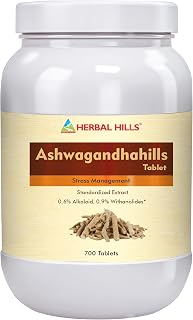


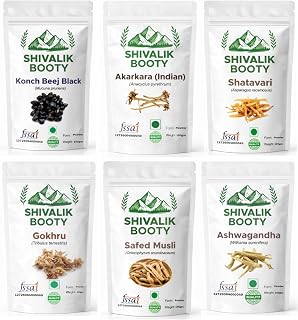


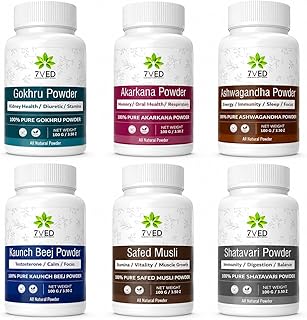





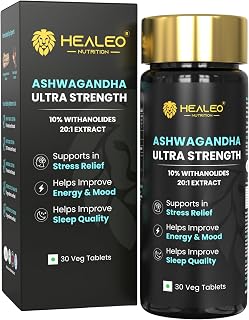
Ashwagandha is one of the most recognised herbs associated with Ayurveda and traditional Indian wellness practices. Scientifically known as Withania somnifera, it is commonly available as dried root powder, capsules, tablets, extracts and blended herbal formulations. For shoppers in India, the wide range of options can make it useful to understand the differences between product formats, ingredients and labelling before making a purchase.
Ashwagandha products are often selected as part of a broader wellness routine. Traditional Ayurvedic use has given the herb a long-standing place in Indian herbal practices, while modern consumers may prefer convenient supplement formats. However, products can vary considerably in their composition and concentration, so shoppers should look beyond the word “ashwagandha” on the front of a pack.
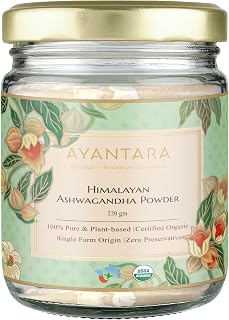
Ashwagandha powder is one of the simplest forms and is made from processed plant material. It can be incorporated into a preferred food or drink according to the product directions. Powder may appeal to people who prefer traditional formats, although measuring and preparing it can require more effort.
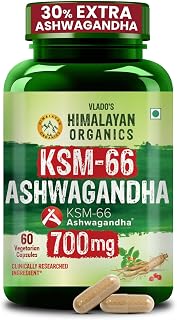
Ashwagandha capsules and tablets offer a convenient alternative for shoppers who prefer a pre-measured format. They are easy to store and can fit into established daily routines. When comparing these products, check the serving information, ingredient list, quantity per container and any standardisation information provided by the manufacturer.
Ashwagandha extracts may use concentrated preparations of the herb. Extract products can differ in extraction method and standardisation, making it important to read the label carefully rather than comparing products only by capsule or tablet count.
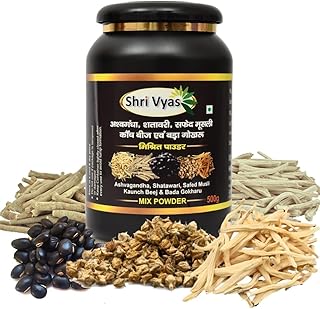
When shopping online in India, start by checking the complete ingredient list. A product may contain ashwagandha alongside other herbs, nutrients, flavouring agents or excipients. If you are specifically looking for a single-herb product, confirm that the formulation matches that preference.
Pay attention to the form of ashwagandha used. Labels may distinguish between root powder, root extract or other plant preparations. If an extract is used, the packaging may provide additional information about its concentration or standardisation. These details can help shoppers make more meaningful comparisons between otherwise similar products.
Packaging size and serving information are also worth considering. A larger container is not automatically better value if the serving size differs between products. Compare the amount supplied, recommended serving information and overall formulation before deciding which option best fits your budget and routine.
Indian shoppers can find ashwagandha products in several formats and price ranges. Before ordering, review the product description, ingredient information, pack size, storage instructions and manufacturer details available on the product page. It is also sensible to check the stated shelf life and packaging condition when the product arrives.
For supplements and herbal products, follow the instructions supplied with the specific product rather than assuming that all ashwagandha products should be used in the same way. Product strength and formulation can vary, so directions on one product should not automatically be applied to another.
Ashwagandha is traditionally associated with Ayurvedic wellness, but it should not be viewed as a substitute for a balanced diet, adequate sleep, physical activity or professional medical care. Evidence surrounding herbal supplements can vary depending on the specific preparation and intended use. Consumers should therefore approach product claims carefully and avoid assuming that a supplement will produce a particular health outcome.
If you are pregnant or breastfeeding, have an existing medical condition, take prescription medicines, or are considering ashwagandha for a specific health concern, consult a qualified healthcare professional before using it. This is especially important because herbal supplements can interact with medicines or may not be suitable for everyone.
The best choice depends on what you value most: traditional preparation, convenience, formulation, serving format or ease of use. Comparing the product form, ingredients, quantity, label information and usage directions can help you shop more confidently.
Explore the Ashwagandha category to discover available options and compare products based on your individual preferences. Always read the product label and follow the manufacturer's directions before use.
Ashwagandha is a well-known Ayurvedic herb that has become increasingly popular among shoppers in India looking for traditional herbal products. Also known as Withania somnifera, ashwagandha is available in several forms, including powder, capsules, tablets, extracts and other formulations. This category brings together ashwagandha options so shoppers can compare formats and choose products that suit their preferences.