

♥ Wishlist









![[PKY] Pyunkang Yul Highly Moisturizing Sheet Mask, Korean Skincare Face Mask with Ceramide, Hyaluronic Acid, Panthenol & Cica, Hydrating and Soothing Care (10 PCS)](https://m.media-amazon.com/images/I/71GYDROmLwL._AC_UL320_.jpg)


Choosing a face mask is easier when you begin with your skin type, your main skincare goal and the type of formula you enjoy using. Face masks are available in many forms, including clay masks, sheet masks, gel masks, cream masks, peel-off formulas and traditional powder-based face packs. In India, herbal and Ayurvedic-inspired options are also popular, with ingredients such as turmeric, neem, sandalwood, aloe vera, rose, green tea and various botanical extracts.
The right face mask can complement a regular skincare routine by providing cleansing, hydration, conditioning or gentle exfoliation. However, there is no single face mask that is best for every person. Skin type, climate, ingredient preferences, frequency of use and individual tolerance all matter when comparing products. A formula that feels comfortable on oily skin may feel too drying on dry skin, while a rich hydrating mask may be less appealing to someone who prefers a lightweight finish.
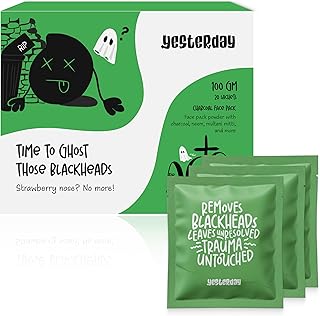
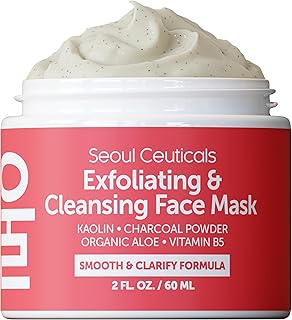
For oily or combination skin, shoppers often consider clay-based masks containing ingredients such as kaolin or bentonite. These mineral clays are commonly used in formulas designed to absorb excess surface oil and provide a deep-cleansing feel. A strong tight or dry sensation is not necessarily a sign that a mask is working better, so compare the complete formula and recommended usage rather than selecting the most aggressive option.
Dry or dehydrated skin may benefit more from masks focused on hydration and skin comfort. Ingredients such as glycerin, hyaluronic acid and aloe vera are commonly found in hydrating skincare formulations. Sheet, gel and cream masks can be convenient choices when the goal is to add moisture without relying on highly absorbent clays. Always follow the product directions and consider how the mask fits with the rest of your skincare routine.
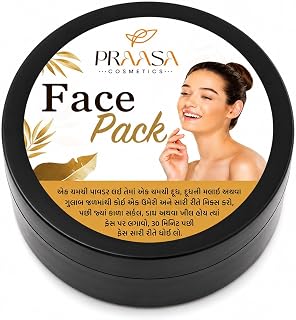
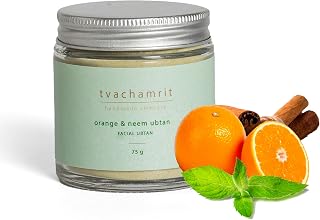
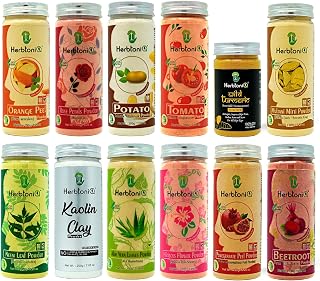
Herbal and Ayurvedic face masks are especially relevant for Indian shoppers who prefer traditional or botanical-focused skincare. Products may include ingredients such as turmeric, neem, sandalwood, rose, tulsi, multani mitti and plant extracts. When comparing herbal products, look beyond words such as “natural,” “herbal” or “chemical-free.” Check the actual ingredient list, manufacturer information, directions and intended use because naturally derived ingredients can still cause sensitivity in some individuals.
Different mask formats suit different routines. Powder masks can be mixed according to product instructions and may appeal to shoppers who prefer traditional face packs. Clay masks are commonly selected for cleansing and oil control. Sheet masks are convenient and usually designed around a serum-like essence. Gel masks can provide a lightweight, refreshing feel, while cream or overnight masks may be preferred for richer conditioning. Peel-off masks and exfoliating formulas require additional care because excessive or inappropriate use may irritate the skin.
India's varied climate can also influence product preferences. Hot and humid conditions may make lightweight or cleansing formulas attractive, while dry weather and prolonged exposure to air-conditioning can make hydrating textures more comfortable. Pollution, dust, sunscreen and makeup may influence how clean the skin feels, but a face mask should complement rather than replace normal cleansing and appropriate sun protection.
When comparing face masks online, do not judge value only by the displayed package price. Check the quantity, recommended amount per application and estimated number of uses. A larger pack is not necessarily better value if the formula does not suit your skin. Also review recent customer feedback for information about texture, scent, packaging and application experience, while remembering that individual results can vary.
Ingredients deserve careful attention before purchase. Hyaluronic acid and glycerin are commonly associated with hydration, while aloe vera and green tea are popular in soothing or refreshing skincare formulations. Niacinamide may appear in products designed around oil balance or the appearance of uneven tone. Kaolin and bentonite are frequently used in cleansing masks. Botanical extracts can be appealing, but a longer ingredient list does not automatically mean better performance.
Before applying any face mask, read the manufacturer's instructions carefully. Cleanse the face as appropriate, apply the recommended amount, avoid areas where the product is not intended to be used and respect the stated contact time. Do not assume that leaving a mask on longer will improve the result. If a product causes significant discomfort or an unexpected reaction, discontinue use.
Whether you are looking for a face mask for oily skin, a hydrating mask for dry skin, an Ayurvedic face pack, a clay mask for cleansing or a convenient sheet mask, compare products according to your actual needs. Focus on skin type, ingredients, formula, usage instructions, quantity and current product information rather than choosing solely because of popularity or a single marketing claim. This approach can help Indian shoppers make a more informed face mask purchase.
Find face masks for different skin types, skincare goals and routines in India. Compare herbal, Ayurvedic, clay, sheet, gel and hydrating formulas by ingredients, texture, intended use, quantity and value before choosing a product.