

♥ Wishlist
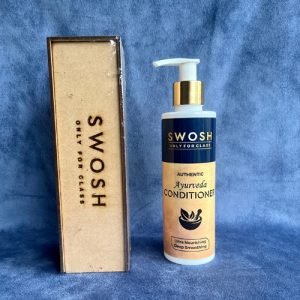
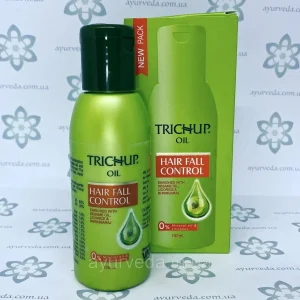
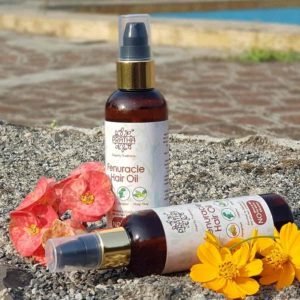
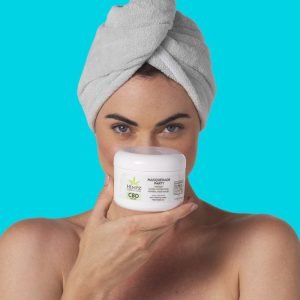
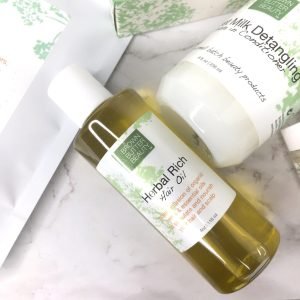
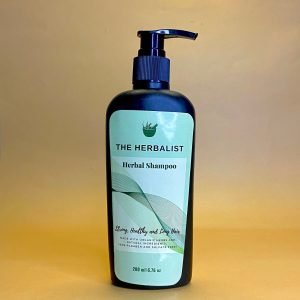







Herbal hair care brings together hair and scalp care products that use botanical extracts, plant-derived ingredients or traditional herbal-inspired formulations. For Indian shoppers, choosing a suitable hair care routine can depend on several factors, including hair texture, scalp condition, climate, washing frequency and styling habits. A well-chosen routine can make everyday cleansing and conditioning easier while helping hair feel clean, manageable and well cared for.
Herbal hair care products are available for different stages of a routine. Depending on the product, a collection may include herbal shampoos, conditioners, hair oils, masks, serums and other treatments. Each product serves a different purpose, so it is useful to consider what your hair actually needs rather than selecting a product simply because it contains a particular herb. A balanced routine can combine cleansing with suitable conditioning and occasional nourishment without making hair care unnecessarily complicated.
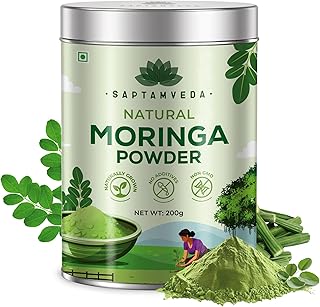
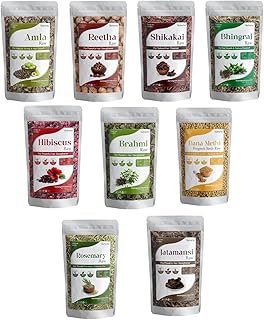
Many people choose herbal hair care because they enjoy botanical ingredients and traditional approaches to personal care. Ingredients commonly associated with herbal hair routines include aloe vera, amla, neem, hibiscus, bhringraj, fenugreek and other plant extracts. Their presence can make a product appealing to shoppers who prefer nature-inspired formulations, although the suitability of any ingredient depends on the individual product formulation and your hair or scalp needs.
Indian weather can also influence how hair feels and behaves. Humidity, heat, dust and seasonal changes may affect oiliness, dryness, frizz and scalp comfort. A lightweight cleansing product may be preferable for an oily scalp, while dry or textured hair may benefit from a routine that gives greater attention to conditioning and moisture. Instead of following a one-size-fits-all routine, consider your own hair type and how it responds after washing.
Start by identifying whether your main concern is the scalp, hair lengths or both. If your scalp becomes oily quickly, focus on an appropriate cleansing routine and avoid applying heavy oils or conditioning products directly to the scalp unless the product directions recommend it. If your lengths feel dry or rough, conditioning and occasional hair treatments may be more relevant.
Hair texture matters as well. Straight, wavy, curly and tightly textured hair can respond differently to the same formulation. Fine hair may become weighed down by rich products, whereas thick or dry hair may tolerate richer conditioning products more comfortably. If you colour, heat-style or chemically treat your hair, also consider products intended to support the needs of treated hair.
Before buying, read the ingredient list, usage instructions and product claims carefully. Natural or herbal does not automatically mean suitable for everyone. Some botanical ingredients can cause irritation or sensitivity in certain individuals. If you have a known sensitivity, check the full formulation and discontinue use if irritation occurs.
A practical routine does not need a large number of products. A basic approach can include a suitable cleanser, a conditioner when needed and an optional oil, mask or treatment based on your hair's requirements. Use products according to their directions and avoid assuming that using more product will produce better results. Consistency and suitability are generally more useful than an overly complicated routine.
For shoppers in India, hair care choices are often influenced by local traditions as well as modern personal-care habits. Hair oils and botanical ingredients have a familiar place in many Indian routines, while shampoos, conditioners and leave-in products can make everyday maintenance convenient. Whether you prefer a traditional-inspired routine or a modern herbal formulation, the key is to match products to your scalp and hair needs.
When comparing products, consider the formulation, intended use, quantity, frequency of use and suitability for your hair type. If you are introducing a new product, using it as directed and observing how your hair and scalp respond can help you decide whether it belongs in your regular routine. This approach can make it easier to create a personalised hair care regimen without relying on broad promises.
Explore the Herbal Hair Care category to find nature-inspired options for cleansing, conditioning, nourishment and everyday maintenance. Whether you are refining an existing routine or looking for a botanical alternative, compare products based on their purpose and formulation. Choosing products thoughtfully can help you create a straightforward routine suited to your individual hair care preferences.
Remember that hair care results vary from person to person. Product selection should be based on your hair type, scalp needs, ingredient preferences and the manufacturer's directions. For persistent scalp problems, significant hair loss or other concerns that do not improve with routine care, consider speaking with a qualified healthcare professional or dermatologist.
Discover herbal hair care products designed to complement everyday hair routines with plant-based ingredients and traditional-inspired care. From cleansing and conditioning to nourishing and maintaining the scalp and lengths, herbal hair care can be a practical choice for shoppers in India looking for simple, nature-inspired hair care options.