

♥ Wishlist


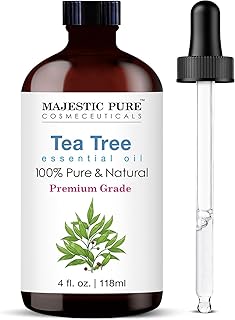


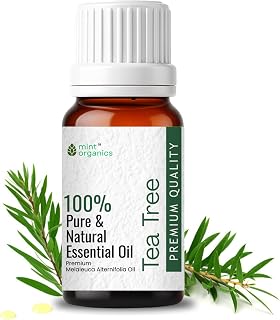


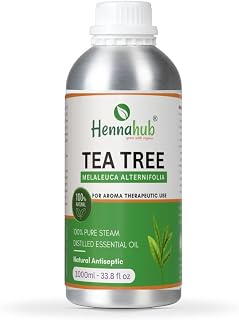


Tea tree essential oil is a concentrated botanical oil obtained from the leaves of the Australian tea tree, Melaleuca alternifolia. It is widely used in personal-care products and aromatherapy because of its distinctive clean, green and herbaceous aroma. Tea tree oil is particularly popular among shoppers looking for products for skin cleansing, scalp care, nail care and refreshing home or personal-care routines.
When choosing tea tree essential oil, it is important to look beyond attractive packaging or broad benefit claims. Check the botanical name, intended application, ingredient information, bottle size, storage instructions and directions for dilution. Essential oils are concentrated products, so suitability depends on how they are formulated and how they are used. The composition of tea tree oil can also change with exposure to air, heat and light, making proper storage an important consideration. :contentReference[oaicite:0]{index=0}
Tea tree oil is commonly selected for routines that focus on a clean, refreshed feeling. In skincare, it is often found in products intended for oily or blemish-prone skin. Research suggests that topical tea tree oil may provide some benefit for mild acne, although the evidence is limited and it should not be viewed as a replacement for established treatment. :contentReference[oaicite:1]{index=1}
Tea tree oil is also popular in scalp-care routines. Some tea tree oil formulations are used for dandruff and itchy scalp concerns, while shampoos and other finished products may offer a more convenient way to use the ingredient than applying concentrated essential oil directly. For persistent, severe or worsening scalp problems, professional medical advice is more appropriate than relying on an essential oil alone.
For skincare, tea tree essential oil is generally best considered as a concentrated ingredient rather than an everyday facial oil to apply undiluted. People with oily or blemish-prone skin may encounter tea tree oil in cleansers, gels and other formulated products. If using a pure essential oil, follow the product's specific dilution instructions and perform a patch test before broader topical use.
Undiluted tea tree oil can cause redness, irritation or allergic contact reactions in some people. Older or oxidised oil may be more irritating, so choosing a properly packaged product and keeping it tightly closed and protected from heat and light can help maintain product quality. :contentReference[oaicite:2]{index=2}
Tea tree oil is frequently associated with scalp-care products, particularly formulations designed for dandruff and scalp freshness. A finished shampoo or scalp product can be a practical choice because its concentration and application method are already defined. If you are considering adding essential oil to a carrier oil or another hair product, use only the dilution recommended on the product label and avoid applying concentrated oil directly to the scalp.
Tea tree oil should not be treated as a proven hair-regrowth solution. Evidence for hair-growth claims is limited, so shoppers should distinguish between scalp-care benefits and claims about stimulating new hair growth. For significant hair loss, persistent itching, inflammation or unexplained scalp changes, consult a qualified healthcare professional.
Start by deciding how you intend to use the oil. If your main purpose is aromatherapy, look for a product clearly labelled for aromatic use and follow the diffuser manufacturer's instructions. For skincare or scalp care, prioritise products with clear topical-use directions. If you are new to essential oils, a pre-formulated personal-care product may be easier to use than a concentrated bottle requiring home dilution.
Also consider bottle size. Small bottles can be suitable when trying tea tree oil for the first time because essential oils are concentrated and are generally used in small quantities. Check the packaging for the botanical name, ingredient information, storage recommendations and any warnings. Buying from a reputable seller and keeping the bottle sealed and away from direct sunlight are sensible quality checks.
Tea tree essential oil is intended for appropriate external use and should never be swallowed. Ingestion can cause serious poisoning symptoms, including neurological effects. Keep the bottle out of reach of children and pets, and avoid contact with the eyes and sensitive areas. :contentReference[oaicite:3]{index=3}
People with sensitive skin or a history of reactions to fragrances or essential oils should take extra care. Patch testing a properly diluted topical product can help identify obvious irritation before regular use. Stop using the product if burning, swelling, significant redness or a rash develops. For pregnancy, breastfeeding, children or existing medical conditions, seek advice from a qualified healthcare professional before using concentrated essential oils.
Whether you are looking for tea tree essential oil for skincare, scalp care, aromatherapy or general personal-care use, the right choice depends on the intended application and product formulation. Compare product details carefully rather than choosing solely by price or marketing claims. A clear ingredient list, suitable instructions, appropriate packaging and a reputable seller can make the shopping decision easier.
Explore the available tea tree essential oil options on this category page and choose a product that matches your intended use, preferred bottle size and routine. Always follow the manufacturer's instructions and use concentrated essential oils responsibly.
Discover tea tree essential oil for everyday personal-care routines, including skincare, scalp care and aromatherapy. Known for its fresh, herbaceous aroma, tea tree oil is derived from the leaves of Melaleuca alternifolia and is commonly included in products designed for cleansing and refreshing the skin and scalp. When shopping in India, compare the oil type, intended use, bottle size, formulation and usage instructions to find an option that fits your routine.
Indian shoppers comparing tea tree essential oils for skincare, scalp care, personal care and aromatherapy.