

♥ Wishlist

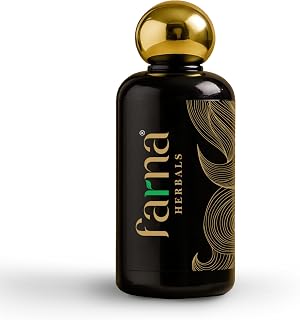


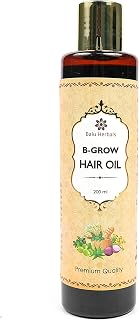


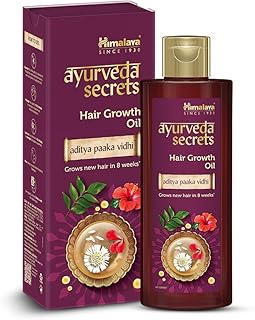


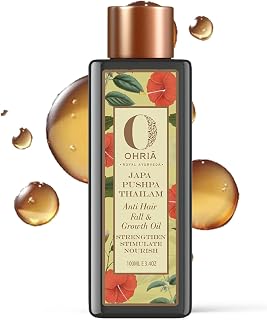


Herbal hair oil is a popular choice for people who want to include plant-based or Ayurvedic-inspired products in their regular hair care routine. Unlike choosing an oil based only on its texture or fragrance, herbal hair oils can contain combinations of traditional ingredients selected for specific hair and scalp concerns. Common ingredients found across herbal formulations include amla, bhringraj, brahmi, hibiscus, neem, curry leaves, coconut oil, castor oil and rosemary.
Choosing the right herbal hair oil depends on your individual hair type, scalp condition and preferred routine. Someone with dry or rough hair may prefer a richer oil designed to provide conditioning and reduce the feeling of dryness. Those with an oily scalp may prefer a lighter formula that is easier to wash out. If your main concern is scalp nourishment, you can look for products featuring ingredients traditionally associated with scalp-focused hair care.
Amla is widely used in traditional Indian hair care and is commonly included in herbal oil blends. Bhringraj is another familiar Ayurvedic hair-care ingredient, often featured in products marketed for stronger-looking and healthier hair. Brahmi and hibiscus are also popular botanical ingredients in traditional formulations. Neem may be selected for scalp-focused routines, while coconut oil is frequently used as a conditioning base.
Some modern herbal hair oils combine traditional Indian ingredients with botanical oils such as rosemary, jojoba or castor oil. These combinations can give shoppers more choices when building a routine around their preferred ingredients and hair concerns. Always check the individual product label because ingredients, concentrations, usage directions and suitability can differ from one formulation to another.
Start by identifying what you want from your hair-oiling routine. For general nourishment, consider a balanced herbal blend containing familiar conditioning oils and botanical ingredients. For dry or frizzy hair, a richer oil may be more suitable. If you are mainly concerned with scalp care, look for a formulation whose ingredient profile matches your preferences and follow the manufacturer's directions.
It is also useful to consider how frequently you plan to oil your hair. Some people prefer applying oil before shampooing, while others use smaller amounts as part of a more targeted routine. The right quantity depends on hair length, thickness, scalp type and the specific product. Applying too much oil can make washing more difficult, so starting with a modest amount can be practical.
Herbal hair oils are available for a wide range of everyday hair-care preferences. Products marketed for dry hair generally focus on nourishment and conditioning. Formulations positioned for hair fall or growth concerns often contain ingredients such as amla, bhringraj, hibiscus or rosemary. Oils marketed for dandruff or scalp care may feature ingredients selected for scalp-focused routines. For chemically treated, frizzy or damaged-looking hair, shoppers may prefer conditioning blends that help improve the feel and manageability of the hair.
Men and women can both use many herbal hair oils, but suitability should always be judged by the formulation and individual needs rather than gender alone. If you have a sensitive scalp, carefully review the ingredient list and consider a patch test before applying a new product more extensively.
Comparing herbal hair oils can help you identify differences in ingredients, bottle size, formulation style, intended use and application method. Some products are single-ingredient oils, while others contain blends of numerous herbs and carrier oils. Packaging can also vary from smaller bottles suited to trial use to larger packs intended for regular household use.
When shopping online in India, check the product description, ingredient list, directions for use, pack size and current seller information before purchasing. If a product makes specific cosmetic or hair-growth claims, consider the wording carefully and rely on the manufacturer's instructions rather than assuming every herbal ingredient will produce the same result for every person.
Consistency is often more useful than using excessive amounts of oil. A simple routine can involve applying an appropriate quantity to the scalp and lengths, gently massaging as directed, allowing the product to remain for the recommended period and then washing with a suitable shampoo. People with different hair textures may need to adjust frequency and quantity to find what works comfortably for them.
Herbal hair oil can complement other parts of a balanced hair-care routine, including cleansing, conditioning and protection from excessive heat or environmental stress. If you experience persistent scalp irritation, significant hair loss or other ongoing concerns, consider speaking with a qualified healthcare professional or dermatologist rather than relying solely on cosmetic hair oils.
Explore the available herbal hair oil options and compare formulations based on ingredients, hair-care goals, pack size and application preferences. With the right product and a routine that suits your hair, herbal oiling can become a convenient part of everyday personal care.