

♥ Wishlist
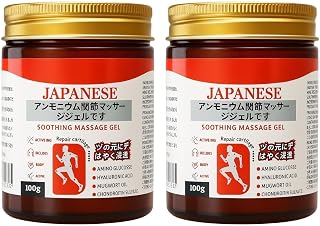


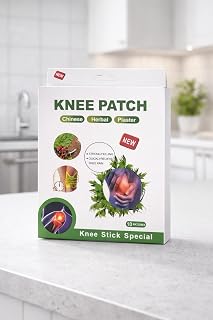
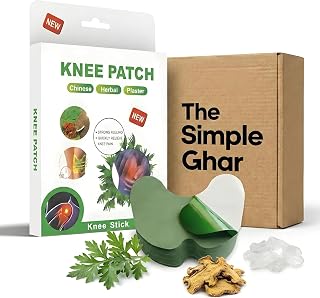


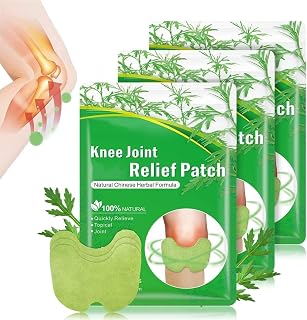


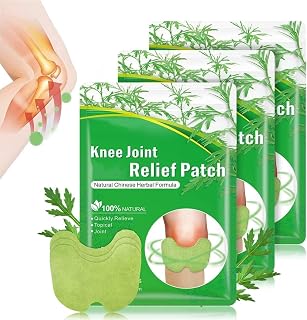



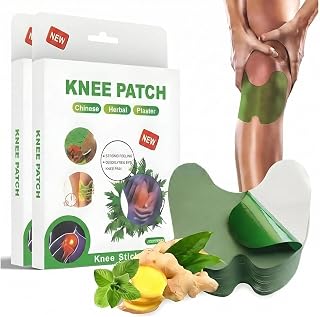
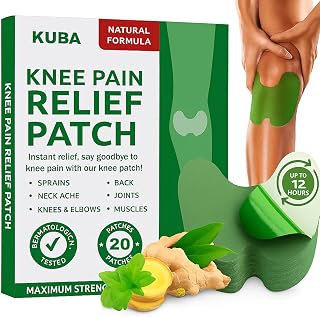


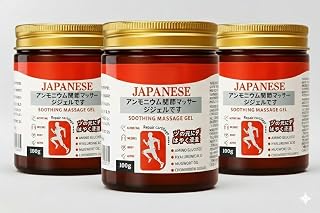


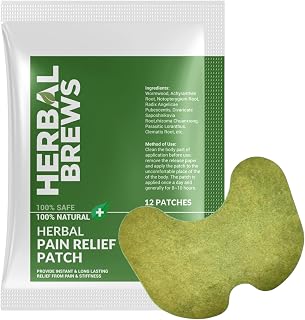


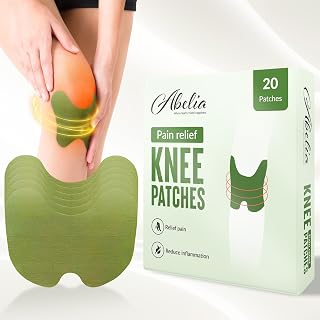


Knee pain is a common concern among people of different ages and activity levels in India. It may be associated with everyday strain, exercise, previous injuries, age-related changes, or underlying joint conditions. Because the cause and severity of knee discomfort can vary considerably, choosing a suitable approach starts with understanding your symptoms and considering products as part of a broader approach to joint care.
This category focuses on natural and herbal approaches that may be used to support knee comfort and everyday mobility. Herbal products can include topical preparations, oils, balms, creams, capsules, powders, and other wellness formulations. The appropriate choice depends on the product ingredients, formulation, directions for use, individual requirements, and any existing health considerations. Natural does not automatically mean suitable for everyone, so product labels should always be reviewed before use.
When shopping for knee pain products in India, begin by identifying what type of product fits your routine. Topical oils, creams, and balms can be convenient for people who prefer local application as part of their daily self-care routine. Oral herbal supplements may appeal to shoppers seeking a different form of wellness support, but they require particular attention to ingredients, recommended serving sizes, possible interactions, and suitability for the individual.
Look for clearly listed ingredients and straightforward usage instructions. If a product contains multiple herbs or botanical extracts, check the complete label rather than relying only on a marketing claim. Packaging information such as net quantity, directions, storage instructions, manufacturer details, and applicable warnings can also help you make a more informed purchase. For shoppers comparing several options, considering the formulation and intended use is generally more useful than choosing solely on price.
Traditional Indian wellness practices have long included botanical ingredients in various preparations. Turmeric, ginger, boswellia, castor oil, sesame oil, and other plant-based ingredients are commonly encountered in traditional or contemporary herbal products. However, the presence of an ingredient does not guarantee that a particular product will relieve pain or treat a medical condition. Evidence, formulation, dosage, and individual response can differ, so claims should be considered carefully.
Some shoppers prefer products that fit familiar Ayurvedic or herbal routines, while others prioritise convenient topical application or easy-to-use formulations. If you already take medicines or have a diagnosed condition, it is sensible to ask a qualified healthcare professional or pharmacist whether a particular herbal product is appropriate before starting it.
Products are only one part of maintaining comfortable movement. Regular, appropriate physical activity can help support mobility and strength, while activities that place excessive stress on a painful joint may need to be adjusted. Maintaining a healthy body weight can also reduce the mechanical load placed on the knees. Gentle mobility exercises and strengthening routines may be useful for some people, although the right exercises depend on the cause of the pain and should be selected appropriately.
Supportive footwear may also be relevant for people who spend considerable time walking or standing. Taking sensible breaks from prolonged sitting or standing can make daily routines more comfortable. These habits should complement, rather than replace, professional assessment when knee pain is persistent, severe, worsening, or associated with other concerning symptoms.
Knee pain should not automatically be treated as a minor everyday problem. Medical advice is particularly important after a significant injury, when the knee is badly swollen or deformed, when weight-bearing is very difficult, or when symptoms are accompanied by fever, redness, marked warmth, or severe pain. Persistent or recurring discomfort also deserves appropriate evaluation because conditions such as arthritis, ligament injuries, meniscus problems, gout, infection, or other musculoskeletal issues may require specific treatment.
Herbal or natural products should therefore be viewed as supportive wellness choices rather than guaranteed treatments for an underlying disease. If you are pregnant, breastfeeding, managing a chronic condition, preparing for surgery, or taking prescription or over-the-counter medicines, consult a healthcare professional before using oral herbal supplements or unfamiliar topical preparations.
For Indian shoppers, choosing a knee care product is easier when you compare ingredients, formulation, intended use, instructions, quantity, and product information together. Consider whether you want a topical product for your routine, an herbal wellness supplement, or simply educational guidance before making a purchase. Avoid relying on promises of instant or permanent relief, and pay attention to directions and safety information.
With a balanced approach that combines informed product selection, appropriate movement, healthy lifestyle habits, and professional care when needed, natural knee care can become part of a practical everyday wellness routine. Explore the available category options and choose products that fit your personal preferences and responsible self-care needs.
Knee discomfort can make everyday activities such as walking, climbing stairs, exercising, or sitting for long periods more difficult. For shoppers in India looking for supportive, natural approaches, this category brings together information and product considerations related to herbal knee care. Explore options designed to complement sensible lifestyle habits while learning how to choose products according to your individual needs.