

♥ Wishlist




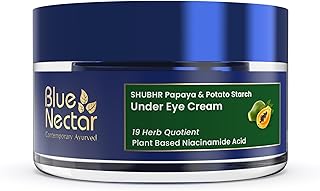








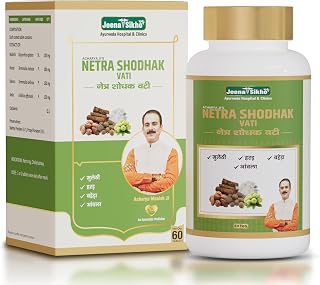




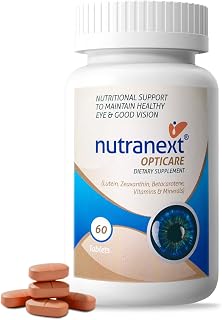


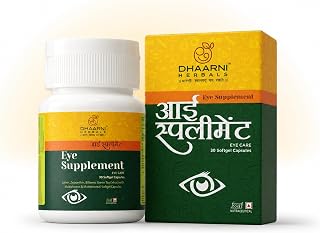


Eye care is an important part of a healthy daily routine, particularly in a world where many people spend hours looking at smartphones, computers, televisions and other digital screens. Everyday habits such as adequate rest, good hygiene, protection from excessive sunlight and regular eye examinations can all contribute to maintaining comfortable and healthy-looking eyes. The eye care category brings together products and useful resources intended to support different aspects of an everyday eye-care routine.
When shopping for eye care products in India, it is useful to first identify the purpose of the product you need. Some products are intended for general comfort and hygiene, while others may be designed for specific eye conditions or prescribed use. Reading the product label, checking ingredients and following the manufacturer's directions can help you make a more informed choice. For products intended to treat an eye condition, professional medical advice is especially important.
Eye care is not the same for everyone. Your routine may depend on your age, lifestyle, screen exposure, environment and existing eye-health needs. Someone who works at a computer throughout the day may be particularly interested in habits and products that support eye comfort, while a person who spends considerable time outdoors may place greater emphasis on protection from sunlight, dust and wind.
Before buying an eye-care product, consider whether it is intended for general wellness, cleansing, lubrication, protection or a specific medical purpose. Products such as lubricating eye drops, eye washes, protective eyewear and other accessories can have different uses and instructions. Do not assume that a product designed for one purpose is suitable for another.
Start by determining exactly what you want the product to do. A clear understanding of its intended purpose can make it easier to compare suitable options and avoid unnecessary purchases.
Read the ingredient list carefully, particularly if you have sensitive eyes or known allergies. For products applied directly to the eyes, use only products that are specifically intended for ophthalmic use and follow the stated directions.
Check packaging information, manufacturer details, expiry dates and storage instructions before using an eye-care product. Sealed packaging and appropriate storage are particularly important for products that come into direct contact with the eyes.
Always follow the recommended method of use. Avoid sharing products that come into contact with the eyes, and do not continue using a product beyond its recommended period after opening if the manufacturer specifies one.
Good eye care extends beyond shopping for products. Regular breaks during prolonged screen use, adequate sleep, wearing suitable sunglasses outdoors and avoiding unnecessary eye rubbing are simple habits that can support everyday eye comfort. Keeping hands clean before touching the eyes or applying ophthalmic products is also an important hygiene practice.
People who wear contact lenses should follow their eye-care professional's instructions for cleaning, storage and replacement. Contact lenses should never be cleaned or stored with substances that are not specifically intended for lens care. Likewise, eye makeup should be used hygienically and replaced according to appropriate product guidance.
Modern lifestyles can create different demands on the eyes. Students and office workers may spend long periods reading or viewing screens. Outdoor workers may encounter dust, bright sunlight and changing weather conditions. Travellers may experience dry indoor air or long periods of screen exposure. Understanding your routine can help you build sensible eye-care habits and select appropriate everyday essentials.
For children, eye care should be approached with additional attention. Parents and caregivers should encourage good hygiene, appropriate screen habits and outdoor eye protection. Any persistent visual difficulty, unusual eye appearance or recurring discomfort should be assessed by a qualified eye-care professional rather than managed solely with over-the-counter products.
Eye-care products should not replace professional diagnosis or treatment. Persistent pain, significant redness, sudden changes in vision, flashes of light, a sudden increase in floaters, injury, discharge or other concerning symptoms require appropriate medical attention. Sudden vision loss is an emergency and should be assessed immediately.
Routine eye examinations can also be valuable even when your eyes feel normal. An optometrist or ophthalmologist can assess vision and identify certain eye problems that may not produce obvious symptoms in their early stages. If you have diabetes, a family history of eye disease or another factor that increases your risk of eye problems, follow the examination schedule recommended by your healthcare professional.
A thoughtful approach to eye care means choosing products according to genuine needs rather than relying on broad claims. Compare product purpose, ingredients, directions, packaging and suitability before making a purchase. For products intended to manage a diagnosed eye condition, consult a qualified healthcare professional to determine whether the product is appropriate.
Explore the Eye Care category to discover relevant everyday essentials and learn more about maintaining a practical eye-care routine. Combining sensible product choices with good hygiene, screen habits, outdoor protection and regular professional examinations can help you take a more informed approach to your eye health.
Discover practical eye care essentials for maintaining comfortable, refreshed and well-cared-for eyes. Explore products and information suited to everyday eye-care needs in India.