

♥ Wishlist

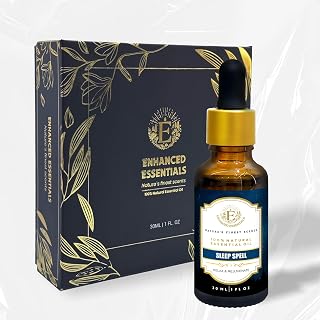


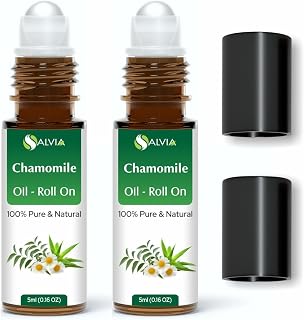







Roman Chamomile Oil is a popular essential oil valued for its soft, sweet, herbaceous and lightly floral aroma. It is obtained from Chamaemelum nobile, a botanical commonly known as Roman chamomile. For shoppers in India, this category includes pure Roman chamomile essential oils as well as products offered in different bottle sizes, blends and formats. Because essential oils are highly concentrated, choosing a product should involve more than comparing prices or star ratings.
Roman Chamomile Oil is an aromatic essential oil associated with calming and soothing fragrance profiles. It is commonly used in aromatherapy, diffusers, massage blends after suitable dilution, personal-care formulations and DIY aromatic projects. The botanical name is particularly important when shopping because Roman chamomile and German chamomile are different plants. Products labelled with Chamaemelum nobile can make it easier to distinguish Roman chamomile from oils derived from Matricaria chamomilla.
Many people choose Roman chamomile because of its gentle, comforting aroma. It can complement evening routines, meditation spaces, diffuser blends and relaxing home environments. Its fragrance can also work well with other essential oils, including lavender, peppermint, citrus oils and selected floral or herbal notes. However, aromatic preferences are personal, so product descriptions and customer reviews can help you understand the scent character before purchasing.
Roman Chamomile Oil is often considered for diffuser and aromatherapy applications. If you intend to use it in a diffuser, check the product's label for suitable instructions and recommended quantities. A small bottle can be practical for occasional use because essential oils are concentrated and only small amounts may be needed for many applications.
Some shoppers select Roman Chamomile Oil for DIY skincare, massage or body-care blends. Pure essential oil should generally not be applied directly to the skin without appropriate dilution. A suitable carrier oil can be used when the product instructions permit topical application. Always follow the manufacturer's directions and consider a patch test before wider topical use, particularly when trying a new essential oil.
Start by checking the botanical name, ingredient statement and intended use. If your goal is specifically Roman chamomile, look for Chamaemelum nobile rather than assuming every chamomile-labelled oil is the same. Check whether the product is described as pure, undiluted or blended, and confirm whether any carrier oils or additional ingredients are included.
Bottle size is another useful comparison point. Common online listings can include small formats such as 5 ml or 10 ml and larger options such as 30 ml, 50 ml, 100 ml or more. Smaller bottles can be suitable for first-time buyers or occasional aromatherapy, while larger bottles may make more sense for frequent users or DIY projects. Compare the price per millilitre rather than looking only at the total selling price.
Terms such as “100% pure,” “natural,” “undiluted” and “therapeutic grade” are frequently used in essential-oil listings, but shoppers should still inspect the complete product information. Look for the botanical name, extraction information where provided, ingredient details, country or source information when available, and clear directions for use. A transparent listing is easier to evaluate than one relying only on broad marketing claims.
Essential oils should be stored according to the manufacturer's instructions and generally kept away from excessive heat, direct sunlight and unnecessary exposure to air. Dark glass bottles are commonly used for essential oils because they can help protect the contents from light. A secure cap or dropper can also make controlled dispensing easier and reduce accidental spills.
When shopping online in India, compare several products before making a decision. Look at the current price in Indian rupees, bottle size, ingredient information, seller details, customer ratings and recent reviews. Reviews are particularly useful for practical characteristics such as fragrance strength, packaging, leakage, bottle quality and ease of dispensing, although individual claims about health outcomes should not be treated as scientific evidence.
It is also worth checking whether a product is a pure essential oil or a pre-diluted blend. A roll-on, massage oil or ready-to-use personal-care product is not interchangeable with concentrated Roman chamomile essential oil. Select the format that matches your intended application rather than assuming all products labelled Roman Chamomile Oil can be used in the same way.
Roman Chamomile Oil is concentrated and should be handled carefully. Follow the label instructions and use an appropriate dilution for topical applications when recommended. Keep essential oils away from the eyes and mucous membranes, and store them safely away from children and pets. If you are pregnant, breastfeeding, taking medicines, have allergies, or have a health condition that could affect essential-oil use, seek advice from a qualified healthcare professional before using concentrated essential oils.
Roman Chamomile Oil can be a useful addition to an aromatherapy or personal-care routine when selected carefully. Compare botanical identity, purity, formulation, size, packaging and intended use to find an option that fits your needs and budget. For Indian shoppers, checking current listing information and usage instructions before purchase is especially important because availability, pack sizes and prices can change.
Discover Roman Chamomile Oil options for aromatherapy, relaxation routines, personal care and essential-oil blending. Compare products available for Indian shoppers by purity, botanical identity, bottle size, formulation, packaging and intended use before buying.