

♥ Wishlist
Compare 57 verified Best Herbal Granules in India products in India. Reviews, ratings, pros, cons and buying advice updated for September 2026.


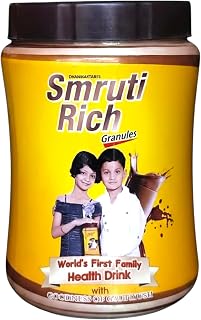


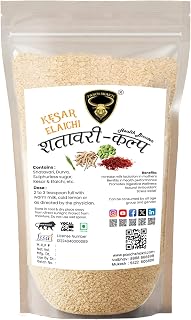


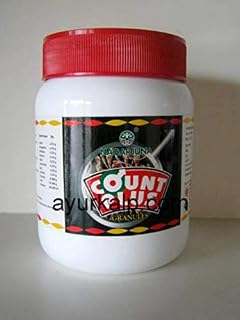


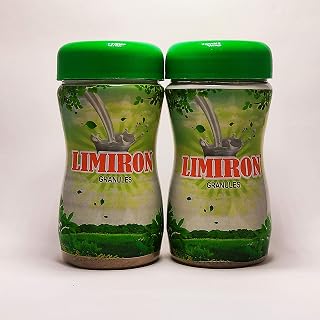


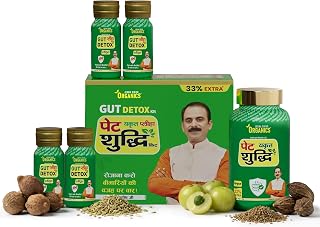


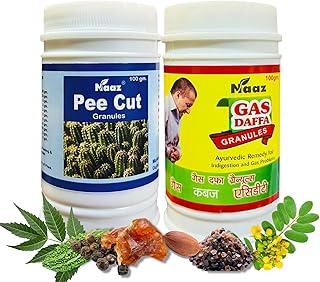


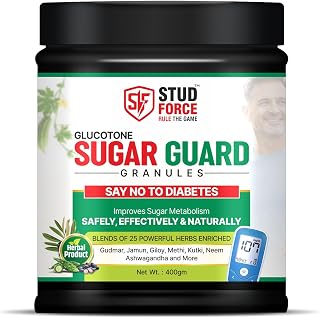
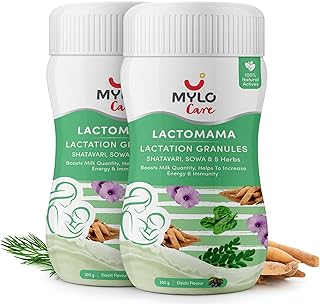


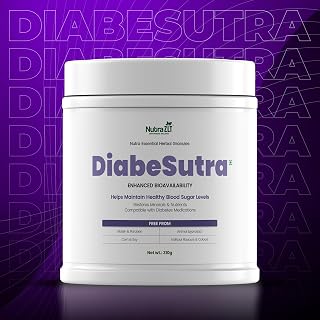


Granules are available across a wide range of categories, including herbal preparations, dietary products, traditional wellness formulations, drink mixes, digestive products and other powdered ingredients processed into small, easy-to-use particles. Because the term “granules” describes a product format rather than one specific ingredient, the right choice depends heavily on what the product contains, how it is intended to be used and whether its specifications match your requirements.
For shoppers in India, comparing granules only by brand name, rating or package size can lead to a poor purchase decision. A better approach is to evaluate the ingredient or formulation, serving instructions, ingredient list, packaging, storage requirements, manufacturer information, batch details and customer feedback together. Products from established names such as Dabur, Himalaya, Baidyanath, Patanjali and Organic India may be worth comparing, but the brand itself should not replace checking the individual product's formulation and label.
This guide is designed for commercial research: use it to compare specifications, understand common granule formats, identify important quality indicators and narrow down suitable choices before checking current prices and verified customer reviews from trusted retailers in India.
Granules are small particles formed by combining or processing fine ingredients into a more convenient granular form. Compared with loose powders, granules can be easier to measure, handle, package and dispense. Depending on the product, granules may be designed to dissolve in water, be mixed with another food or beverage, or be consumed according to the manufacturer's directions.
The word “granules” does not automatically indicate a product is herbal, natural, organic, medicinal or nutritionally superior. Those characteristics depend on the actual ingredients, manufacturing process, intended use and product claims. This distinction is particularly important when comparing herbal and traditional wellness products.
Powder generally consists of finer particles, while granules contain larger agglomerated particles. Granules may offer practical advantages such as reduced dust, easier handling and more consistent portioning, although the exact experience depends on the formulation.
Start by defining why you are buying the product. “Best granules” is too broad a category to produce one universally suitable choice. A product intended as a traditional herbal preparation should be assessed differently from a food ingredient, drink mix or general wellness product.
Before adding an item to your shortlist, determine whether you need a single-ingredient product, a multi-ingredient formulation, a ready-to-mix product, a traditional preparation or another specific type of granule.
The ingredient list is one of the most useful sections for comparing similar products. Do not rely only on the front of the package or promotional wording. Look for the complete list of ingredients, quantities where provided, permitted excipients and other formulation details.
For herbal products, check the botanical names where available. Common names can vary between regions and languages, while botanical names provide a more precise way to identify plant ingredients.
Package weight alone does not tell you how much usable product you are receiving. Compare the recommended serving size and the number of servings per package when that information is available.
Two containers with identical net weights can represent very different quantities of use if their recommended serving sizes differ. Always follow the manufacturer's stated directions rather than creating your own dosage schedule.
Granular products can be affected by moisture, heat and unsuitable storage conditions. A well-designed package should protect the contents from environmental exposure and provide clear storage instructions.
Look for practical packaging features such as a secure closure, readable labelling, intact seals where applicable and clear batch or manufacturing information. After opening, follow the stated storage instructions and keep the product away from conditions that could compromise its quality.
A trustworthy product should provide sufficient information to identify the manufacturer or responsible company. This makes it easier to evaluate the product label and distinguish an established formulation from an item with incomplete information.
When comparing herbal or traditional products, consider the completeness and clarity of the packaging information rather than choosing solely on attractive branding.
For packaged products, check the batch or lot information, manufacturing details where provided and expiry or best-before date. This is especially important when buying products that may remain in storage for several months.
Do not purchase or use a product when essential label information is missing, illegible, altered or inconsistent with the retailer's product description.
Customer reviews can help identify practical issues such as packaging damage, taste, texture, ease of mixing and whether the delivered product matched its description. However, reviews should not be treated as proof that an herbal or wellness product produces a particular health outcome.
When reading reviews, prioritize comments that describe observable product characteristics and recent purchasing experiences. Look for patterns across multiple reviews rather than relying on a single enthusiastic or negative comment.
Ingredient transparency is particularly important for herbal products. A clear label should make it possible to understand what the formulation contains. Products with vague descriptions such as “proprietary herbal blend” require additional scrutiny when the individual ingredients are not adequately identified.
When available, botanical names can make comparison easier because common names may refer to different plants in different markets. If you are comparing two products that appear to contain the same herb, check whether the botanical identification and plant part are comparable.
Herbal products can be prepared from different parts of a plant, including roots, leaves, seeds, bark, flowers or fruits. The plant part can therefore be an important specification when comparing two otherwise similar formulations.
Some herbal products provide information about processing, extraction or concentration. If this information is available, use it as a comparison point rather than assuming that a higher-sounding concentration automatically makes one product better.
Different extraction and processing methods can produce products with different characteristics. Consumers should compare like-for-like specifications wherever possible.
A single-herb product can make ingredient comparison relatively straightforward. If you are specifically looking for one botanical ingredient, a simpler formulation may also make it easier to identify what you are consuming.
The advantage is clarity, but a single-ingredient product is not automatically appropriate for every person or purpose. Check the intended use, directions, warnings and relevant personal considerations before purchasing.
Multi-herb formulations combine several ingredients into one product. They may be attractive to shoppers who prefer convenience, but the additional ingredients make label comparison more important.
India has a long tradition of using plant-based and traditional formulations. Modern packaged herbal products can combine traditional ingredients with standardized manufacturing, consumer packaging and detailed labelling. Nevertheless, traditional use should not be confused with guaranteed medical effectiveness.
If a product is marketed for a specific health condition, consumers should pay close attention to the wording of its label and avoid interpreting general wellness claims as a diagnosis or treatment recommendation.
People who are pregnant or breastfeeding, taking prescription medicines, managing a medical condition, preparing for surgery or purchasing herbal products for children should seek appropriate professional advice before using products that may interact with medicines or otherwise be unsuitable.
Popular Indian brands can provide useful starting points for a comparison, but no brand should automatically be considered the best for every category. Names such as Dabur, Himalaya, Baidyanath and Patanjali cover numerous product types, so compare the exact formulation rather than the corporate brand alone.
If you are purchasing granules for the first time, prioritize simplicity and clear labelling. A straightforward formulation can be easier to understand than a complex blend containing numerous ingredients.
Regular users should pay more attention to consistency of formulation, package size, storage convenience and cost per serving. Compare the current product label with previous purchases because formulations and packaging can change over time.
Focus on botanical identification, plant part, ingredient quantities, processing information where disclosed and directions for use. Avoid choosing solely because a product is described as “natural,” “pure” or “traditional.”
Instead of selecting the lowest-priced package, compare cost per serving or cost per stated quantity. A larger package is not necessarily better value if it has a substantially different serving size or if the product may not be used before its recommended consumption period.
A high average rating can be useful, but it does not tell you whether the formulation is appropriate for your specific requirements. Always combine ratings with ingredient and specification checks.
Large containers can appear economical, but they are not always the best choice. Consider storage conditions, expected frequency of use and expiry information before choosing a larger pack.
Front-of-pack claims can simplify a complex formulation. Read the detailed ingredient panel before deciding between similar products.
Herbal ingredients can have biological effects and may interact with medicines or other supplements. Natural origin is not a guarantee of universal safety or suitability.
Traditional use can be an important part of a product's background, but it should not automatically be interpreted as clinical evidence for a specific medical claim.
Even a properly manufactured product can be affected by poor storage. Follow the label's instructions and keep opened packages protected from moisture, excessive heat and contamination.
When shopping online in India, compare the retailer listing with the manufacturer's package information wherever possible. Product pages can contain outdated photographs, incorrect specifications or variations between different pack sizes.
Reviews are most useful when they answer practical questions. Instead of asking only whether people “liked” a product, look for details about the actual product experience.
Be cautious with reviews that make dramatic health claims without explaining how the reviewer reached that conclusion. Individual experiences are not a substitute for reliable evidence.
Proper storage can help preserve the physical quality of packaged granules. Always prioritize the manufacturer's instructions because different formulations have different requirements.
Packaging can also be part of a responsible buying decision. Compare the amount of packaging required for the quantity you actually need, and consider whether the container or outer packaging has disposal or recycling information.
However, packaging should not outweigh product suitability. A product with environmentally preferable packaging is not necessarily a better choice if its ingredients, intended use or specifications do not meet your requirements.
A strong candidate for comparison should have clear product identification, understandable ingredient information, appropriate directions and sufficient manufacturer details. The formulation should match the shopper's intended purpose, while the package should be practical for storage and regular use.
For herbal granules, additional attention should be given to botanical identification, plant parts, formulation details and any applicable warnings. Products that provide clearer information are generally easier for consumers to compare responsibly.
When narrowing a shortlist, use the same criteria for every product instead of changing your standards from one brand to another.
There is no single best granules product for every shopper because granules cover many different formulations and purposes. The most suitable choice depends on the ingredients, intended use, serving instructions, package size, manufacturer information and your individual requirements.
Not necessarily. Granules and powders are different physical formats, and each can be suitable for different products. Granules may be easier to handle, while powders can offer different mixing or measuring characteristics. Choose based on the formulation and intended use rather than the format alone.
A recognized brand can make it easier to research a product, but brand recognition alone does not establish that one formulation is better. Compare the exact ingredients, specifications, label information and customer feedback for the product you are considering.
Compare their complete ingredient lists, botanical names where provided, plant parts, quantities, processing information, serving instructions, net weight, packaging, manufacturer details and current customer feedback. Make sure you are comparing equivalent formulations rather than relying on product names.
Some herbal ingredients may interact with medicines or affect how certain products are tolerated. If you take prescription or over-the-counter medicines, have a medical condition, are pregnant or breastfeeding, or are considering a product for a child, seek appropriate professional advice before use.
Follow the storage instructions printed on the product packaging. In general, protect packaged granules from moisture, excessive heat and contamination, and keep the container properly closed when not in use.
Ratings can help with initial comparison, but they should be only one part of the decision. Ingredient transparency, intended use, serving information, manufacturer details and relevant product-specific feedback are more useful for determining whether a particular product fits your needs.
No. Compare cost per serving or another meaningful unit rather than package price alone. Also consider your expected rate of use, storage conditions and the product's expiry or best-before information.
No. “Natural” describes an ingredient source or marketing position, not a universal safety guarantee. Herbal and plant-derived ingredients can have effects on the body and may not be suitable for everyone.
Buying guides should be reviewed periodically because formulations, package sizes, retailer listings, customer feedback and prices can change. For this 2026 guide, shoppers should verify the current product details and price immediately before purchasing.
The best granules product is ultimately the one that fits the shopper's specific purpose and offers sufficiently clear information to make a responsible comparison. In India, shoppers have access to products from established brands as well as numerous smaller manufacturers, making label literacy more valuable than simply selecting the most prominently advertised option.
Use ingredient transparency, formulation, serving information, package size, manufacturer details, storage requirements, customer feedback and current value as your core comparison criteria. For herbal and traditional products, take additional care with botanical identification, intended use, precautions and possible interactions.
Before making a final purchase, compare the latest specifications and verified customer reviews, check today's price from trusted retailers, and confirm that you are buying the exact product variant you researched. This approach makes it easier to distinguish genuine product differences from packaging, marketing language and superficial rating comparisons.