

♥ Wishlist
Compare 56 verified Herbal and Ayurvedic Syrups & Aristas Online in India products in India. Reviews, ratings, pros, cons and buying advice updated for September 2026.

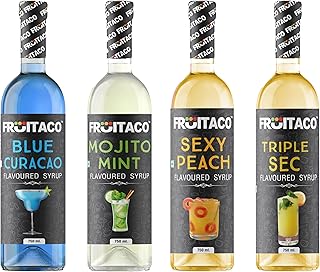


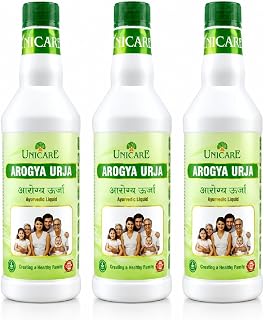


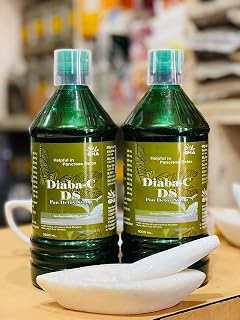


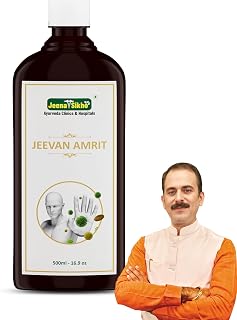




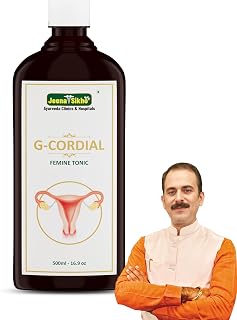


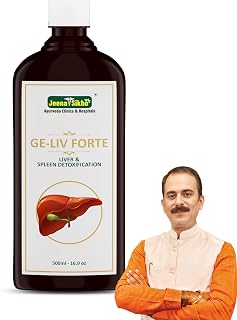


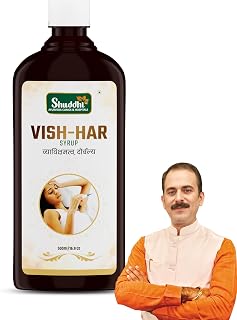

If you are comparing the best arista, arishta, asava, and traditional Ayurvedic syrup-style formulations available in India in 2026, the most important step is to identify what type of product you actually need. These products are not interchangeable: an Abhayarishta intended within an Ayurvedic digestive-care context is very different from an Ashwagandharishta, Arjunarishta, Draksharishta, or a conventional herbal cough syrup.
The word “syrup” is also used broadly in online marketplaces. Some products are traditional fermented Ayurvedic preparations, while others are non-fermented herbal liquids, tonics, sharbat-style preparations, or proprietary formulations. That distinction matters when comparing ingredients, intended use, alcohol content, dosage instructions, storage requirements, and suitability for different consumers.
For an Indian buyer, a useful shortlist should therefore be based on formulation transparency, manufacturer information, packaging, ingredient disclosure, intended use, dosage directions, quality controls, and whether the product is appropriate for the person taking it rather than simply on popularity or price.
In Ayurveda, an Arishta or Arista is a fermented liquid preparation made from herbal ingredients. Asava and Arishta formulations occupy a distinct category within Ayurvedic dosage forms and should not automatically be treated as ordinary sweet syrups.
The fermentation process is an important consideration because these formulations can contain self-generated alcohol. Indian regulations specifically address labelling, packing, and alcohol limits for Ayurvedic, Siddha, and Unani medicines, and the Central Drugs Standard Control Organisation identifies separate regulatory provisions for Asava and Arista preparations. :contentReference[oaicite:0]{index=0}
This is one reason buyers should read the complete product label instead of assuming that a product described as “herbal syrup” is alcohol-free.
Consequently, two bottles that both appear under the “syrup” category can have very different formulations and intended purposes.
The best choice is not necessarily the product with the highest star rating or the lowest price. A better approach is to compare the formulation against your specific requirement and then verify the product information on the current package.
First identify why you are considering the product. Common categories include digestive formulations, general Ayurvedic tonics, respiratory herbal preparations, women's wellness formulations, men's wellness formulations, and traditional formulations used under practitioner guidance.
Do not select an Arishta simply because a product listing describes it as “good for health.” Traditional formulations can have specific indications, ingredients, and dosage instructions, and those details should be considered before purchase.
Ingredient transparency is one of the strongest buying criteria for herbal products. Look for the complete formulation rather than relying on a product title or a short list of highlighted ingredients.
Pay attention to botanical names where they are provided, plant parts, extracts or decoctions, sweetening ingredients, preservatives, excipients, and any other substances declared on the packaging.
Indian Ayurvedic drug rules also contain requirements concerning labelling of preservatives and colouring agents, making the actual package label more useful than a simplified marketplace description. :contentReference[oaicite:1]{index=1}
A trustworthy product listing should make it possible to identify the manufacturer or marketer and understand what formulation is being sold. Avoid products where the seller provides little meaningful information about the source, composition, or intended use.
Established Ayurvedic companies such as Dabur, Baidyanath, Zandu, Kerala Ayurveda, Sri Sri Tattva, and Arya Vaidya Sala are examples of brands consumers may encounter while comparing Ayurvedic formulations. Brand recognition should still be treated as only one part of the evaluation: always check the specific product, current packaging, formulation, and manufacturer details.
Dosage should never be copied from another product merely because two formulations appear similar. The appropriate amount can vary according to the formulation, concentration, age group, intended use, and professional advice.
Government Ayurvedic treatment guidelines illustrate that different Arishta preparations can have different recommended doses and usage contexts. :contentReference[oaicite:2]{index=2}
For consumer purchases, follow the dosage printed on the current product label or the advice of a qualified healthcare or Ayurvedic professional. Do not increase the dose because you believe a larger quantity will produce faster results.
This is particularly important when comparing Arishta and Asava preparations. Fermentation can result in self-generated alcohol, so these products should not automatically be assumed to be alcohol-free merely because they contain herbs.
Anyone who must avoid alcohol for personal, medical, religious, recovery-related, medication-related, pregnancy-related, or other reasons should check the specific product information and seek professional advice before using a fermented formulation.
Always inspect the bottle or outer packaging before purchasing. Useful information can include the batch number, manufacturing date, expiry or best-before information where applicable, manufacturer details, net quantity, licence information, storage instructions, and dosage directions.
Indian drug regulations specify a shelf life framework for Ayurvedic dosage forms, including a ten-year shelf life provision for Asava and Arista medicines unless otherwise determined on the basis of scientific data. This does not mean an individual bottle should be used indefinitely: consumers should follow the expiry information printed on the particular product. :contentReference[oaicite:3]{index=3}
Abhayarishta is a traditional Ayurvedic fermented formulation commonly associated with digestive and bowel-related use in Ayurvedic practice. Buyers considering it should compare the exact formulation, manufacturer, dosage instructions, and intended use rather than selecting solely on the product name.
It is particularly important to distinguish a traditional Abhayarishta from a generic “constipation syrup,” because the formulations and directions can be substantially different.
Ashwagandharishta is a traditional Ayurvedic fermented preparation containing Ashwagandha among its ingredients. It is often marketed in the broader wellness and vitality category.
When comparing different versions, examine the complete ingredient list, manufacturer, concentration or formulation details, dosage directions, bottle size, and any warnings. Do not assume that every product carrying the same traditional name has identical supporting ingredients or manufacturing specifications.
Arjunarishta is traditionally associated with formulations containing Arjuna. Because products in this category may be purchased specifically for cardiovascular-related wellness, buyers should exercise additional caution with self-medication.
Anyone taking prescription medicines or managing a diagnosed cardiovascular condition should discuss the product with an appropriately qualified healthcare professional rather than replacing prescribed treatment with an Ayurvedic preparation.
Draksharishta is another traditional fermented Ayurvedic formulation. The presence of a fruit-derived ingredient in the name should not lead buyers to treat it as an ordinary fruit syrup or health drink.
Compare the actual composition and label directions before purchasing, especially when searching online where product titles can be shortened or inaccurately categorised.
Ashokarishta is traditionally associated with women's wellness within Ayurvedic practice. Product selection should focus on the formulation and intended use rather than broad claims about hormonal balance or other medical conditions.
Persistent, severe, unusual, or unexplained symptoms require appropriate medical evaluation. An Ayurvedic product should not be used as a substitute for diagnosis when a medical condition may be present.
Balarishta is a traditional Ayurvedic preparation that appears in the Arishta category. As with other fermented formulations, consumers should verify the label, ingredients, dosage, age suitability, and alcohol-related information before use.
Indian Ayurvedic retailers commonly list numerous formulations under Aristas and Asavas, including Amritharishta, Aravindasava, Chandanasava, Dashamoolarishta, Kutajarishta, and other traditional preparations. Current catalogues demonstrate that the category is broad rather than representing a single type of product. :contentReference[oaicite:4]{index=4}
That variety makes a purpose-first buying process much more reliable than searching for a generic “best Ayurvedic syrup.”
For commercial comparison, the following specifications provide more useful information than star ratings alone.
“Natural” is not a sufficient quality standard. Herbal medicines contain biologically active substances, and the Ministry of Ayush's pharmacovigilance programme specifically warns against the assumption that natural products are automatically safe. It also highlights the importance of monitoring adverse effects and safety concerns associated with traditional medicines. :contentReference[oaicite:5]{index=5}
This makes formulation transparency particularly important. A good buying guide should distinguish between a product having plant-based ingredients and a product having appropriate manufacturing, labelling, dosage information, and suitability for a particular consumer.
Brand comparison can simplify the buying process, but it should be performed at the individual product level.
Dabur is a widely recognised Indian consumer health and Ayurveda brand. When comparing a Dabur product with another brand, examine the exact formulation and current label rather than assuming the larger brand automatically makes a better choice.
Baidyanath is another established name in Ayurvedic products. Its presence in the market can make it useful as a comparison point, but the same ingredient, dosage, or formulation should still be checked against competing products.
Zandu is a familiar Ayurvedic brand with a broad product portfolio. Buyers should compare the individual formulation, intended use, ingredients, dosage and packaging rather than selecting solely because of brand familiarity.
Kerala Ayurveda is another established Ayurvedic brand encountered in Indian product searches. Its Aristas and Asavas range provides examples of how traditional formulations can be offered in modern retail packaging. :contentReference[oaicite:6]{index=6}
Sri Sri Tattva also offers Ayurvedic formulations, including products in the Arishta category. Buyers should still evaluate each product independently and verify the current packaging information.
Ratings can provide useful consumer feedback, but they do not establish that a product is appropriate for a particular health concern. A product can have positive customer feedback while still being unsuitable for a specific individual.
Highlighted ingredients are not the same as the complete formulation. Read the package and product description carefully before buying.
This is particularly risky when the product is an Arishta or Asava. Fermented Ayurvedic preparations can contain self-generated alcohol, so the product category matters.
Do not copy dosage instructions from another bottle, website, video, or family member. Follow the specific product label and professional guidance where appropriate.
When purchasing online, examine the seller information, packaging images, manufacturer details, batch information, and customer feedback. Be cautious if the listing uses exaggerated medical claims or provides little information about the actual formulation.
Traditional Ayurvedic use and modern clinical evidence are not interchangeable concepts. Product descriptions should not be interpreted as proof that an herbal formulation can diagnose, cure, or replace treatment for a medical condition.
When two products appear to perform the same function, use a structured comparison rather than choosing immediately based on price.
Liquid herbal products require careful attention to packaging because leakage, contamination, incorrect storage, or damaged seals can affect the condition of the product.
Ayurvedic and herbal products deserve the same careful approach to medicine safety as other health products. The Ministry of Ayush's pharmacovigilance programme exists specifically to improve monitoring of adverse effects and consumer safety and notes that problems can emerge when traditional medicines are used by people with other diseases or alongside other treatments. :contentReference[oaicite:7]{index=7}
Before using a medicinal Ayurvedic liquid, consider speaking with a qualified healthcare professional if you are pregnant or breastfeeding, giving the product to a child, managing a chronic illness, taking prescription medicines, have known allergies, need to avoid alcohol, or are considering the product for a significant or persistent symptom.
Do not stop prescribed medication simply because an online listing describes an Ayurvedic or herbal product as “natural,” “powerful,” “detoxifying,” or “chemical-free.”
Not necessarily. Price can reflect bottle size, brand positioning, formulation complexity, packaging, retailer margins, or other commercial factors. A higher price by itself does not establish superior effectiveness or suitability.
A more meaningful comparison is the cost relative to the actual serving size, formulation transparency, manufacturer information, packaging quality, and whether the product fits your specific requirements.
Customer reviews are most useful for practical purchasing information. Look for repeated comments about bottle leakage, packaging condition, taste, consistency, ease of measuring the dose, delivery condition, and whether the received product matched the listing.
Be more cautious with reviews that claim a product cured a serious disease or produced guaranteed medical results. Individual experiences cannot establish that a product is medically effective for everyone.
Consumers can compare products through established online pharmacies, recognised Ayurvedic retailers, major marketplaces, and authorised brand channels. Before placing an order, compare the exact formulation and verify the seller information rather than relying only on the product title.
For marketplace purchases, check whether the listing identifies the manufacturer, formulation, quantity, ingredients, dosage, and current packaging. It is also sensible to compare the same product across more than one reputable retailer when prices or product information differ significantly.
For Indian consumers comparing Arista and Ayurvedic syrup products in 2026, the strongest approach is to choose by purpose first, formulation second, safety third, manufacturer fourth, and price last.
A practical shortlist should contain products whose labels are easy to verify, whose manufacturers are identifiable, whose ingredients are clearly disclosed, and whose intended use matches the buyer's requirement. Current customer feedback can then be used to evaluate purchasing experience and packaging, while professional advice should be prioritised for medical decisions.
There is no single best formulation for every person. The right choice depends on the intended purpose, formulation, ingredients, dosage, suitability, and professional guidance where necessary. Compare the exact product rather than selecting solely from a generic “top 10” ranking.
No. “Syrup” is a broad description of a liquid dosage or commercial format, whereas Arishta refers to a traditional fermented Ayurvedic preparation. A product marketed as a syrup may therefore have very different characteristics from an Arishta.
Traditional Arishta and Asava preparations involve fermentation and can contain self-generated alcohol. The exact characteristics depend on the formulation, so consumers should check the current product label and relevant manufacturer information. Indian regulations specifically address alcohol in Ayurvedic medicines. :contentReference[oaicite:8]{index=8}
Do not assume that an Ayurvedic syrup is automatically suitable for children. Check the specific product label and seek advice from a qualified healthcare professional, particularly for medicinal formulations or fermented preparations.
No. “Natural” does not mean risk-free. The Ministry of Ayush's pharmacovigilance initiative specifically addresses adverse effects and safety concerns associated with traditional medicines. :contentReference[oaicite:9]{index=9}
Compare the individual products rather than the brands in general. Look at the formulation, ingredient list, dosage, manufacturer information, packaging, intended use, warnings, and current price. A familiar brand name is useful for identification but does not eliminate the need to inspect the specific product.
Reviews can help assess packaging, taste, seller reliability, and consistency, but they should not be treated as clinical evidence. Give greater weight to transparent product information and appropriate professional guidance when the product is being considered for a health condition.
Look for a clearly identified manufacturer, complete ingredient information, dosage directions, quantity, batch and expiry information, appropriate warnings, storage instructions, and clear product photographs. Avoid listings dominated by exaggerated claims while providing little formulation information.
Cost per serving is generally more informative. Two bottles can have very different quantities or recommended serving sizes, so comparing only the sticker price can produce a misleading result.
The strongest way to choose among the best Arista, Arishta, Asava, and herbal syrup products in India is to move beyond generic rankings. Start with the purpose of the formulation, verify the exact ingredients, understand whether it is fermented, check the label and manufacturer, compare dosage and bottle size, and review practical customer feedback before purchasing.
Traditional Ayurvedic products can be valuable components of an informed wellness routine, but they should not be selected solely because they are described as natural or because a product page makes strong health claims. A careful buyer checks the formulation and label, considers individual suitability, and seeks qualified professional advice when medicines, pregnancy, childhood use, chronic conditions, or significant symptoms are involved.
For an August 2026 comparison, always verify the current product page and physical packaging before purchase because ingredients, packaging, sellers, prices, availability, and product listings can change during the year.