

♥ Wishlist
Compare 47 verified Herbal Aloe Vera Juice for Everyday Wellness products in India. Reviews, ratings, pros, cons and buying advice updated for September 2026.


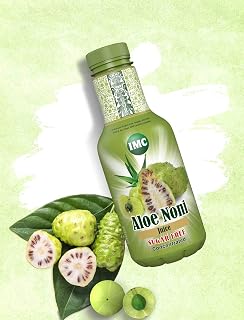


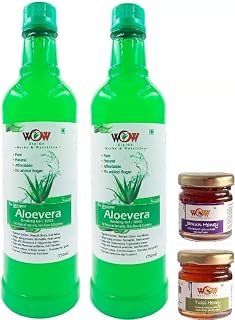


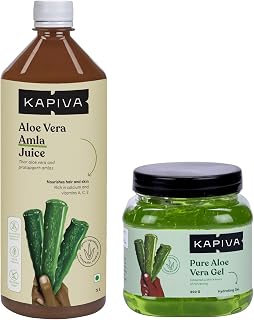


Choosing an aloe vera juice is not simply a matter of picking the bottle with the highest rating or the lowest price. Products sold in India can differ considerably in aloe vera concentration, processing method, ingredient lists, flavouring, preservatives, serving size, packaging and intended use. A careful comparison helps you distinguish a straightforward aloe vera beverage from products that contain substantial amounts of sweeteners, added flavours or other herbal ingredients.
For shoppers comparing the best herbal aloe vera juice products in 2026, the most useful approach is to evaluate the complete label rather than relying on marketing claims alone. Look at the ingredient list, nutrition information, recommended serving, manufacturing details, storage instructions and the manufacturer's stated product specifications. Customer reviews can provide useful information about taste, packaging and convenience, but they should be considered alongside objective product information.
A good buying decision starts with understanding what is actually inside the bottle. Aloe vera juice products may be sold as plain aloe vera juice, aloe vera beverages, concentrated preparations, herbal blends or flavoured drinks. These categories are not necessarily interchangeable.
The terms “aloe vera juice” and “aloe vera drink” are often used broadly in the Indian market, but shoppers should still inspect the formulation. A beverage can contain aloe vera along with water, sweeteners, flavours and other ingredients. Another product may be positioned as a more concentrated preparation or herbal formulation.
Do not assume that a product described as “pure,” “natural,” “herbal” or “organic” is automatically better suited to your needs. Those words can describe positioning rather than provide a complete picture of the formulation. The ingredient list and product specifications are more useful for comparison.
Aloe vera products may use different parts or forms of the plant, and processing can influence the final composition. Labels may refer to aloe vera juice, aloe vera leaf juice, aloe vera gel, inner-leaf material or concentrated aloe vera ingredients. These descriptions should not automatically be treated as equivalent.
Shoppers should also pay attention to whether a product is a single-ingredient preparation or a multi-herb formula. Herbal combinations may be attractive to consumers who specifically want a blended formulation, while shoppers seeking a simpler product may prefer fewer ingredients.
Aloe leaves contain different components, and commercial processing is designed to separate and prepare the desired material for consumption. Some products specifically describe their aloe source or processing approach on the label. When comparing products, use this information to understand what you are purchasing rather than assuming that every aloe vera juice has the same composition.
The ingredient list is one of the fastest ways to compare competing products. If two bottles have similar front-label claims but one contains several sweeteners, flavours and additional ingredients while the other has a simpler formulation, the products may offer very different purchasing propositions.
Commercial aloe vera beverages can involve harvesting, extraction, filtration, processing, formulation, filling and packaging. The exact process varies by manufacturer. Processing may be used to achieve a consistent texture, taste, shelf life and appearance.
Consumers should avoid assuming that a particular processing method is automatically superior in every situation. A better comparison is whether the manufacturer provides clear information about the product, whether the formulation matches your preferences and whether the finished product is properly labelled and packaged.
Freshly prepared aloe products and commercially packaged aloe vera beverages are different propositions. Packaged products offer convenience, consistent serving sizes and longer storage under their stated conditions. Fresh preparations require greater attention to preparation, cleanliness, storage and appropriate handling.
For a convenient everyday purchase, a packaged product may be easier to evaluate because its ingredients, nutrition information, manufacturer details and storage instructions are presented on the label. Consumers preparing aloe products at home should not assume that fresh automatically means safer or more suitable.
India's market includes products from established herbal companies, specialist wellness brands, pharmaceutical-adjacent manufacturers and smaller sellers. Availability and pricing can vary by city, retailer and online marketplace. For that reason, compare the current product listing and packaging information before purchasing.
Never rely exclusively on the front of the bottle. The back label can reveal added sugar, sweeteners, acidity regulators, preservatives, flavours, colours or additional herbs that are not obvious from the product name.
A larger bottle is not necessarily better value. Calculate how many recommended servings the package provides and compare similar products on a per-serving basis. This is particularly useful when one product is sold in a concentrated format and another is ready to drink.
Sweetness can substantially affect the nutritional profile of an aloe beverage. If you are specifically looking for a low-sugar option, compare nutrition panels rather than relying on terms such as “natural” or “wellness drink.”
Storage requirements can differ between unopened and opened products. Follow the manufacturer's instructions, especially after opening. Refrigeration requirements, recommended consumption periods and exposure to heat can affect product quality.
When purchasing online, inspect the product information and packaging photographs carefully. On delivery, check the seal, label condition, expiry information and any visible signs of leakage or damage before using the product.
Consumers researching aloe vera juice in India may encounter established names such as Patanjali, Dabur, Baidyanath, Kapiva, WOW Skin Science, Neuherbs and HealthKart, among others. Product formulations can change, so the brand name alone should not determine the final choice.
When comparing products from these or other brands, check the current ingredient panel, serving information, package size, manufacturer details and current customer feedback. A familiar brand can make product identification easier, but the specific formulation is still what matters.
If you are creating a shortlist of ten products, use the same criteria for every candidate. Consistent comparison prevents a product with attractive marketing from receiving an unfair advantage over a product with better specifications.
Customer reviews can be useful, but they are most valuable when interpreted carefully. Taste is subjective, and expectations can differ substantially between consumers. A review saying that a drink is “too bitter” may simply indicate that the person expected a sweet beverage.
Look for repeated observations across many reviews rather than relying on one extremely positive or negative comment. Practical feedback about bottle leakage, packaging, flavour, texture, seal quality and ease of use can be particularly useful when objective specifications do not address those issues.
A five-star rating does not tell you whether the formulation matches your requirements. A product can receive positive ratings because consumers enjoy its flavour or packaging while still being unsuitable for someone seeking a different ingredient profile.
Concentration figures can be presented in different ways, especially when ingredients are concentrated before being reconstituted. Compare the manufacturer's explanation and the finished product information rather than assuming that the largest percentage printed on a label represents the most useful comparison.
Some aloe beverages are formulated to taste pleasant and may contain sweeteners or sugar. If sugar intake matters to you, this should be one of the first numbers you compare.
A beverage and a supplement can have different formulations, serving instructions and intended uses. Do not assume that a drink provides the same concentration or purpose as a specialised supplement.
Brands may sell multiple aloe products with similar packaging. Flavoured versions, sugar-free variants, concentrated products and herbal blends can have materially different ingredient lists.
Prioritise products with a short, clearly explained ingredient list. Compare the stated aloe ingredient with any added sweeteners, flavours and preservatives.
Examine every herb included in the formulation and confirm that the product description clearly states the quantities or relevant formulation details where available. A longer ingredient list is not automatically a better formulation.
Compare cost per serving instead of bottle price. A smaller bottle may be inexpensive initially but provide fewer servings. Conversely, a larger package is not necessarily economical if you will not use it before the recommended post-opening period.
Start by comparing a small number of products with transparent labels. Taste, sweetness and texture can vary, so purchasing the smallest practical package can reduce the risk of being left with a product you do not enjoy.
When researching products on Amazon India or another trusted retailer, begin with the manufacturer's product information and then cross-check the retailer's current listing. Pay attention to the exact product name, package size, flavour and variant because similar products can appear together in search results.
Correct storage is an important part of purchasing any packaged beverage. Always follow the instructions printed by the manufacturer. Unopened products may have different storage requirements from opened bottles.
Aloe vera products should not be treated as universally appropriate for everyone. Different formulations can contain different aloe components and additional herbs or ingredients. People who are pregnant or breastfeeding, children, older adults, or anyone taking prescription medicines should seek appropriate professional advice before using an aloe product when there is uncertainty about suitability.
Consumers with an existing medical condition or those taking medicines should not use aloe vera juice as a substitute for medical treatment. If a product causes an unexpected reaction, discontinue use and seek appropriate medical advice.
Particular caution is warranted with products marketed using strong detox, cleansing, laxative or disease-treatment claims. Such claims should not be interpreted as evidence that the product can diagnose, treat or prevent a medical condition.
Detox terminology is common in wellness marketing, but consumers should distinguish marketing language from established medical treatment. The body's normal organs already perform physiological processes involved in metabolism and elimination. A beverage should not be purchased on the assumption that it can cleanse the body of unspecified toxins or replace medical care.
If a product is marketed around detoxification, inspect the complete formulation carefully. Additional herbs can change the product's characteristics and may be relevant to people taking medicines or managing health conditions.
There is no single daily routine that applies to every aloe vera beverage. Products differ in formulation, concentration, serving instructions and intended use. Follow the specific manufacturer's directions rather than assuming that a general internet recommendation applies to every product.
If you are considering regular consumption, particularly for an extended period, review the formulation and discuss it with a qualified healthcare professional when you have medical concerns, take medicines or have other reasons to be cautious about herbal products.
A useful buying guide should help shoppers make a decision even when product rankings change. Rather than treating a ranking as permanent, use a repeatable evaluation framework: formulation, transparency, nutrition, serving size, packaging, storage, value and current customer feedback.
This approach is particularly important in 2026 because marketplace listings, package sizes, product variants and prices can change. A product that appears in a “top 10” list should still be checked against its current product page and label before purchase.
There is no single best product for every consumer. The right choice depends on your preferred formulation, aloe content, sweetness, additional ingredients, serving size, budget and intended use. Compare current labels and product specifications before deciding.
Patanjali is one of the established herbal brands consumers may encounter when comparing aloe vera products in India. Whether a particular Patanjali aloe vera product suits you depends on its current formulation, ingredients, serving instructions and your preferences. Check the specific variant rather than judging it solely by brand reputation.
Dabur is another well-known Indian consumer health and herbal brand. A specific Dabur aloe vera product should be evaluated using the same criteria as competing products: ingredient list, aloe content, nutrition information, serving size, packaging and current customer feedback.
If you prefer a simpler formulation, a product with fewer additional ingredients may be more appropriate. However, “pure” should not be interpreted solely from the front-label wording. Check the complete ingredient list and manufacturer's product information.
Some products contain sugar or other sweeteners, while others may be formulated differently. Always check the nutrition panel and ingredient list of the exact product you are considering.
Storage instructions vary by product. Follow the manufacturer's label, including any refrigeration requirement and recommended period for consumption after opening.
No. Ratings are useful for understanding general customer sentiment, but they do not replace ingredient, nutrition, serving-size and manufacturer information.
Not necessarily. Compare the number of servings and cost per serving. Also consider how quickly you can reasonably consume the product after opening according to its storage instructions.
Not inherently. A herbal blend may suit someone who specifically wants its additional ingredients, while another consumer may prefer a simpler formula. Compare the complete ingredient lists and serving instructions.
Online shopping can make it easier to compare multiple products, but check the exact variant, current seller information, packaging, expiry details and customer feedback. Always inspect the product when it arrives.
The best herbal aloe vera juice is not necessarily the product with the most impressive front-label claims. A stronger purchasing decision comes from comparing the formulation, ingredient transparency, aloe content, sugar level, serving size, packaging, storage requirements, manufacturer information and current customer feedback.
For shoppers in India, brands such as Patanjali, Dabur, Baidyanath, Kapiva, WOW Skin Science, Neuherbs and HealthKart can provide useful starting points for comparison, but the exact product variant should always be checked before purchase. Product formulas, package sizes, sellers and prices can change during the year.
Use this guide as a framework for commercial comparison rather than as a substitute for reading the current label. Before ordering, verify the latest specifications, customer feedback, seller information and price so that your final choice reflects the product actually being offered in August 2026.