

♥ Wishlist
Compare 44 verified Blood Improvement Products for Everyday Wellness products in India. Reviews, ratings, pros, cons and buying advice updated for September 2026.


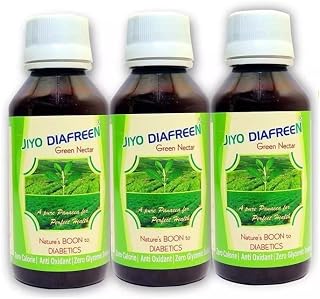


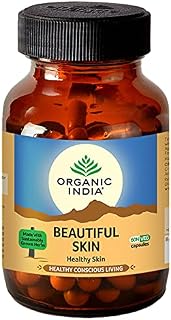


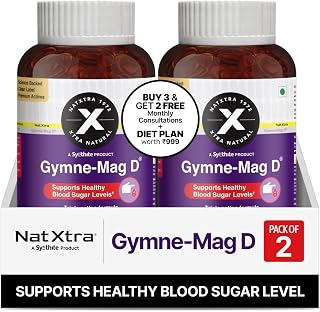


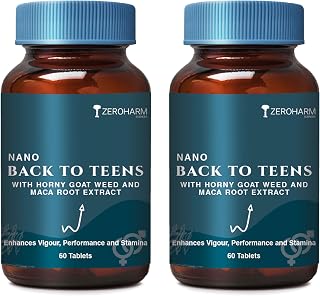








Choosing a product marketed for “blood improvement” requires more than comparing ratings, capsule counts, or attractive health claims. In India, products in this category can include iron supplements, iron with folic acid, vitamin B12 supplements, multivitamins containing iron, folate-focused formulas, and herbal or plant-based nutritional products. These products are not interchangeable because different nutrient deficiencies and medical conditions can produce similar symptoms.
Anaemia is not a single nutritional problem. According to the World Health Organization, it can result from iron deficiency, deficiencies of folate or vitamin B12, infections, inflammation, chronic diseases, blood loss, pregnancy-related factors, or inherited blood disorders. Iron deficiency is the most common nutritional cause, but taking iron is not automatically the correct solution for every person experiencing tiredness or weakness.
The phrase “blood improvement” is commonly used in product marketing, but it is not a precise medical diagnosis. A useful buying guide should therefore focus on the nutritional or physiological role of the ingredients rather than assuming that one supplement can improve every blood-related concern.
For example, iron is required for haemoglobin production, while vitamin B12 and folate are involved in normal red blood cell formation. A product containing one of these nutrients may be relevant when an individual has inadequate intake or a diagnosed deficiency, but the appropriate product depends on the underlying reason for the problem.
This distinction is especially important when shopping online. A product may have thousands of customer ratings and still be unsuitable for someone whose symptoms have a different cause. Customer feedback can help evaluate packaging, ease of use, tablet size, taste, or overall purchasing experience, but reviews cannot establish whether a supplement is medically appropriate for a particular individual.
Iron supplements are among the most relevant products to consider when iron deficiency has been identified or when a qualified healthcare professional recommends iron supplementation. Iron contributes to haemoglobin formation and oxygen transport.
When comparing iron products, look beyond the large number displayed on the front of the package. The important information includes the chemical form of iron, the amount of elemental iron supplied, serving size, directions, and any warnings. Different forms can vary in tolerability and formulation, so a higher labelled amount is not automatically a better choice.
Combination products containing iron and folic acid are widely available in India. They may be useful in circumstances where both nutrients are appropriate, but the presence of two ingredients does not mean the formula is suitable for everyone.
Compare the amount of each nutrient, recommended serving, intended user group, and product directions. Pregnancy, heavy menstrual bleeding, restricted diets, and certain medical conditions can change nutritional requirements, so people in these situations should follow professional advice rather than selecting a product solely from online reviews.
Vitamin B12 is important for normal red blood cell formation and neurological function. B12 supplements may be relevant for people with inadequate intake or an identified deficiency. They are available in several formulations, including tablets, capsules, and other dosage forms.
When comparing B12 products, check the amount per serving, form of B12, serving instructions, manufacturer information, and whether the product is intended as a standalone supplement or part of a broader multivitamin. A B12 product should not be assumed to correct anaemia caused by iron deficiency.
Folate is another nutrient involved in normal red blood cell production. Products containing folic acid or other folate forms can therefore appear in blood-health supplement categories. However, supplementation should be considered in the context of the person's overall nutritional needs.
People who are pregnant, planning pregnancy, taking medications, or managing a diagnosed deficiency should obtain appropriate professional guidance about the amount and form required. Avoid choosing a high-dose product simply because a larger number appears more effective.
Some multivitamins combine iron with several vitamins and minerals. These can be convenient when a broader nutritional supplement is appropriate, but they can also make comparison more complicated because the formula may contain nutrients that an individual does not need.
Read the complete Supplement Facts or nutrition panel rather than focusing on the front label. Compare iron, folate, vitamin B12, vitamin C, and other relevant nutrients across products, while also checking serving size and recommended daily use.
A reliable comparison begins with the complete ingredient declaration. For blood-health products, check the amount of elemental iron where applicable, vitamin B12, folate or folic acid, and other vitamins or minerals included in the formulation.
Online listings can emphasize phrases such as “complete blood support,” “energy,” “haemoglobin support,” or “natural formula.” These descriptions should be checked against the actual label. Look for a complete ingredient list, serving size, directions, warnings, manufacturer details, batch information where applicable, storage instructions, and expiry information.
Also check whether the listing is for the exact product and package size being reviewed. Online marketplaces can contain multiple sellers, changing prices, different pack sizes, or updated formulations. Comparing the current label with the product information at the time of purchase can prevent confusion.
Supplements should not automatically replace a balanced diet. Iron can be obtained from foods such as legumes, leafy vegetables, fortified foods, and animal-derived foods, while vitamin B12 is naturally concentrated in animal-derived foods and is also available through fortified products. Folate is present in a range of vegetables, legumes, fruits, and fortified foods.
Dietary needs vary according to age, pregnancy status, dietary pattern, absorption, medical conditions, and other factors. If deficiency is suspected, identifying the cause is more useful than simply adding several supplements at the same time.
Customer reviews can provide practical information, but they should be interpreted carefully. Reviews may help you understand tablet size, taste, packaging, ease of swallowing, delivery condition, or whether a product caused noticeable digestive discomfort. They cannot confirm whether a supplement corrected a nutrient deficiency.
Iron is important, but more iron is not automatically better. Unnecessary supplementation can cause side effects and may be inappropriate for some people. Where anaemia or deficiency is suspected, professional evaluation can help identify the cause.
Anaemia can have nutritional, inflammatory, chronic-disease, blood-loss, inherited, or other causes. A supplement designed around iron may not address a problem caused by vitamin B12 deficiency or another condition.
Combining a multivitamin, iron supplement, and additional mineral products can unintentionally increase total intake. Check all labels before combining supplements and follow professional advice where appropriate.
Natural or herbal does not automatically mean clinically effective, risk-free, or appropriate for everyone. Compare the complete formulation and the intended use instead of relying on a single marketing phrase.
Persistent fatigue, weakness, breathlessness, dizziness, pale skin, rapid heartbeat, unusual bleeding, or other concerning symptoms should not automatically be treated with an online supplement. These symptoms can have several causes, and a healthcare professional may recommend an examination or blood tests to determine the underlying issue.
People with known anaemia, chronic illness, pregnancy, significant blood loss, gastrointestinal problems, or a history of nutrient deficiency should use supplements according to appropriate medical or nutritional guidance. Children should also receive age-appropriate advice before using iron or other concentrated supplements.
The cheapest product is not necessarily the best value, and a higher price does not establish superior effectiveness. Compare the quantity, serving size, nutrient amounts, formulation, directions, manufacturer information, and intended purpose.
There is no universally best blood improvement product for every person in India. The appropriate choice depends on the nutrient involved, dietary needs, age, health circumstances, and whether a deficiency has actually been identified.
A useful buying decision therefore asks five questions: What problem am I trying to address? Which nutrient or product category is relevant? What does the complete label contain? Is the product appropriate for my circumstances? And does the evidence support the claims being made?
There is no single best product for everyone. Iron, vitamin B12, folate, and combination products serve different nutritional purposes. The appropriate option depends on the underlying need.
Iron supplementation can help when iron deficiency is contributing to low haemoglobin, but it is not appropriate for every type of anaemia. The underlying cause should be considered before relying on iron supplements.
Vitamin B12 is required for normal red blood cell formation and can be important when deficiency is present. It does not replace iron when iron deficiency is the underlying problem.
Evidence varies substantially between ingredients and finished products. Herbal or plant-based positioning should not by itself be interpreted as proof that a product can treat anaemia or another blood disorder.
Check the nutrient amounts in both products before combining them. A multivitamin may already contain iron or other overlapping nutrients, so unnecessary duplication should be avoided.
Use the product according to its directions or professional advice. The appropriate duration depends on the nutrient, reason for supplementation, response, and whether the underlying cause has been addressed.
Not every case requires the same testing, but unexplained or persistent symptoms should not be treated solely through self-selection of supplements. A qualified healthcare professional can determine whether evaluation or testing is appropriate.
Check the exact product name, nutrient amounts, serving size, complete ingredient list, manufacturer details, directions, warnings, package size, expiry information, seller information, and current customer feedback.
Blood-health supplements vary substantially in ingredients, purpose, dosage, and evidence. This guide is intended to support informed product comparison in India, not to diagnose anaemia or replace individualized medical advice. Product labels, formulations, retailer information, and availability can change, so the exact product information should be checked at the time of purchase. Medical treatment and supplementation decisions should be discussed with an appropriately qualified healthcare professional when a deficiency, anaemia, pregnancy, chronic condition, or persistent symptoms are involved.