

♥ Wishlist
Compare 49 verified Peppermint Essential Oil for Everyday Wellness & Personal Care products in India. Reviews, ratings, pros, cons and buying advice updated for September 2026.


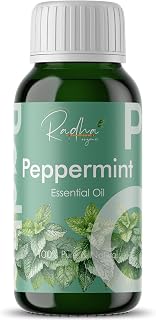


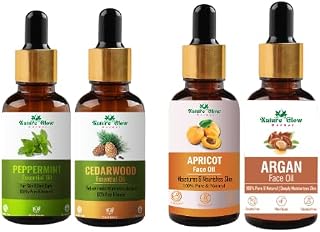


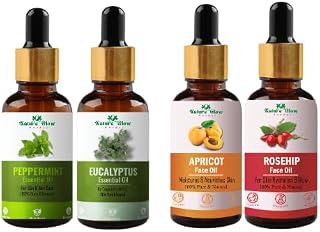
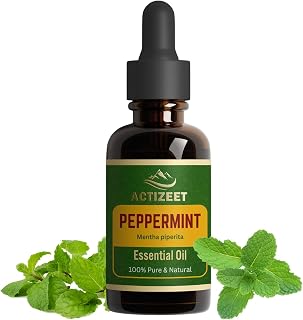


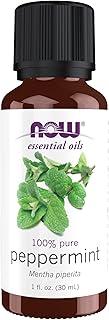


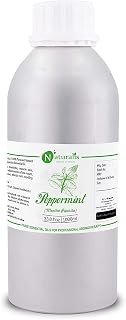


Peppermint essential oil is a concentrated aromatic oil valued for its fresh, cooling fragrance and versatile use in home aromatherapy, personal-care routines and selected DIY applications. However, products sold under the same peppermint essential oil label can differ considerably in botanical source, extraction method, concentration, packaging, aroma profile and intended use. For shoppers in India, comparing these details is more useful than choosing solely on bottle size, price or the number of positive customer reviews.
This guide is designed to help you compare peppermint essential oil products available in the Indian market and identify the characteristics that matter before buying. Brands commonly encountered in the category include Moksha Lifestyle, Deve Herbes, Aroma Treasures, Soulflower, Rey Naturals, WishCare, Organix Mantra, Nature's Tattva and similar specialist aromatherapy brands. Product formulations and availability can change, so always check the current product label, specifications, ingredients and customer feedback before purchasing.
Peppermint essential oil is a volatile aromatic oil obtained from peppermint plant material. Mentha piperita is the botanical name most commonly associated with true peppermint. Its characteristic aroma is fresh, minty and cooling, largely associated with naturally occurring aromatic constituents such as menthol and menthone.
The term “essential oil” does not automatically mean that every product labelled peppermint oil is identical. A bottle can contain undiluted essential oil, a carrier-oil dilution, a fragrance preparation or a blend containing peppermint alongside other ingredients. These products can be useful for different purposes, but they should not be compared as if they were interchangeable.
One of the most important buying distinctions is between an essential oil and a fragrance oil. Essential oil is derived from plant material through an extraction process, whereas fragrance oils may contain aromatic compounds that are formulated to reproduce or modify a particular scent. A strong mint smell by itself does not prove that a product is a genuine essential oil.
When comparing products, read the ingredient information rather than relying on phrases such as “premium fragrance,” “mint aroma” or “long-lasting scent.” If your intended use specifically requires an essential oil, choose a product whose description and ingredient information clearly identify it as peppermint essential oil.
A botanical name gives shoppers a more precise way to distinguish plant materials. For peppermint, Mentha piperita is an important identifier. This is especially useful when shopping online because common names can be used inconsistently across product categories.
Botanical identification does not by itself guarantee superior quality. It is one part of a broader evaluation that should also include ingredients, extraction information, packaging, manufacturer information and appropriate directions for use.
Steam distillation is a common method for obtaining essential oils from aromatic plant material. During the process, steam passes through plant material and helps carry volatile aromatic compounds into a collection system, where the aromatic oil is separated from the condensed water.
For consumers, the key point is not to treat an extraction method as a standalone guarantee of quality. A reputable product should still provide sufficiently clear information about the botanical material, ingredients and intended application.
There is no single visual test that can reliably establish whether an essential oil is high quality. A more useful approach is to evaluate several pieces of information together.
The ingredient information should make it reasonably clear whether you are buying peppermint essential oil alone or a prepared blend. If a product is diluted, the carrier ingredient should be identifiable. This distinction matters because a 10 ml bottle of pure essential oil and a 10 ml bottle containing a small proportion of peppermint oil in a carrier oil are very different products.
A clearly stated botanical name is useful because it reduces ambiguity around the plant being used. For peppermint products, Mentha piperita is the key botanical reference shoppers will commonly encounter.
Essential oils contain volatile compounds that can be affected by environmental conditions. Dark or amber glass packaging is commonly used to reduce light exposure. A secure cap and controlled dispensing mechanism can also make everyday use more convenient.
Look for a clearly identified manufacturer or responsible company, product instructions and appropriate safety information. A product listing that provides little information beyond a product name and attractive marketing claims deserves more scrutiny than one with transparent specifications.
Customer reviews can help identify practical issues such as leakage, damaged packaging, inconsistent dispensing, inaccurate bottle size or an aroma that differs from expectations. Reviews should not, however, be treated as laboratory evidence of purity or therapeutic effectiveness.
Essential oils are highly concentrated aromatic substances. More oil is not necessarily better, and using a larger quantity can increase the likelihood of skin irritation or other unwanted effects. When an essential oil is intended for topical use, dilution in an appropriate carrier oil is generally an important consideration.
Common carrier oils include coconut oil, jojoba oil, sweet almond oil and fractionated coconut oil. The appropriate dilution depends on the intended application, the user's circumstances and the specific essential oil. Always follow the manufacturer's directions and use conservative amounts when there is uncertainty.
Peppermint essential oil should not be treated like an ordinary edible mint flavouring or household liquid. Essential oils are concentrated substances, and inappropriate use can cause irritation or other adverse reactions.
Peppermint is particularly popular for its strong, fresh aroma. In aromatherapy, it may be used in a diffuser according to the diffuser manufacturer's instructions and the essential-oil manufacturer's recommendations.
When choosing an oil primarily for diffusion, aroma quality and dispensing control become especially important. A bottle that allows precise drops can be more practical than one that releases too much oil at once. Stronger aroma does not automatically mean better quality, so shoppers should avoid judging a product solely by intensity.
Peppermint essential oil is frequently included in DIY projects such as scented blends, selected cosmetic formulations and household fragrance preparations. If using it in a homemade formulation, consider the complete ingredient system rather than adding essential oil arbitrarily.
For cosmetic applications, compatibility with the finished formulation, appropriate dilution and safe handling are important. Essential oils should not be assumed to be suitable for every skin-care formula simply because they are plant-derived.
Peppermint oil is often marketed for hair and scalp applications because of its cooling sensation and characteristic aroma. Marketing claims around hair growth, hair fall reduction or scalp treatment should be evaluated carefully rather than accepted solely because the product is natural.
If using peppermint oil as part of a scalp routine, it should generally be appropriately diluted and used according to reliable product directions. Stop using it if significant irritation occurs. People with persistent scalp problems should consider professional medical advice rather than relying on essential oils alone.
Peppermint can be incorporated into massage blends when properly diluted in a suitable carrier oil. Because concentrated peppermint oil can produce a pronounced cooling sensation, using more than necessary can make the experience uncomfortable rather than beneficial.
For massage use, compare products based on purity information, dispensing control, packaging and compatibility with your chosen carrier oil. A pure essential oil provides flexibility for dilution, while a pre-diluted massage preparation may be more convenient for shoppers who do not want to formulate their own blend.
The fresh mint character of peppermint makes it popular for home fragrance applications. It can be combined with complementary aromatic oils such as lavender, eucalyptus, lemon or rosemary depending on the desired scent profile and product guidance.
When blending oils, introduce small quantities gradually. Peppermint has a pronounced aroma and can easily dominate a mixture. The goal should be a balanced fragrance rather than simply maximizing the amount of peppermint oil.
A larger bottle does not automatically represent better value. Essential oils are concentrated, so the useful comparison is the amount of usable product relative to the total price and the intended frequency of use.
For occasional diffusion or DIY projects, a small bottle may be sufficient. Frequent users may prefer a larger size, provided the oil can be stored properly and used before its quality noticeably declines. Buying excessive quantities can be counterproductive if the bottle remains open for a long period.
Packaging deserves more attention than it receives in many essential-oil buying decisions. Glass is widely used for essential oils because it offers a stable container for concentrated aromatic substances and can provide better protection against certain interactions than unsuitable plastics.
Amber or dark-coloured glass can also help limit exposure to light. A well-designed closure is equally important because repeated air exposure can contribute to oxidation over time.
An orifice reducer is a small insert that controls how quickly liquid leaves the bottle. This can make essential-oil use more precise, particularly when recipes or applications call for only a few drops.
Without controlled dispensing, users may accidentally release substantially more oil than intended. For concentrated products, precision is a practical quality-of-use feature rather than merely a packaging detail.
Indian shoppers will encounter products from both specialist aromatherapy companies and broader natural-personal-care brands. Examples that may appear in the category include Soulflower, Moksha Lifestyle, Aroma Treasures, Deve Herbes, Rey Naturals, Organix Mantra, Nature's Tattva and WishCare. Availability, formulations, pack sizes and seller information can vary over time.
Rather than selecting a brand purely because it is familiar, compare the specific bottle. A brand may offer several peppermint products with different concentrations, blends or intended uses. The product-level specification is therefore more important than the brand name alone.
A simple comparison framework can prevent many common buying mistakes. Start with the product type, then evaluate the ingredient information, botanical identity, packaging and intended use. After that, consider bottle size, dispensing design, seller reliability and current customer feedback.
Prioritize clear ingredient information, a recognizable peppermint aroma, controlled dispensing and suitable packaging. If you plan to use a diffuser regularly, calculate approximate usage rather than choosing solely on bottle size.
Look for clearly described essential oil rather than a pre-scented fragrance product. Check whether the manufacturer provides relevant usage guidance and consider how the oil will interact with the rest of your formulation.
A smaller bottle may be more sensible. Occasional users should consider storage life, frequency of use and whether the bottle can realistically be finished while the oil remains in good condition.
Compare cost per millilitre, packaging quality and dispensing consistency. A slightly more expensive bottle may be preferable if the product information is significantly clearer and the packaging makes controlled use easier.
Price alone tells you very little about the contents. An unusually cheap product may be a diluted preparation, fragrance oil or simply a smaller quantity than expected. Compare the complete specification before deciding.
Natural substances can still be highly concentrated and irritating. Essential oils should be handled according to their intended application and safety guidance.
A mint-scented product may smell convincing without being a pure peppermint essential oil. Check the ingredients and product description.
Packaging affects storage and usability. A poorly controlled cap or transparent container can be less convenient for long-term essential-oil use.
Reviews are useful for practical observations but cannot establish chemical purity. Use them alongside manufacturer specifications and ingredient information.
Essential oils are concentrated, so many households do not need large quantities. A smaller bottle can make more sense for infrequent use and can reduce unnecessary long-term storage.
Customer feedback is most useful when it describes observable product characteristics. Look for comments about bottle leakage, cap design, aroma, packaging damage, dispensing and whether the delivered product matched the listing.
Be more cautious with reviews that make strong medical claims without explaining how those conclusions were reached. Individual experiences are not equivalent to controlled evidence, and essential-oil products should not be selected on unsupported health claims.
A higher price can sometimes reflect better packaging, clearer sourcing information, more detailed specifications or a specialist formulation. It does not automatically prove that one essential oil is chemically superior to another.
Likewise, a low price is not necessarily a sign of poor quality. The better approach is to compare like-for-like products based on bottle size, ingredient composition, packaging and intended use. Check today's price and seller information before making a purchase because online pricing can change frequently.
Proper storage helps protect volatile aromatic products from unnecessary deterioration. Keep the bottle tightly closed when not in use and store it in a cool, dry location away from direct sunlight and excessive heat.
There is no single best bottle for every shopper. The right choice depends on whether you need peppermint oil for diffusion, DIY use, massage or another application. Compare botanical identification, ingredient transparency, packaging, dispensing control, intended use and current customer feedback.
It depends on how you plan to use it. Pure essential oil provides flexibility because it can be diluted according to the intended application. A pre-diluted product may be more convenient for users who want a ready-to-use preparation. Always check the formulation before buying.
The botanical name commonly associated with true peppermint is Mentha piperita.
No. Essential oil is obtained from plant material, while fragrance oil is a formulated aromatic product that may contain synthetic or other fragrance ingredients. Always check the ingredient information when the distinction matters.
Concentrated essential oils can cause irritation and are not automatically suitable for direct application. Follow the manufacturer's directions and use an appropriate dilution for topical applications when recommended.
Peppermint essential oil is commonly used for aromatic diffusion. Follow the diffuser manufacturer's instructions and the essential-oil manufacturer's recommended quantity and safety guidance.
Keep it tightly closed in a cool, dry place away from direct sunlight and excessive heat. Dark glass packaging can help limit light exposure.
Shelf life varies according to the product, packaging and storage conditions. Check the manufacturer's batch, expiry or recommended-use information rather than assuming every bottle has the same lifespan.
Not necessarily. Aroma intensity can vary because of concentration, composition and other factors. Quality should be assessed using multiple characteristics rather than scent strength alone.
Choose according to your expected usage. A 10 ml bottle can be practical for occasional use, while frequent users may prefer a larger quantity. Avoid buying more than you can reasonably use and store properly.
No. Ratings can help identify recurring practical issues, but they cannot independently verify purity, botanical identity or chemical composition. Combine review information with the product's specifications and ingredient details.
Depending on current availability, shoppers may compare brands such as Soulflower, Moksha Lifestyle, Aroma Treasures, Deve Herbes, Rey Naturals, Organix Mantra, Nature's Tattva and WishCare. Compare the individual product specifications rather than assuming every product from a brand is identical.
The best peppermint essential oil purchase is not necessarily the most expensive, the largest bottle or the product with the highest number of reviews. A stronger buying decision comes from matching the formulation and packaging to your intended use.
For most shoppers, the key checks are straightforward: verify the botanical identity, confirm the ingredient list, distinguish essential oil from fragrance oil, examine the bottle and dispensing system, read the manufacturer's safety instructions and compare current customer feedback. Then compare today's price and seller information across trusted retailers before ordering.
For Indian consumers shopping in August 2026, product availability, seller listings, pack sizes and prices may change. Treat the product page as the final source for current commercial details and use this guide as a framework for comparing the underlying characteristics that matter.