

♥ Wishlist
Compare 53 verified Lavender Essential Oil for Everyday Aromatherapy & Personal Care products in India. Reviews, ratings, pros, cons and buying advice updated for September 2026.


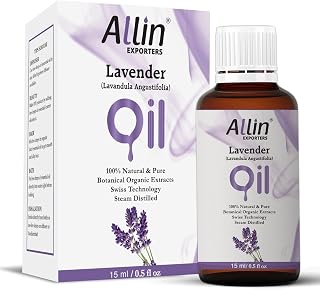


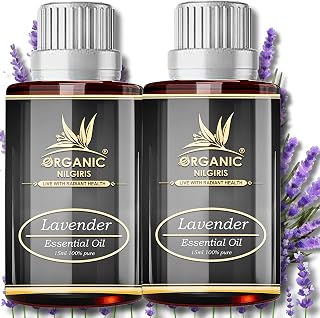


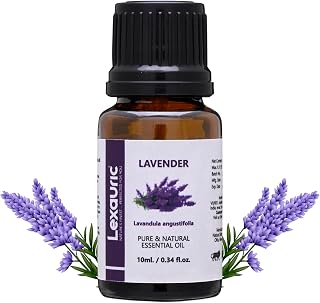


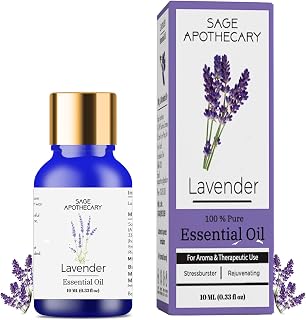


Choosing a lavender essential oil is not simply a matter of picking the bottle with the highest rating or the lowest price. Product quality can vary considerably according to the botanical source, plant species, extraction method, concentration, packaging, storage conditions and the transparency of the manufacturer. For shoppers in India, it is also important to consider whether the product is intended for aromatherapy, diffuser use, topical application after appropriate dilution, cosmetic formulation or another specific purpose.
A useful buying decision starts by matching the oil to its intended use. A product marketed primarily for fragrance may not have the same documentation or formulation considerations as an essential oil intended for aromatherapy or cosmetic use. Likewise, a bottle labelled simply “lavender oil” does not automatically tell you which lavender species was used or whether the contents are pure essential oil.
“Lavender” describes a group of plants rather than one universally identical raw material. Different Lavandula species and varieties can produce oils with different aromatic characteristics and chemical compositions. This is one reason botanical naming is more useful than relying on the front label alone.
Lavandula angustifolia is commonly referred to as true lavender or English lavender. It is one of the most familiar botanical identities associated with traditional lavender essential oil. Its aroma is often described as floral, soft, herbaceous and relatively balanced.
For shoppers seeking a classic lavender aroma for a diffuser or personal aromatherapy routine, checking whether a product identifies Lavandula angustifolia can be a useful starting point. It should not, however, be interpreted as an automatic guarantee of superior quality because overall quality also depends on cultivation, harvesting, distillation, storage and product handling.
Lavandula latifolia, sometimes known as spike lavender, produces an essential oil with a profile that differs from traditional true lavender. It can have a sharper, more pronounced herbal or camphoraceous character.
This distinction matters when comparing products because two bottles labelled “lavender essential oil” can smell noticeably different while both accurately identify their botanical source.
Lavandin is generally associated with hybrids involving lavender species. Lavandin oils can have a stronger, more assertive aroma and are widely used in fragrance and related applications. They should not automatically be treated as interchangeable with Lavandula angustifolia.
If your priority is a particular scent profile, botanical identification becomes a meaningful comparison criterion rather than a technical detail to ignore.
One of the most important distinctions for first-time buyers is the difference between an essential oil and a fragrance oil. These terms should not be treated as interchangeable.
An essential oil is a concentrated aromatic material obtained from plant material through an extraction process such as steam distillation or another appropriate method. A fragrance oil may contain synthetic aromatic compounds, essential oils, isolates, carrier materials or other ingredients depending on the formulation.
Fragrance oils can be entirely appropriate for certain scenting applications, but someone specifically searching for lavender essential oil should read the ingredient information carefully. A product that primarily promises a “lavender fragrance” is not necessarily equivalent to a single botanical essential oil.
A good label should allow you to identify what you are purchasing without requiring guesswork. The front of the bottle may use attractive phrases such as “premium,” “natural,” “pure,” or “therapeutic,” but these marketing terms should not replace the underlying product information.
The botanical name is one of the most useful pieces of information on the label. “Lavender” alone is less specific than an identification such as Lavandula angustifolia. If the product provides no botanical identity, shoppers have less information with which to compare oils from different sources.
The origin of the plant material can be useful contextual information. Lavender is cultivated in multiple regions around the world, and origin can influence agricultural practices and aromatic characteristics. However, country of origin should not be treated as a standalone quality guarantee.
Steam distillation is commonly associated with lavender essential oil production. A transparent product description may identify the extraction process and plant material used. If extraction information is absent, that does not automatically mean the product is poor, but it gives you less information for comparison.
Common bottle sizes include small quantities intended for occasional personal use as well as larger formats. Compare the cost per millilitre rather than comparing the headline bottle price alone. A larger bottle is not automatically better value if you use essential oil infrequently and the product spends a long time exposed to repeated opening.
Essential oils are concentrated aromatic substances, and appropriate storage is important for preserving their characteristics. Packaging should therefore be considered part of the buying decision rather than merely an aesthetic feature.
Amber or other dark-coloured glass can help limit exposure to light. Clear glass may provide a more attractive visual presentation, but it offers less protection from light unless the bottle is kept inside suitable protective packaging.
Glass is commonly preferred for storing concentrated essential oils because some aromatic compounds can interact with certain plastics. If you are comparing otherwise similar products, a well-sealed glass bottle is generally a sensible packaging characteristic to look for.
The dispensing mechanism affects convenience and waste. A controlled reducer can make it easier to dispense small amounts, which is useful when following a dilution formula. A bottle that releases large quantities with each pour can make accurate measurement more difficult.
Diffusion is one of the most common reasons people purchase lavender essential oil. A diffuser disperses aromatic material into the surrounding environment, creating a scented atmosphere without requiring the oil to be applied directly to the skin.
When selecting oil specifically for diffusion, aroma quality and personal preference are often more important than claims about extraordinary health effects. Consider whether you prefer a soft floral lavender, a sharper herbal profile or a stronger fragrance.
For bedroom use, shoppers often prefer a softer aroma that does not feel overpowering. Because scent perception is highly individual, the “best” lavender oil for one person may not be the best for another. Starting with a small quantity and following the diffuser manufacturer's instructions is a sensible approach.
Room size, diffuser design, ventilation and the amount of oil used can all influence how strongly an aroma is perceived. Buying a more concentrated or expensive bottle does not necessarily mean that you should use more oil. Follow the instructions provided by the diffuser manufacturer and the essential oil manufacturer.
Topical application requires more caution than simply diffusing an aroma. Essential oils are concentrated materials and should not automatically be applied directly to the skin.
For topical use, many consumers dilute essential oils with an appropriate carrier oil. Common carrier oils include jojoba oil, sweet almond oil and fractionated coconut oil, depending on the intended application and individual considerations.
Dilution reduces the concentration of essential oil contacting the skin. The appropriate dilution depends on factors such as the intended use, body area, age and individual sensitivity. Always follow the product manufacturer's safety guidance and use a conservative dilution when appropriate.
A small-area skin test may help identify an individual's sensitivity before broader topical use. However, a patch test cannot guarantee that an allergic or irritating reaction will never occur.
Stop using the product if irritation, burning, rash or another concerning reaction develops. People with known allergies, highly sensitive skin or specific medical concerns should obtain appropriate professional advice before using essential oils topically.
Do not assume that “natural” means suitable for undiluted application. Essential oils are highly concentrated and can cause irritation or sensitisation in some people. Whether a particular product can be used directly should be determined from the manufacturer's instructions and the intended application rather than from general internet advice.
For cosmetic or massage use, dilution in a suitable carrier oil is often the more conservative approach. Avoid using essential oils on broken, irritated or damaged skin unless a qualified professional specifically recommends doing so.
Essential oils should be treated as concentrated products rather than ordinary household fragrances. Good buying guides should therefore discuss safe use alongside product quality.
Lavender oil is frequently included in homemade and commercial hair-care routines because of its aroma and its compatibility with cosmetic formulations. However, shoppers should distinguish cosmetic use from proven treatment of a medical scalp or hair condition.
If you intend to incorporate lavender essential oil into a scalp product, avoid applying concentrated essential oil directly to the scalp without appropriate formulation guidance. A properly formulated cosmetic product can be easier to use because the manufacturer has already considered the concentration and other ingredients.
Lavender essential oil can appear in cosmetic formulations such as facial oils, body oils, soaps and other scented personal-care products. If your primary goal is skincare rather than aromatherapy, a finished cosmetic product may be more convenient than purchasing concentrated essential oil and creating your own formulation.
People with sensitive or reactive skin should be particularly careful with fragranced products. “Natural” does not mean non-irritating, and essential oils contain multiple aromatic compounds that can cause sensitivity in susceptible individuals.
A useful comparison should go beyond star ratings. Customer ratings can help identify recurring usability issues, but they should be interpreted alongside the actual specification.
The cheapest bottle is not always the best-value option. A more useful comparison is the cost per millilitre combined with quality information and intended usage.
For example, if one bottle costs less but contains substantially less oil, the apparent price advantage may disappear after calculating the unit cost. Conversely, buying the largest available bottle simply because the cost per millilitre is lower may not make sense if you only use essential oil occasionally.
Divide the product price by the number of millilitres in the bottle. Then compare the resulting cost per millilitre between products with broadly similar specifications.
Use this calculation alongside quality and packaging considerations rather than treating unit price as the only buying criterion.
Reviews can reveal practical information that specifications cannot, including whether the bottle leaks, whether the aroma matches the buyer's expectations, whether the dispenser is easy to use and whether the packaging survives delivery.
However, reviews can also reflect subjective preferences. A reviewer describing an aroma as “too strong” may simply prefer a softer fragrance. Another customer may regard the same scent as pleasantly intense.
A handful of extreme reviews should not outweigh a broader pattern. Look for recurring themes across many reviews and compare those observations against the manufacturer's stated specifications.
A high rating does not tell you whether the product is the correct botanical type or whether it is appropriate for your intended use. Always inspect the product details.
Natural-origin marketing language is not a substitute for ingredient transparency, botanical identification or sensible safety information.
“Lavender oil” can be used broadly in product descriptions. Check the complete ingredient statement to determine what the product actually contains.
Comparing two products solely by total price can produce misleading conclusions. Calculate the price per millilitre when assessing value.
If you use lavender oil only occasionally, a smaller bottle may be more practical. Essential oils are better stored properly and used thoughtfully rather than purchased in quantities that remain unused for extended periods.
More essential oil does not automatically produce a better experience. Excessive use can make an aroma unpleasant and may increase the risk of irritation in applications involving skin exposure.
The term “pure” is frequently used in essential oil marketing, but consumers should look beyond the word itself. Purity is most useful when supported by clear ingredient information and meaningful quality documentation.
A bottle can be labelled “pure lavender essential oil,” but the buyer should still look for botanical identity, extraction details, batch information and other available specifications. The more transparent the manufacturer is about the product, the easier it becomes to make an informed comparison.
Some essential oil manufacturers provide chromatographic testing information, commonly referred to as GC/MS analysis. Such documentation can provide information about the chemical constituents identified in a particular sample and may assist with quality assessment.
However, shoppers should not treat the presence of a technical report as a guarantee that every aspect of a product is superior. A test report is useful only when the buyer understands what was tested, which batch it represents and what conclusions can reasonably be drawn from it.
Organic certification and essential oil purity address different questions. Organic certification relates to agricultural and processing standards under the applicable certification system, while purity concerns what is actually present in the finished product.
If organic sourcing is important to you, check for a recognised certification and determine what exactly is covered. Do not assume that a product described as “natural,” “herbal” or “chemical-free” has been organically certified.
Single-origin or single-oil products contain lavender as the principal essential oil, while blends combine lavender with other aromatic oils. Neither format is automatically better.
A lavender blend can be attractive if you want a particular fragrance profile or a ready-made aromatherapy combination. A single lavender oil is often easier to evaluate when you want to control exactly which essential oil you are using.
Storage deserves additional attention in a warm climate. Excessive heat, direct sunlight and repeated exposure to air can negatively affect the characteristics of aromatic products over time.
A cool, dry and dark storage location is generally preferable to a bright windowsill or hot bathroom cabinet.
There is no single universal lifespan that applies to every lavender essential oil. Shelf stability depends on factors including the oil's composition, processing, packaging, storage conditions and how frequently the bottle is opened.
Rather than relying solely on a generic number of months or years, pay attention to the manufacturer's stated shelf-life guidance and storage recommendations. Changes in aroma, appearance or other characteristics can also indicate that a product should be reassessed.
These products are fundamentally different. Lavender essential oil is a concentrated aromatic extract, whereas a lavender-infused oil generally refers to a carrier oil in which lavender plant material has been infused.
An infused oil can be suitable for certain cosmetic applications where a milder botanical preparation is desired. It should not be evaluated using exactly the same criteria as a concentrated essential oil.
Beginners generally benefit from a straightforward product with transparent labelling, a manageable bottle size, clear safety instructions and a clearly identified botanical source.
There is little reason for a first-time buyer to purchase an unusually large bottle or a complicated multi-oil collection before understanding how they personally respond to lavender's aroma and how they intend to use it.
For aromatherapy-oriented use, focus on the oil's botanical identity, aroma profile, packaging and manufacturer transparency. If you prefer the familiar soft lavender character, compare products based on the stated Lavandula species and read customer feedback specifically about scent rather than general satisfaction.
Diffusion should always follow the diffuser manufacturer's operating instructions. Use only the amount recommended for the equipment and environment rather than assuming that increasing the quantity produces better results.
Massage applications require appropriate dilution in a carrier oil. A product's suitability should therefore be considered together with its safety instructions and the intended concentration.
If you prefer convenience, a professionally formulated massage or body oil containing lavender may be easier to use than preparing a mixture yourself. If you purchase concentrated essential oil, make sure you understand dilution before applying it to the skin.
DIY users should pay particular attention to ingredient transparency, botanical identity and packaging. The essential oil should be incorporated at a suitable concentration for the finished formulation rather than added by guesswork.
For products intended for the face, children or sensitive skin, a conservative approach is especially important. Formulation errors can result in an unnecessarily high concentration of essential oil even when the individual ingredients themselves are of good quality.
Buying more volume can reduce the unit cost, but the saving is less meaningful if the oil remains unused for a long time.
Online marketplaces can contain highly detailed listings as well as descriptions that provide very little useful information. A strong product listing should allow you to identify the ingredients and intended use without relying on exaggerated promises.
Be cautious when a listing focuses heavily on claims such as “miracle,” “instant cure,” “guaranteed treatment,” or broad medical promises. Essential oils should not be presented as substitutes for appropriate diagnosis or medical treatment.
When building a shortlist, it can be useful to compare established names rather than looking at only one manufacturer. Brands such as Plant Therapy, NOW, Aura Cacia, Edens Garden, doTERRA, Young Living, Soulflower and Moksha can serve as reference points when researching specifications.
The objective is not to assume that one brand is automatically the winner. Product lines can differ within the same company, and formulas, packaging, sizes and market availability can change. Compare the exact product rather than relying on brand reputation alone.
The strongest candidates are not necessarily the products with the longest marketing descriptions. A worthwhile option should make it reasonably easy for a shopper to understand what is inside the bottle, how the oil was produced, how it should be stored and what applications the manufacturer supports.
For most buyers, transparency is more useful than impressive-sounding claims. A clearly labelled lavender essential oil in appropriate packaging, with sensible usage guidance and traceable product information, provides a stronger basis for comparison than an anonymous bottle supported primarily by promotional language.
Start by deciding exactly why you want lavender essential oil. If your goal is simply to enjoy the aroma in a diffuser, scent profile and packaging may be the most important considerations. If you want topical use, dilution guidance and skin-safety information become much more important. If you are formulating cosmetics, botanical identity, ingredient transparency and formulation suitability deserve greater attention.
Once the purpose is clear, narrow the shortlist to products with transparent specifications. Compare bottle size and unit cost, read customer feedback for recurring practical problems, and check the latest listing information before purchasing.
The best option depends on your intended use, preferred aroma, budget and requirements for botanical transparency and testing information. Instead of choosing solely by popularity, compare the exact product specification, ingredients, bottle size, packaging and current customer feedback.
They are different types of products. If you specifically want an essential oil, look for a product clearly identified as an essential oil with transparent botanical and ingredient information. A fragrance oil may be appropriate for other scenting applications but should not automatically be considered equivalent.
Lavandula angustifolia is one botanical species commonly used to produce what consumers recognise as traditional lavender essential oil. Other Lavandula species and hybrids can produce oils with different characteristics.
Do not assume that concentrated lavender essential oil should be used undiluted. Follow the manufacturer's directions and use an appropriate dilution for topical applications when required. Individual sensitivity also needs to be considered.
Lavender essential oil is commonly used for diffusion. Follow the instructions supplied with your diffuser and use only an appropriate amount for the equipment and environment.
Lavender essential oil can be incorporated into hair and scalp cosmetic routines, but concentrated oil should not be treated as an ordinary hair serum. Use appropriate dilution or a professionally formulated product and avoid making unsupported claims about treating medical hair or scalp conditions.
No. Price alone does not establish quality. Compare botanical identity, ingredients, extraction information, packaging, documentation, bottle size and intended use before deciding whether a premium price is justified.
It can be worthwhile if organic sourcing is important to you, but check for appropriate certification rather than relying on general terms such as “natural” or “herbal.” Organic status and essential oil purity address different aspects of a product.
Keep the bottle tightly closed and store it in a cool, dry, dark location away from direct sunlight and excessive heat. Avoid leaving it in hot vehicles or beside heat-producing appliances.
Dark glass is a useful packaging characteristic because it can reduce exposure to light, but it does not by itself prove the quality or purity of the oil. Evaluate the complete product specification.
Calculate the cost per millilitre and compare that figure with products offering similar specifications. Also consider how much oil you are likely to use and whether buying a larger bottle makes practical sense.
Check the botanical name, ingredient list, extraction information, bottle size, packaging, intended use, safety guidance, manufacturer information, batch details where available and recent customer feedback. Also verify the current listing because online product specifications and prices can change.
The best lavender essential oil is the one that matches your intended use while providing enough product information to make a confident comparison. For Indian shoppers, focus on transparent labelling, botanical identity, sensible packaging, appropriate safety guidance and value rather than choosing purely on marketing claims or headline ratings.
If you are comparing several products, create a shortlist and evaluate them using the same criteria: botanical species, ingredients, extraction, bottle size, price per millilitre, packaging, documentation, intended application and customer feedback. This approach makes it much easier to distinguish a genuinely suitable lavender essential oil from a product that simply has attractive packaging or persuasive marketing.
Before completing a purchase, check the latest specifications, current price, seller information, customer reviews and safety instructions on the relevant retailer or marketplace. Product availability, packaging, formulations and pricing can change during 2026, so the most reliable buying decision is always based on the current listing for the exact product you intend to purchase.