

♥ Wishlist
Compare 56 verified Eye Care Products for Everyday Eye Health products in India. Reviews, ratings, pros, cons and buying advice updated for September 2026.

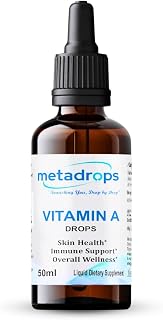








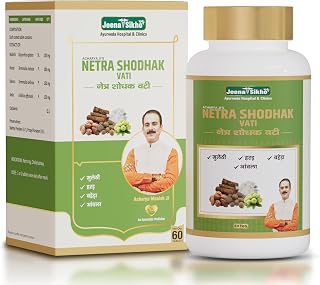

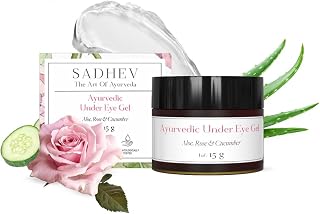


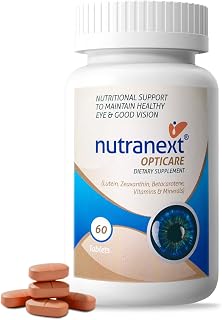


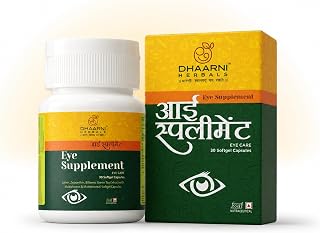


Choosing an eye-care product should start with the problem you are actually trying to address rather than with a product's popularity, ingredient count, or marketing claims. Eye drops, nutritional supplements, lubricating products, protective eyewear, and general eye-health products serve very different purposes. A product that may be appropriate for occasional dryness is not automatically appropriate for redness, allergy symptoms, glaucoma, cataracts, retinal disease, or unexplained changes in vision.
For shoppers in India, the buying decision also involves practical considerations such as ingredient transparency, storage requirements, dosage instructions, packaging integrity, suitability for contact-lens users, manufacturer information, and whether the product is intended for routine wellness or for a diagnosed eye condition. Independent buyers should compare the complete specification rather than relying only on a product title or star rating.
A useful eye-care product should have a clearly defined purpose, transparent ingredients or specifications, appropriate directions for use, and information that allows a consumer to judge whether it matches their needs. For supplements, the form and amount of each active ingredient matter. For eye drops, the active ingredient, preservative system, intended use, container design, and compatibility with contact lenses can all be important.
There is no single product category that is best for every eye-health concern. The most sensible comparison is to match the product type with the intended use.
Lubricating eye drops, often described as artificial tears, are commonly used to relieve symptoms associated with dry eyes. Dry eye can involve insufficient tear production, tears evaporating too quickly, or tears that do not function normally. Symptoms can include a scratchy sensation, burning, redness, light sensitivity, and blurred vision.
When comparing lubricating drops, examine whether they are preservative-free, how frequently they are intended to be used, whether they are compatible with contact lenses, and whether the formulation is designed for occasional or frequent use. Persistent symptoms should not simply be managed indefinitely with increasingly frequent self-treatment without determining the underlying cause.
Eye-health supplements commonly contain nutrients such as lutein, zeaxanthin, vitamins, minerals, or omega-3 fatty acids. However, a supplement containing an eye-health ingredient is not automatically equivalent to a clinically studied formulation.
The AREDS and AREDS2 research is particularly important when evaluating supplements marketed for age-related macular degeneration. Evidence supports specific AREDS formulations for people with certain stages of AMD, rather than general use by everyone. The National Eye Institute notes that AREDS/AREDS2 supplements benefited people with intermediate or late AMD, while they did not benefit people with early AMD or people without AMD.
This distinction is important for Indian consumers because many commercial supplements use the words “eye health,” “vision support,” or “antioxidant support” without being intended to reproduce the studied AREDS2 formulation.
People who spend long periods looking at phones, laptops, tablets, or monitors may experience eye fatigue, dryness, temporary blurred vision, or discomfort. A product may provide symptomatic relief, but buying an eye supplement solely because of heavy screen use is not necessarily justified.
Product selection should be combined with sensible visual habits, appropriate lighting, comfortable screen positioning, regular breaks, adequate sleep, and professional assessment when symptoms persist. Eye drops should be selected according to their intended purpose rather than simply choosing the product advertised most aggressively for “digital eye strain.”
Lutein and zeaxanthin are carotenoids found naturally in the eye and in various foods. They are common ingredients in nutritional products marketed for eye health. Their presence can be relevant when comparing formulations, but the amount, combination of nutrients, and intended purpose should also be examined.
AREDS2 research replaced beta-carotene with lutein and zeaxanthin in the studied formulation. The evidence is specifically relevant to people at risk of progression of AMD and should not be interpreted as proof that any lutein-and-zeaxanthin supplement prevents every form of vision loss.
Vitamin A has an important biological role in normal vision, but more is not necessarily better. Consumers should distinguish between obtaining nutrients through a balanced diet and taking concentrated supplements. High-dose supplementation can be inappropriate for some people and may create avoidable risks.
Vitamins C and E are antioxidant nutrients used in several nutritional formulations. Their relevance to eye health depends heavily on the condition and formulation being considered. For example, the AREDS research used specific high-dose combinations rather than ordinary amounts found in a standard multivitamin.
Zinc is included in AREDS and AREDS2 formulations, with copper included to reduce the risk of zinc-related copper deficiency. This is an example of why copying one ingredient from a clinically studied formula does not necessarily reproduce the intended formulation.
Omega-3 products are frequently promoted for eye comfort and dry-eye support. Research on omega-3 supplementation for dry eye remains mixed, and current evidence is not strong enough to treat every omega-3 eye supplement as a proven solution. NCCIH notes that more research is needed before firm conclusions can be made about omega-3 supplements for dry eye.
Omega-3 should therefore be evaluated as one component of a broader nutritional or eye-care decision rather than as a guaranteed treatment for dry eye or vision problems.
AREDS2 is one of the most important distinctions to understand when comparing eye-health supplements. It is not simply a generic multivitamin with a few extra nutrients. The National Eye Institute identifies a specific formulation containing vitamin C, vitamin E, zinc, copper, lutein, and zeaxanthin.
The clinically studied formulation contains 500 mg vitamin C, 400 IU vitamin E, 80 mg zinc, 2 mg copper, 10 mg lutein, and 2 mg zeaxanthin. These amounts are substantially different from the quantities found in many ordinary multivitamins.
Consumers should not assume that an “eye vitamin” is an AREDS2 product simply because it contains lutein and zeaxanthin. If an ophthalmologist has recommended AREDS2 for a diagnosed condition, compare the actual ingredient amounts rather than relying on the product name.
The original AREDS formulation contained beta-carotene, while AREDS2 removed it and used lutein and zeaxanthin instead. The change is especially relevant to current and former smokers because beta-carotene supplementation has been associated with increased lung-cancer risk in smokers and former smokers.
For this reason, consumers should never assume that an older AREDS-style formula and an AREDS2 formula are interchangeable.
One of the most important distinctions is whether a product is primarily a lubricant or contains an active medicine intended for a particular condition. Lubricating drops may be appropriate for some forms of dry-eye discomfort, whereas medicated drops may be used for specific allergies, inflammation, infection, glaucoma, or other conditions under appropriate professional guidance.
Do not select a medicated eye drop simply because it produces quick relief from redness. Redness can have multiple causes, and masking the symptom does not necessarily address the underlying problem.
Preservative-free formulations can be worth considering for people who need lubricating drops frequently or who are sensitive to preservatives. Single-use vials and multidose preservative-free containers use different packaging approaches, so consumers should compare convenience, contamination precautions, storage instructions, and cost per usable dose.
Contact-lens users should check the product instructions carefully. Not every eye drop is intended to be applied while lenses are being worn. Some products may require lenses to be removed and a specified waiting period before reinsertion.
Thicker lubricating formulations can provide longer-lasting comfort for some users but may temporarily blur vision. A thinner formulation may be more convenient during work or driving. The appropriate choice depends on the individual's symptoms, routine, and professional advice.
Natural and herbal products can be attractive to consumers looking for plant-based approaches, but “natural” does not mean automatically effective or risk-free. Scientific evidence varies considerably among herbal ingredients, and a supplement sold online may differ substantially from a product used in a clinical study.
NCCIH advises that dietary and herbal supplements can differ from products tested in research and may interact with medicines or create risks in certain medical situations.
For an independent buying guide, herbal eye-health products should therefore be judged on ingredient transparency, standardized quantities where applicable, manufacturer information, intended use, safety warnings, and the quality of available evidence—not simply on whether the product is marketed as Ayurvedic, herbal, organic, natural, or plant-based.
A balanced diet is an important part of general health and can provide many nutrients involved in normal eye function. Indian diets can include a wide range of vegetables, fruits, pulses, nuts, seeds, dairy foods, eggs, and other nutrient-dense foods.
Dark green leafy vegetables are particularly relevant when discussing dietary lutein and zeaxanthin. Foods such as spinach and other leafy greens can contribute these carotenoids without requiring a concentrated supplement.
Carrots are commonly associated with eyesight because they contain beta-carotene, which the body can convert to vitamin A. However, eating more carrots than necessary does not provide a simple way to correct every vision problem. Good eye nutrition is better approached as part of an overall balanced eating pattern.
For younger adults, product selection often focuses on dryness, screen-related discomfort, contact-lens use, allergies, and general nutrition. A supplement should not be considered a replacement for an eye examination when there are persistent or unexplained symptoms.
For office workers, students, developers, gamers, and people who spend much of the day on mobile devices, comfort-focused products may be more relevant than high-dose nutritional supplements. Consider screen ergonomics, breaks, sleep, room humidity, lighting, and lubricating drops where appropriate.
Older adults may have a greater need for regular eye examinations because several eye diseases become more common with age. Nutritional supplements should be selected based on individual circumstances and, where relevant, a diagnosed condition rather than age alone.
Contact-lens users should place product compatibility high on the buying checklist. An eye drop that is appropriate for general lubrication may not be designed for application while lenses are in place.
When comparing products on Amazon India or other trusted retailers, look beyond the headline rating. A better comparison considers formulation, intended use, serving size, quantity, ingredient concentration, packaging, manufacturer information, and the type of customer feedback being reported.
Two products can both contain “lutein” while providing very different quantities and combinations. Compare the actual amount per serving and determine whether the product is a general nutritional supplement or a formulation intended for a particular clinical purpose.
A lower sticker price does not necessarily mean a lower ongoing cost. Compare the number of servings, recommended frequency, and total quantity. This is especially useful when comparing bottles with different capsule counts or eye-drop containers with different volumes.
Customer reviews can reveal useful information about packaging, ease of use, taste, tablet size, bottle design, and delivery condition. They should not be treated as medical evidence. Claims such as “my eyesight became perfect” or “this cured my eye disease” are individual anecdotes, not proof of clinical effectiveness.
Check whether the product title, product photographs, ingredient panel, serving instructions, and manufacturer information appear consistent. If important information conflicts across the listing, it is reasonable to investigate further before purchasing.
More vitamins or minerals do not automatically mean better eye support. Some nutrients have upper intake considerations, and concentrated supplements can interact with medicines or create risks in certain circumstances.
A nutritional supplement may support dietary intake without treating an established eye disease. This distinction is particularly important for glaucoma, cataracts, retinal conditions, and significant vision changes.
The presence of lutein and zeaxanthin does not make a product identical to the clinically studied AREDS2 formulation. Compare the complete nutrient profile and amounts.
Redness has many possible causes. A product selected only because it makes eyes look less red may not be appropriate for long-term use or for the underlying condition.
Eye products should be stored and discarded according to their specific instructions. Heat, sunlight, moisture, contamination, and improper closure can affect some products.
Prescription eye drops should not be shared. A medication that was prescribed for one person's condition may be inappropriate for another person's symptoms.
Buying an over-the-counter eye-care product is not the right first step for every symptom. Seek prompt professional evaluation for sudden vision loss, significant or sudden changes in vision, severe eye pain, substantial light sensitivity, a serious eye injury, chemical exposure, new flashes or a large increase in floaters, or other symptoms that appear severe or rapidly worsening.
Persistent dryness, recurring redness, unexplained blurred vision, headaches associated with visual tasks, or symptoms that interfere with everyday activities also warrant appropriate assessment rather than indefinite self-treatment.
Dry eye itself can cause burning, scratchiness, redness, light sensitivity, and blurred vision, and the National Eye Institute notes that comprehensive eye examinations can help evaluate dry eye and other eye problems.
Depending on the product category and availability in India, shoppers may encounter established brands such as Himalaya, HealthKart, Carbamide Forte, TrueBasics, Swisse, NOW Foods, Solgar, Nature Made, and other specialist eye-care or nutritional brands. Brand familiarity should be only one part of the comparison.
For eye drops, consumers may also encounter brands such as Systane, Refresh, and other ophthalmic manufacturers. The most appropriate choice depends on the formulation and intended use rather than brand recognition alone.
For supplements marketed around AMD, consumers should pay particular attention to whether a product actually matches the AREDS2 nutrient profile when an eye-care professional has recommended that specific formulation.
A simple comparison framework can make a large product category easier to navigate. Instead of asking which product has the highest rating, assess each candidate against the same criteria.
Whether an eye supplement is worth buying depends on why you want it. For someone with a documented eye condition for which a specific nutritional formulation has evidence, supplementation may be an important part of a professional treatment plan. For a healthy person simply looking for a general “vision booster,” the decision is less straightforward.
NCCIH emphasizes that evidence differs substantially between eye conditions and supplements. AREDS2 has evidence for slowing progression of certain stages of AMD, while there is not equivalent evidence supporting supplements as treatments for glaucoma or cataracts.
This makes product selection more about matching evidence to need than choosing the supplement with the longest ingredient list.
There is no general rule that herbal products are better than conventional eye-care products. A plant-derived ingredient can be useful, ineffective, or unsuitable depending on the specific application and available evidence.
For an independent comparison, the better question is: What does the product contain, what is it intended to do, what evidence supports that use, and what risks or interactions should be considered?
Consumers should also avoid replacing prescribed treatment with an herbal product solely because it is described as natural. NCCIH specifically advises people not to use unproven approaches in place of conventional treatment for eye conditions.
There is no single best product for everyone. The appropriate choice depends on whether you need lubrication, nutritional support, contact-lens compatibility, allergy-related relief, or support for a diagnosed eye condition. Compare formulation and intended use before comparing brand popularity.
No single supplement can be recommended as the universal best choice for healthy adults. A balanced diet and appropriate eye examinations remain important. Supplements should be considered according to individual nutritional needs and, when applicable, professional advice.
Lutein is a carotenoid found in the eye and is a common ingredient in eye-health supplements. It is also part of the AREDS2 formulation used for certain people with AMD. However, the evidence for a specific supplement depends on the formulation and condition being addressed.
It is not useful to treat lutein and zeaxanthin as competing ingredients in every situation. Both are included in the AREDS2 formulation, and they are commonly combined in eye-health supplements. The appropriate amounts depend on the purpose of the product.
No. AREDS2 was studied for people at specific stages and risk levels of AMD. The National Eye Institute states that the formulation did not benefit people without AMD or people with early AMD. Discuss suitability with an eye-care professional if AMD is involved.
Eye supplements should not be presented as a proven way to prevent or treat cataracts. Current evidence does not support recommending dietary supplements as a treatment for cataracts.
There is no sound basis for treating glaucoma with ordinary vitamin supplements as a replacement for professional management. Current evidence does not support vitamins A, C, and E as a treatment for glaucoma, and early detection and conventional treatment remain important.
Research has produced mixed findings. There is limited evidence suggesting a possible role for omega-3 supplementation in dry-eye management, but more research is needed before firm conclusions can be made.
Preservative-free drops can be useful for some people, particularly those who need frequent lubrication or who are sensitive to preservatives. The best formulation depends on frequency of use, symptoms, contact-lens requirements, and professional advice.
Some lubricating eye drops are designed for regular use, but the appropriate frequency depends on the product and the underlying problem. If you need drops very frequently or symptoms persist despite regular use, an eye-care professional can help identify the cause.
It depends on the formulation and the total amount of overlapping nutrients. AREDS2 contains substantially higher amounts of certain nutrients than ordinary multivitamins, and people should consider their complete supplement intake rather than combining products blindly.
People who currently smoke or previously smoked should discuss the appropriate formulation with their healthcare professional. The older AREDS formulation contains beta-carotene, while AREDS2 replaces beta-carotene with lutein and zeaxanthin because beta-carotene increases lung-cancer risk in smokers and former smokers.
Not necessarily. Eye products are applied directly to a sensitive organ, so sterility, formulation, storage, preservatives, and intended use matter. A natural label does not eliminate the possibility of irritation, contamination, interactions, or inappropriate use.
Consumers should be cautious with claims promising permanent improvement in eyesight. Nutritional products may provide nutrients or have evidence for particular conditions, while lubricating drops may relieve symptoms. Neither category should automatically be expected to correct refractive errors or reverse established eye disease.
The best approach to choosing eye-care products in India in 2026 is to start with the need, verify the formulation, assess the evidence, and then compare value and usability. A product should earn its place in your routine because it fits a clearly defined purpose—not because it has an impressive label or a long list of ingredients.
For general eye wellness, prioritize a balanced diet, healthy lifestyle habits, appropriate eye protection, and regular professional examinations. For dry-eye symptoms, compare lubricating formulations carefully. For nutritional supplements, pay close attention to exact ingredient amounts and avoid assuming that every “eye vitamin” is clinically equivalent to AREDS2. For diagnosed eye disease, use supplements and other products as part of an appropriate professional care plan rather than as a substitute for treatment.
Before purchasing from Amazon India or another trusted retailer, compare the current product specifications, ingredient panel, package size, usage instructions, warnings, recent customer feedback, and current price. Product formulations and availability can change, so verify the latest information at the time of purchase.
This buying guide is intended for general consumer education and product comparison. It is not a diagnosis or a substitute for professional medical advice. Eye symptoms can have many causes, and nutritional supplements or over-the-counter products are not appropriate treatments for every eye condition. If you have significant, persistent, sudden, or worsening visual symptoms, consult a qualified eye-care professional.