

♥ Wishlist
Compare 63 verified Herbal Skin Care Products for Everyday Natural Skincare products in India. Reviews, ratings, pros, cons and buying advice updated for September 2026.
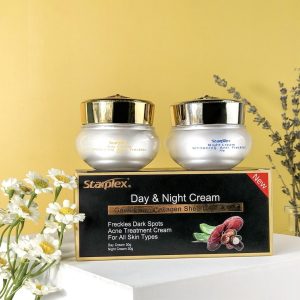
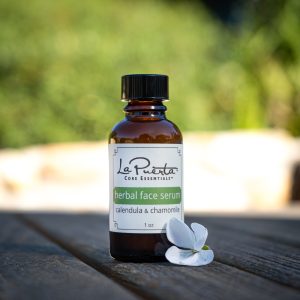


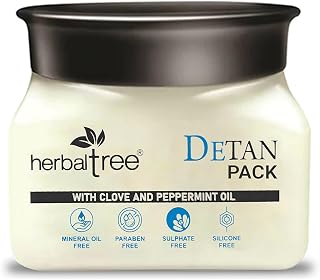


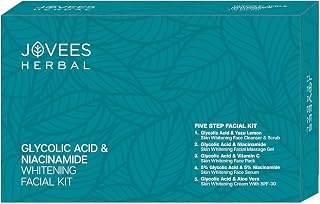


Choosing herbal skin care is not simply a matter of selecting the product with the longest ingredient list or the most attractive natural claim. Skin type, climate, formulation quality, ingredient concentration, fragrance, preservatives, packaging and the specific concern you want to address can all influence whether a product is suitable for you. This is particularly important in India, where skin may be exposed to strong sunlight, heat, humidity, dust, pollution and seasonal changes.
A useful buying decision starts with identifying your primary goal. A person looking for everyday moisturisation may need a very different formulation from someone searching for a face wash for oily skin, a soothing gel for post-sun exposure, an herbal facial cream for dry skin or a botanical product intended for occasional use. The word “herbal” alone does not determine whether a product will work well for a particular skin type.
When comparing herbal skin care products in India, examine the complete ingredient list, product format, intended skin type, directions for use and packaging rather than relying only on marketing claims. Customer feedback can provide useful information about texture, scent, packaging and ease of use, but individual skin reactions vary and reviews should not be treated as proof that a product will produce the same result for everyone.
Herbal skin care generally refers to cosmetic products formulated with plant-derived ingredients such as aloe vera, neem, turmeric, tulsi, rose, green tea, licorice, sandalwood, coconut-derived ingredients and various botanical extracts. Different brands use different definitions of “herbal,” “natural,” “Ayurvedic,” “botanical” and “plant-based,” so these terms should not automatically be considered interchangeable.
A product can contain botanical extracts while also containing conventional cosmetic ingredients such as emulsifiers, stabilisers, preservatives, humectants, silicones or synthetic fragrance components. That is not necessarily a disadvantage. Good formulation depends on stability, safety, compatibility and performance as well as the origin of individual ingredients.
For buyers who specifically want a product with a high proportion of plant-derived ingredients, the ingredient declaration is more informative than the front-label wording. Look for clearly identified botanical ingredients and understand where they appear in the formulation. However, ingredient order alone does not reveal the exact concentration of every ingredient, so it should not be used to make precise claims about potency.
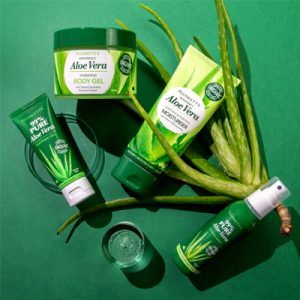
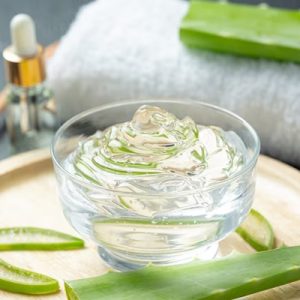
Aloe vera is widely used in gels, moisturisers, cleansers and soothing formulations. It is generally associated with lightweight hydration and a cooling skin-care experience. Aloe-based products can be especially appealing for people who dislike heavy creams, although the complete formulation matters more than the presence of aloe alone.
Neem is a traditional botanical ingredient frequently included in products designed for cleansing and skin that tends to become oily. Neem-based formulations are common in Indian personal care, particularly in face washes, masks and soaps. Buyers with sensitive or easily irritated skin should still assess the complete formula instead of assuming that a traditional ingredient is automatically gentle.
Turmeric is one of the most recognisable Indian botanical ingredients in beauty and personal care. It appears in cleansers, masks, creams and traditional-inspired formulations. Because turmeric products can differ considerably in concentration, colour, fragrance and formulation, the product's full ingredient list should be checked before purchase.
Tulsi, also known as holy basil, is commonly used in botanical skin-care products marketed around cleansing and freshness. It may appear as an extract alongside other plant ingredients. Its presence does not by itself determine whether a formula is appropriate for dry, oily or sensitive skin.
Rose-derived ingredients are frequently used in toners, facial mists, cleansers and creams. Rose water can provide a refreshing cosmetic experience, while rose extracts may be incorporated for botanical positioning. People who are sensitive to fragrance should check the full formula because rose-scented products may contain fragrance components in addition to rose-derived ingredients.
Green tea extract is used in a variety of modern botanical formulations. It is commonly found in lightweight serums, moisturisers, cleansers and products designed for oily or combination skin. As with other botanical extracts, the final performance depends on the entire formulation and not simply the ingredient name on the label.
Licorice extract is frequently included in cosmetic formulations focused on maintaining a more even-looking complexion. Buyers should distinguish between cosmetic appearance claims and medical treatment claims. A skin-care product should not be assumed to treat pigmentation disorders, melasma or other dermatological conditions simply because it contains licorice.
Oily skin usually benefits from products that cleanse effectively without leaving an excessively heavy or greasy finish. Lightweight gels, foaming cleansers and non-heavy moisturising formulations may be more comfortable than rich creams for some people.
When shopping for herbal products for oily skin, pay attention to texture and the overall formula rather than searching only for ingredients described as “oil controlling.” Over-cleansing can leave skin feeling tight and uncomfortable, which is not the same thing as achieving balanced skin care.
Dry skin often requires more attention to moisturisation and barrier-supportive care. Creams, lotions and richer moisturisers may be more suitable than lightweight gels for people whose skin frequently feels tight or rough.
Look for formulations containing moisturising and conditioning ingredients alongside botanical extracts. A product can be marketed as herbal while still being too lightweight for very dry skin, so texture, emollient content and intended use are important comparison factors.
Combination skin can require a compromise between hydration and a comfortable finish. A lightweight moisturiser may work well for the entire face, while richer products can be reserved for areas that become dry.
Rather than purchasing an extremely drying product because the T-zone becomes oily, consider a balanced routine that cleanses gently and provides appropriate moisturisation.
Sensitive skin requires extra caution when trying new botanical products. Natural fragrance, essential oils and multiple plant extracts can still cause irritation in susceptible individuals.
For sensitive skin, simpler formulas are often easier to evaluate because there are fewer variables if irritation occurs. Patch testing according to the product's instructions can help identify obvious sensitivity before broader use, although it cannot guarantee that a product will never cause a reaction.
Normal skin gives buyers greater flexibility, but a simple routine can still be preferable to using numerous products simultaneously. A cleanser, moisturiser and daytime sun-protection product can form a practical foundation, with additional products selected according to individual preferences and concerns.
Climate is an important but frequently overlooked buying factor. A product that feels comfortable during a dry winter may feel too heavy during a humid summer. Conversely, a lightweight gel that works well in hot weather may not provide enough moisturisation during colder months.
During hot and humid conditions, lightweight gels, lotions and fast-absorbing moisturisers may feel more comfortable. Heavy occlusive textures can feel unpleasant for some people, especially when combined with sweating.
Hot, dry conditions can increase the need for comfortable moisturisation. A product should ideally provide hydration without producing a finish that feels excessively greasy or uncomfortable.
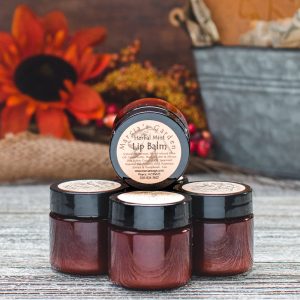
During colder and drier periods, richer moisturisers may become more useful, particularly for people who experience dryness. Lip care and body moisturisation may also need to be adjusted seasonally.
High humidity can influence product feel, sweat and oiliness. Buyers may prefer lighter formulations during monsoon months, but skin type remains more important than the season alone.
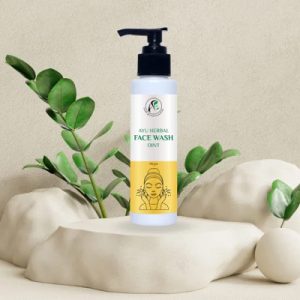
Face washes are primarily cleansing products. When comparing them, consider cleansing strength, texture, fragrance, lather, intended skin type and whether the skin feels excessively tight after use.
Face creams generally focus on moisturisation and conditioning. A suitable cream should match the skin's moisture requirements and the climate in which it will be used.
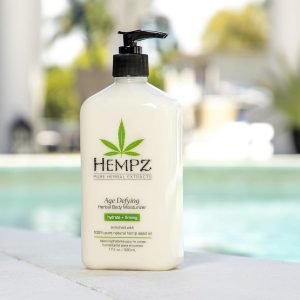
Moisturisers can range from lightweight gels to rich creams. Buyers should compare texture, finish and the balance of humectant, emollient and occlusive ingredients instead of selecting a product solely because it contains botanical extracts.
Face gels are often preferred by people seeking a lightweight feel. Aloe vera and botanical extracts are common in this category. However, a gel is not automatically suitable for every oily or acne-prone user, and the complete ingredient list remains important.
Serums are typically formulated for targeted cosmetic concerns and can contain a higher focus on particular active ingredients. Buyers should distinguish between a botanical serum designed for general skin care and a product containing clinically established cosmetic actives.
Face masks are usually occasional-use products. Clay, botanical powders and plant extracts are common. People with dry or sensitive skin should be cautious with highly absorbent or strongly fragranced masks.
Herbal soaps can contain botanical ingredients while still functioning primarily as cleansing bars. Because traditional soap formulations can be more cleansing than some facial cleansers, users with dry or sensitive facial skin may prefer a product specifically formulated for facial use.
The ingredient list is one of the most useful tools available to a buyer. Instead of focusing on a single highlighted ingredient, examine the formula as a whole.
“Natural” and “herbal” are useful descriptors, but they should not be treated as universal indicators of safety, effectiveness or suitability. Botanical ingredients can be beneficial components of a well-formulated cosmetic, but some plant extracts, essential oils and fragrances may irritate certain individuals.
Likewise, conventional cosmetic ingredients are not automatically undesirable. Preservatives, stabilisers and emulsifiers can serve important formulation purposes. The most useful question is whether the complete product is appropriately formulated for its intended cosmetic use and suitable for the individual consumer.
Fragrance is an important consideration when selecting botanical skin care. Products described as herbal may have strong natural or botanical scents, while others may contain added fragrance to create a particular sensory profile.
If fragrance sensitivity is a concern, compare fragrance-related ingredients carefully and consider simpler products. A pleasant scent may improve the user experience, but fragrance is not necessary for a product to perform its core cleansing or moisturising function.
A meaningful comparison should go beyond brand popularity. Create a shortlist based on the product's actual characteristics and compare products using consistent criteria.
A good herbal skin-care product should have a clear purpose, a formulation appropriate for that purpose, transparent ingredient information and directions that are easy to understand. The product should also fit the user's skin type, preferred texture and routine.
For an independent buying guide, product quality should not be judged exclusively by the number of positive ratings. A highly rated cream may still be unsuitable for someone with oily skin, while a moderately reviewed moisturiser could be a better match for a person who needs a richer texture.
Indian consumers will encounter a wide range of established and specialist brands when comparing herbal and natural personal-care products. Examples include Himalaya, Biotique, Forest Essentials, Khadi Natural, Patanjali, Mamaearth, WOW Skin Science, Lotus Herbals and Just Herbs.
Brand recognition should be treated as one comparison factor rather than a guarantee of suitability. Different brands have different formulations, product categories and positioning, and even products from the same brand can be formulated for very different skin types.
Himalaya offers a broad selection of personal-care products featuring botanical ingredients. When comparing its products, evaluate the specific formulation and intended skin type rather than assuming every product in the range has the same characteristics.
Biotique is widely associated with botanical and Ayurveda-inspired personal-care products. Its range includes different formats, making it useful to compare product purpose, texture, ingredient profile and directions individually.
Forest Essentials occupies a more premium segment of Indian Ayurvedic-inspired beauty. Buyers should pay particular attention to formulation, intended use and product positioning when comparing premium botanical products with more budget-oriented alternatives.
Khadi Natural offers a variety of herbal and botanical personal-care products. Consumers comparing the range should check individual ingredient lists, skin-type recommendations, product format and current packaging information.
Patanjali has a broad presence in India's herbal and Ayurvedic-inspired consumer market. Product selection should still be based on the intended cosmetic function and individual skin requirements rather than brand identity alone.
Mamaearth offers a modern personal-care range that includes products positioned around natural or plant-derived ingredients. Buyers should examine individual formulations because products within a single brand can differ substantially in active ingredients, fragrance and texture.
WOW Skin Science offers a broad range of personal-care and skin-care products. When evaluating individual products, compare the ingredient list, skin-type suitability, product claims and user feedback rather than relying only on the brand's overall positioning.
Lotus Herbals is another established name in Indian herbal and botanical beauty. Its products span multiple categories, so the most relevant comparison points are product function, formulation, texture and suitability for the intended routine.
Just Herbs focuses on Ayurveda-inspired and botanical beauty products. Consumers interested in this category should compare specific formulations carefully, particularly when choosing between products for cleansing, moisturising and targeted cosmetic concerns.
The word “herbal” does not tell you whether the product is moisturising, cleansing, fragranced, lightweight or rich. Always examine the actual product details.
A rich botanical cream may feel comfortable on dry skin but unnecessarily heavy on oily skin. Conversely, a lightweight gel may not provide enough moisture for someone with very dry skin.
Large ingredient lists can look impressive, but complexity does not automatically equal better performance. A well-designed formula with a focused purpose may be more practical than a product containing numerous botanical extracts.
Ratings provide useful context, but they do not account for every skin type. Read reviews for recurring observations about texture, scent, packaging and ease of use, and compare those observations with your own requirements.
A low-priced package may not necessarily offer better value if it contains substantially less product. Compare quantity and expected usage frequency when evaluating overall value.
Introducing several new skin-care products simultaneously makes it difficult to identify which product is responsible for an unwanted reaction or an improvement. A gradual approach can make routine evaluation easier.
Cosmetic products may improve the appearance, feel or hydration of skin, but they should not automatically be treated as substitutes for professional diagnosis or treatment of persistent dermatological problems.
The exact routine can be much simpler than a multi-step regimen. More products do not necessarily mean better skin care, and the best routine is one that is practical enough to use consistently.
Herbal moisturisers, gels, masks and cleansers do not replace dedicated sun protection. People who spend time outdoors should consider a broad-spectrum sunscreen appropriate for their skin type and daily exposure.
This distinction is particularly important when shopping for products marketed around glow, radiance, tanning, pigmentation or complexion enhancement. A cosmetic product that contains botanical extracts should not be assumed to provide adequate UV protection unless it is specifically formulated and labelled as a sunscreen with appropriate protection information.
Men can use the same basic skin-care principles as anyone else. Product selection should be based on skin type and personal preference rather than gender marketing.
For men with oily skin or frequent shaving, a practical routine may prioritise comfortable cleansing and moisturisation. Those with dry or sensitive skin may prefer less aggressive cleansers and richer moisturisers. Products labelled for men are not automatically more effective than comparable products intended for general use.
Young consumers often encounter herbal products marketed for oiliness, freshness and blemish-prone skin. A simple routine is generally easier to manage than a complicated collection of products.
Anyone experiencing persistent, painful, severe or worsening skin problems should consider professional dermatological advice rather than repeatedly switching cosmetic products.
When trying an unfamiliar cosmetic product, follow the manufacturer's usage instructions and consider testing a small area first if appropriate. Stop using a product if significant irritation or an adverse reaction occurs.
Patch testing can reduce uncertainty, but it does not guarantee that a product will be suitable for prolonged or full-face use. People with known allergies or significant skin sensitivity should take particular care when introducing fragranced or multi-botanical formulations.
Packaging can influence convenience and product handling. Pumps and tubes can reduce repeated contact with the contents, while jars require more frequent opening and handling. The choice is not purely cosmetic; it can affect how easy a product is to use consistently.
Store skin-care products according to the manufacturer's instructions. Excessive heat, direct sunlight and unsuitable storage conditions can affect certain formulations. Bathroom humidity may also be undesirable for some products, so the label's storage recommendations should take priority.
Customer reviews can be helpful when used correctly. Instead of looking only at the overall star rating, search for patterns.
Reviews can support a buying decision, but they should complement rather than replace ingredient and product-detail research.
Price is only one part of value. A product that costs less per package may require more frequent application or provide a texture that you do not enjoy using. A more expensive product may also be unnecessary if a simpler formulation meets your needs.
Compare the quantity, recommended usage, product purpose, formulation, packaging and expected frequency of use. For affiliate shopping research, it is also sensible to check the current price across trusted retailers because online prices, discounts and pack sizes can change.
Prioritise a comfortable moisturising formula, appropriate texture and compatibility with your skin type. Botanical extracts can be an additional feature, but the basic moisturising performance remains important.
Look for a lightweight finish and a cleansing routine that does not leave the skin uncomfortably stripped. Gel and lotion textures may be preferable for some users.
Consider richer creams or lotions with ingredients that support moisturisation and reduce the feeling of dryness. A lightweight herbal gel may be insufficient for very dry skin.
Prioritise a straightforward formulation and pay close attention to fragrance and botanical complexity. Introduce one new product at a time where practical.
Botanical gels, facial mists and lightweight cleansers can provide a refreshing sensory experience. However, cooling or refreshing sensations should not be confused with measurable skin benefits.
The choice between herbal and conventional skin care does not have to be treated as an absolute competition. Many modern formulations combine botanical extracts with established cosmetic ingredients to achieve a particular texture, stability and sensory profile.
If your priority is plant-derived ingredients, select products based on their ingredient information. If your priority is a particular cosmetic outcome, compare products based on the ingredients and formulation characteristics most relevant to that outcome. In either case, suitability for your skin remains more important than the marketing category.
Cosmetic buying guides are useful for routine product selection, but persistent or severe skin problems may require professional assessment. Seek appropriate medical advice for symptoms such as significant inflammation, persistent rashes, severe acne, unexplained swelling, painful lesions, recurring allergic reactions or rapidly changing skin concerns.
Do not rely on an herbal cosmetic product as a substitute for diagnosis or treatment when a skin condition requires professional care.
There is no single best herbal skin-care product for every person. The right choice depends on skin type, product purpose, ingredients, texture, fragrance preferences, budget and the climate in which it will be used.
No. A botanical ingredient can be present in products designed for very different skin types. Always check the complete formulation and intended use.
Not automatically. Herbal products can be excellent options when they are well formulated and suitable for the user, but the word “herbal” alone does not establish superior performance.
Yes. Oily skin still needs appropriate moisturisation. Lightweight gels and lotions may be more comfortable than rich creams for some people.
Yes, but a gel may not provide enough moisturisation for very dry skin. Compare the formulation and consider whether a cream or lotion would better match your needs.
Some are designed for regular use, but frequency depends on the specific formulation and your skin. Follow the manufacturer's directions and pay attention to how your skin feels after cleansing.
Sensitive skin can use some botanical formulations, but “herbal” does not guarantee gentleness. Fragrance, essential oils and multiple extracts may be relevant considerations for sensitive users.
Cosmetic products can be formulated to improve the appearance of uneven tone, but consumers should be cautious about claims suggesting that a cosmetic product will remove or medically treat pigmentation. Persistent pigmentation concerns may require professional evaluation.
Some cosmetic products are marketed for blemish-prone or oily skin, but consumers should distinguish cosmetic cleansing or skin-conditioning claims from medical acne treatment. Persistent or severe acne may require professional care.
There is no universal timeframe because different products have different purposes. Cleansing and moisturising characteristics can often be evaluated through immediate use, while appearance-related cosmetic changes may require more consistent use. Follow the product directions and avoid expecting instant results from every formulation.
Online shopping can provide a wide selection and make specification comparisons easier. Before purchasing, check the exact product variant, seller information, package size, ingredient information and current retailer policies.
Higher price does not automatically indicate better suitability or performance. Compare formulation, quantity, intended use, packaging and user requirements rather than price alone.
Aloe vera is widely used in facial products, but suitability depends on the complete formula and individual skin sensitivity. A product containing aloe may also contain fragrance or other ingredients that influence how it feels on the skin.
You can build a routine using multiple products, but introducing too many products at once can make it difficult to identify the cause of irritation. A simple routine is often easier to evaluate and maintain.
The best herbal skin-care purchase is not necessarily the product with the most botanical ingredients, the highest rating or the strongest natural marketing. A better approach is to match the formulation to your skin type, climate, routine and specific cosmetic objective.
For Indian consumers, compare products carefully because the market includes traditional Ayurvedic-inspired formulas, modern botanical cosmetics, premium natural beauty products and budget-friendly herbal options. Check the ingredient list, texture, intended use, fragrance, quantity, packaging and current customer feedback before making a decision.
When comparing products for an affiliate buying guide, treat recommendations as a starting point for research rather than a substitute for individual judgement. Product formulations, packaging, retailer information, customer feedback and prices can change, so check the latest available details before purchasing.
Product selection should remain evidence-aware and user-focused. Customer ratings, retailer listings and product specifications can change over time, particularly during seasonal promotions and marketplace updates. Before purchasing, confirm the current product name, formulation, pack size, seller information, usage directions and other details shown on the retailer or manufacturer's current listing.
This guide is intended for general consumer information and product comparison. It does not replace personalised medical advice, diagnosis or treatment from a qualified healthcare professional.