

♥ Wishlist
Compare 53 verified Lip Care Products for Soft, Smooth & Moisturised Lips products in India. Reviews, ratings, pros, cons and buying advice updated for September 2026.








Choosing a lip care product is not simply a matter of selecting the most popular balm or the product with the highest rating. Lips have a relatively thin protective barrier and can become dry because of weather, dehydration, frequent lip licking, sun exposure, indoor air conditioning, irritating ingredients, or the use of unsuitable cosmetic products. The right choice therefore depends on what your lips actually need: basic moisturisation, protection from sunlight, overnight nourishment, gentle exfoliation, colour, or a combination of these functions.
For shoppers in India, climate is an especially important consideration. Hot weather, strong sunlight, dry winter air, pollution, air-conditioned environments and seasonal changes can all influence how comfortable a lip product feels. A lightweight balm may be preferable during humid conditions, while a richer ointment or overnight lip mask may be more useful when lips are severely dry or exposed to cold, dry air.
The term “lip care” covers several different product categories. Comparing products only by brand or star rating can therefore be misleading because a sunscreen lip balm, tinted balm and intensive overnight treatment are intended for different purposes.
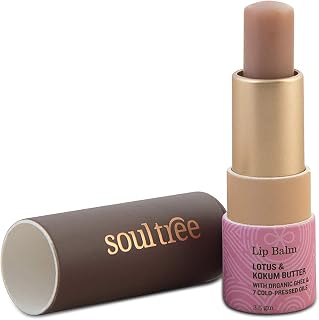
Traditional lip balms are generally designed for convenient daily moisturisation and protection. They are useful for carrying in a handbag, pocket, office drawer or travel kit. When comparing them, examine the ingredient list, texture, fragrance, intended use and whether the formula leaves a protective layer without feeling excessively waxy.
Ointment-style products can form an occlusive layer over the lips, helping reduce moisture loss. Products from established brands such as Vaseline are commonly associated with this type of barrier-focused care. They can be particularly useful when the main issue is dryness rather than the desire for colour or cosmetic shine.
Sun protection is an important consideration because lips receive ultraviolet exposure but are often overlooked when people apply sunscreen elsewhere. An SPF lip balm can combine conditioning with UV protection. Check the packaging for the actual SPF rating, stated protection claims, directions for use and reapplication guidance rather than assuming that every lip balm provides meaningful sun protection.
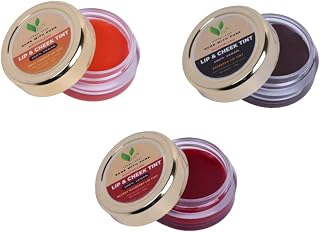
Tinted balms combine conditioning with a cosmetic colour effect. They may suit shoppers who want a more polished appearance without using conventional lipstick. However, a tinted product should still be evaluated for its moisturising performance, comfort and suitability for frequent application rather than choosing solely on shade.
Lip masks are generally richer than everyday balms and are often designed for use at night. Their value lies in prolonged contact and a more substantial coating. They can be considered when a conventional daytime balm does not provide enough comfort during periods of persistent dryness.
Exfoliating products are intended to remove surface flakes and create a smoother feel. They should not automatically be considered essential for healthy lips. Aggressive scrubbing can make already irritated lips feel worse. If a lip scrub is used, gentle application and sensible frequency are more important than choosing a product with a particularly abrasive texture.
Ingredient selection can tell you considerably more about a lip product than marketing language alone. No single ingredient makes a product universally best, but certain categories are useful when assessing what a formula is designed to do.
Occlusive ingredients help create a protective layer that reduces water loss from the surface. Petrolatum is a well-known example. Waxes and certain plant-derived oils or butters can also contribute to the protective characteristics of a balm.
Emollients help improve the feel and flexibility of dry skin by filling spaces between surface cells and making the lips feel smoother. Plant oils, esters, shea butter and other lipid-based ingredients may serve this purpose depending on the formulation.
Humectants attract and retain water. Ingredients such as glycerin can support hydration, although the overall formula matters because hydration and moisture retention are not exactly the same thing. A well-balanced product may combine humectants with emollients and occlusive ingredients.
Natural and herbal lip care products frequently feature ingredients such as coconut oil, almond oil, jojoba oil, castor oil, cocoa butter or shea butter. These can contribute emollience and softness, but “natural” does not automatically mean better for every person. Individual tolerance and the complete formulation remain important.
Vitamin E and other antioxidant ingredients are common in cosmetic lip formulas. They may contribute to formula conditioning and product stability depending on how they are used. Avoid judging a product solely because its packaging highlights one familiar ingredient.
A product can smell pleasant and feel smooth initially while still being unsuitable for sensitive or easily irritated lips. If your lips repeatedly become uncomfortable after using a particular product, consider whether fragrance, flavouring agents or other components could be contributing to the problem.
Natural and herbal positioning is particularly relevant when comparing products for an Indian audience. Ingredients such as aloe vera, coconut oil, shea butter, cocoa butter, calendula, turmeric-derived ingredients and various plant oils may appear in natural lip formulations.
However, ingredient origin should not be confused with performance. A plant-derived ingredient can still irritate an individual, while a laboratory-produced ingredient can be highly useful for protecting a compromised skin barrier. The strongest buying decision is based on the complete formulation, intended function, tolerability and product quality rather than a single “natural” claim.
Ayurvedic or herbal branding can be relevant to shoppers who prefer traditional botanical ingredients. When comparing these products, check the complete ingredient declaration and the product's intended cosmetic use. Marketing claims should not be interpreted as proof that a cosmetic product can diagnose, treat or cure a medical condition.
Lip care should not stop at moisturisation. When lips are regularly exposed to sunlight, an SPF lip product can be an important addition to a daily routine. This is especially relevant in India, where outdoor exposure can occur throughout the year.
When comparing SPF lip balms, check the labelled SPF value, whether the product states broad-spectrum protection, the directions for application and how often the manufacturer recommends reapplication. Eating, drinking, wiping the mouth and prolonged outdoor exposure can reduce the amount of product remaining on the lips.
Texture strongly affects whether a lip product becomes part of your everyday routine. Two formulas can contain similar types of ingredients while feeling completely different on the lips.
There is no single lip-care formula that is ideal for every part of India or every season. Coastal humidity, dry inland conditions, winter weather, high-altitude travel and extensive air-conditioning can all change how lips feel.
During hot and humid conditions, some people prefer lighter textures that do not feel excessively heavy. During dry winter periods, a richer protective formula may be more comfortable. People spending significant time outdoors may prioritise SPF, while those working in air-conditioned offices may prefer a moisturising balm that can be reapplied throughout the day.
When researching products, shoppers may encounter established names such as NIVEA, Vaseline, Himalaya, Biotique, Mamaearth, The Body Shop, Burt’s Bees, Neutrogena and Minimalist. Availability, formulations, packaging and product variants can change, so always compare the current product details rather than assuming that every product under a brand has the same characteristics.
Brand familiarity can be a useful starting point, but it should not replace product-level comparison. A well-known company can offer several lip products with completely different purposes, ingredients, textures and levels of sun protection.
Customer reviews can provide useful information about texture, scent, packaging, ease of application and whether people found a product comfortable for regular use. However, reviews should be treated as one input rather than definitive proof of performance.
A highly rated tinted balm may not be the best choice for someone seeking intensive overnight protection. Ratings are meaningful only when the underlying use case matches yours.
Price does not automatically indicate better moisturisation or protection. Compare formulation, size, ingredients, SPF, intended use and application experience before deciding whether a premium product offers meaningful additional value.
People often remember sunscreen for their face but overlook their lips. If you spend significant time outdoors, SPF can be an important differentiating factor between otherwise similar products.
Repeatedly removing flakes can become counterproductive if the lips are already irritated. A protective moisturising routine is often more appropriate than aggressive exfoliation when the main issue is dryness.
Flavour and fragrance can make a product pleasant to use, but they do not demonstrate that the product is more effective at maintaining lip comfort.
Product formulations can change. Always check the current packaging and ingredient information when purchasing, particularly if you have previously used an older version of the product.
A practical routine does not need to contain many products. For most everyday situations, the goal is to maintain comfort, minimise unnecessary irritation and protect the lips from environmental exposure.
Summer routines should account for heat, outdoor activity and UV exposure. A comfortable SPF lip balm can be especially useful for people who spend time outside. Lightweight textures may also be preferable when heavy products feel uncomfortable in warm weather.
Humidity does not necessarily eliminate the need for lip care. Air conditioning, frequent travel and individual skin characteristics can still contribute to dryness. Choose a texture that feels comfortable and avoid assuming that the weather alone determines hydration needs.
Winter can increase dryness, especially in regions with cold or dry conditions. A more protective balm or ointment can help reduce moisture loss. Avoid repeatedly licking the lips because evaporation can leave them feeling even drier.
Persistent cracking, bleeding, swelling, significant pain, recurring sores or irritation that does not improve with basic care should not automatically be treated as an ordinary dryness problem. Such symptoms can have different causes, including irritation, allergy, infection or other skin conditions.
A cosmetic lip balm is intended for personal care and should not be treated as a substitute for medical assessment. If symptoms are persistent, severe or unusual, a qualified healthcare professional or dermatologist can help determine the underlying cause.
Instead of asking only which product is “number one,” compare each candidate across the same set of criteria. This creates a more useful shortlist and reduces the risk of choosing a product simply because it has strong marketing or a familiar brand name.
Packaging is a practical consideration that is sometimes overlooked during product comparisons.
The best format depends on where and how frequently you plan to use it. For a product carried outside the home, portability and secure packaging may matter more than presentation.
An effective everyday balm should fit naturally into your routine. It should provide the degree of conditioning you need, feel comfortable after application and be convenient enough to reapply when necessary. There is little benefit in selecting a theoretically excellent product that you dislike using.
For everyday Indian conditions, a balanced shortlist may include a basic moisturising balm, an SPF option for outdoor exposure and a richer treatment for periods of increased dryness. This approach is often more practical than expecting one product to perform every possible lip-care function.
Comparing price alone can produce an inaccurate picture of value. A better approach is to consider quantity, intended frequency of use, formulation, functionality and how well the product fits your needs.
For example, an SPF lip balm may justify a different price from a basic moisturising balm because it performs an additional protective function. Likewise, an intensive lip mask should be compared with other overnight treatments rather than with inexpensive everyday sticks.
When checking current prices on Indian retailers, compare the net quantity and variant carefully. The same brand may offer several sizes or formulas under very similar packaging.
There is no single best option for every person. The right choice depends on whether you need everyday moisturisation, intensive dryness protection, SPF, tint or another specific feature. Compare the products according to your primary requirement rather than choosing only by overall ranking.
Not everyone needs the same frequency of lip balm use. People with dry lips or regular environmental exposure may find daily use helpful, while others may use it mainly when their lips feel uncomfortable. An appropriate product can be used as needed according to its directions.
It can be a better choice when UV exposure is an important concern because it provides a specific sun-protection function in addition to conditioning. For indoor use with minimal sun exposure, the additional SPF feature may be less important than moisturisation and comfort.
Herbal ingredients can be suitable for many people, but “herbal” does not guarantee universal tolerance. Botanical extracts, essential oils and fragrances can cause sensitivity in some individuals. Check the complete ingredient list and discontinue a product if it causes persistent irritation.
A moisturising balm primarily supports the condition and comfort of the lips. Changes in lip colour can have many causes, and cosmetic products should not be assumed to eliminate pigmentation. If pigmentation changes suddenly or is accompanied by other symptoms, professional assessment may be appropriate.
Application frequency depends on the product and individual needs. Follow the manufacturer's directions and reapply when necessary, particularly after eating, drinking or wiping the lips. SPF products generally require regular reapplication to maintain their stated protection.
Abrasive exfoliation is generally not the first choice for severely dry, cracked or irritated lips. Focus on gentle protection and moisturisation first. If exfoliation is part of your routine, use a gentle product only when the lips are comfortable and intact.
Not every facial moisturiser is formulated for the lips. Some facial products contain active ingredients, fragrances or other components that may not be comfortable on the delicate lip area. A dedicated lip product is usually easier to evaluate for this specific purpose.
Consider avoiding products that repeatedly cause burning, itching or irritation. Strong fragrance, flavouring, cooling ingredients and certain botanical extracts may not suit everyone. If a particular product consistently causes symptoms, stop using it rather than assuming the reaction is part of the product's effectiveness.
Price alone does not establish effectiveness. A more expensive product may offer a different texture, packaging, cosmetic finish or additional functionality, but a less expensive formula may be entirely adequate for basic moisturisation. Compare ingredients, quantity and intended purpose before judging value.
Follow the product's stated shelf-life, expiry information and storage instructions. Avoid continuing to use products that have changed noticeably in smell, texture, colour or appearance, or products that have been stored in unsuitable conditions.
The best lip care product is ultimately the one that matches your specific needs, climate, routine and tolerance. For basic dryness, a straightforward moisturising balm may be sufficient. For regular outdoor exposure, an SPF lip product can add an important layer of protection. For persistent dryness, a richer ointment or overnight treatment may be more appropriate. Tinted and herbal formulas can offer additional preferences, but their marketing claims should always be evaluated alongside the actual formulation and intended use.
For shoppers in India, the most reliable approach is to compare current specifications, ingredients, SPF claims, texture, packaging, customer feedback and overall value before making a purchase. Product rankings can help create a shortlist, but the final decision should be based on the characteristics that matter most to your own lip-care routine.