

♥ Wishlist
Compare 50 verified Conditioner for Smooth, Soft & Manageable Hair products in India. Reviews, ratings, pros, cons and buying advice updated for September 2026.


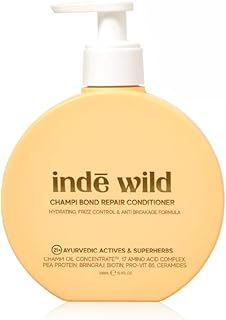


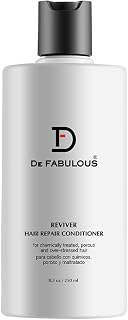


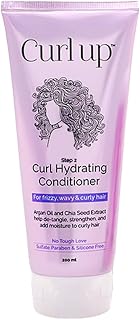

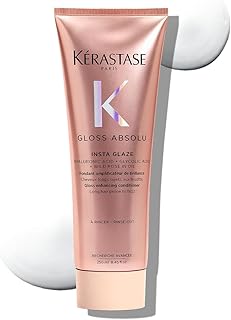


Choosing a conditioner is not simply about selecting the product with the most popular name or the highest number of reviews. Hair texture, scalp condition, porosity, chemical treatments, climate, washing frequency and styling habits can all influence which formula works best. A conditioner that feels excellent on dry, thick hair may leave fine or oily hair looking flat, while a lightweight formula may not provide enough slip or moisture for coarse, damaged strands.
For shoppers in India, the local climate is another important consideration. Heat, humidity, dust, hard-water exposure and frequent washing can change how hair behaves throughout the year. The best conditioner should therefore be evaluated according to the actual needs of your hair rather than a generic “best for everyone” claim.
Conditioners are designed primarily to improve the feel, manageability and surface characteristics of hair after cleansing. Shampoo removes sebum, sweat, styling residue and environmental buildup, but cleansing can also make the hair surface feel rougher. Conditioner helps restore a smoother feel by depositing conditioning ingredients onto the hair fibre.
Depending on the formula, a conditioner may help with detangling, softness, reduced friction, easier combing, smoother appearance and temporary reduction in frizz. Some products are formulated primarily for moisture, while others focus on strengthening support, damage care, curl definition, colour-treated hair or lightweight daily conditioning.
Shampoo and conditioner serve different purposes. Shampoo is primarily intended to cleanse the scalp and hair, whereas conditioner is generally used to improve the feel and manageability of the hair lengths.
Using a strong cleansing shampoo does not automatically mean you need the richest conditioner available. The better approach is to balance cleansing with the conditioning level your hair actually requires.
Dry hair generally benefits from formulas that provide substantial conditioning and improve softness without requiring excessive product. Look for ingredients and formulations intended to improve moisture retention, reduce roughness and make detangling easier.
Very dry or coarse hair may benefit from richer conditioners, while mildly dry hair can often be managed with a medium-weight daily formula. Applying a heavy conditioner close to the scalp may be unnecessary unless the scalp and roots specifically require conditioning.
Frizz can be influenced by dryness, humidity, hair damage, friction and the natural structure of the hair. A conditioner can help by reducing surface friction and improving smoothness, but it cannot permanently change the natural structure of hair.
For humid Indian weather, a conditioner that leaves the hair excessively coated may not always be comfortable. Compare how much softness and smoothness the formula provides with how easily your hair becomes weighed down.
Curly and wavy hair often benefits from adequate conditioning because the bends in the hair fibre can make natural oils less evenly distributed along the lengths. Detangling and friction management are particularly important.
Fine hair can become flat or greasy-looking when exposed to overly rich formulas. A lightweight conditioner is often a more practical starting point. Apply a modest amount mainly through the mid-lengths and ends and adjust according to the result.
The goal is not to avoid conditioning altogether. Fine hair still needs conditioning, particularly when it tangles easily or feels rough after shampooing. The key is selecting an appropriate weight and quantity.
People with oily scalps sometimes assume conditioner should be avoided. In many cases, the better approach is to keep conditioner focused on the lengths and ends rather than applying a heavy amount directly to the scalp.
If the roots become oily quickly, compare lightweight formulas and review the amount being used. Excess product can make hair appear heavier even when the conditioner itself is not inherently unsuitable.
Hair exposed to bleaching, colouring, straightening, heat styling or repeated chemical processing can become more porous and prone to breakage. Conditioning can improve feel and manageability, but a rinse-out conditioner should not be treated as a permanent repair treatment.
For visibly damaged hair, consider a routine that combines appropriate cleansing, regular conditioning, occasional intensive conditioning and sensible heat and chemical exposure management.
Humectants are ingredients that can help hair attract or retain water under suitable conditions. Common examples found in hair-care formulations include glycerin and certain plant-derived or synthetic humectant ingredients. Their performance depends on the complete formulation and environmental conditions rather than the presence of one ingredient alone.
Emollient ingredients can improve the smoothness and softness of the hair surface. Plant oils, certain fatty materials and other conditioning components may contribute to this effect.
Conditioning agents are among the most important components of many rinse-out conditioners. They help reduce friction and improve combability. Different conditioning systems can produce noticeably different results even when two products appear similar on the shelf.
Silicones are used in many hair-care products because they can improve slip, shine, smoothness and protection from friction. Consumers sometimes avoid them automatically, but there is no universal rule that silicone-containing conditioner is unsuitable. Hair type, buildup tolerance and personal preference matter more than a simplistic ingredient label.
Natural and herbal conditioners may contain ingredients such as coconut-derived components, aloe vera, argan oil, jojoba oil, amla, hibiscus or other botanical extracts. These ingredients can contribute to a product's conditioning profile, but “natural” does not automatically mean more effective or suitable for every hair type.
When comparing herbal products, evaluate the complete ingredient list and formulation rather than selecting a product solely because it contains a familiar plant name.
Marketing language can make two conditioners appear dramatically different even when their practical purpose is similar. Terms such as “natural,” “herbal,” “chemical-free,” “repair,” “anti-hair fall,” “detox,” “strengthening” and “professional” should be interpreted carefully.
Ingredient lists can be useful for identifying formulation characteristics, but they should not be interpreted as a simple ranking system in which every ingredient near the beginning is automatically “good” and every ingredient near the end is automatically “bad.” Ingredients are used at different concentrations and for different functional purposes.
Instead of searching for a single miracle ingredient, consider whether the formula contains a sensible combination of cleansing-compatible conditioning agents, emollients, humectants and supporting ingredients appropriate to your hair type.
There is no universal amount that works for every person. Hair length, density, thickness, porosity and product concentration all influence the appropriate quantity.
Start with a modest quantity and increase it if the hair remains difficult to detangle or feels insufficiently conditioned. Using substantially more product than necessary does not guarantee better results.
Very aggressive rubbing can increase friction and tangling. Treat wet hair gently, especially when it is already fragile or chemically processed.
A rinse-out conditioner is generally used after shampooing and removed during the same wash. A leave-in conditioner is designed to remain on the hair and can provide additional softness, detangling and styling support.
These products are not necessarily substitutes. Someone with dry, curly or highly textured hair may use both, while someone with fine hair may prefer only a lightweight rinse-out conditioner. The right routine depends on the amount of conditioning your hair can tolerate without becoming heavy.
A regular conditioner is typically designed for routine use, whereas a hair mask is often formulated for more intensive conditioning. A mask can be useful when hair feels particularly dry, rough or difficult to manage, but using an intensive product more frequently than necessary may leave some hair types feeling coated or heavy.
For many people, a good everyday conditioner is more important than buying multiple specialised products.
India's diverse climate means that conditioner preferences can vary considerably between regions and seasons. Humidity can increase frizz, while dry weather can make hair feel rougher. Dust and pollution can also increase the perceived need for regular cleansing.
In humid conditions, a lightweight smoothing conditioner may feel more comfortable for fine or oily hair. In dry conditions, a richer formula may be more suitable for coarse or dehydrated hair. People who regularly use air conditioning may also notice changes in how dry their hair feels.
Hard water can leave mineral deposits on hair and may affect how cleansers and conditioners feel during washing. If hair frequently feels coated, dull or difficult to manage despite using a suitable conditioner, the problem may not be solved simply by changing conditioners.
Consider your complete hair-care routine, washing frequency and water conditions. A suitable clarifying approach may sometimes be more relevant than repeatedly switching between moisturising conditioners.
When comparing products, avoid judging them solely by star ratings or popularity. A better comparison considers several factors together.
Consumers researching conditioners in India may encounter established hair-care brands such as Dove, L'Oréal Paris, Tresemmé, Pantene, Sunsilk, Herbal Essences, Mamaearth, WOW Skin Science, Biotique and Himalaya. These brands offer different product ranges, so the brand name alone should not determine the purchase.
Compare the specific product's formulation, intended hair type, package size, usage directions and current customer feedback. A highly recognised brand can still have multiple formulas designed for very different needs.
For shoppers specifically interested in natural or herbal hair care, the most useful approach is to separate botanical positioning from measurable product characteristics. An herbal conditioner may contain plant extracts while still using conventional cosmetic ingredients for preservation, texture and conditioning performance.
When comparing herbal conditioners, check:
Brand recognition can be useful for establishing familiarity, but it does not tell you whether a particular formula matches your hair. Always compare the specific conditioner rather than assuming every product from a familiar brand performs similarly.
Dryness does not automatically mean that the richest possible conditioner is best. Excessive conditioning can make some hair types feel flat or coated. Match conditioning intensity with hair thickness and porosity.
Two people with “dry hair” may have completely different requirements. Fine, straight hair and thick, curly hair can both be dry but may respond differently to the same product.
Unless a product is specifically designed for scalp use, applying large amounts to the roots may contribute to a heavy or greasy appearance, particularly for oily scalps.
Immediate softness can be useful information, but a conditioner should also be assessed for repeated-use compatibility, buildup, manageability and how it fits into the rest of your routine.
A cheaper bottle is not necessarily cheaper to use. Compare package quantity, concentration, frequency of use and the amount required per wash when evaluating value.
Customer reviews can provide useful real-world information, but they should be read critically. Hair-care results vary considerably between individuals, so one person's experience should not automatically be treated as universal evidence.
Look for repeated observations from customers with similar hair types. Reviews mentioning hair texture, frequency of washing, climate, product quantity and long-term use can be more informative than short comments that only state whether the product was “good” or “bad.”
The lowest purchase price is not always the best value. A more useful calculation considers how much product you receive and how much you typically use per wash.
For example, a larger bottle may initially cost more but can provide better value if the formula suits your hair and requires only a small quantity per wash. Conversely, a very inexpensive conditioner may not represent good value if you need a large amount to achieve the desired result.
Conditioner does not fundamentally need to be selected according to gender. Hair characteristics are generally more relevant than whether a product is marketed toward men or women.
Men with short hair may prefer lightweight formulas because less product is required, while men with longer, curly or chemically treated hair may benefit from more substantial conditioning. The same principle applies to women: hair length, texture, density and treatment history matter more than gender-based marketing.
Children have different hair-care requirements, and product selection should take age, formulation, fragrance and manufacturer guidance into account. Parents should follow the product's stated age recommendations and avoid using adult products on children simply because they are marketed as gentle or natural.
Conditioner itself is not generally a direct explanation for every episode of hair shedding. Hair naturally sheds as part of the hair-growth cycle, and washing can make already-shed hairs more noticeable.
However, individual products can cause irritation or discomfort in susceptible users, and excessive manipulation during washing or detangling can contribute to breakage. If you notice persistent or significant hair loss, scalp inflammation or other concerning symptoms, changing conditioner alone may not address the underlying cause.
Conditioning can make hair easier to comb and reduce friction, which may help minimise mechanical stress during grooming. This is particularly relevant for long, curly, dry or chemically treated hair.
To reduce breakage, combine suitable conditioning with gentle handling, sensible heat styling, careful detangling and appropriate hair-care practices. A conditioner should be viewed as one part of a broader routine rather than a complete solution for damaged hair.
Many people use conditioner whenever they shampoo, but frequency should reflect the hair's needs. Someone with dry, curly hair may benefit from frequent conditioning, while someone with very fine or oily hair may prefer a lighter product or smaller quantity.
There is no universal requirement to condition a fixed number of times per week. Adjust based on softness, tangling, scalp oiliness, buildup and overall manageability.
Consider changing products if your hair consistently feels heavy, greasy, excessively dry, tangled or difficult to manage despite correct application. Seasonal changes can also justify a different formula.
However, switching products repeatedly after only one use can make it difficult to understand what actually works. Give yourself enough time to evaluate a formula unless it causes clear irritation or another immediate problem.
Store conditioner according to the manufacturer's directions and keep the container properly closed. Avoid introducing unnecessary water or contaminants into open containers, particularly products stored in jars.
Pay attention to changes in smell, colour, texture or separation. If a cosmetic product appears significantly different from its normal condition or has passed its recommended period of use, follow the manufacturer's guidance rather than continuing to use it.
A practical routine does not need dozens of products. Start with a shampoo appropriate to your scalp and a conditioner appropriate to your hair lengths. Add a leave-in conditioner or hair mask only when there is a specific reason to do so.
There is no single conditioner that is objectively best for every person. The right choice depends on hair texture, scalp oiliness, dryness, damage, styling habits, budget and personal ingredient preferences. Compare products according to your specific hair requirements rather than selecting solely on popularity.
A conditioner designed to provide substantial softness and manageability is generally a logical choice for dry hair. Look for an appropriate balance of conditioning agents, emollients and moisturising components, while avoiding formulas that leave your particular hair type excessively heavy.
Look for a conditioner that improves smoothness, reduces friction and makes the hair easier to manage. Frizz can have multiple causes, so conditioner should be combined with gentle drying, appropriate styling and protection from excessive heat.
It depends on your hair type and washing routine. Some hair types tolerate frequent conditioning well, while fine or oily hair may become weighed down. Follow the product instructions and adjust the quantity according to how your hair responds.
Most rinse-out conditioners are primarily intended for the hair lengths and ends. If a product is specifically formulated for scalp application, follow its instructions. Otherwise, heavy application near oily roots may make hair feel greasy or flat.
Not automatically. Herbal conditioners can be a good option for shoppers who prefer botanical ingredients, but performance depends on the complete formulation. Compare ingredient lists, intended use, conditioning performance and customer feedback rather than assuming that herbal automatically means superior.
No. Price can reflect packaging, brand positioning, ingredients or other factors, but it does not guarantee that a formula is better suited to your hair. A moderately priced conditioner that matches your needs can offer better practical value than a premium product that does not.
Follow the manufacturer's directions because recommended contact time varies by formulation. Leaving a product on for substantially longer than instructed does not necessarily produce better results.
It can make some hair appear heavier or greasier when the formula is too rich, too much product is used or it is applied heavily near the roots. Fine and oily hair types are particularly likely to benefit from lighter application.
No. Conditioner can improve smoothness and manageability, but it does not permanently change the natural structure of hair. Humidity, damage, texture and styling practices can continue to influence frizz.
Both matter, but conditioner is generally selected primarily according to the needs of the hair lengths. Shampoo is more directly related to scalp cleansing. Someone with an oily scalp and dry lengths, for example, may need a cleansing routine for the scalp combined with more conditioning care for the lengths.
The best conditioner is the one that fits your individual hair characteristics, routine and preferences rather than simply the product with the strongest marketing claim. When comparing options in India, examine the specific formulation, intended hair type, conditioning intensity, ingredients, package size, customer feedback and current retailer information.
For an independent buying decision, compare several suitable products rather than assuming that one highly rated formula will work equally well for everyone. Check the latest specifications and verified customer reviews before purchasing, because formulations, packaging and availability can change during the year.
Most importantly, choose according to your actual hair needs. Fine hair often benefits from lighter conditioning, while dry, coarse, curly or chemically treated hair may need greater conditioning support. A simple routine using the right amount of a suitable conditioner can often be more useful than continuously adding products that do not address a specific need.