

♥ Wishlist
Compare 51 verified Herbal Hair Shampoo for Gentle Hair & Scalp Care products in India. Reviews, ratings, pros, cons and buying advice updated for September 2026.


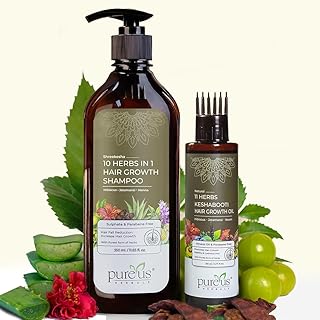


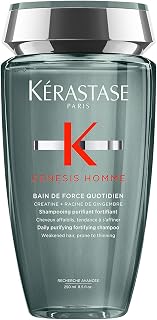


Choosing a herbal hair shampoo in India should begin with your hair type, scalp condition, cleansing needs, and the ingredients used in the finished formula. The word “herbal” describes a formulation approach, but it does not by itself establish that a shampoo will prevent hair loss, stimulate new growth, or solve every scalp problem. A useful comparison therefore looks beyond the front label and considers the complete ingredient list, intended use, cleansing strength, fragrance, scalp compatibility, bottle size, directions, and current customer feedback.
Herbal shampoos may contain ingredients such as amla, bhringraj, neem, hibiscus, aloe vera, fenugreek, curry leaf, shikakai, reetha, coconut-derived ingredients, rosemary, or other botanical extracts. These ingredients are commonly associated with traditional Indian hair-care practices, but the evidence and purpose can differ considerably from one finished product to another.
A shampoo is primarily a cleansing product. It removes sebum, sweat, styling residue, dust, and other buildup from the scalp and hair. Some formulas also provide conditioning or cosmetic benefits that make hair feel softer, smoother, or easier to manage.
This is different from a medical treatment for hair loss. Hair shedding can have many causes, including temporary shedding, hereditary pattern hair loss, nutritional problems, scalp disorders, illness, stress, medication-related changes, and physical damage. A herbal shampoo may support a healthy hair-care routine, but it should not automatically be described as a treatment for an underlying medical condition.
Amla is a familiar ingredient in Indian hair-care formulations and is commonly included in shampoos marketed around traditional herbal care. When comparing products, check whether amla is part of a broader formula and review the complete ingredient declaration rather than selecting a product only because amla appears on the front label.
Bhringraj is another traditional Ayurvedic hair-care ingredient frequently used in herbal products. Its presence can be relevant to shoppers seeking a botanical formulation, but the inclusion of an herb does not independently establish the clinical effectiveness of the finished shampoo for hair growth or hair-loss treatment.
Neem, hibiscus, fenugreek, aloe vera, shikakai, and reetha can appear in different herbal shampoo formulas. These ingredients may serve different cosmetic or cleansing purposes. Compare the complete formulation, especially when your scalp is sensitive, dry, oily, or prone to irritation.
The non-herbal part of the formula is equally important. Surfactants determine how the shampoo cleans the scalp, while conditioning agents can influence detangling, smoothness, and hair feel. A shampoo can contain several attractive botanical extracts but still be unsuitable if it leaves your particular hair type excessively dry or difficult to manage.
An oily scalp generally needs effective cleansing without unnecessary over-washing or aggressive scrubbing. Compare formulas according to how well they suit your washing routine and whether they leave the scalp comfortable after rinsing. If persistent dandruff, redness, itching, or inflammation is present, a product specifically designed for that scalp condition may be more relevant than a general herbal shampoo.
Dry or sensitive scalps may respond better to a gentler cleansing approach. Fragrance, essential oils, concentrated botanical extracts, and other ingredients can be problematic for some individuals. Read the ingredient list carefully and stop using a product if it repeatedly causes irritation.
If the main concern is the hair shaft rather than the scalp, consider how the shampoo affects softness, tangling, and manageability. Follow cleansing with an appropriate conditioner when needed. Hair breakage can make hair appear thinner even when the follicles themselves are not the primary problem.
Indian shoppers may encounter herbal and natural hair-care products from brands such as Himalaya, Khadi Natural, Biotique, Patanjali, Dabur, Mamaearth, WOW Skin Science, and other established or specialist manufacturers. Brand recognition can make product discovery easier, but products should still be compared individually.
Check the exact shampoo name, formulation, size, directions, ingredient list, intended hair type, and current customer feedback. Two shampoos from the same company can have substantially different formulations and may be intended for different scalp or hair concerns.
Reviews can be useful for practical observations such as fragrance, lather, packaging, texture, ease of rinsing, hair feel, and whether users experienced dryness or irritation. They are less reliable as evidence that a cosmetic shampoo can reverse medical hair loss.
Herbal positioning does not automatically mean that a formula is suitable for every scalp or that its claims are clinically established. Read the complete label before deciding.
A long ingredient list is not necessarily evidence of a stronger shampoo. Several botanical extracts may be included for formulation, fragrance, traditional positioning, or cosmetic purposes without proving that the combination produces a particular medical result.
People often describe all visible hair loss as “hair fall,” but breakage can also contribute to shorter, thinner-looking hair. Gentle handling, suitable conditioning, reduced excessive heat, and careful detangling can be important when breakage is the major concern.
Constantly switching shampoos makes it difficult to determine which formula suits your scalp. Unless a product causes irritation or another clear problem, assess it according to its intended cosmetic purpose and your normal hair-care routine.
Before purchasing, check the exact product name, pack size, complete ingredient information, manufacturer details, directions, warnings, and current seller information. Product formulations, packaging, availability, and prices can change, so current information should be checked at the time of purchase.
A herbal shampoo can be part of a sensible cleansing and hair-care routine, particularly when the objective is maintaining scalp cleanliness, improving hair feel, or reducing avoidable mechanical damage. However, rinse-off products have limited contact time with the scalp, and cosmetic improvements should not be confused with treatment of follicle-level hair loss.
If hair loss is sudden, patchy, rapidly worsening, or accompanied by persistent itching, scaling, pain, redness, or visible progressive thinning, a qualified dermatologist can help determine the cause. The right treatment depends on the diagnosis rather than the marketing category printed on a shampoo bottle.
The most expensive herbal shampoo is not automatically the most effective, and the cheapest option is not necessarily the best value. Compare the quantity, recommended usage, formulation, scalp compatibility, and purpose of the product.
There is no universally best herbal hair shampoo for every person in India. The most suitable product depends on scalp oiliness, hair texture, dryness, breakage, cleansing frequency, fragrance preferences, ingredient sensitivities, and the specific problem you are trying to address.
A practical comparison should therefore ask five questions: What is my scalp type? What does my hair actually need? Which ingredients are included? Is the formulation suitable for regular use? And are the product's claims consistent with what a cosmetic shampoo can realistically provide?
The most suitable option depends on your scalp type, hair condition, ingredients, and intended use. Compare individual formulations rather than choosing solely by brand popularity or ratings.
A shampoo may help with cleansing, hair manageability, and breakage control, but it should not automatically be considered a treatment for medical hair loss. Persistent shedding should be evaluated according to its underlying cause.
Suitability depends on the specific formulation and your scalp. Follow the manufacturer's directions and consider how your hair and scalp respond rather than assuming every herbal formula should be used at the same frequency.
There is no universal answer. Herbal shampoos may appeal to people who prefer botanical formulations, while other products may offer different cleansing or conditioning characteristics. The complete formula and your individual needs matter more than the marketing category.
Common examples include amla, bhringraj, neem, hibiscus, aloe vera, fenugreek, shikakai, reetha, and other botanical extracts. Their presence does not by itself establish a specific medical benefit.
Some products are marketed for scalp cleansing or dandruff care, but persistent dandruff or inflammation may require a shampoo specifically formulated for the condition. If symptoms continue, professional evaluation may be appropriate.
Follow the product's directions and adjust according to your scalp and hair needs. Oily scalps may have different cleansing requirements from dry or sensitive scalps.
Check the exact product name, ingredients, pack size, intended use, directions, warnings, manufacturer information, seller details, and current customer reviews.
Herbal hair shampoos differ substantially in formulation, intended use, and supporting evidence. This guide is intended to support informed product comparison in India, not to diagnose scalp or hair conditions or replace individualized professional advice. Product descriptions, formulations, packaging, prices, sellers, and availability may change, so current information should be checked before purchase.