

♥ Wishlist
Compare 31 verified Herbal Health Care Products Online in India products in India. Reviews, ratings, pros, cons and buying advice updated for September 2026.



![Prostate Care Capsules [Premium Quality] - Advanced Ayurvedic Formula for Prostate Care | Supports Prostate Health, Urinary Flow, Bladder Control & Vitality | Natural Herbal Medicine with No Side Effects](https://m.media-amazon.com/images/I/61tXqd+MlPL._AC_UL320_.jpg)


Choosing herbal health care products in India can be surprisingly difficult because the market includes traditional Ayurvedic preparations, plant-based supplements, herbal personal-care products, natural oils, powders, extracts and wellness formulations. Products that appear similar on the surface can differ substantially in ingredients, concentration, formulation, intended use, packaging, storage requirements and suitability for different consumers.
This independent buying guide is designed to help Indian shoppers compare herbal health care products more carefully before purchasing. Rather than judging a product only by its marketing claims, consider the ingredient list, dosage or usage instructions, formulation type, manufacturer information, packaging, customer feedback, suitability for your needs and the retailer's current product details.
Product availability, formulations, pack sizes and prices can change during 2026. Always verify the current product page, ingredient information, usage directions and applicable warnings before buying.
A good herbal product is not simply one that contains the word "herbal" on its packaging. A more useful evaluation considers transparency, formulation quality, intended purpose and practical usability.
When comparing products for an Indian household, use the same criteria for every candidate. This makes it easier to distinguish genuine differences from differences created primarily by advertising.
Start with the ingredients rather than the front label. Check the botanical names or commonly recognised names where provided, along with the amount or concentration of important ingredients. Also check for sweeteners, flavours, preservatives, oils, fillers, colours or other supporting ingredients when relevant.
For herbal supplements, the amount of an individual herb may matter more than the number of herbs listed on the front of the package. A long ingredient list does not automatically indicate a superior formulation.
Different formats serve different practical purposes. Herbal powders can be versatile but may require measuring and proper storage. Capsules and tablets are convenient for consumers who prefer consistent serving sizes. Oils can be useful for topical routines but may have different absorption and application characteristics. Herbal teas and infusions may be convenient for beverage-based routines.
Choose the format you are most likely to use consistently rather than selecting a product simply because its formulation sounds sophisticated.
Herbal health care is a broad category. A product designed for general wellness should not automatically be considered interchangeable with one formulated for a specific personal-care purpose. Read the intended-use instructions carefully and avoid assuming that a product is appropriate for a condition simply because a traditional ingredient has historically been associated with that purpose.
Ingredient transparency is especially important when comparing products from well-known brands such as Himalaya, Dabur, Baidyanath, Patanjali, Organic India and Sri Sri Tattva. Brand familiarity can make comparison easier, but the individual product still deserves separate evaluation.
Check how much product is intended to be used, how frequently it should be used and whether it should be taken with food, diluted, applied to a particular area or used in another specified way. A product that appears inexpensive can become less economical if its recommended quantity is substantially higher than that of another comparable product.
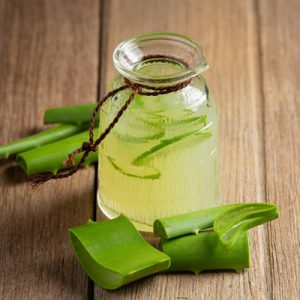
Indian herbal products frequently use ingredients associated with Ayurveda and traditional Indian wellness practices. Common examples include tulsi, turmeric, ashwagandha, amla, neem, ginger, triphala, brahmi, aloe vera and giloy.
The presence of a familiar herb should not be treated as proof that every formulation containing that herb will produce the same result. Preparation method, extract ratio, concentration, additional ingredients and intended application can all influence how a product should be evaluated.
Tulsi, also known as holy basil, is widely used in traditional Indian preparations and is commonly found in herbal teas, wellness formulations and other products. When comparing tulsi products, consider whether the product uses leaves, extracts or a blended formulation and follow the manufacturer's instructions.
Turmeric is one of the most recognisable Indian botanicals and is used in foods, traditional preparations and modern wellness products. Turmeric products may differ considerably in concentration and formulation. Some products also combine turmeric with other ingredients, so compare the complete formulation rather than judging the product solely by the presence of turmeric.
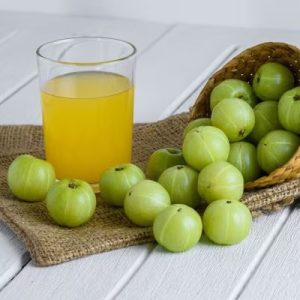
Amla is frequently used in powders, juices, supplements and traditional wellness preparations. Its format can significantly affect convenience. Powder may offer flexibility, while ready-to-use formulations can be simpler for everyday routines.
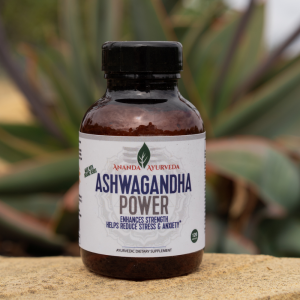
Ashwagandha is widely represented in modern herbal supplement products. Consumers should pay particular attention to the form of the ingredient, serving information, additional ingredients and product-specific warnings. People taking medicines or managing a health condition should seek appropriate professional advice before using concentrated herbal supplements.
Neem appears in both traditional wellness and personal-care products. Neem-based formulations can differ substantially depending on whether they are intended for oral use, topical use, cleansing or cosmetic applications. Never assume that a neem product designed for external use is suitable for ingestion.
Herbal supplements commonly include capsules, tablets, powders, extracts and other concentrated formulations. The most important comparison points include the active botanical ingredients, serving size, formulation, additional ingredients and manufacturer information.
Because concentrated supplements can have stronger effects than culinary quantities of herbs, consumers should follow label directions carefully and consider professional advice when medicines, pregnancy, breastfeeding or existing health conditions are involved.
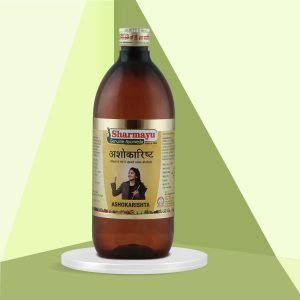
Ayurvedic products can include traditional formulations as well as modern products inspired by Ayurvedic ingredients. Consumers should distinguish between a traditional formulation, a food or wellness product, a supplement and a cosmetic product because their intended uses and labelling requirements can differ.
Herbal oils are commonly used for hair care, skin care, massage and other traditional routines. Compare the carrier oil, herbal ingredients, fragrance, intended application, packaging and directions. Oils can also vary considerably in texture and scent, making customer reviews useful for practical comparison.
Powders can provide flexibility because they may be incorporated into different routines depending on the product instructions. However, they require careful storage to protect them from moisture and contamination. Check whether the packaging includes a secure resealable closure.
Herbal teas can be convenient for consumers who prefer beverage-based wellness routines. Compare the ingredient blend, serving instructions, flavour profile, packaging and any relevant cautions. "Herbal" does not automatically mean caffeine-free, so check the ingredient list when caffeine intake matters to you.
Herbal shampoos, cleansers, creams, gels and lotions are generally evaluated differently from ingestible products. For topical products, consider skin or hair type, fragrance preferences, formulation texture, cleansing strength and individual sensitivity.
Several established Indian brands have broad herbal or Ayurvedic product ranges. Names such as Himalaya, Dabur, Baidyanath, Patanjali, Organic India and Sri Sri Tattva may appear across different product categories.
Brand reputation can be useful as an initial screening factor, but it should not replace product-level comparison. A reputable company can have many different formulations, and the best choice depends on the specific product, ingredients, intended use and your requirements.
Reading the label carefully is one of the simplest ways to improve a purchase decision. The front of a package is primarily designed to communicate marketing and product positioning; the back or side panels usually contain more useful technical information.
Confirm whether you are buying a food, supplement, cosmetic, traditional Ayurvedic formulation or another category. Similar-looking products may have very different intended uses.
Compare pack sizes rather than comparing prices alone. A larger container is not automatically better value if the product has a different serving size or if you are unlikely to finish it before its recommended use-by period.
Before purchasing, review manufacturing, expiry or best-before information as applicable to the product. For products with a relatively short shelf life, avoid purchasing quantities that are difficult to use within the recommended period.
Some herbal products require protection from direct sunlight, heat or moisture. India's climate can make storage particularly important. A product stored incorrectly may develop changes in odour, texture or quality.
Quality is broader than whether a product is described as natural. Look for transparent labelling, appropriate packaging, consistent product information and clear manufacturer or marketer details.
For products subject to applicable Indian regulatory requirements, consumers can also look for relevant declarations, licence information or other compliance information displayed on the packaging where applicable. The exact requirements depend on the product category, so do not assume that one labelling standard applies to every herbal product.
These terms are often used together in product marketing, but they are not interchangeable.
A product can contain herbal ingredients without being suitable for every consumer, and a product marketed as natural should still be assessed using its full ingredient list and intended-use information.
Consumers sometimes choose a product solely because it contains turmeric, neem, amla or another familiar herb. The complete formulation matters more than the presence of one popular ingredient.
Price can reflect packaging, brand positioning, ingredient sourcing, formulation complexity and other factors. It is not a reliable standalone indicator of effectiveness or quality.
Large packs may appear economical but can be impractical when the product is sensitive to moisture, has a limited shelf life or requires only occasional use.
A capsule, powder, tea, oil and topical cream should not be compared as though they were interchangeable. Convenience and suitability depend heavily on the intended use.
A numerical rating provides limited information without context. Read reviews that discuss the actual characteristics you care about, such as taste, packaging, texture, ease of use or consistency.
Traditional use can be an important part of herbal products, but it should not be interpreted as a guarantee that a product can diagnose, prevent or treat a medical condition. Serious or persistent symptoms require appropriate medical evaluation.
Customer reviews are valuable for understanding real-world purchasing considerations, but they should be interpreted carefully.
The lowest purchase price is not necessarily the lowest overall cost. A better comparison considers quantity, serving size, frequency of use and the usable life of the product.
For example, when comparing two herbal powders, calculate the approximate cost per recommended serving rather than comparing only the price of the containers. For oils or personal-care products, consider how much product is normally used per application.
Also consider whether you actually need a premium formulation. If two products have similar ingredients and appropriate specifications, paying substantially more for branding or packaging may not provide a meaningful advantage for your particular use.
Proper storage is especially important for plant-based products because environmental conditions can affect freshness and product characteristics.
Herbal does not automatically mean risk-free. Botanical ingredients can have biological effects and may interact with medicines or other supplements.
Extra caution is appropriate for people who are pregnant or breastfeeding, children, older adults taking multiple medicines, people preparing for surgery, and anyone managing a medical condition. If you take prescription or over-the-counter medicines regularly, ask a qualified healthcare professional whether a concentrated herbal supplement is appropriate for you.
Follow the product's recommended serving or usage instructions and avoid combining several products containing the same concentrated botanical ingredient without understanding the total intake.
Consumers interested in everyday wellness may prefer simple formulations with transparent ingredients and straightforward usage instructions. Avoid selecting a product solely because it promises multiple dramatic benefits.
Consumers interested in Ayurveda may wish to examine the traditional formulation, ingredient profile, preparation format and instructions. It is useful to distinguish products intended for traditional wellness routines from modern supplements marketed using individual Ayurvedic ingredients.
Consider herbal oils and shampoos according to scalp type, hair texture, fragrance preference and cleansing needs. An oil containing multiple botanicals may not be the best option for someone who prefers a lightweight, fragrance-free routine.
For herbal creams, gels and cleansers, evaluate the complete ingredient list, fragrance, texture and intended skin type. Patch testing can be a sensible precaution for new topical products, particularly for people with sensitive skin.
Capsules, tablets, tea bags and ready-to-use preparations can be easier to incorporate into established routines than products requiring preparation. Convenience is a legitimate buying criterion because a product that is difficult to use consistently may be a poor practical choice.
There is no single best herbal health care product for everyone. The appropriate choice depends on the product category, intended purpose, ingredients, formulation, personal preferences, budget and any relevant safety considerations. Compare products using consistent criteria instead of selecting solely on brand popularity.
No. Safety depends on the individual, ingredient, dose, formulation and intended use. Herbal supplements can interact with medicines and may not be appropriate in certain circumstances. Follow the label and seek professional advice when there are relevant medical or medication considerations.
Not necessarily. Ayurveda encompasses traditional systems of health and formulations, while herbal supplements may be modern products containing one or more botanical ingredients. The product's exact category and labelling should be checked rather than assuming the terms are interchangeable.
Not automatically. Price can reflect brand positioning, packaging, sourcing and formulation, but a higher price alone does not establish better quality or effectiveness. Compare ingredients, quantity, formulation and usage requirements.
Most dry powders should be kept tightly sealed in a clean, dry environment and protected from moisture. Always follow the specific storage instructions supplied with the product.
Use star ratings as an initial signal rather than the final decision-maker. Read detailed reviews and look for repeated comments about the qualities that matter to you.
This guide is intended for the 2026 buying season, including August 2026. Because product formulations, pack sizes, retailer listings and prices can change, verify current information before purchasing.
Compare current listings from reputable retailers and review the exact pack size and formulation before comparing prices. A price difference can result from different quantities, variants or seller conditions.
Do not assume that combining products is automatically appropriate. Multiple products may contain overlapping ingredients or concentrated botanicals. Review the complete ingredient lists and seek professional guidance when combining supplements, particularly when medicines or health conditions are involved.
The best way to choose among herbal health care products is to move beyond marketing claims and compare the details that affect actual suitability. Start with the intended use, then examine ingredients, formulation, quantity, instructions, packaging, storage requirements and customer feedback. Consider established brands such as Himalaya, Dabur, Baidyanath, Patanjali, Organic India and Sri Sri Tattva as comparison points, but evaluate each individual product on its own specifications.
For everyday herbal wellness, a simple and transparent formulation may be preferable to a complicated product with numerous ingredients and broad promises. For supplements, pay particular attention to serving information and potential interactions. For topical products, focus on formulation, skin or hair compatibility and practical usability. For traditional Ayurvedic products, examine the exact formulation and intended category rather than relying on the Ayurvedic label alone.
Most importantly, treat current product information as essential. Before placing an order, confirm the exact product name, ingredients, pack size, date information, usage directions, seller details and current price. This approach makes it easier to identify the herbal product that best matches your needs, preferences and budget in India in 2026.