

♥ Wishlist
Compare 54 verified Best Heart Care Products in India products in India. Reviews, ratings, pros, cons and buying advice updated for September 2026.


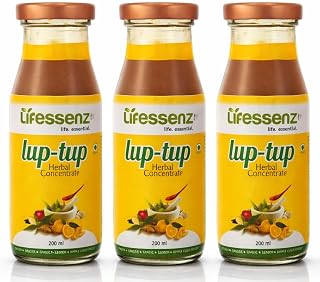


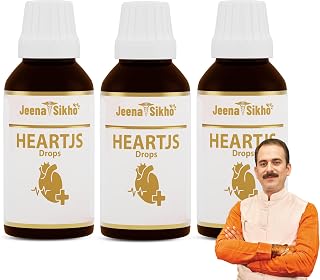


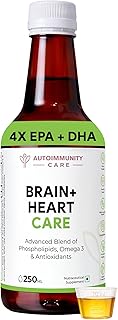


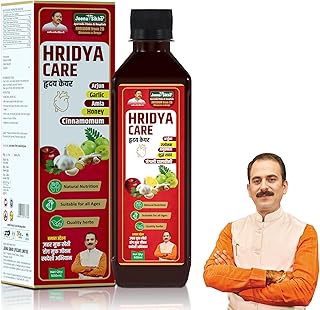


Choosing a heart-health product requires more than looking for words such as “heart care,” “cardio support,” “cholesterol support,” or “natural protection” on a label. Products sold as supplements can contain very different ingredients, doses, combinations and quality controls, and the evidence behind individual ingredients varies considerably.
For an independent buying guide, the most useful approach is to evaluate what a product actually contains, why each ingredient is included, whether the claimed benefit is supported by credible evidence, how transparent the manufacturer is about serving size and formulation, and whether the product is appropriate for the person considering it.
Most importantly, a supplement should not be treated as a substitute for medical care. A heart-healthy eating pattern, regular physical activity, healthy weight management, avoiding tobacco, adequate sleep and appropriate management of blood pressure and cholesterol remain central to cardiovascular risk reduction. Supplements may have a role in selected circumstances, but they should be considered alongside—not instead of—evidence-based healthcare.
“Heart care product” is a broad consumer category rather than a single medical classification. Products marketed in this area may include nutritional supplements, herbal formulations, omega-3 products, plant-based ingredients, vitamins and minerals, functional foods, or combinations designed around a particular nutritional objective.
A product marketed for cardiovascular wellness may therefore target very different areas, including general nutritional support, healthy lipid metabolism, antioxidant intake, omega-3 intake or dietary gaps. These purposes should not be confused with treatment of diagnosed cardiovascular disease.
When comparing products, identify the intended purpose first. A product intended to supplement dietary intake is evaluated differently from a medicine prescribed to manage hypertension, high LDL cholesterol, angina, heart failure or another cardiovascular condition.
People taking prescription medicines should be particularly cautious when considering herbal or nutritional supplements. Some supplements can interact with medicines, and the risk may be greater for people with existing medical conditions or those preparing for surgery.
Do not stop, reduce or replace a prescribed cardiovascular medicine because a supplement claims to provide a natural alternative. If you already take medicines for blood pressure, cholesterol, blood clot prevention, diabetes or another chronic condition, discuss any new supplement with a qualified healthcare professional.
This is especially important when a product contains multiple concentrated herbs or nutrients. “Natural” describes the source of an ingredient; it does not automatically establish that the finished product is appropriate, effective or free from interactions.
Omega-3 products commonly provide EPA, DHA, or both. Fish and seafood are important dietary sources of these fatty acids, while supplements provide a concentrated alternative for some consumers.
When comparing omega-3 products, look beyond the total amount of “fish oil” printed on the front of the package. The more useful figures are the actual amounts of EPA and DHA per serving. Two products may contain the same quantity of fish oil but provide substantially different amounts of the active omega-3 fatty acids.
Current evidence does not justify treating ordinary over-the-counter omega-3 supplements as universal protection against heart disease. Prescription omega-3 medicines used for specific clinical purposes are also different from general dietary supplements and should not be treated as interchangeable.
Garlic is frequently included in traditional and modern cardiovascular-support formulations. Garlic preparations can vary considerably because the active compounds depend on the variety, preparation method, processing and standardisation.
Some research suggests garlic preparations may have modest effects on certain cardiovascular risk factors, but the size of an effect should not be confused with treatment of cardiovascular disease. A product containing garlic should therefore be evaluated according to its formulation and intended nutritional purpose rather than assuming that every garlic supplement has the same properties.
Turmeric is widely used in India and is a familiar ingredient in herbal products. Curcumin is one of the principal compounds studied in turmeric, but turmeric powder and concentrated curcumin extracts are not equivalent products.
When comparing a turmeric-based heart-health supplement, check whether the label identifies the form of turmeric or curcumin, the quantity per serving and any additional ingredients intended to affect absorption. Avoid assuming that a higher concentration automatically means greater cardiovascular benefit.
Coenzyme Q10, often abbreviated as CoQ10, is another ingredient frequently marketed for cardiovascular and energy-related support. It is important to distinguish general wellness claims from evidence for a specific cardiovascular condition.
Consumers should also consider whether they are already taking medicines or other supplements before adding CoQ10 to a daily routine. A healthcare professional can help determine whether there is a meaningful reason to use it.
Plant sterols and stanols are used in some products and fortified foods designed around cholesterol management. Their relevance is different from ingredients promoted simply as antioxidants or general wellness nutrients.
If your primary objective is cholesterol management, compare the actual quantity supplied per daily serving and consider the product as part of a broader dietary strategy. Do not assume that any supplement labelled “heart health” has the same effect on LDL cholesterol.
Flaxseed provides alpha-linolenic acid, a plant-based omega-3 fatty acid, as well as fibre and other compounds. Flaxseed products may therefore be relevant to people looking for plant-based nutritional options.
However, plant-based ALA should not automatically be treated as equivalent to EPA and DHA from marine sources. The type of omega-3, amount consumed and overall diet all matter when comparing products.
A transparent label should make it possible to identify the principal ingredients and the quantity supplied per serving. Avoid relying solely on a large proprietary blend where individual ingredient quantities are hidden.
Compare products using the recommended daily serving rather than comparing the amount displayed prominently on the front of the package. A product may appear inexpensive or highly concentrated until the actual daily serving is considered.
For ingredients such as omega-3 fatty acids, the amount of the relevant active components can be more informative than the total weight of the source material.
Ingredients can appear in different chemical, botanical or processing forms. Two products with similar ingredient names may therefore have different formulations. Read the detailed product specifications before comparing them.
Look for clear manufacturer information, batch or lot information where applicable, directions for use, storage instructions, ingredient quantities and appropriate regulatory labelling for the product category.
Check the expiry date and storage instructions before purchase. Oils, capsules containing sensitive ingredients and certain herbal formulations may require particular storage conditions.
In India, health supplements and nutraceutical products fall under food-safety and standards requirements administered by the Food Safety and Standards Authority of India. Consumers should distinguish a regulated food or supplement product from a prescription medicine and should not assume that a health claim makes a product equivalent to a clinically prescribed treatment.
A useful comparison should not rank products purely by popularity or the number of ingredients. A better framework considers formulation transparency, ingredient relevance, serving information, manufacturer information, intended use, practical convenience and safety considerations.
A long ingredient list can look impressive, but complexity can make a product harder to evaluate. If a formulation contains ten or fifteen botanical and nutritional ingredients, it becomes more difficult to determine which ingredient is present at a meaningful amount and which is included primarily for marketing appeal.
A simpler formulation with clearly disclosed quantities can sometimes be easier for consumers and healthcare professionals to assess. This is particularly useful when someone already takes multiple supplements or prescription medicines.
This distinction is essential. Supplements are generally intended to supplement the diet, whereas medicines are developed and used for specific therapeutic purposes. A supplement marketed for cholesterol or cardiovascular wellness should not be assumed to produce the same clinical outcome as a prescribed cholesterol-lowering medicine.
For people with established cardiovascular disease, professional medical guidance should take priority over consumer supplement recommendations. Evidence-based treatment may involve prescribed medicines, lifestyle changes, monitoring and other interventions depending on the person's condition.
The strongest foundation for cardiovascular wellness is an overall dietary pattern rather than dependence on one capsule or herbal ingredient. A practical Indian heart-conscious diet can include vegetables, fruits, pulses, beans, whole grains, nuts and seeds, appropriate sources of protein and healthier unsaturated fats while limiting excessive sodium, added sugars and saturated or trans fats.
Traditional Indian foods can fit comfortably into a heart-conscious eating pattern when portions, cooking methods and ingredient choices are considered. Dal, rajma, chana, vegetables, oats, whole grains, nuts and seeds can provide fibre and valuable nutrients without requiring a specialised supplement.
Cooking methods also matter. Deep-fried preparations and foods containing substantial amounts of salt, saturated fat or highly refined carbohydrates can change the overall nutritional profile of an otherwise familiar meal.
Marketing language deserves careful scrutiny. Terms such as “natural heart protector,” “artery cleanser,” “cholesterol cure,” “BP solution,” “detox arteries,” or “prevents heart attack” should not be accepted as proof of clinical effectiveness.
Be especially cautious when a product promises to replace a prescribed medicine, rapidly reverse cardiovascular disease, remove arterial plaque, or guarantee prevention of heart attack or stroke. These are substantially stronger claims than simply providing nutritional support.
Independent buying research should focus on what can actually be verified: the ingredients, quantities, product category, manufacturer information, directions, warnings and available evidence.
Prioritise a transparent formulation that complements an already balanced diet. A product should address a genuine dietary need rather than simply adding a large number of nutrients that are already being consumed adequately.
Compare EPA and DHA quantities, serving size, source information and storage requirements. Do not compare products using total fish-oil weight alone.
Look for clearly identified plant sources such as flaxseed or other suitable ingredients, and understand which nutrient or compound the product actually supplies.
Prioritise ingredient transparency and safety information. Herbal combinations can be more difficult to evaluate when individual quantities and standardisation details are not clearly disclosed.
Do not assume that a product labelled “heart health” lowers LDL cholesterol. If cholesterol management is the objective, discuss proven treatment options and dietary strategies with a qualified healthcare professional.
When browsing the Indian market, consumers may encounter established names such as Himalaya, Dabur, Organic India, HealthKart, Tata 1mg, Carbamide Forte, TrueBasics, NOW Foods and Nature Made, depending on the category and product availability. Brand recognition alone, however, should never replace checking the specific formulation.
The same brand may offer products for very different purposes, so compare the exact product label, serving size, ingredient quantities, warnings and manufacturer information rather than choosing solely because the brand is familiar.
Customer reviews can be useful for evaluating practical issues such as packaging, tablet size, taste, ease of swallowing, delivery condition or whether the product matches its description. They are much less reliable for determining whether a supplement prevents cardiovascular disease or treats a medical condition.
When reading reviews, look for repeated comments about objective product characteristics rather than dramatic claims about curing a disease. A reviewer reporting that a capsule is easy to swallow is describing a practical feature; a reviewer claiming that a supplement cleared blocked arteries is not providing clinical proof.
A supplement-buying guide is not a substitute for medical evaluation. Seek professional medical advice for concerns involving chest pain, unexplained breathlessness, fainting, persistent palpitations, unusual swelling, markedly abnormal blood pressure readings, known high cholesterol, diabetes with cardiovascular risk, previous heart attack or stroke, diagnosed coronary artery disease, or other concerning symptoms.
For people with an established cardiovascular condition, the question should generally be “What treatment and lifestyle plan is appropriate for me?” rather than “Which supplement can replace my treatment?”
Interactions can occur between supplements and medicines. The possibility is particularly important with products containing multiple active botanical ingredients or concentrated nutrients.
Anyone taking anticoagulants, antiplatelet medicines, blood-pressure medicines, cholesterol medicines, diabetes medicines or other long-term prescriptions should provide their healthcare professional with a complete list of supplements they use or plan to use.
Keep a record of product names, ingredient lists and serving amounts. This makes it easier for a doctor or pharmacist to identify duplicated ingredients or potential interactions.
The cheapest bottle is not necessarily the best value. Calculate the approximate cost per recommended daily serving and then compare the formulation at that serving level.
A useful comparison includes:
Always check current retailer pricing before purchasing because prices, promotions and availability can change.
Follow the storage instructions printed on the product. Some supplements should be kept away from heat, moisture or direct sunlight. Products containing oils may require particular attention to temperature and freshness.
Keep supplements in their original labelled containers whenever possible. Store them safely away from children and avoid using products that have changed substantially in smell, appearance or physical condition, even if the printed expiry date has not passed.
Not necessarily. “Natural” and “synthetic” describe characteristics of an ingredient, not a guarantee of clinical effectiveness or safety.
Some naturally derived ingredients have been studied extensively, while others have limited evidence. Similarly, some nutrients can be beneficial when a person has a deficiency but provide little additional cardiovascular benefit when consumed unnecessarily in high doses.
The more useful question is whether the specific ingredient, dose, formulation and intended use are appropriate for the individual.
Some ingredients have been investigated for effects on lipid levels, but the evidence differs substantially between ingredients and formulations. A supplement should not automatically be described as a cholesterol-lowering treatment merely because it contains garlic, turmeric, omega-3, plant compounds or vitamins.
People with elevated LDL cholesterol should have their cardiovascular risk assessed appropriately. Depending on individual risk, treatment can include dietary changes, physical activity and prescription medicines. Supplements should not be used as an unsupervised substitute for proven cholesterol management.
Taking more vitamins does not automatically mean better cardiovascular protection. Evidence does not support using antioxidant vitamin supplements as a universal strategy for preventing cardiovascular disease.
The preferred approach is to obtain nutrients through a varied, nutrient-dense diet wherever practical and to use supplements when there is a specific nutritional reason or professional recommendation.
Follow the serving instructions on the specific product unless a qualified healthcare professional advises otherwise. Do not increase the dose simply because a product is described as natural or because another person reports taking a larger amount.
More is not automatically better. Concentrated nutrients and botanicals can have adverse effects at excessive intakes, and combining several supplements can unintentionally increase total exposure.
There is no single best product for everyone. The appropriate choice depends on the purpose, ingredients, serving size, nutritional needs, existing medicines and individual health circumstances. A product with transparent labelling and a clearly defined purpose is generally easier to evaluate than a formulation built around vague cardiovascular claims.
Safety depends on the specific ingredients, amounts, formulation and individual circumstances. Supplements can interact with medicines and may present additional concerns for people with certain medical conditions. Check the label carefully and consult a healthcare professional when there is any uncertainty.
No. A dietary supplement should not be used as an unsupervised replacement for prescribed cardiovascular treatment. If you are considering changing or stopping a medicine, speak with the healthcare professional who prescribed it.
Omega-3 fatty acids are important nutrients, and fish can form part of a heart-healthy dietary pattern. However, evidence for ordinary omega-3 supplements as universal protection against heart disease is not conclusive. Prescription omega-3 products used for specific medical indications are different from general supplements.
Garlic has been studied for cardiovascular risk factors and may have modest effects in some circumstances. However, garlic supplements should not be considered a replacement for established treatment of high blood pressure, high cholesterol or cardiovascular disease.
Turmeric and curcumin have been studied for several health effects, but evidence for using them specifically to prevent or treat cardiovascular disease is not strong enough to treat turmeric supplements as substitutes for established cardiovascular care.
Not necessarily. More ingredients can make it harder to determine the contribution and dose of each component. Transparent formulations with clearly disclosed quantities are generally easier to compare.
Compare their actual active ingredients, quantities per daily serving, formulation, manufacturer information, warnings, intended purpose and cost per serving. Do not rely only on star ratings, package size or the number of ingredients.
Older adults may take several medicines simultaneously, making interaction checks particularly important. A healthcare professional should review a new supplement when multiple medicines or chronic conditions are involved.
Combining supplements can result in duplicated ingredients or excessive intake and may increase the possibility of interactions. Review the complete ingredient lists of all products before combining them.
A balanced dietary pattern, regular physical activity, avoiding tobacco, maintaining a healthy weight, managing blood pressure and cholesterol, getting appropriate sleep and following medical treatment when indicated are fundamental components of cardiovascular health.
The best approach to buying heart care products in India is to move beyond marketing claims and evaluate the product itself. Check the ingredients, quantities, serving size, formulation, manufacturer information, intended purpose, evidence and potential interactions before making a decision.
For general wellness, food-first nutrition and healthy lifestyle habits should remain the foundation. For diagnosed cardiovascular conditions or abnormal blood pressure or cholesterol, professional medical care should take priority. A supplement can be considered only when its role is clear and appropriate for the individual.
Before purchasing any product featured in a comparison, check the current label, ingredient quantities, warnings, expiry information, current retailer price and verified customer feedback. Product formulations and availability can change, so the package information available at the time of purchase should take precedence over older descriptions.
Editorial note: This buying guide is intended for consumer education and product comparison. It does not diagnose, prevent, cure or treat heart disease and is not a substitute for advice from a qualified doctor, pharmacist or dietitian. If you have a diagnosed cardiovascular condition or take prescription medicines, consult your healthcare professional before starting a new supplement.