

♥ Wishlist
Compare 54 verified Fever Remedies & Herbal Care for Everyday Wellness products in India. Reviews, ratings, pros, cons and buying advice updated for September 2026.










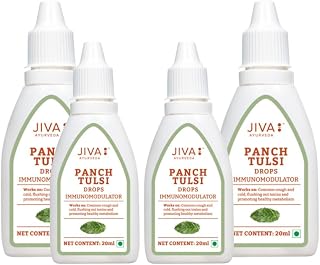


Choosing products for fever is different from choosing an ordinary wellness or household product. A useful fever-care setup should help you measure temperature accurately, maintain hydration, support comfortable rest and identify situations where professional medical attention is needed. No consumer product can determine the underlying cause of a fever, and products marketed as “natural,” “herbal,” or “immunity boosting” should not be treated as substitutes for medical assessment when symptoms are serious or persistent.
For Indian households, the most practical approach is to evaluate fever-care products according to their actual purpose. A reliable digital thermometer can help you monitor temperature, while suitable fluids and oral rehydration products can be useful when illness is accompanied by fluid loss. Other products may improve comfort, but their usefulness depends on the person's age, symptoms, medical history and the cause of the fever.
A digital thermometer is usually a more important purchase than a collection of fever remedies because it provides an objective measurement that can be recorded over time. When comparing thermometers in India, look beyond the headline temperature range and consider measurement method, display readability, measurement consistency, cleaning requirements, battery type and suitability for the intended user.
Brands such as Dr Trust, Omron, Beurer and Braun have established consumer-health product ranges, but the brand name alone should not determine the purchase. Check the exact model's specifications, instructions and intended measurement method before buying.
Traditional contact digital thermometers and infrared thermometers serve different use cases. Contact thermometers can be straightforward and inexpensive, while infrared models can be convenient when contact is difficult or when a caregiver needs to take a reading quickly. However, technique, positioning and the environment can affect infrared readings, so buyers should follow the manufacturer's measurement instructions carefully.
For children, convenience matters, but accuracy and correct technique matter more. A thermometer that is simple enough for a caregiver to use consistently is often more useful than a feature-heavy model that is difficult to operate correctly.
Fever itself does not automatically mean that everyone needs ORS. ORS is particularly relevant when dehydration is associated with diarrhoea or significant fluid loss. WHO describes ORS as a glucose-electrolyte solution used to prevent or treat dehydration and recommends appropriate standard formulations.
When shopping for an ORS product, check the formulation, packaging integrity, instructions for dilution, expiry date and storage requirements. Do not assume that every brightly packaged “electrolyte drink” is equivalent to a standard ORS formulation.
WHO guidance emphasizes preparing ORS with the specified amount of safe water and following the packet instructions. Incorrect dilution can change the concentration of salts and glucose, so guessing the amount of water is not a good practice.
Fever-reducing medicines require considerably more care than ordinary wellness products. In India, consumers may encounter products containing paracetamol and other active ingredients in tablets, capsules, syrups and combination formulations. The important comparison is the active ingredient, strength, age suitability, dose instructions, contraindications and whether another medicine already being taken contains the same ingredient.
Do not select a fever medicine solely because it has a high customer rating. Reviews cannot establish whether a medicine is appropriate for a particular person. Children, older adults, pregnant people and individuals with chronic illnesses may require additional professional guidance.
Cold, flu and fever products sometimes contain several active ingredients. Taking more than one product without checking the ingredient list can result in accidental duplication. A household medicine cabinet should therefore be organized around active ingredients rather than product names alone.
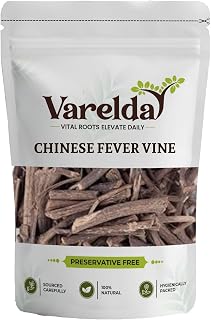
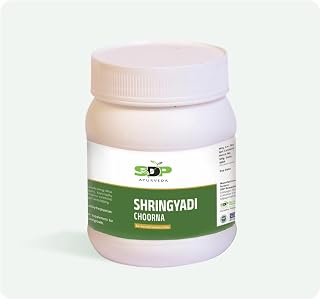
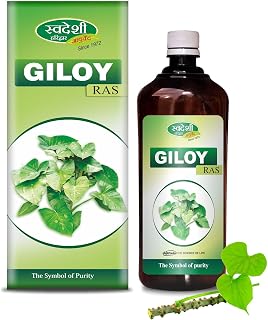
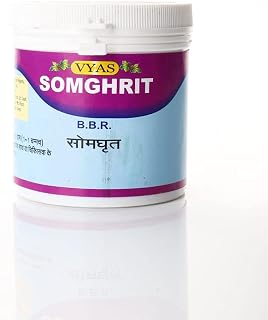
India has a large market for herbal and Ayurvedic products marketed for seasonal wellness, immunity, digestion, respiratory comfort and general recovery. These products can be part of a broader wellness routine, but “herbal” does not automatically mean suitable for treating fever or free from risks.
When considering an herbal fever-related product, examine the complete ingredient list rather than relying on claims such as “natural fever relief,” “100% safe,” “instant recovery” or “works for every type of fever.” Fever can result from many different causes, including infections and other medical conditions, so treating the symptom without understanding the cause can delay appropriate care.
Extra caution is appropriate when a person is already taking prescription medicines. Herbal ingredients can have pharmacological effects and may not be appropriate for everyone.
Cooling products are commonly marketed for fever, including cooling patches, gel sheets, reusable cold packs and similar comfort products. These products may make someone feel cooler temporarily, but they should not be confused with products that diagnose or treat the underlying cause of fever.
When comparing cooling products, consider skin sensitivity, intended duration of use, reusable versus disposable construction, instructions for children and whether the product should be refrigerated or frozen. Never rely on a cooling product as a reason to delay medical attention when serious symptoms are present.
Very cold products can be uncomfortable and may damage skin if used incorrectly. Follow the manufacturer's instructions, use an appropriate barrier when required and avoid prolonged direct exposure. A comfortable room temperature, breathable clothing and adequate fluids may be more useful for general comfort than aggressively cooling the body.
Children require special consideration because age, body weight, hydration status and symptoms can change the significance of a fever. A thermometer designed for convenient household use can be helpful, but caregivers should pay attention to the child's overall condition rather than focusing exclusively on the number shown on the display.
WHO guidance for community management of childhood illness emphasizes identifying danger signs and referring children who need medical attention rather than treating every fever as a routine home-care problem.
Older adults may have different symptoms and may be more vulnerable to dehydration or complications from infection. A useful household fever setup should therefore emphasize reliable temperature monitoring, access to fluids and awareness of changes in alertness, breathing, mobility and general condition.
Medication selection should be particularly cautious when several medicines are already being used. Older adults may take multiple prescription or over-the-counter medicines, making active-ingredient duplication and drug interactions important considerations.
A compact travel fever-care kit can be useful for road trips, flights, train journeys and remote stays. Rather than carrying a large collection of remedies, prioritize a small number of practical items.
For travel to areas where mosquito-borne illnesses are a concern, fever should not automatically be treated as an ordinary viral illness. Depending on the destination and symptoms, illnesses such as dengue or malaria may need clinical evaluation. A fever that is persistent, unusually severe or accompanied by concerning symptoms warrants medical advice rather than repeated self-treatment.
Quality should be assessed according to the product category. The criteria that matter for a thermometer are different from those that matter for an ORS sachet or herbal preparation.
Customer ratings can provide useful information about packaging, convenience and general satisfaction, but they cannot establish medical suitability. A product with thousands of reviews may still be inappropriate for a particular age group or health situation.
Speed is useful, but correct measurement is more important. A thermometer that is difficult to position correctly or produces inconsistent readings can be less useful than a simpler model used properly.
Sports drinks, flavored electrolyte beverages and standard ORS formulations are not automatically interchangeable. Look at the formulation and intended purpose.
Fever does not by itself establish that a bacterial infection is present. Unnecessary antibiotic use can expose people to adverse effects and contributes to antimicrobial resistance.
Combination medicines can contain overlapping active ingredients. Always read the labels before combining products.
Natural ingredients can have active effects, side effects and interactions. Pregnancy, childhood, older age, liver or kidney problems and concurrent medicines can all affect whether a product is appropriate.
Check expiry dates when purchasing and again before use. This is particularly important for products stored in hot or humid household environments.
A practical fever kit does not need dozens of products. A small, organized selection is easier to maintain and reduces the likelihood of using an unsuitable product.
A basic setup can focus on a dependable digital thermometer, safe fluids and appropriate ORS when needed. There is no requirement to purchase an extensive collection of branded fever remedies.
A more comprehensive household setup may include a higher-quality thermometer, additional measurement convenience, organized medicine storage and a supply of appropriate hydration products.
A premium purchase should provide meaningful functional improvements rather than simply more features. For example, improved usability, a clearer display or more convenient measurement can be worthwhile if the household will use the device frequently.
Not necessarily. Price can reflect brand positioning, materials, additional features, packaging or distribution costs. For fever care, the most valuable characteristics are usually reliability, correct use, suitability and clear instructions.
Before paying more, identify the specific problem the premium product solves. A more expensive thermometer is worthwhile only if its additional features improve practical measurement or usability for the intended user.
Reviews are most useful when they are treated as supplementary consumer information rather than medical evidence. Look for patterns in feedback rather than relying on isolated comments.
Be especially cautious about reviews claiming that a product “cures” a fever. A consumer review cannot establish clinical effectiveness.
When researching products on Amazon India or other Indian retailers, compare the exact model, variant, pack size and active ingredients rather than comparing product titles alone.
Price per package is not always the most meaningful comparison. For example, two products may have different pack sizes, concentrations or intended uses. A larger package may not represent better value if the product will expire before it is used.
For medicines and health products, value should be considered alongside suitability, formulation, dosage, storage and intended frequency of use. The cheapest product is not automatically the best choice, and the most expensive product is not automatically the safest.
A single temperature reading provides limited information. Recording readings at consistent intervals, using the same thermometer and following the manufacturer's measurement instructions can make changes easier to recognize.
Temperature should still be interpreted alongside symptoms. A person's breathing, alertness, hydration, pain, ability to eat or drink and general condition may be more important than a single numerical reading.
Consumer fever products should never become a substitute for medical assessment when warning signs are present. Seek prompt professional medical care when fever is associated with severe or worsening symptoms, significant breathing difficulty, confusion, unusual drowsiness, seizures, severe dehydration, persistent vomiting, severe pain, a concerning rash, inability to drink, or a significant deterioration in general condition.
For children, particular attention should be given to poor feeding or drinking, lethargy, rapid or difficult breathing, unusual behavior and other danger signs. WHO guidance emphasizes recognizing danger signs and referring children who need medical attention.
Very young infants with fever require particular caution and should be assessed by a healthcare professional rather than managed solely with household products.
Maintaining adequate fluid intake can be an important part of supportive care. The risk of dehydration can become greater when fever occurs together with sweating, vomiting or diarrhoea. ORS is particularly useful when the body has lost both water and electrolytes, especially with diarrhoeal illness.
Warning signs of dehydration can include unusually little urine, marked thirst, dry mouth, weakness, dizziness, unusual sleepiness or difficulty drinking. Severe dehydration can require urgent medical treatment.
India's heat and humidity make storage particularly important. Medicines, supplements, thermometers and rehydration products should be stored according to their labels and protected from excessive heat, moisture and direct sunlight.
When researching the Indian market, established consumer-health brands such as Omron, Dr Trust, Beurer and Braun may be useful starting points for thermometer comparisons. For medicines and rehydration products, buyers should focus primarily on the exact formulation, active ingredients, regulatory information, instructions and suitability rather than choosing purely by brand recognition.
For herbal and Ayurvedic products, brands commonly encountered in India include Dabur, Himalaya, Baidyanath and Zandu. Their presence in the market does not mean that every product from these brands is appropriate for fever. Always evaluate the specific product and its stated purpose.
For basic home monitoring, a reliable digital thermometer is one of the most useful purchases. Hydration supplies and appropriate ORS can also be valuable when dehydration is a concern. Medicines should be selected according to the person's age, health circumstances and appropriate medical guidance.
There is no single model that is best for every household. Compare measurement method, ease of use, display readability, cleaning requirements, battery life, manufacturer instructions and the needs of the person being monitored. Established brands such as Omron, Dr Trust, Beurer and Braun offer models worth comparing, but the exact model specification matters.
ORS is designed to prevent or treat dehydration by replacing water and electrolytes. It is particularly relevant when dehydration occurs with diarrhoea or other fluid losses. Fever alone does not automatically mean that ORS is required. Follow the product's preparation instructions carefully.
Herbal products should not automatically be considered treatments for the underlying cause of fever. Fever can have many causes, and a person may require diagnosis or targeted treatment. If considering an herbal product, review its ingredients, intended use, warnings and potential interactions with other medicines.
A cooling patch may provide temporary comfort, but it should not be considered a treatment for the cause of fever. It should never replace appropriate hydration, temperature monitoring or medical evaluation when warning signs are present.
Price alone does not establish accuracy. Compare the manufacturer's specifications, measurement method, intended use and instructions. A reasonably priced thermometer that is used correctly can be more useful than an expensive device used incorrectly.
Not automatically. Children's medicines may have different strengths, formulations and dosing requirements. Thermometers may also have different measurement recommendations. Always check age-specific instructions and seek professional advice when uncertain.
Antibiotics should not be included as routine self-treatment for an unexplained fever. Fever alone does not establish a bacterial infection, and unnecessary antibiotic use can be harmful.
There is no universal interval suitable for every illness. Follow the advice of the healthcare professional managing the illness and the thermometer's instructions. If monitoring at home, consistency is useful so that changes can be compared over time.
Focus on the active ingredient, strength, age suitability, dosing instructions, contraindications, interactions and whether another product contains the same ingredient. Do not choose a medicine solely because it has a high rating or strong marketing claims.
For general household monitoring, a dependable thermometer is a sensible starting point because it helps establish whether an elevated temperature is present and allows changes to be recorded. The remaining products should be chosen according to the household's actual needs.
The best fever products are not necessarily the products with the strongest marketing claims or the highest prices. A sensible Indian household should prioritize accurate temperature monitoring, appropriate hydration support, safe storage, clear instructions and responsible medicine use.
When comparing products, start with the purpose of the item, then evaluate its specifications, formulation, age suitability, instructions, warnings, expiry date and practical usability. For herbal products, examine the ingredients and claims carefully. For medicines, focus on active ingredients and appropriate use. For thermometers, prioritize reliable measurement and ease of correct use.
Most importantly, fever is a symptom rather than a diagnosis. Consumer products can support monitoring and comfort, but they cannot determine why someone has a fever. When symptoms are severe, persistent, worsening or accompanied by danger signs, professional medical evaluation should take priority over continued experimentation with home remedies or over-the-counter products.