

♥ Wishlist
Compare 58 verified Rosemary Essential Oil for Everyday Wellness & Personal Care products in India. Reviews, ratings, pros, cons and buying advice updated for September 2026.

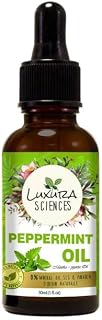


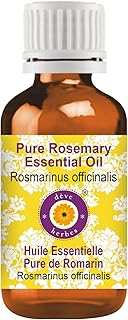
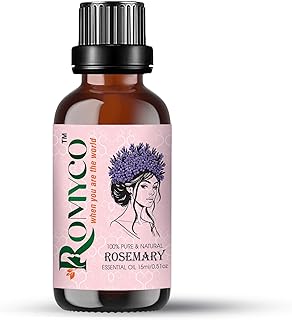


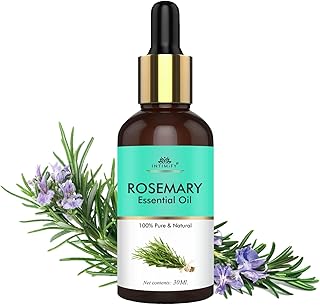


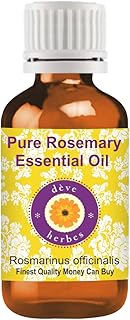


Choosing rosemary essential oil is not simply a matter of selecting the bottle with the highest rating or the lowest price. Product quality can vary according to the botanical source, extraction method, concentration, packaging, batch information, intended use, and storage conditions. For shoppers in India, it is also useful to consider whether a product is clearly labelled for aromatherapy, cosmetic use, hair and scalp applications, or another intended purpose.
Rosemary essential oil is commonly associated with the aromatic herb Rosmarinus officinalis, now botanically classified as Salvia rosmarinus. A quality-focused buying decision should begin with the label rather than marketing claims. Look for the botanical name, net quantity, ingredient information, directions, manufacturer or marketer details, batch information where applicable, and appropriate safety guidance.
This guide is designed to help Indian shoppers compare rosemary essential oil products more intelligently. Instead of treating every bottle as interchangeable, consider the characteristics that affect suitability, convenience, storage, and intended use.
Rosemary essential oil is a concentrated aromatic oil obtained from rosemary plant material, generally through steam distillation or another suitable extraction process. It contains naturally occurring volatile compounds responsible for its distinctive herbal, fresh, camphoraceous aroma.
The chemical profile of rosemary oil can vary depending on the plant variety, growing conditions, geographic origin, harvest conditions, distillation practices, and other production factors. This is one reason why two products labelled as rosemary essential oil can have noticeably different aromas and characteristics.
For consumers, the important point is that essential oil is highly concentrated. It should not automatically be treated like culinary rosemary, a diluted carrier oil, or a conventional cosmetic ingredient. Intended use and the manufacturer's directions matter.
These products are often confused, but they are not necessarily the same.
Always read the ingredient list and product description carefully before buying. The word “rosemary” on the front label does not by itself establish what type of product is inside the bottle.
A botanical name provides more useful information than a generic front-label statement. Products may identify rosemary using the current botanical name Salvia rosmarinus or the commonly encountered synonym Rosmarinus officinalis.
Clear botanical identification is particularly helpful when comparing products from different manufacturers because common names can sometimes be used broadly.
Check whether the bottle contains rosemary essential oil alone or whether it has been diluted with another oil. A product marketed as a pure essential oil should be evaluated differently from a ready-to-use hair or massage oil.
Do not assume that a larger bottle is better value. If one product is concentrated and another is pre-diluted, their intended applications and effective quantities may be completely different.
Steam distillation is a common method associated with essential oils from aromatic plant material. If an extraction method is disclosed, it can be useful information during comparison, although extraction method alone does not prove overall product quality.
Responsible product evaluation considers extraction method together with botanical identification, ingredient transparency, packaging, batch information, storage guidance, and manufacturer information.
Essential oils are generally best protected from excessive light, heat, and air. Dark glass packaging is commonly used because it helps reduce exposure to light. A secure cap and a well-designed dropper or reducer can also make a concentrated oil easier to dispense carefully.
For Indian buyers, packaging deserves particular attention because products may be exposed to warm temperatures during storage or transportation. Keep essential oils according to the manufacturer's storage recommendations rather than leaving them in direct sunlight or near a heat source.
Common bottle sizes can include small trial bottles as well as larger formats. The appropriate size depends on frequency of use.
Compare cost per millilitre rather than comparing only the displayed selling price.
Clear manufacturer or marketer information and batch-related details can make a product easier to evaluate. Buyers should favour listings and labels that provide sufficient information to identify the product and its responsible business entity.
When purchasing online, compare the information shown on the product listing with the physical packaging shown in photographs. If important details are missing or inconsistent, consider choosing a product with clearer documentation.
Essential-oil labels can contain terminology that sounds similar but has different implications. Understanding the wording can prevent common buying mistakes.
Statements such as “100% pure” are marketing or product-description claims and should be considered alongside the ingredient list and other available product information. The phrase alone does not tell you the botanical origin, chemical profile, freshness, or storage history.
Natural does not automatically mean suitable for every person or every application. Essential oils are concentrated substances and can cause irritation or sensitisation in some circumstances.
Consumers should be cautious about treating “therapeutic grade” as a universal independent quality certification. There is no single global grading system that makes this phrase sufficient evidence of superiority. Instead, assess the actual product information, intended use, ingredient transparency, and safety directions.
Organic claims should be considered in the context of the applicable certification or regulatory framework. If organic status is important to you, look for meaningful certification information rather than relying only on the word appearing in promotional text.
Rosemary essential oil is frequently marketed in hair-care products and is widely discussed in connection with scalp and hair routines. However, an essential oil should not be confused with a finished hair treatment.
Because essential oils are concentrated, applying undiluted rosemary essential oil directly to the scalp can increase the likelihood of irritation. Consumers interested in scalp use should follow the product's directions and use an appropriate dilution when the product is intended to be diluted.
A finished rosemary hair oil may be more convenient for someone who does not want to calculate dilution ratios. Such products may contain carrier oils such as coconut, jojoba, almond, or other cosmetic oils alongside rosemary-derived ingredients.
If your primary objective is scalp care rather than aromatherapy, a properly formulated finished hair product may be more practical than buying a concentrated essential oil separately.
Rosemary has a strong herbal aroma that many people find fresh, stimulating, and distinctive. Aromatherapy use can involve diffusion or other methods recommended by the manufacturer.
Diffusers should be used according to their operating instructions. More oil does not necessarily mean a better experience. Start conservatively and maintain suitable ventilation, especially in smaller rooms.
People sharing a home with children, pets, older adults, or individuals who are sensitive to fragrances should consider the needs of everyone in the environment before using a diffuser.
Concentrated essential oil generally requires appropriate dilution before topical application unless the manufacturer specifically states otherwise for a particular formulated product. A carrier oil can reduce the concentration of the essential oil and make application more practical.
Common carrier oils include coconut oil, jojoba oil, sweet almond oil, and grapeseed oil. The choice depends on the desired texture, skin preferences, and intended application.
Do not apply essential oil to broken or severely irritated skin. Avoid the eyes and other sensitive areas. If irritation occurs, discontinue use and seek appropriate professional advice when necessary.
Essential oils are concentrated botanical substances and should be handled with care.
Essential oils should complement sensible personal-care practices rather than replace professional medical diagnosis or treatment.
Brand comparison should go beyond ratings. A useful comparison considers what the company tells you about the product and whether the information is sufficiently clear for the intended application.
Depending on availability and the current Indian marketplace, shoppers may encounter brands such as Deve Herbes, Soulflower, Aroma Treasures, Moksha Lifestyle, Organix Mantra, Rey Naturals, and other specialist essential-oil companies. International brands such as NOW Foods and Plant Therapy may also appear through Indian retailers or marketplace sellers.
The presence of a familiar brand name does not automatically make a specific bottle the best choice. Check the individual product's ingredients, intended use, bottle size, manufacturing information, storage guidance, and current seller information before purchasing.
On marketplace websites, the same brand may be listed by different sellers. Before ordering, check the seller identity, product condition, packaging information, return terms shown by the retailer, and whether the listing corresponds to the product you intend to buy.
Where multiple listings exist, compare the complete listing rather than selecting the first result.
Neither format is automatically superior. The better option depends on how you intend to use it.
Value is not simply the lowest price per bottle. A product can offer better practical value when it combines appropriate concentration, useful packaging, transparent labelling, sensible bottle size, and a formulation suited to the buyer's intended use.
For example, purchasing a large bottle of concentrated oil may not be economical for an occasional user if much of it remains unused for a long period. Conversely, someone who regularly prepares properly diluted blends may prefer a larger bottle.
Calculate the cost per millilitre and then consider how much product you realistically expect to use.
Ratings can be useful, but they do not replace technical product information. A product with thousands of ratings may still be unsuitable for your intended application.
A product called rosemary oil may be an essential oil, infused oil, hair oil, massage blend, or fragrance product. Read the ingredients.
Bigger is not automatically better. Concentrated oils can be used in very small quantities, so a smaller bottle may be more practical for occasional use.
Clear bottles stored in bright environments may be less desirable than packaging designed to reduce light exposure. Also check that the cap and dispensing system are secure.
Essential oil concentration is easy to underestimate. Follow the manufacturer's topical-use guidance and use an appropriate carrier oil when dilution is required.
Claims involving hair growth, disease treatment, pain relief, infection, or other medical outcomes require more scrutiny than ordinary fragrance or cosmetic claims. A product page should not be treated as a substitute for medical evidence or professional advice.
Storage is particularly relevant in warm climates. Keep the bottle tightly closed and follow the manufacturer's recommended storage conditions.
Over time, exposure to oxygen, heat, and light can affect aromatic products. Good storage practices can help preserve product quality for longer.
A strong online listing should provide enough information for a consumer to understand what is being purchased without relying entirely on promotional language.
If a listing provides only broad claims such as “premium,” “best,” or “100% natural” but little technical information, compare it with alternatives that provide greater transparency.
Customer reviews can help identify practical issues, but they should be interpreted carefully. Look for repeated patterns rather than relying on one highly positive or highly negative comment.
Reviews are most useful when combined with the manufacturer's information and the technical details shown on the listing.
Prioritise a clearly identified essential oil, a scent profile you enjoy, secure packaging, and clear diffuser instructions.
Decide whether you want concentrated essential oil for properly diluted use or a ready-to-use hair formulation. Ingredient transparency and application instructions become especially important.
A clearly labelled concentrated essential oil may be preferable if you are comfortable measuring small quantities and following appropriate dilution guidance.
A smaller bottle and clear safety instructions can make more sense than buying a large concentrated bottle. Beginners should avoid assuming that “more” produces better results.
Regular users can compare cost per millilitre, bottle design, storage practicality, and product consistency while ensuring the product remains appropriate for their intended use.
There is no single best option for every buyer. The right product depends on intended use, formulation, concentration, packaging, ingredient transparency, bottle size, budget, and personal preferences. Compare the complete product specifications rather than relying on the brand name or rating alone.
Not necessarily. Pure essential oil is concentrated and provides flexibility for appropriate dilution and formulation, while a finished hair oil may be more convenient because it is already formulated for a particular cosmetic use. Choose based on how you intend to use the product.
Concentrated essential oil should not automatically be applied directly to the scalp. Follow the product's directions and use suitable dilution for topical applications when required. A ready-to-use hair product may be a simpler alternative for people who do not want to formulate their own blend.
Frequency depends on the formulation and intended use. A concentrated essential oil should be handled according to its directions rather than assuming that daily application is appropriate. Finished cosmetic products may have different instructions.
Keep the bottle tightly closed and away from direct sunlight, excessive heat, and unnecessary air exposure. Follow the manufacturer's storage recommendations and keep the product away from children and pets.
For occasional use, a smaller bottle may be practical. Regular users can consider larger bottles after confirming that the product suits their needs. Compare the price per millilitre and consider how quickly you are likely to use the oil.
The phrase “therapeutic grade” should not be treated as a universal independent certification of essential-oil quality. Evaluate botanical identification, ingredients, manufacturing information, packaging, intended use, and safety information instead.
Rosemary essential oil can be incorporated into a suitable carrier oil for topical applications when properly diluted. Follow appropriate dilution guidance and the manufacturer's instructions rather than adding an arbitrary amount of essential oil.
Many rosemary essential oils are used for aromatherapy, but the specific product should be checked for intended use. Follow the diffuser manufacturer's instructions and use reasonable quantities with suitable ventilation.
No. Price alone does not establish quality. A higher-priced product may have different packaging, sourcing, formulation, or positioning, but consumers should compare the actual specifications and intended use before paying more.
No. Origin alone does not determine quality. Indian and international brands can use different sourcing and manufacturing approaches. Compare the specific product's transparency, formulation, packaging, and suitability instead of assuming that imported products are automatically superior.
The best rosemary essential oil purchase is the one that matches your intended application and provides enough information to make a confident decision. For a concentrated essential oil, pay particular attention to botanical identification, ingredient transparency, packaging, directions, safety information, and storage. For hair or scalp use, consider whether a properly formulated finished product would be more convenient than working with concentrated essential oil.
Before purchasing, compare several current listings, review the specifications carefully, examine recent customer feedback for recurring practical issues, and check today's price from a trusted retailer. Availability, seller information, pack sizes, and pricing can change throughout 2026, so the details shown at the time of purchase should take priority over older comparisons.
For buyers in India, a thoughtful comparison is more useful than simply choosing the product with the strongest marketing claim. Focus on transparent labelling, appropriate formulation, safe handling, practical packaging, and a product format that genuinely fits your routine.