

♥ Wishlist
Compare 56 verified Diabetes Care Products for Everyday Wellness products in India. Reviews, ratings, pros, cons and buying advice updated for September 2026.


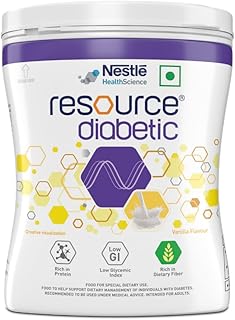






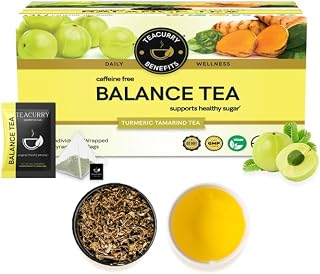





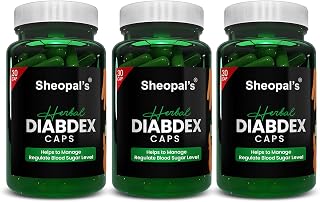




Choosing a diabetes-related product is not simply a matter of finding the most popular item or the lowest price. The right choice depends on what the product is designed to do, how frequently it will be used, whether replacement supplies are readily available, how easy the device is to operate, and whether its features match the user's diabetes-management routine.
This independent buying guide focuses on products and tools that can support diabetes management in India, particularly glucose monitoring, testing accessories, daily-care products and practical health-monitoring equipment. It is designed for people comparing products before purchasing through trusted retailers or marketplaces.
Brands commonly encountered in India's diabetes-care market include Accu-Chek, OneTouch, FreeStyle Libre, Dr Morepen, Beurer, Omron and other established manufacturers. Availability, specifications, compatible accessories and pricing can change, so shoppers should always verify the current product information before purchasing.
Important: Diabetes products do not replace medical diagnosis, prescribed medicines, insulin, nutritional advice or professional care. A glucose meter, continuous glucose monitor, supplement, food product or other consumer item should be selected according to the user's individual needs and, where appropriate, the advice of a qualified healthcare professional.
A blood glucose meter is one of the most practical diabetes-management devices for people who have been advised to monitor glucose at home. It typically uses a small blood sample placed on a compatible test strip, after which the meter displays a glucose reading.
When comparing glucometers, the headline feature should not be the only consideration. A relatively inexpensive meter can become expensive over time if its test strips cost more or are difficult to obtain. Conversely, a feature-rich meter may offer little practical advantage if the user only needs straightforward testing.
Popular product families in India include options from Accu-Chek, OneTouch and Dr Morepen. However, the best glucometer for one person may not be the best choice for another because the recurring cost and availability of compatible strips can matter more than the initial purchase price.
Continuous glucose monitoring, commonly abbreviated as CGM, uses a wearable sensor to collect glucose information over time. Instead of relying exclusively on individual finger-stick readings, a CGM can provide a much broader picture of glucose trends.
FreeStyle Libre is one of the best-known CGM product families available to consumers in India. Other glucose-monitoring systems may also be available depending on location, product generation and current distribution.
CGM technology is not automatically the right choice for every person with diabetes. Cost, sensor replacement, smartphone compatibility, skin tolerance, data interpretation and the user's treatment plan all deserve consideration.
Test strips are often overlooked when people compare glucose meters. They should actually be one of the first things considered because a meter is of limited practical value without compatible strips.
Test strips are generally model-specific. A strip designed for one meter should not be assumed to work with another model simply because the products come from the same manufacturer.
OneTouch and Accu-Chek are examples of established brands with multiple meter and strip ecosystems. A buyer should identify the exact meter model before ordering replacement strips.
For conventional finger-stick glucose testing, the lancing device and lancet can have a surprisingly large impact on everyday comfort. A meter may be technically suitable, but repeated testing can become frustrating if the lancing system is difficult to use.
Look for a lancing device that allows appropriate depth adjustment, is easy to load, and can be handled comfortably. OneTouch, Accu-Chek and other established diabetes-care manufacturers offer lancing products in different configurations.
Used lancets should be handled and disposed of responsibly. They should not be casually left in household waste where they could injure another person.
Foot care deserves attention because diabetes can be associated with foot complications, particularly when sensation, circulation or wound healing is affected. Footwear is therefore more than a fashion decision for people who have been advised to take additional foot-care precautions.
A good pair of diabetes-appropriate shoes should prioritize fit, comfort and protection. The correct design depends on the individual's feet and any existing complications.
Do not choose footwear solely because a product listing uses phrases such as “diabetic shoe.” The actual construction, fit and suitability for the individual's feet are more important than marketing terminology.
Moisturising and foot-care products can be useful for maintaining healthy-looking skin, but people with diabetes should be cautious about treating foot problems as ordinary cosmetic concerns.
For routine skin care, products designed to reduce excessive dryness may be considered. However, creams should not be applied indiscriminately between the toes if that area is prone to excess moisture. Existing wounds, ulcers, infections, significant swelling, colour changes or unexplained pain require appropriate medical evaluation rather than self-treatment with an over-the-counter cream.
Blood-pressure monitoring can be relevant to comprehensive cardiovascular health, including for people living with diabetes. A home blood-pressure monitor is therefore a useful category to consider when a healthcare professional has recommended regular monitoring.
Brands such as Omron and Beurer are widely associated with home blood-pressure monitoring products, but buyers should focus on the exact model rather than relying on brand recognition alone.
Correct cuff size and measurement technique are essential. An advanced monitor cannot compensate for an incorrectly positioned or incorrectly sized cuff.
Some consumers search for “diabetic food” or “diabetes-friendly food” when they actually need help controlling portions and understanding carbohydrate intake. This is an area where product marketing can easily become misleading.
A food labelled “sugar-free” does not necessarily mean it is low in carbohydrates, low in calories or appropriate for every person with diabetes. Ingredients, total carbohydrate, serving size and the overall eating pattern matter.
People using diabetes medicines or insulin should not make major dietary changes based solely on product packaging. Individual nutrition needs vary, and medication requirements may change when eating patterns change.
Sugar substitutes are another frequently searched category, particularly among consumers trying to reduce added sugar in tea, coffee and other foods.
Stevia-based products, sucralose-based products and other low- or no-sugar sweeteners can have different ingredients, sweetness intensity and culinary uses. Buyers should read the complete ingredient list instead of selecting a product simply because the front label says “diabetic,” “zero sugar” or “natural.”
The objective should be sensible reduction of added sugar where appropriate, not unlimited consumption of products marketed as sugar-free.
For some users, the most useful diabetes-related product is not another physical device but a system that makes health information easier to record and review. Depending on the meter or CGM, this can include smartphone applications, glucose logs, digital reports and data-sharing features.
Before buying a connected diabetes device, check whether its app works with the user's smartphone, whether data can be exported or shared when necessary, and whether the interface is understandable enough to encourage consistent use.
The most common buying mistake is starting with a product category before identifying the actual problem. Someone who needs occasional glucose testing does not necessarily need a CGM. Someone already using a particular meter does not necessarily benefit from buying a second meter. Someone experiencing a foot wound should not simply purchase a foot cream.
Write down the specific requirement first. For example: “I need a simple meter for regular home testing,” “I need to understand glucose trends,” or “I need comfortable footwear because my current shoes create pressure points.” Then compare products against that requirement.
The purchase price shown on a product page is often only the beginning. Diabetes monitoring can involve recurring expenses for strips, lancets, sensors, batteries, replacement cuffs or other consumables.
For a glucose meter, compare the approximate ongoing cost of the strips over several months rather than choosing a meter simply because the device itself is inexpensive.
For CGM systems, calculate the recurring sensor expense and consider whether the cost is sustainable for the intended duration of use.
A sophisticated device becomes inconvenient if its replacement supplies are difficult to obtain. Before choosing a meter or CGM system, check whether compatible supplies are sold through reputable retailers in your area and whether the exact model is still actively supported.
Many healthcare-device brands sell several products with similar names. A listing may refer to a product family while the actual item is a particular model with different features.
Always compare the exact model number, included accessories, compatible consumables and manufacturer specifications.
Customer ratings can help identify recurring usability issues, but ratings alone should not determine a healthcare-product purchase. A review may reflect shipping quality, packaging, expectations, personal preference or an unrelated problem.
For important equipment, compare customer feedback with the manufacturer's specifications and, where appropriate, professional medical guidance.
There is no universal winner because the two technologies serve different purposes.
A conventional glucometer provides individual blood glucose measurements and can be practical for users who have been advised to perform self-monitoring. A CGM provides a broader stream of glucose information and can make trends easier to observe.
Do not interpret a CGM reading, glucose-meter result or trend arrow in isolation when making important treatment decisions. Follow the instructions for the specific system and the clinical advice provided to you.
A low initial price can be misleading if replacement strips are expensive. Calculate recurring expenses before deciding.
Test strips are generally designed for specific meter models. Confirm compatibility before purchasing.
Consumables such as test strips should be checked for expiry and stored according to the manufacturer's instructions.
Healthcare-related products should preferably be sourced from reputable retailers or authorized channels. Pay attention to seller identity, packaging condition, expiry information and return policies where applicable.
Herbal ingredients and dietary supplements can have biological effects and may interact with medicines or be unsuitable for certain individuals. Natural products should not automatically be considered diabetes treatments.
Be especially cautious about products claiming to cure diabetes, permanently reverse diabetes, replace prescribed medicine or guarantee a particular glucose result. Such claims should not be accepted simply because they appear on a product page or in customer reviews.
Dry skin and routine foot care are different from an ulcer, infection, significant injury or other potentially serious foot problem. The latter requires professional assessment.
Amazon India and other major marketplaces can make product comparison convenient, but buyers should evaluate the listing carefully.
For products such as test strips, sensors and lancets, avoid buying unusually large quantities simply because the per-unit price appears lower. The appropriate quantity depends on actual usage and product shelf life.
Online reviews can provide useful information about packaging, ease of use and everyday convenience, but they should be interpreted carefully.
The priority should be understanding the monitoring and treatment plan rather than buying a large collection of products. If home glucose monitoring has been recommended, a reliable and easy-to-use meter may be an appropriate starting point.
Recurring strip and lancet costs become particularly important. Comfort, test-strip availability and a straightforward lancing device may matter more than advanced connectivity.
A CGM may provide a more comprehensive picture of glucose changes over time. The appropriate system depends on clinical needs, budget, sensor availability and compatibility requirements.
Large displays, simple controls, easy strip insertion and clear instructions can be valuable. If eyesight, dexterity or memory is a concern, usability should be prioritized over unnecessary technical features.
Data-sharing functionality, readable reports and reliable supply availability may be particularly important. Privacy and consent should also be considered when sharing health information.
Portability, battery options, supply availability and storage requirements become more important. Keep testing supplies protected from excessive heat, moisture and other conditions that may affect them.
Correct storage is essential for products that contain electronic components or consumables. Always follow the manufacturer's instructions because acceptable temperature, humidity and storage conditions vary by product.
A high-quality diabetes product is not necessarily the product with the largest number of features. Quality is better judged by whether the product performs its intended function reliably, is appropriate for the user, has clear instructions, has compatible replacement supplies and comes from a manufacturer with adequate product documentation and support.
For monitoring equipment, accuracy-related claims should be interpreted according to the relevant manufacturer's documentation and applicable standards rather than relying solely on marketing language.
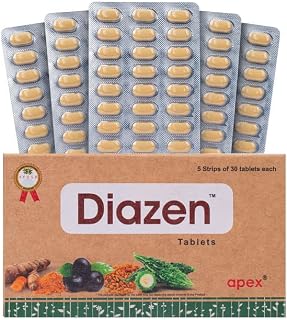
Herbal and natural products are frequently marketed toward people interested in blood-sugar management. This category requires particular caution.
A product being labelled herbal, Ayurvedic, plant-based or natural does not establish that it can treat or cure diabetes. Some ingredients may affect blood glucose, blood pressure, digestion or the metabolism of medicines. Combining a supplement with diabetes medication can therefore require professional guidance.
Before using an herbal supplement, check the complete ingredient list, serving instructions, manufacturer information and any warnings. People taking prescription medicines, insulin or multiple health products should discuss supplement use with an appropriate healthcare professional.
There is no single best diabetes product for everyone. The appropriate choice depends on whether you need glucose monitoring, continuous glucose tracking, testing accessories, foot-care support, blood-pressure monitoring or another specific product. Start with the problem you need to solve and then compare products based on reliability, usability, compatibility and ongoing cost.
A suitable home glucometer should be easy to operate, have compatible test strips that are reasonably accessible, provide clear readings and fit the user's testing routine. Accu-Chek, OneTouch, Dr Morepen and other established brands offer different models, so compare the exact model rather than choosing by brand name alone.
CGM and conventional glucose meters serve different purposes. A CGM can provide continuous or frequent trend information, while a glucometer provides individual blood glucose measurements. The better option depends on the user's clinical needs, monitoring plan, budget and preference.
FreeStyle Libre is a CGM product family designed to provide glucose information through wearable sensors. Whether it is appropriate for a particular person depends on individual circumstances, the specific system available and the person's diabetes-management plan.
No. A higher price does not automatically mean that a product is more appropriate. A simple meter with readily available strips may be a better practical choice for one person, while another person may benefit from a more advanced monitoring system.
Ratings can help identify common usability issues, but they should not be the only selection criterion. Check specifications, model compatibility, manufacturer information, consumable availability and current seller details as well.
Not necessarily. “Sugar-free” does not automatically mean low carbohydrate or suitable in unlimited quantities. Check the nutrition information, ingredients and serving size.
No product should be assumed to replace prescribed diabetes treatment. Herbal supplements should be discussed with an appropriate healthcare professional, particularly when the person takes medication or insulin.
The appropriate testing frequency varies considerably according to diabetes type, treatment, medication, insulin use, pregnancy status, glucose control and the individual's medical plan. Follow the testing schedule recommended by the healthcare professional rather than adopting a generic schedule from an online product guide.
Follow the storage instructions provided with the specific test strips. In general, users should protect strips from conditions such as excessive moisture and heat and should observe the stated expiry information.
Consider sensor duration, recurring cost, smartphone compatibility, reader requirements, alert functionality, availability of replacement sensors, ease of application, manufacturer support and whether CGM is appropriate for your monitoring plan.
For regular testing, both matter, but ongoing strip cost can become a significant part of the total expense. Compare the complete ownership cost rather than focusing only on the initial meter price.
This buying guide is intended as independent consumer information rather than a substitute for professional medical advice. Product availability, specifications, packaging, prices, retailer listings and manufacturer policies can change during 2026, so readers should verify current information before completing a purchase.
The most useful comparison is not necessarily the product with the most impressive marketing language. It is the product that matches the user's actual requirements, is practical to use consistently, has appropriate supporting supplies and fits within a sustainable budget.
For diabetes-related purchases, reliability and suitability should come before novelty. A simple device that a person can use correctly and consistently may provide greater practical value than an advanced product whose features are rarely used.
The best diabetes products in India in 2026 should be selected according to purpose rather than popularity alone. For glucose monitoring, compare conventional meters, test strips, lancets and CGM systems as complete ecosystems. For broader daily care, consider appropriate blood-pressure monitoring, footwear, foot-care products and sensible food-label evaluation. For herbal and natural products, be particularly cautious about unsupported treatment or cure claims.
Before buying, compare specifications, recurring costs, compatibility, usability and current availability. Most importantly, treat consumer diabetes products as tools that can support a medically appropriate management plan—not as replacements for diagnosis, prescribed treatment or professional care.