

♥ Wishlist
Compare 39 verified Best Essential Oils Online in India for Aromatherapy and Everyday Wellness products in India. Reviews, ratings, pros, cons and buying advice updated for September 2026.




Choosing an essential oil is not simply a matter of selecting the most popular bottle or the product with the highest number of customer ratings. Essential oils vary considerably in botanical source, extraction method, concentration, intended use, packaging, aroma profile and quality documentation. For shoppers in India, climate, storage conditions, product labeling and the intended application are also important considerations.
This guide is designed to help you compare essential oils more carefully before purchasing. Whether you are looking for lavender oil for a relaxing aroma, peppermint oil for its fresh scent, tea tree oil for personal-care routines, eucalyptus oil for aromatic use, or a versatile essential oil set, the right choice depends on more than the name on the bottle.
When comparing products, consider the botanical name, plant part used, extraction method, ingredient list, bottle material, dilution guidance, batch information and seller reputation. Brands such as Deve Herbes, Moksha Lifestyle, Soulflower, Organix Mantra, Aroma Treasures and other established essential-oil brands may offer different product formats, so compare the individual product specifications rather than assuming every oil from one brand has identical characteristics.
A useful comparison should focus on factors that can actually affect purchasing decisions. Customer ratings can provide useful feedback about packaging, aroma and overall satisfaction, but ratings alone do not establish purity or therapeutic effectiveness. Product descriptions should therefore be checked alongside the label and manufacturer information.
Essential oils are concentrated aromatic substances obtained from plants. Different parts of a plant can be used, including flowers, leaves, peels, seeds, bark, roots and resins. The resulting oil can have a very different aroma and chemical profile depending on the botanical species and processing method.
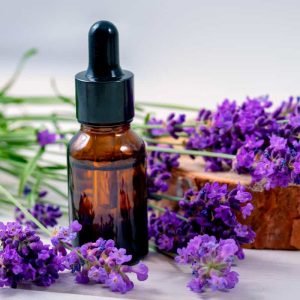
Lavender is one of the most widely recognised essential oils and is commonly selected for its floral, herbaceous aroma. It is frequently used in diffusers, aromatic blends and personal-care formulations. If you are comparing lavender products, check the botanical name and whether the product is pure lavender essential oil or a fragranced blend.
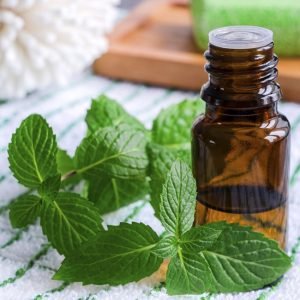
Peppermint oil has a strong, cooling and minty aroma. It is popular for diffusion and aromatic blends. Because peppermint oil is highly concentrated, shoppers should pay close attention to dilution and application instructions, particularly when considering use around children, pets or sensitive individuals.
Tea tree oil is known for its distinctive fresh, medicinal-like aroma and is commonly included in personal-care and cosmetic formulations. When comparing tea tree products, look for the botanical identity, ingredient transparency and appropriate storage information.
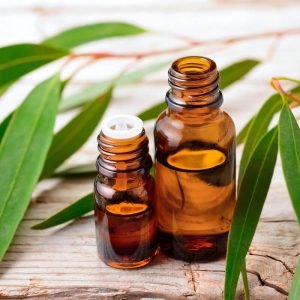
Eucalyptus oils can differ substantially depending on the species used. A bottle labeled simply as eucalyptus oil may not provide enough information for a detailed comparison, so checking the botanical name and intended use is worthwhile.
Lemongrass has a bright citrus-like and grassy aroma and is frequently used in diffuser blends, soaps, candles and other aromatic applications. Its strong scent means that only a small amount may be needed in many formulations.
Rose products require particularly careful comparison because the term “rose oil” can refer to different formulations. True rose essential oil is different from rose fragrance oil, rose-infused carrier oil and products containing diluted rose aromatic extracts. Read the ingredient panel rather than relying on the product name.
These products should not be treated as interchangeable. An essential oil is a concentrated aromatic material derived from botanical material. A fragrance oil is formulated primarily to provide a particular scent and may contain aromatic compounds that are not the same as those naturally present in a plant. A carrier oil, such as coconut, jojoba or sweet almond oil, is a fixed vegetable oil commonly used to dilute essential oils.
Confusing these categories is one of the most common buying mistakes. Always inspect the full product description and ingredient information before ordering.
Steam distillation is widely used for extracting volatile aromatic compounds from many leaves, flowers, herbs and other plant materials. The botanical material is exposed to steam, and volatile compounds are collected and separated during condensation.
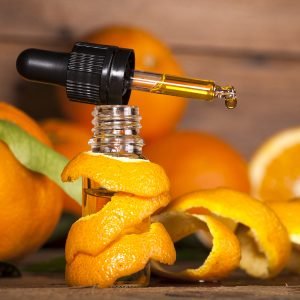
Cold pressing is commonly associated with citrus peels. The process mechanically releases aromatic material from the peel. Citrus oils require particular attention to storage and application instructions because their properties can differ from those of distilled oils.
Some delicate botanicals require specialised extraction techniques. Products made using solvent extraction, carbon dioxide extraction or other processes should be compared according to the manufacturer's stated method and intended application. A different extraction method does not automatically mean better quality; suitability depends on the botanical and desired characteristics.
A professional product label should provide enough information for a buyer to understand what is being purchased. Before adding an oil to your cart, look for:
Be cautious of listings that make unusually broad claims while providing little information about the actual contents. Statements such as “100% pure” should be considered alongside the ingredient list, botanical identification and other available product information rather than treated as independent proof of quality.
Not necessarily. Essential-oil prices can vary because of the plant species, yield, cultivation conditions, extraction method, availability of raw materials, bottle size and formulation. Some botanicals naturally require much larger quantities of plant material to produce a relatively small amount of aromatic oil.
A low price is not automatically evidence of poor quality, and a premium price is not automatically evidence of superior quality. For commercial comparison, evaluate the product specification first and then consider cost per millilitre.
Essential oils are often sold in relatively small bottles because they are concentrated products. Common bottle sizes can include 5 ml, 10 ml, 15 ml and larger formats, although actual availability varies by brand and retailer.
For occasional personal use, a smaller bottle can reduce the chance of keeping an opened oil for longer than necessary. Frequent users may find larger bottles more economical, but only if the oil is used regularly and stored appropriately.
Essential oils are sensitive to environmental conditions, particularly heat, light and air exposure. Dark-coloured glass packaging is commonly used because it helps limit light exposure. A tightly closed cap also reduces unnecessary exposure to air and helps prevent leakage.
Essential oils are concentrated substances and should not be treated like ordinary cosmetic oils or drinking ingredients. The appropriate method of use depends on the specific oil, formulation and individual circumstances.
For topical use, essential oils are commonly diluted in a suitable carrier oil. The correct dilution varies according to the oil, application and user. Always follow the manufacturer's instructions and, where appropriate, seek advice from a qualified healthcare professional or aromatherapy professional.
Ratings can help identify products that customers generally like, but they do not provide a complete assessment of botanical identity, purity or suitability. Read recent written reviews for useful information about packaging, leakage, aroma and consistency while checking technical specifications separately.
Natural fragrance, botanical extracts, infused oils and essential oils are different categories. A product can contain natural ingredients without being a pure essential oil.
Common names can cover multiple plant species. The botanical name provides more precise identification and makes product comparison easier.
Buying a larger quantity simply because the unit price appears lower may not be economical if you use essential oils infrequently. Consider realistic consumption and storage conditions.
An oil suitable for a diffuser does not automatically have the same suitability for skin application. Always follow the product's stated directions.
For diffuser use, aroma preference and compatibility with the diffuser are key considerations. Look for clearly labeled essential oils without unnecessary carrier oils or additives when the diffuser manufacturer specifies essential oils.
If you are making soaps, body oils, bath products or other formulations, consider the oil's recommended usage level, skin-safety information and compatibility with the complete formulation. Do not use arbitrary quantities simply because an online recipe suggests them.
Massage applications generally require dilution in an appropriate carrier oil. The concentration should be selected according to the oil, intended body area and user. A product intended specifically for undiluted use should not be assumed to be appropriate for massage.
Essential oils can be used in certain home-fragrance applications, but the formulation and equipment matter. Check whether the chosen oil is suitable for the intended diffuser, burner or DIY fragrance system.
Essential-oil gift sets can be convenient when you want to explore several aromas, while individual bottles are generally easier to evaluate when you already know which botanicals you prefer.
Brand reputation can be a useful starting point, but the individual product should always be evaluated. Depending on the product category and current availability, Indian shoppers may encounter brands such as Soulflower, Moksha Lifestyle, Deve Herbes, Aroma Treasures, Organix Mantra and other specialist or general wellness brands.
When comparing brands, look beyond marketing language. Examine the botanical information, ingredient declaration, packaging, product size, directions, safety information and seller details for the exact bottle you are considering.
Customer reviews are most useful when you separate subjective impressions from verifiable product characteristics. Aroma is inherently personal, so one customer's description of a scent may not match another person's preference.
The phrase “therapeutic grade” is frequently used in essential-oil marketing, but shoppers should not treat the phrase by itself as a universal independent quality certification. A better approach is to examine the product's actual botanical identity, ingredient information, manufacturing details, testing information where provided and appropriate safety guidance.
Similarly, claims that an essential oil can diagnose, prevent or treat medical conditions should be approached carefully. Essential oils may have legitimate aromatic and cosmetic applications, but they should not replace evidence-based medical diagnosis or treatment.
A strong product listing should make comparison relatively straightforward. Ideally, shoppers should be able to identify the plant, quantity, ingredients, intended application and relevant precautions without having to guess what is inside the bottle.
Beginners do not need to purchase a large collection immediately. Start with a small selection based on genuine use cases. Lavender, peppermint, tea tree, eucalyptus and lemongrass are among the familiar categories shoppers may encounter, but suitability varies by individual and application.
Choose one or two oils, learn their specific safety information and understand dilution before expanding your collection. This approach makes it easier to identify which aromas you actually enjoy and reduces unnecessary purchases.
Indian temperatures vary substantially by region and season, and some homes can become particularly warm during summer. Excessive heat can affect volatile aromatic products over time. Follow the manufacturer's storage instructions and avoid leaving bottles in direct sunlight, near cooking appliances or in vehicles.
For routine household storage, a cool, dry and dark location with the bottle securely closed is generally more appropriate than a hot windowsill or exposed shelf. If the product manufacturer provides more specific storage instructions, those instructions should take priority.
Price per bottle is not always the most useful comparison. Calculate the approximate cost per millilitre and consider how frequently you will use the oil. A larger bottle may offer a lower cost per millilitre but may not provide better value if it remains unused for a long period.
Also consider whether you are paying for a complete blend, a single essential oil, a diluted formulation or a multipack. Comparing like-for-like products makes price comparisons much more meaningful.
There is no single best essential oil for every buyer. The right choice depends on the intended use, preferred aroma, botanical specification, formulation, safety requirements and budget. Compare the exact product rather than selecting solely by brand popularity or star rating.
Beginners can start with familiar oils such as lavender, peppermint or lemongrass if those aromas and applications suit their needs. The important point is to learn the product-specific safety information and dilution requirements before use.
No. Price can reflect botanical rarity, production costs, extraction yield, packaging and other factors. A higher price alone does not prove superior quality.
Start by examining the ingredient list, botanical name, product description, manufacturer information and any available quality documentation. A marketing phrase such as “pure” or “therapeutic grade” should not be treated as a substitute for transparent product information.
Do not assume that an essential oil is safe for direct application simply because it is natural. Many essential oils are normally diluted before topical use. Follow the manufacturer's directions and obtain professional advice when appropriate.
Frequency depends on the particular oil, concentration, application and individual circumstances. Daily use should not be assumed to be appropriate for every essential oil or every person.
Safety considerations are different for children, and some oils may be inappropriate for certain ages. Do not use an adult-oriented essential-oil routine for a child without checking reliable age-specific guidance and, when necessary, consulting a qualified healthcare professional.
Some essential oils can be harmful to animals. Pet owners should not assume that a diffuser or topical product that is acceptable for adults is automatically safe for pets. Check species-specific guidance from a veterinarian before using essential oils around animals.
Keep them tightly closed and follow the manufacturer's storage instructions. In general, avoid excessive heat, direct sunlight and unnecessary exposure to air.
A single oil is usually easier to evaluate when you already know what you want. A kit can make sense when variety is important, provided every bottle has clear ingredient and safety information.
Country of origin alone does not establish quality. The plant species, cultivation, extraction, handling, storage, testing and manufacturing controls are all relevant when assessing an essential oil.
The best essential oil purchase is the one that matches your intended application and has sufficiently transparent product information. Instead of choosing purely from popularity, compare botanical identity, ingredients, extraction method, bottle size, packaging, storage guidance, safety information, seller reliability and customer feedback.
For Indian shoppers, also consider the practical effects of local climate and storage conditions. Buy quantities you can realistically use, keep concentrated oils stored appropriately and follow product-specific directions. Most importantly, distinguish essential oils from fragrance oils and carrier oils before making a purchase.
As product formulations, packaging, sellers and availability can change during 2026, verify the current listing details, specifications, customer reviews and today's price before ordering. An independent comparison should help you narrow down suitable options, but the final choice should always be based on the exact product information available at the time of purchase.