

♥ Wishlist
Compare 60 verified Best Roman Chamomile Oil in India products in India. Reviews, ratings, pros, cons and buying advice updated for September 2026.









Roman chamomile oil can look deceptively simple when comparing bottles online, but meaningful differences can exist in botanical identity, extraction method, concentration, ingredient purity, bottle design, batch information, and intended use. For shoppers in India, the best choice is not necessarily the most expensive bottle or the product with the largest number of reviews. A better approach is to verify what the bottle actually contains and then match its specifications with how you intend to use it.
This guide focuses specifically on Roman chamomile essential oil, commonly associated with the botanical name Chamaemelum nobile. It also explains how to distinguish Roman chamomile from German chamomile, how to evaluate essential-oil quality, what information should appear on a credible product label, which features matter when comparing brands, and which common buying mistakes are worth avoiding.
Brands such as Plant Therapy, Edens Garden, Aura Cacia, NOW, Oshadhi and doTERRA are examples of names shoppers may encounter when researching essential oils. Brand recognition alone, however, should not replace checking the botanical name, ingredients, packaging, intended use and available product documentation.
One of the most important checks when shopping for chamomile oil is the botanical name. Roman chamomile is generally identified as Chamaemelum nobile, while German chamomile is generally identified as Matricaria chamomilla, also known as Matricaria recutita in botanical nomenclature.
These oils belong to the same plant family but are different botanical materials. Their aromas, naturally occurring constituents, colours and chemical profiles can differ substantially. A product labelled simply “chamomile oil” therefore deserves closer inspection before purchase.
If your goal is specifically to buy Roman chamomile essential oil, look for Chamaemelum nobile on the product label or manufacturer documentation. A listing that prominently says “chamomile” but identifies a different botanical species should not automatically be treated as a Roman chamomile product.
The botanical name is one of the strongest first-line checks for authenticity. For Roman chamomile, look for Chamaemelum nobile. A reputable product listing should make the botanical identity reasonably clear.
If the botanical name is missing from the label, product page or manufacturer information, consider that a reason to investigate further rather than assuming the oil is genuine Roman chamomile.
Pure essential oil products should make their ingredients clear. If a bottle is marketed as undiluted Roman chamomile essential oil, check whether the ingredient declaration indicates a single essential oil or whether a carrier oil, fragrance material or other ingredient has been added.
A pre-diluted product is not automatically inferior. In fact, a properly formulated diluted product can be convenient for users who do not want to calculate dilution themselves. The important point is knowing whether you are buying pure essential oil or a prepared blend.
Roman chamomile essential oil is commonly produced through steam distillation of the plant material. The extraction method can affect the resulting aromatic profile and should be disclosed where the manufacturer considers it relevant.
Do not assume that a product is better simply because its marketing uses words such as “cold pressed,” “therapeutic,” or “premium.” Those terms need to make sense for the particular botanical material and extraction process.
The country of origin can be useful information when comparing essential oils, particularly when a manufacturer provides additional sourcing details. However, country of origin alone is not a reliable measure of quality.
Good purchasing decisions should consider the complete information available: botanical identity, plant part, extraction method, ingredients, batch information, packaging and manufacturer transparency.
Batch numbers can make an essential-oil product more traceable. If a manufacturer provides a lot number and corresponding quality documentation, that can be more informative than generic claims about purity.
For shoppers comparing several products, traceability is especially useful because it helps distinguish a clearly documented product from one that relies primarily on advertising language.
Essential oils are concentrated aromatic materials and should generally be packaged with attention to light, heat and evaporation. Dark glass bottles are commonly used because they provide better protection from light than clear containers.
A well-designed bottle should also minimise accidental leakage and make controlled dispensing reasonably easy. A reducer insert or suitable dropper arrangement can be useful when making small diluted preparations.
More oil is not necessarily better value. Roman chamomile is often used in small quantities because essential oils are concentrated. A smaller bottle may make more sense if you use the oil occasionally and want to reduce the time it spends opened and exposed to air.
When comparing prices, calculate the cost per millilitre rather than comparing the headline price alone. Also consider whether the larger bottle is likely to be used before its aroma and quality decline with age and storage.
Essential-oil quality is more complicated than a simple “100% pure” statement. Purity claims are useful only when supported by transparent product information.
For serious comparison, consider whether the manufacturer identifies the botanical species, provides ingredient information, explains sourcing and extraction, uses appropriate packaging and offers meaningful batch-level documentation where applicable.
The phrase “100% pure” is widely used in essential-oil marketing, but it does not by itself tell a shopper everything needed to evaluate a product. It does not necessarily explain the botanical source, chemotype, extraction process, testing practices or whether the information applies to the particular batch.
Instead of treating one marketing phrase as proof of quality, compare several independent signals. Transparent documentation is generally more useful than a long list of promotional adjectives.
Some essential-oil companies publish gas chromatography/mass spectrometry, or GC/MS, reports for individual oils or batches. Such reports can provide a chemical profile that is useful for quality assessment and authenticity screening.
Consumers do not necessarily need to become analytical chemists to use this information. The key consideration is whether the manufacturer provides meaningful batch-specific documentation and whether the information is presented clearly enough to understand what was tested.
A laboratory report should not be interpreted as an absolute guarantee of safety or effectiveness. It is one part of a broader quality-assessment process.
Roman chamomile is generally associated with a gentle, sweet, herbaceous aroma with a characteristic apple-like quality. However, natural essential oils can vary from batch to batch because botanical materials, growing conditions, harvesting and distillation parameters are not perfectly identical.
Colour can also vary. A shopper should be cautious about treating a particular shade as a definitive authenticity test. Aroma and colour can provide useful observations, but neither should replace botanical identification and manufacturer documentation.
Experienced aromatherapy users may recognise characteristic aromatic differences, but smell alone cannot reliably establish purity. Adulterated or incorrectly identified oils can sometimes resemble the expected aroma.
If authenticity is important, prioritise traceability, botanical identification and available analytical documentation over a subjective smell test.
Roman chamomile essential oil is commonly purchased for aromatherapy and personal-care applications. Depending on the formulation, consumers may use essential oils in diffusers, aromatic blends, massage oils and other appropriately formulated products.
Because essential oils are concentrated, “natural” does not mean that they can be used in unlimited amounts. The appropriate application depends on concentration, route of exposure, individual circumstances and the specific formulation.
Diffusion is one of the more straightforward ways consumers use essential oils. A suitable diffuser and a conservative amount of oil can provide an aromatic experience without requiring the oil to be applied directly to skin.
Follow the diffuser manufacturer's instructions and consider ventilation, room size and the presence of other people or animals in the environment.
Essential oils should generally be diluted in an appropriate carrier oil before topical application. Common carrier oils include jojoba oil, fractionated coconut oil and sweet almond oil, although the most suitable carrier depends on the intended formulation and the user's needs.
Do not assume that applying an undiluted essential oil directly to the skin is better or more effective. Higher concentration can increase the likelihood of irritation or sensitisation.
Roman chamomile can be incorporated into appropriately formulated cosmetic or personal-care products. When adding essential oil to a homemade product, concentration, ingredient compatibility, preservation and intended area of application all matter.
For products used around the eyes, mucous membranes or broken skin, extra caution is appropriate. Essential oil should never be treated as interchangeable with a finished cosmetic formulation.
When comparing several products, use the same criteria for each bottle. This avoids choosing a product simply because its product page has more promotional content.
This distinction is particularly important for first-time buyers. A bottle containing pure Roman chamomile essential oil is a concentrated aromatic material. A diluted product contains Roman chamomile oil combined with a carrier oil at a lower concentration.
Neither format is universally “best.” The better choice depends on your intended use and how comfortable you are with dilution and formulation.
Dilution is one of the most important practical considerations when using essential oils on skin. A dilution percentage describes the proportion of essential oil in the finished carrier-oil mixture.
For example, a 1% dilution means that essential oil represents approximately 1% of the finished mixture by volume. The appropriate concentration depends on the intended use, body area, age group and individual circumstances.
For beginners, conservative dilution is generally preferable to experimenting with high concentrations. Follow the product manufacturer's directions and established aromatherapy safety guidance rather than assuming that more oil produces a better result.
Carrier oils influence the texture, absorption characteristics and overall feel of a topical preparation. Jojoba oil is popular for its relatively lightweight feel and stability, while fractionated coconut oil is often chosen for its light texture. Other carrier oils can also be appropriate depending on the formulation.
If you have a known sensitivity to a carrier oil, check the full ingredient list rather than focusing only on the chamomile component.
Roman chamomile essential oil should be treated as a concentrated aromatic product rather than as an ordinary skin-care oil. Always read the manufacturer's safety instructions and use the product according to its intended application.
People who are pregnant, breastfeeding, taking medication, managing a medical condition or considering essential-oil use for a child should obtain advice from an appropriately qualified healthcare professional before use. Individuals with plant allergies, particularly sensitivities involving members of the Asteraceae family, should take additional care.
Chamomile belongs to the Asteraceae family, which includes many familiar plants. Some people can experience allergic reactions to plants in this family. Anyone with a known plant allergy should check with a qualified healthcare professional before using chamomile-derived products.
This is particularly relevant when moving from occasional aromatic use to topical application. Skin exposure introduces different considerations from simply smelling an aroma.
Storage deserves extra attention in India because many regions experience high temperatures for significant parts of the year. Heat, light and repeated exposure to air can accelerate deterioration of aromatic oils.
Refrigeration is not automatically necessary for every essential oil. Some oils can become cloudy or thicker when cooled, which does not necessarily mean they have become unusable. For most household users, consistent storage away from excessive heat, light and moisture is more practical than repeatedly moving the bottle between different temperatures.
Essential oils do not remain unchanged indefinitely. Their aromatic profile can evolve as constituents react with oxygen and environmental conditions. Shelf life depends on the oil, packaging, storage conditions and how frequently the bottle is opened.
Rather than relying solely on a generic number of months or years, inspect the product for manufacturer-specific guidance and pay attention to changes in aroma, appearance or other characteristics. If an oil smells noticeably different from when it was new or appears significantly altered, reassess whether it is appropriate for your intended use.
The word chamomile does not automatically identify Roman chamomile. Always verify the botanical name when species-specific identity matters.
Price can be useful for comparing products, but unusually low pricing should prompt a closer look at bottle size, ingredients, dilution, botanical identity and documentation rather than an automatic assumption of value.
A larger bottle can be economical only if you will use the oil consistently and store it properly. For occasional users, a smaller quantity may be more practical.
Terms such as “premium,” “therapeutic grade,” “medical grade,” “ultra pure” or “professional quality” can sound persuasive, but shoppers should still examine the actual product information behind the claims.
Packaging is part of product quality. Light-resistant glass, a secure closure and a controlled dispensing mechanism can make a meaningful difference in everyday use.
Concentrated essential oil is not equivalent to a finished skin-care product. Follow appropriate dilution guidance for topical applications.
Customer reviews can help identify recurring usability issues, packaging complaints or scent preferences, but reviews cannot independently establish botanical authenticity or laboratory quality.
Reviews are most useful when they provide specific, observable information. Look for comments about packaging integrity, bottle leakage, dispenser performance, scent consistency, labelling and whether the product matched its description.
Be more cautious with reviews that make strong medical claims or guarantee a particular outcome. Personal experiences can vary considerably and do not replace product documentation or professional advice.
A beginner may benefit from a product with exceptionally clear labelling, straightforward usage instructions and transparent information about whether the oil is pure or diluted. A smaller bottle can also be sensible while you determine whether you actually enjoy using Roman chamomile.
Users who regularly create diffuser blends may place greater importance on botanical identity, batch information, aromatic consistency and availability of technical documentation. Bottle design and dispensing control can also become more important with frequent use.
DIY formulators should prioritise precise ingredient information and a clear understanding of concentration. A pure essential oil provides formulation flexibility, but it also requires accurate dilution and appropriate handling.
Occasional users generally have less reason to buy a large bottle. A smaller container with good packaging and a clearly stated botanical identity may provide a more sensible balance between cost and freshness.
Roman chamomile is often selected for its soft, rounded aromatic character. It can be considered when constructing blends intended to have floral, herbaceous, citrus or woody characteristics.
Potential complementary aroma categories include lavender-type floral notes, gentle citrus oils, selected woody oils and other soft herbal materials. The exact blend ratio should be adjusted gradually because chamomile can have a distinctive character even when used in small quantities.
Essential oil and fragrance oil are not interchangeable categories. A Roman chamomile essential oil is derived from botanical material, whereas a fragrance product may contain aromatic ingredients formulated to reproduce or modify a particular scent.
If you specifically want an essential oil, verify that the product is identified as an essential oil and that the botanical source is disclosed. A product that simply smells like chamomile should not automatically be treated as Roman chamomile essential oil.
Extracts and essential oils are also different preparations. An extract can contain constituents that are not present in the same proportions in an essential oil, while an essential oil consists primarily of volatile aromatic constituents obtained through an appropriate extraction process.
The two products therefore have different formulation characteristics and should not be substituted for one another simply because both are labelled “chamomile.”
A strong candidate should provide enough information for a shopper to understand what they are buying. The following combination is more meaningful than any single marketing statement:
When evaluating brands such as Plant Therapy, Edens Garden, Aura Cacia, NOW, Oshadhi or doTERRA, avoid making the comparison based solely on brand familiarity. Instead, ask the same questions of every candidate.
Price comparisons become more useful when all bottles are converted to the same unit. Divide the purchase price by the volume in millilitres to calculate an approximate cost per millilitre.
However, cost per millilitre should not be the only measure of value. A cheaper product may provide less documentation, a less suitable bottle or a different concentration. A more expensive product may offer information or packaging features that are useful to a particular buyer.
Before purchasing Roman chamomile oil online in India, examine the complete listing rather than relying only on the title image.
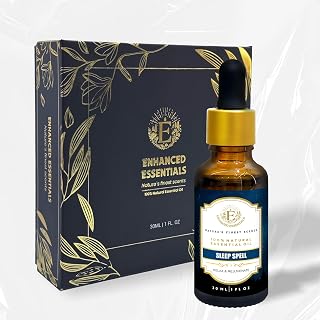
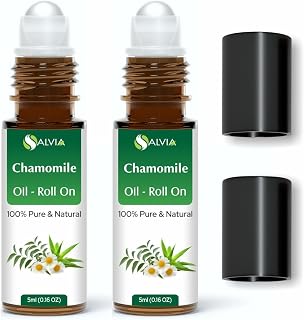
Online product images can be useful for checking bottle design and approximate labelling, but photographs may not reveal the complete ingredient declaration or batch information. Product listings can also contain generic images that do not represent every production batch.
For important purchasing decisions, combine photographs with written specifications and manufacturer information. If the listing and packaging appear inconsistent, investigate before buying.
Consumers increasingly want to understand how botanical ingredients are sourced. Sustainability can involve agricultural practices, harvesting methods, packaging materials, transportation and supply-chain transparency.
However, vague phrases such as “eco-friendly” or “sustainably sourced” should not automatically be treated as proof of a specific environmental practice. When sustainability matters to you, look for concrete information describing what the manufacturer actually does.
The ideal bottle is not necessarily the most elaborate one. Practical design matters more than decoration.
Roman chamomile essential oil is a concentrated aromatic oil commonly obtained from Chamaemelum nobile. It is used primarily in aromatherapy and appropriately formulated personal-care applications.
No. Roman chamomile and German chamomile are different botanical species. Roman chamomile is generally identified as Chamaemelum nobile, while German chamomile is generally identified as Matricaria chamomilla or Matricaria recutita.
Start by checking for the botanical name Chamaemelum nobile. Then review the ingredient declaration, extraction information, manufacturer details, batch information and available quality documentation. Aroma and colour alone are not sufficient proof of authenticity.
For topical use, essential oils are generally diluted in a suitable carrier oil. The appropriate concentration depends on the application and the person using it. Follow the manufacturer's instructions and established safety guidance.
Undiluted essential oil can increase the risk of irritation or sensitisation. Unless a product is specifically formulated and labelled for direct application, do not assume that applying concentrated essential oil directly to skin is appropriate.
Roman chamomile essential oil is commonly used in aromatherapy diffusion. Use an appropriate diffuser, follow its instructions and consider ventilation and the presence of children, pets or sensitive individuals.
Choose the size according to your expected usage. Occasional users may prefer a smaller bottle, while frequent aromatherapy or formulation users may have a practical reason to choose a larger size.
No. Price alone cannot establish quality. Compare botanical identity, ingredients, extraction, documentation, packaging, batch traceability and usage instructions before considering price.
The phrase should not be treated as a substitute for technical product information. Look beyond marketing terminology and examine botanical identity, ingredients, testing information and manufacturer transparency.
Keep it tightly closed in a cool, dry location away from direct sunlight and excessive heat. Avoid leaving it in hot vehicles or other high-temperature environments.
It can be incorporated into appropriately formulated personal-care products, but the essential oil must be used at a suitable concentration and combined with compatible ingredients. Product preservation, stability and intended area of application should also be considered.
Children require additional caution because essential-oil safety depends on age, concentration, route of exposure and individual circumstances. Do not assume that a product suitable for an adult is automatically suitable for a child. Seek appropriate professional guidance when considering use for children.
Pregnancy and breastfeeding require additional safety considerations. Anyone who is pregnant or breastfeeding should obtain advice from a qualified healthcare professional before using essential oils, particularly for topical or internal applications.
The best option depends on the intended use, but beginners should prioritise clear botanical identification, transparent ingredients, appropriate packaging, straightforward instructions and reliable manufacturer information. A smaller bottle can be a practical starting point if you are unfamiliar with the aroma.
Not necessarily. Country of manufacture is only one comparison factor. Evaluate botanical identity, ingredient transparency, quality documentation, packaging, safety information and overall traceability regardless of where the product is manufactured or sourced.
No. Ratings can provide useful information about customer experience, but they do not independently verify botanical identity or laboratory quality. Use reviews alongside technical product information.
Before placing an order, use this checklist to make the comparison more objective:
A useful buying guide should help readers understand why one product may be more suitable than another rather than simply presenting a list of popular names. For Roman chamomile oil, the most important comparison points are botanical accuracy, ingredient transparency, formulation type, quality documentation, packaging, usability and suitability for the intended application.
Because retail prices, stock status, seller information, customer ratings and product formulations can change, shoppers should verify the latest information immediately before purchasing. A product that appears attractive in one comparison can become less suitable if its formulation, packaging or listing information changes.
The strongest purchasing decision is therefore the one that matches the product's documented specifications to your own requirements. Whether you want Roman chamomile oil for occasional aromatherapy, blending, DIY personal care or another appropriate application, compare the underlying product information rather than relying on popularity alone.
The best Roman chamomile oil is not simply the bottle with the highest rating, the lowest price or the strongest marketing language. For shoppers in India, begin with the botanical name Chamaemelum nobile, confirm whether the oil is pure or diluted, inspect the ingredient list, evaluate manufacturer transparency, consider batch documentation and packaging, and then compare size and cost.
Most importantly, distinguish Roman chamomile from German chamomile and treat essential oil as a concentrated product that requires appropriate handling. A careful comparison of specifications can help you choose a product that is better aligned with your intended use while avoiding common purchasing mistakes.