

♥ Wishlist
Compare 58 verified Orange Peel Oil for Beauty, Aromatherapy & Everyday Wellness products in India. Reviews, ratings, pros, cons and buying advice updated for September 2026.


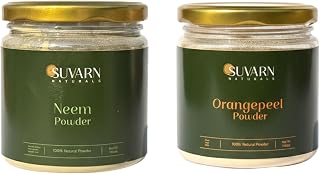


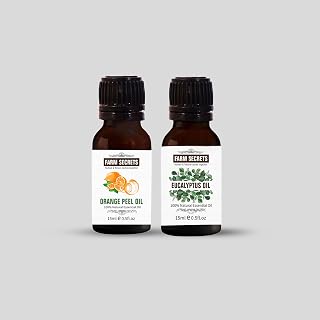


Orange peel oil can refer to several different product types, and that distinction matters when comparing options. A bottle labelled orange essential oil, sweet orange oil, orange peel oil, citrus oil, or orange fragrance oil may not have the same composition, intended use, or safety considerations. Before choosing a product, check the botanical name, extraction method, intended application, ingredients, packaging and directions rather than relying only on the word “natural” on the label.
For Indian buyers, the most useful comparison starts with purpose. A product intended for aromatherapy may be formulated and labelled differently from one intended for cosmetic formulation, hair-care use, soap making, or household fragrance. If the product is marketed for ingestion, that is a separate consideration altogether and should not be assumed merely because the oil is described as pure or therapeutic grade.
Orange peel oil is an aromatic oil obtained from the outer portion of orange fruit. Sweet orange oil is commonly associated with Citrus sinensis, while bitter orange products may be associated with other Citrus species. The exact characteristics can vary according to the orange variety, growing conditions, extraction process, storage conditions and formulation.
Most orange peel essential oils are valued for their fresh, sweet and distinctly citrus-like aroma. They are commonly encountered in aromatherapy blends, personal-care formulations, soaps, candles, diffusers and other fragrance applications. However, the appropriate use depends on the specific product label and manufacturer instructions.
These terms should not be treated as interchangeable. Orange essential oil is generally derived from plant material through an extraction process, whereas a fragrance oil can contain aromatic compounds formulated to produce a particular scent. A fragrance oil may be suitable for candles or other scent applications but may not be appropriate for skin use.
When comparing products, look beyond the scent description and identify the intended application. A lower price does not necessarily indicate poor quality, but an inexpensive fragrance product should not automatically be compared with a concentrated essential oil as though they were identical products.
A botanical name provides more useful information than simply seeing “orange oil” on the front label. Look for the scientific name where the manufacturer provides it. Sweet orange and bitter orange are not necessarily interchangeable, and citrus oils from different species can have different aromatic profiles and handling considerations.
Check whether the bottle is intended for aromatherapy, diffusion, cosmetic formulation, soap making, hair-care formulation, household fragrance or another purpose. Do not assume that an oil suitable for one application is automatically suitable for another.
A straightforward ingredient declaration is preferable when comparing concentrated oils. If the product contains a carrier oil, fragrance components, additives or other ingredients, that should be clear from the packaging. A product described as a blend should not be compared directly with an undiluted essential oil.
Orange peel oil is commonly associated with cold expression or other extraction approaches. Extraction can influence the resulting aromatic profile and composition. When extraction information is available, use it as one comparison point rather than assuming that a particular method automatically makes a product superior for every purpose.
Essential oils are concentrated aromatic materials, so packaging is more than a cosmetic detail. Dark or opaque bottles can help limit exposure to light. A secure cap and well-designed dispensing mechanism can also reduce unnecessary exposure to air and accidental overuse.
Do not compare products solely by the advertised bottle price. Calculate the approximate cost per millilitre when sizes differ. A larger bottle may appear more economical but can be a poor choice if you use the oil infrequently and it remains open for a long period.
Clear manufacturer identification, batch information, manufacturing details and usage instructions can make a product easier to evaluate. Transparent labelling is especially useful when several apparently similar orange oils have substantially different descriptions.
Customer reviews can help identify practical issues such as leaking caps, weak packaging, confusing labelling or differences between the advertised and received product. They should not, however, be treated as laboratory evidence of purity or therapeutic effectiveness.
Sweet orange oil and bitter orange oil belong to the broader citrus-oil category but should not be treated as identical. Sweet orange oil is commonly chosen for its familiar sweet citrus aroma, while bitter orange-related oils may have different aromatic characteristics and compositions.
The distinction becomes particularly important when a product is intended for topical or specialised applications. Read the exact botanical identification and manufacturer directions rather than selecting a bottle simply because both products use the word “orange.”
Many citrus peel oils are produced through expression or pressing of the peel. This can retain the characteristic fresh citrus aroma associated with orange peel. Other extraction or processing methods may be used for particular formulations or aromatic materials.
There is no single extraction method that makes an orange oil the best choice for every buyer. The more useful question is whether the extraction method, composition and intended use match what you actually need.
Orange oil is widely associated with citrus-focused aromatic applications. If you plan to use it in a diffuser, follow the diffuser manufacturer's instructions and the essential-oil manufacturer's recommended quantity. More oil is not necessarily better; excessive concentration can create an unpleasant or irritating environment.
Some people use orange-derived oils as ingredients in homemade or professionally formulated cosmetic products. Concentrated essential oils should not automatically be applied directly to the skin. If topical use is contemplated, follow the product directions and use an appropriate dilution method.
Orange oil may appear in hair and scalp formulations primarily for its aromatic qualities and as part of a broader formulation. A concentrated essential oil should not be confused with a finished hair product that has already been formulated for application.
Citrus oils are frequently used in soap-making and other personal-care formulations. Buyers making their own products should pay attention to recommended usage levels, formulation requirements and relevant safety information rather than treating an essential oil as an unrestricted fragrance ingredient.
The bright citrus character of orange oil makes it a common choice for household scent applications. For candles, wax products and similar projects, use an oil specifically appropriate for the intended application because essential oils and fragrance oils can behave differently in finished products.
If your main objective is skincare, the best orange oil is not necessarily the most concentrated bottle. Skin compatibility depends on concentration, formulation, individual sensitivity and the specific citrus oil involved.
Look for clear topical-use instructions and avoid purchasing a product solely because it is described as “100% pure.” Purity and suitability are separate questions. A concentrated oil can still require dilution and careful handling.
Citrus oils can also require additional care with sun exposure depending on the specific oil and its composition. If a product is intended for use on exposed skin, follow the manufacturer's safety instructions carefully and seek professional advice when you are uncertain.
For hair-care purposes, consider whether you actually need a concentrated essential oil or whether a finished hair product containing orange-derived ingredients would be more appropriate. A finished formulation can provide controlled concentration and additional ingredients designed for a particular use.
If you are formulating your own hair-care product, check dilution guidance, compatibility with the other ingredients and the intended application area. Avoid applying concentrated essential oil directly to the scalp simply because it is plant-derived.
Once opened, aromatic oils are exposed to air and environmental conditions every time the bottle is used. Heat, light and repeated exposure to oxygen can affect an oil over time. Keeping the container tightly closed and storing it according to the manufacturer's recommendations can help preserve the product.
For Indian households, storage deserves particular attention during hot weather. Avoid leaving essential-oil bottles in direct sunlight, beside cooking appliances, inside hot vehicles or in other areas exposed to significant heat.
Price is useful for comparison, but it does not establish quality. A very inexpensive product may be a diluted blend or fragrance product, while a higher-priced bottle may simply have a different formulation or packaging. Compare the product identity, ingredients, size and intended use first.
Natural aromatic compounds can still cause irritation or sensitivity. Essential oils are concentrated materials and should be handled according to their directions.
Carrier oils such as coconut, jojoba, almond or grapeseed oil are fixed oils used to dilute essential oils. They are not interchangeable with orange essential oil and should not be compared as equivalent products.
“Orange oil” is not always sufficiently specific for a careful comparison. Different citrus species and varieties can produce different oils.
A product sold for room fragrance or diffusion may not be formulated for topical application. Always verify the intended use.
If orange oil is only used occasionally, a smaller bottle can be more practical. Concentrated oils are generally used in small quantities, so a large container is not automatically better value.
A useful comparison should consider more than star ratings. When evaluating the products included in a buying guide, consider the following criteria together:
Depending on the intended application and current Indian availability, buyers may encounter established essential-oil and natural-product brands such as Moksha Lifestyle, Deve Herbes, Aroma Treasures, Soulflower, Old Tree and Organix Mantra. These names should be treated as comparison points rather than automatic recommendations.
Product ranges can differ considerably within the same brand. Always evaluate the individual orange-oil product, its ingredients, botanical identification, intended use, bottle size and current customer feedback.
Orange oil generally has a sweeter, warmer citrus character, while lemon oil is typically sharper and more tart-smelling. The better choice depends primarily on the desired aroma and intended application.
Lime oil tends to have a brighter and more distinctly zesty citrus profile. Orange can be preferable when a softer, sweeter citrus aroma is desired.
Grapefruit oil generally offers a fresher, slightly bitter citrus character. Orange is often selected when the goal is a familiar sweet-orange fragrance.
These oils should not be substituted for one another in specialised formulations without checking the relevant formulation and safety information.
Orange peel oil can be worth considering if you specifically want a concentrated citrus aromatic ingredient for a compatible application such as diffusion, soap making, cosmetic formulation or home fragrance.
It may be less appropriate if you simply want a ready-to-use skincare or hair-care product. In that situation, a properly formulated finished product may be easier and more predictable to use.
If you are looking for a product that can be applied directly to the skin without dilution or preparation, a concentrated essential oil may not be the right category. Similarly, buyers who cannot verify the product's intended use, ingredients or safety directions should choose a clearly labelled finished formulation instead of guessing how the oil should be used.
Essential oils are concentrated substances. Keep them away from the eyes and sensitive areas, follow the product's instructions and keep bottles out of reach of children. If you have sensitive skin or are unsure whether a particular oil is appropriate for you, professional guidance is preferable to experimenting with concentrated oil.
Do not assume that an essential oil is safe to ingest because it is marketed as natural or because another orange product is edible. Oral use is a separate safety question and should only be considered when the product is specifically labelled and intended for that purpose and appropriate professional guidance is available.
Pet owners should also avoid assuming that a product safe for people is automatically safe around animals. Essential oils can have different safety considerations for pets, so follow appropriate veterinary guidance when necessary.
There is no universal amount that applies to every use. The appropriate quantity depends on the application, product concentration, formulation, delivery method and manufacturer instructions.
For diffusion, follow the diffuser manufacturer's instructions and the oil manufacturer's guidance. For topical applications, use only an appropriate dilution where the product is specifically intended for topical use. For homemade formulations, follow reliable formulation guidance rather than selecting an arbitrary number of drops.
Cost per millilitre is a simple way to compare differently sized bottles:
Cost per millilitre = Product price ÷ Bottle volume in millilitres
For example, if one bottle costs ₹300 for 10 ml and another costs ₹500 for 20 ml, the first costs ₹30 per ml while the second costs ₹25 per ml. This does not mean the second product is automatically better; it only provides a fairer way to compare price when composition and intended use are otherwise similar.
A strong candidate typically combines clear product identification, transparent ingredient information, suitable packaging, appropriate usage instructions and a credible manufacturer. For an affiliate buying guide, these factors are more useful than making unsupported claims about a product being universally “best.”
For commercial comparison, consider whether the product solves your specific requirement efficiently. Someone buying orange oil for occasional diffusion may prioritise bottle size and aroma. A soap maker may care more about formulation information and batch consistency. A cosmetic formulator may require substantially more technical documentation.
For shoppers in India, start by deciding exactly how the oil will be used. Then shortlist products that are specifically intended for that purpose. Compare the botanical identification, ingredients, size, extraction information, packaging and directions before looking at the headline rating.
After narrowing the choices, compare current retailer prices and verified customer feedback. Availability, pack size and pricing can change during 2026, so information displayed by retailers should be checked immediately before purchase.
For an Amazon affiliate buying guide, it is also useful to distinguish between a product that receives positive customer feedback and one that has strong technical transparency. Ideally, a shortlist should consider both. Customer satisfaction can reveal practical buying issues, while the label and manufacturer information help determine whether the product is appropriate for the intended use.
There is no single best option for every buyer. The right choice depends on whether you need orange oil for diffusion, aromatherapy, soap making, cosmetic formulation, home fragrance or another application. Compare the botanical identity, composition, intended use, packaging, size and current customer feedback before buying.
Often the terms are used to describe oil derived from orange peel, but the exact product should be checked. Some products sold as orange oil may be blends or fragrance products rather than undiluted essential oil.
Neither is universally better. They have different botanical identities and aromatic characteristics. Choose according to the intended application and the manufacturer's instructions.
Do not assume that concentrated orange essential oil should be applied directly to skin. If a product is intended for topical use, follow its dilution and safety instructions. A finished cosmetic product may be more appropriate when you want something ready to apply.
Orange-derived oils can appear in hair-care formulations, but concentrated essential oil should not automatically be applied directly to the scalp. Check the product's intended use and follow appropriate dilution guidance.
Many orange essential oils are used for aromatic diffusion. Follow the oil and diffuser manufacturer's instructions, including recommended quantities and ventilation guidance.
Keep the bottle tightly closed and follow the manufacturer's storage instructions. In general, limiting exposure to excessive heat, direct sunlight and unnecessary air exposure is sensible for concentrated aromatic oils.
No. Price alone cannot establish purity or suitability. Compare the botanical source, ingredients, extraction information, intended use, packaging, manufacturer transparency and bottle size.
Choose according to expected usage. A small bottle is often practical for occasional personal use, while larger quantities may make more sense for regular formulation projects. Compare cost per millilitre rather than judging value from the total bottle price.
Look for clear product identification, botanical information, ingredients, intended use, manufacturer details and appropriate packaging. Avoid relying solely on phrases such as “pure,” “natural,” or “therapeutic grade,” because marketing terminology by itself does not establish suitability or quality.
No. They may be designed for different applications and can have different compositions. Always use the product according to its intended purpose and do not assume that a fragrance oil is suitable for skin use.
Not necessarily. Individual sensitivity, the specific oil, concentration and intended use all matter. People with particular health, skin, pregnancy, medication or pet-related concerns should obtain appropriate professional guidance before using concentrated essential oils.
The best orange peel oil is ultimately the product that matches your intended application while offering clear labelling, suitable composition, appropriate packaging and transparent usage guidance. Instead of choosing solely on price or star rating, compare the details that affect actual use.
For Indian consumers shopping in 2026, check the latest product specifications, current bottle size, verified customer feedback and retailer information immediately before purchasing. Product availability and pricing can change, so the most useful buying decision is one based on the current listing rather than an old price or outdated product description.