

♥ Wishlist
Compare 51 verified Best Liver Care Products in India for Everyday Wellness products in India. Reviews, ratings, pros, cons and buying advice updated for September 2026.


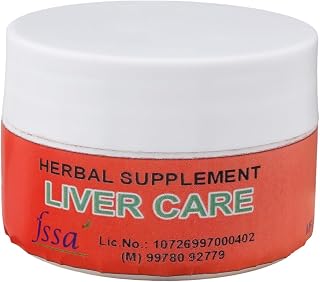


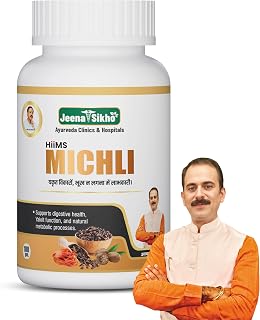


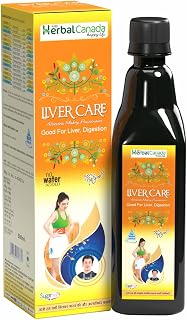

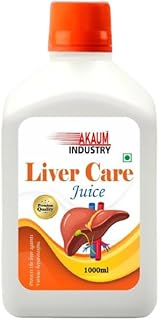


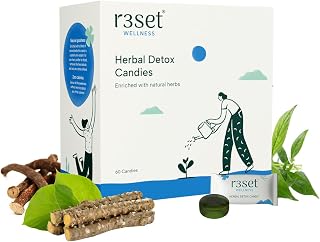

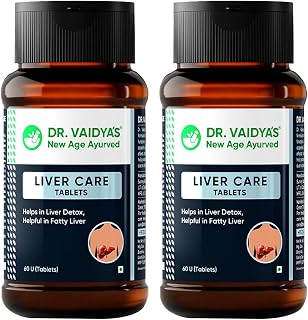
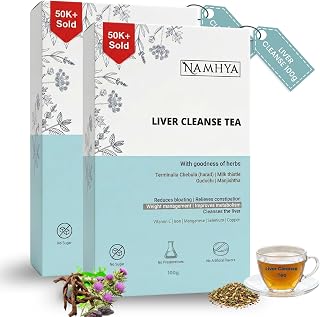
Choosing a liver care supplement requires more care than simply selecting the product with the highest rating or the longest ingredient list. Liver-focused products sold in India range from single-ingredient herbal supplements to complex blends containing milk thistle, turmeric, amla, dandelion, choline, vitamins, minerals and other botanical extracts. These products can differ substantially in formulation, dosage, standardisation, evidence, manufacturing information and suitability for people taking medicines.
This guide is intended to help Indian shoppers compare liver care products more intelligently. A supplement should not be treated as a substitute for diagnosis or treatment of liver disease. In particular, people with diagnosed liver disease, abnormal liver enzymes, hepatitis, cirrhosis, gallbladder or bile-duct problems, or those taking regular medicines should discuss supplement use with a qualified healthcare professional. The American Association for the Study of Liver Diseases specifically recognises herbal and dietary supplements as potential causes of drug- and supplement-induced liver injury.
The phrase “liver care” is primarily a consumer and supplement-market term rather than a single medical treatment category. A liver care product may be marketed for general wellness, antioxidant support, digestive support or support for normal liver function. Those purposes should not be confused with treating fatty liver disease, hepatitis, cirrhosis, liver fibrosis or liver failure.
The liver performs many essential functions, including processing nutrients, metabolising medicines and other substances, producing proteins and bile, and participating in energy metabolism. Because it has such a broad role, a product containing several herbs cannot automatically be assumed to improve every aspect of liver health.
For shoppers, the most useful distinction is between a product intended for general nutritional or wellness support and a product being promoted as a treatment for a diagnosed condition. The latter requires considerably more scrutiny and should not replace medical care.
Clear ingredient disclosure: The label should identify the ingredients and their quantities rather than relying on a vague proprietary blend.
Specific botanical information: For herbal ingredients, look for the plant name, plant part and, where relevant, extract information or standardisation details.
Transparent serving information: The amount per capsule, tablet, serving or daily dose should be easy to identify.
Manufacturing information: A reputable product should provide sufficient information to identify the manufacturer, batch or other relevant quality details.
Reasonable formulation: More ingredients do not necessarily mean a better liver supplement. A shorter formula can be easier to evaluate for both benefits and potential interactions.
Appropriate use instructions: Follow the labelled serving instructions and do not assume that taking a larger quantity will provide greater benefits.
Suitability for your circumstances: Pregnancy, breastfeeding, existing liver disease, allergies and concurrent medicines can change whether a supplement is appropriate.
A liver supplement can look impressive on a product page while still being difficult to evaluate scientifically. Terms such as “detox,” “cleanse,” “liver flush,” “complete liver protection” or “advanced liver regeneration” are not substitutes for evidence about a specific ingredient, formulation and dose.
Milk thistle is a useful example. Its principal group of compounds is called silymarin, and it has been extensively studied as a botanical supplement associated with liver health. However, the National Center for Complementary and Integrative Health reports that clinical studies of milk thistle for several liver diseases have produced conflicting or insufficient evidence, and some trials have not demonstrated benefit.
This does not mean that every milk-thistle product is inherently inappropriate. It means shoppers should avoid assuming that an ingredient's traditional use, laboratory research or marketing reputation automatically proves that a particular supplement treats liver disease.
Milk thistle is one of the most recognisable ingredients in liver-support supplements. Products may list either the botanical name, Silybum marianum, or the name of its extract, silymarin.
When comparing milk-thistle products, pay attention to whether the label identifies the quantity of the extract and provides useful standardisation information. Two products can both contain milk thistle while delivering substantially different formulations.
Evidence should also be interpreted according to the intended use. Research involving people with specific liver diseases cannot automatically be translated into a claim that a supplement will prevent liver damage in a healthy person. NCCIH notes that the evidence for milk thistle across liver conditions remains insufficient for definite conclusions.
Milk thistle is generally well tolerated in available clinical research, but digestive symptoms and allergic reactions can occur, and interactions with medicines are possible. NCCIH recommends discussing herbal products with a healthcare provider when medicines are being taken.
Turmeric and curcumin frequently appear in Indian herbal and wellness formulations. Their presence should not automatically be interpreted as evidence that the finished product treats or reverses liver disease.
When evaluating a turmeric-containing formula, consider the amount provided, the form of curcumin, the presence of absorption-enhancing ingredients and the full ingredient list rather than focusing on the word “curcumin” alone.
People taking medicines should also be cautious about assuming that a familiar kitchen ingredient is automatically risk-free in concentrated supplement form. Concentrated botanical extracts can have different exposure levels and interaction considerations than ordinary quantities used in food.
Indian liver-support supplements may contain amla, dandelion, kutki, guduchi, licorice, turmeric, ginger or other botanical ingredients. Traditional use can be relevant when researching an ingredient, but it should not be confused with clinical proof that a particular commercial formulation treats liver disease.
For multi-herb products, the most important buying question is often not “How many herbs are included?” but “Can I clearly identify what I am taking and why?” A product with a transparent formula is easier to assess for dosage, allergies, contraindications and potential interactions.
A single-ingredient supplement can be easier to evaluate because there are fewer variables. If an unwanted reaction occurs, it may also be easier to identify the suspected ingredient. This does not make single-ingredient products automatically more effective or safer, but it can improve transparency.
Combination formulas can be attractive to shoppers who want several ingredients in one product. The disadvantage is that a proprietary or poorly disclosed blend can make it difficult to determine how much of each ingredient is present.
When comparing two combination supplements, look beyond the number of ingredients. Check whether individual quantities are disclosed, whether duplicate ingredients appear in several products you are taking and whether the formulation creates unnecessary complexity.
The best format depends largely on personal preference, ingredient stability and the manufacturer's formulation rather than on the format alone.
Capsules: Convenient for people who prefer a measured serving without mixing a powder.
Tablets: Often compact and convenient, although tablet size can matter for people who have difficulty swallowing.
Powders: Useful when a product is intended to be mixed into water or another beverage, but serving measurement and storage deserve attention.
Liquid supplements: Can be useful for people who prefer liquids, although accurate serving measurement and storage instructions are important.
Start with the Supplement Facts or nutrition and ingredient panel rather than the front of the package. Marketing copy highlights what the manufacturer wants shoppers to notice; the ingredient panel tells you what the product actually contains.
Check the serving size.
Check the number of servings in the container.
Identify the amount of every active ingredient where disclosed.
Look for botanical names when available.
Check whether extracts are standardised and whether the standardisation is clearly explained.
Review inactive ingredients if you have allergies or dietary restrictions.
Check storage instructions and expiry information.
Look for manufacturer and batch information.
A proprietary blend may list several ingredients under one combined quantity. This can make it difficult to determine how much of each component you are actually consuming.
For an ingredient-focused purchase, a transparent label is generally easier to compare. If one product states the amount of each botanical while another only provides the total amount of a blend, the two products should not be considered equivalent simply because they contain the same ingredient names.
No. Customer ratings can provide useful information about packaging, tablet size, taste, delivery condition or ease of use, but they cannot establish whether a supplement treats a medical condition.
Reviews are particularly limited for products whose intended effect may not be immediately noticeable. A customer may report feeling better after taking a supplement, but that experience cannot establish the cause of the improvement.
For commercial comparison, use customer reviews as one layer of information. Combine them with ingredient transparency, serving information, manufacturer details and evidence about the individual ingredients.
“Detox” and “cleanse” are common marketing terms in the supplement category. They can mean very different things depending on the manufacturer.
Consumers should be especially cautious with products claiming to remove unspecified “toxins,” reverse years of dietary damage, regenerate the liver rapidly or provide a complete substitute for medical treatment. A credible buying guide should distinguish general wellness language from clinically established treatment.
The liver already performs complex metabolic and detoxification functions. Purchasing a supplement marketed as a “cleanse” does not mean that the supplement has been proven to remove harmful substances from the body in the manner suggested by advertising.
Fatty liver is a particularly important area where supplement marketing can create confusion. A product described as supporting the liver should not automatically be considered a treatment for fatty liver disease.
For metabolic dysfunction-associated steatotic liver disease, lifestyle and medical management are important. NIDDK notes that maintaining a healthy weight, regular physical activity and dietary changes can play an important role in prevention and management, and advises people with the condition to discuss dietary supplements with a doctor because some herbal remedies can damage the liver.
If a blood test, ultrasound or medical assessment has identified fatty liver, choosing a supplement should therefore be secondary to understanding the underlying condition and following appropriate medical advice.
People with hepatitis should not use a liver supplement as a replacement for evidence-based treatment. For hepatitis C specifically, NCCIH states that no dietary supplement has been shown to be effective for the disease or its complications.
This is an important buying distinction. A product can be marketed as “liver support” without being an antiviral treatment, and a supplement's presence on a liver-health list does not mean it has been proven to treat viral hepatitis.
Medicine interactions are one of the most important reasons to review a supplement before starting it. Herbal products can contain pharmacologically active compounds, and taking several supplements at the same time can make it harder to determine which ingredient is responsible for an adverse effect or interaction.
If you regularly use prescription medicines, over-the-counter medicines or other supplements, show the complete ingredient list to your doctor or pharmacist before starting a new liver-support product.
This is not simply a theoretical concern. AASLD maintains specific guidance addressing drug-, herbal- and dietary-supplement-induced liver injury, reflecting the fact that supplements can be implicated in liver injury.
People with diagnosed liver disease.
People with cirrhosis or a history of liver failure.
People with unexplained abnormal liver-function tests.
People taking multiple prescription medicines.
People who are pregnant or breastfeeding.
People with significant allergies to plants or botanicals.
People preparing for surgery or taking medicines that require careful monitoring.
People already taking several herbal or dietary supplements.
People with cirrhosis in particular should speak with their doctor before using dietary or herbal supplements. NIDDK specifically recommends discussing supplements with a doctor in the context of cirrhosis.
Do not attempt to manage potentially serious liver symptoms simply by starting a liver supplement. Yellowing of the skin or eyes, unusually dark urine, significant abdominal pain, persistent vomiting, severe itching, unusual fatigue or other concerning symptoms warrant appropriate medical assessment.
Some forms of supplement-related liver injury can be difficult to recognise because their symptoms may resemble other liver conditions. NIDDK's LiverTox resource exists specifically to help clinicians and patients understand liver injury associated with medicines, herbal products and dietary supplements.
A long list can look comprehensive, but every additional ingredient introduces another variable to evaluate. More ingredients are not automatically better.
Natural substances can have biological effects, side effects and interactions. Herbal and dietary supplements have been associated with liver injury, including rare but potentially severe cases.
Seeing a familiar ingredient on a label tells you little without knowing how much is provided and in what form.
Taking two or three products with overlapping ingredients can unintentionally increase total exposure. Compare the labels of every supplement you use instead of evaluating each product independently.
Reviews are useful for shopping information but cannot diagnose liver problems or establish clinical efficacy.
Terms such as cleanse and detox should prompt you to inspect the actual formulation and intended use rather than making the purchasing decision by themselves.
Indian shoppers may encounter established supplement and herbal brands such as Himalaya, Dabur, Organic India and other domestic or international manufacturers when comparing liver-health products. Brand familiarity can be useful for finding product information, but it should not replace checking the individual product label, formulation, serving size and manufacturer information.
Even within a familiar brand, different products can have completely different ingredients and intended uses. Compare the exact product rather than assuming that a well-known brand name guarantees that every formulation is appropriate for every consumer.
When reviewing a shortlist of ten products, use the same criteria for each product so the comparison remains meaningful.
Ingredient transparency: Are the ingredients and quantities clearly disclosed?
Primary ingredients: Which botanical or nutritional ingredients form the core of the formula?
Extract details: Is useful information provided about extract strength or standardisation?
Serving size: How many capsules, tablets or measured servings constitute the recommended daily amount?
Formula complexity: Does the product contain a focused formula or a large multi-herb combination?
Use case: Is it positioned for general wellness, digestive support or another specific purpose?
Safety considerations: Are there obvious interaction, allergy or population-specific concerns?
Manufacturer transparency: Is the company and product information easy to identify?
Customer feedback: Are reviews consistent enough to reveal practical issues such as capsule size, taste or packaging?
Value: Compare the cost per serving rather than comparing package prices alone.
A lower package price does not necessarily mean a cheaper product. One bottle may contain 30 servings while another contains 90.
To compare value, divide the purchase price by the number of servings. Then consider the serving size and the amount of the relevant active ingredients. Cost per capsule is often less useful than cost per complete daily serving.
For products with very different formulations, price per serving should be treated as a shopping metric rather than proof of effectiveness.
Give more weight to reviews that describe concrete product characteristics.
Look for repeated comments about packaging, taste, tablet size or ease of use.
Be cautious about reviews claiming that a supplement cured a medical condition.
Do not assume a large number of ratings proves clinical effectiveness.
Look at recent reviews when evaluating current packaging or formulation details.
Check whether reviewers appear to be discussing the exact product variant you are considering.
For an adult seeking a general wellness supplement rather than treatment for diagnosed liver disease, a practical shortlist can prioritise a transparent label, sensible serving instructions, clearly identified ingredients, appropriate manufacturing information and a formulation that matches the shopper's actual reason for purchasing it.
A simple product that can be evaluated clearly may be preferable to a complicated formula whose individual ingredients and amounts are difficult to determine. The best choice is therefore not necessarily the product making the strongest promise; it is the product that can be evaluated most responsibly for the intended use.
Supplement selection should not distract from the everyday factors that influence liver health. For people concerned about fatty liver and metabolic health, NIDDK highlights healthy eating, portion control, physical activity and maintaining a healthy weight as important measures.
This is particularly relevant when comparing liver supplements because a capsule cannot compensate for an overall dietary pattern or lifestyle that is contributing to metabolic health problems.
A practical liver-health approach therefore starts with the fundamentals: a balanced diet, appropriate physical activity, moderation or avoidance of alcohol according to individual medical circumstances, healthy weight management when appropriate and medical evaluation when symptoms or abnormal test results are present.
No. Herbal supplements should not be assumed to be harmless simply because their ingredients come from plants. AASLD's guidance specifically addresses liver injury associated with herbal and dietary supplements, while NIDDK notes that some herbal products can cause liver injury.
Quality can also vary between products. NCCIH notes concerns about the chemical and microbiological quality of some milk-thistle supplements, including differences between labelled and actual amounts and possible contamination.
For this reason, transparency and quality information should be part of the buying decision, not an afterthought.
Why am I considering this supplement?
Am I trying to support general wellness, or am I attempting to treat a diagnosed condition?
What are the exact active ingredients?
How much of each ingredient does the daily serving provide?
Does the label provide enough information to compare the formula with alternatives?
Am I already taking another supplement containing one of these ingredients?
Could any ingredient interact with my medicines?
Do I have an allergy or medical condition that changes the safety considerations?
Is the product's marketing making claims that go beyond what the evidence supports?
Would speaking with a doctor or pharmacist be more appropriate before purchasing?
There is no single best liver supplement for everyone. The appropriate choice depends on the purpose of use, ingredients, formulation, serving size, medical circumstances and the quality of the product information. A supplement intended for general wellness should not be selected as though it were a treatment for diagnosed liver disease.
Not necessarily. A healthy person does not automatically need a liver supplement simply because one is marketed for liver support. Diet, physical activity, weight management and appropriate medical care remain important components of overall health.
Milk thistle is one of the most extensively studied herbal ingredients associated with liver health, but that does not establish it as the best option for every person or condition. NCCIH states that evidence for milk thistle across liver diseases remains insufficient or conflicting.
You should not assume that a liver supplement can cure fatty liver disease. Management depends on the underlying cause and individual circumstances. NIDDK recommends appropriate lifestyle measures and medical care and advises discussing supplements with a healthcare professional.
No. A dietary supplement should not be substituted for prescribed treatment without medical advice. This is particularly important for conditions such as viral hepatitis and established chronic liver disease.
Combining products can create overlapping ingredients and unnecessary exposure. Compare the complete labels before combining supplements and consult a healthcare professional when medicines or medical conditions are involved.
Not automatically. A transparent, focused formulation can be easier to evaluate than a long proprietary blend. Ingredient quantity, formulation quality and suitability matter more than the number of ingredients.
No. Reviews can help with practical purchasing information, but they cannot establish whether a product treats liver disease. Use reviews alongside label information, ingredient evidence and appropriate professional advice.
Check the exact product name, ingredient list, serving size, manufacturer information, expiry details, packaging and seller information. Compare the current product listing with the manufacturer's stated formulation when possible, because online listings can change.
No. “Detox” is commonly used as marketing terminology and does not by itself identify a medically established treatment. If you have symptoms or a diagnosed liver condition, seek appropriate medical evaluation rather than relying on a cleanse product.
Choose based on your actual reason for use.
Read the complete ingredient label.
Prefer transparent quantities over vague proprietary blends.
Compare the daily serving rather than the bottle size alone.
Research the evidence for the specific ingredients and intended use.
Do not treat customer ratings as clinical evidence.
Check for overlapping ingredients with your other supplements.
Consider medicine interactions and personal health circumstances.
Be sceptical of exaggerated detox, cleanse or cure claims.
Check current product information before purchasing because formulations and listings can change.
The best liver care product is not necessarily the one with the biggest marketing claims, the highest number of ingredients or the most impressive-looking packaging. For shoppers in India, a better approach is to compare formulation transparency, ingredient quantities, serving size, manufacturer information, practical customer feedback and the evidence relevant to the intended use.
Milk thistle, turmeric, amla and other botanical ingredients may appear in liver-support products, but the presence of a familiar herb should never be treated as proof that the finished product prevents or treats liver disease. Evidence varies substantially between ingredients and medical conditions, and some herbal and dietary supplements can themselves cause liver injury.
For general wellness, thoughtful product comparison can help you avoid unnecessary ingredients and misleading claims. For diagnosed liver disease, abnormal liver tests, persistent symptoms or regular medication use, professional medical advice should come before choosing a supplement.