

♥ Wishlist
Compare 53 verified Buy Lemon Essential Oil Online in India products in India. Reviews, ratings, pros, cons and buying advice updated for September 2026.


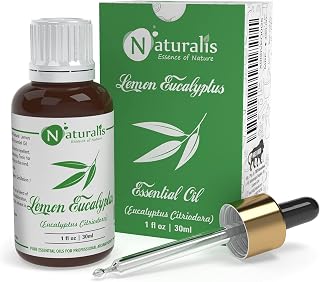


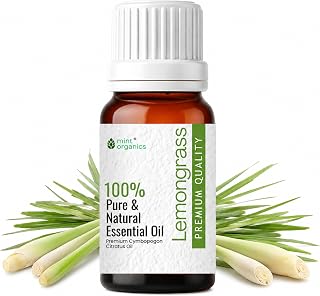

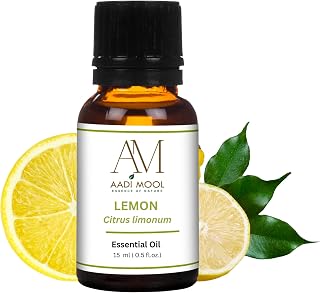

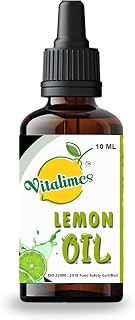


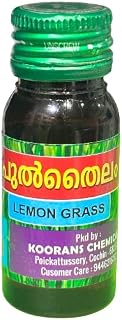


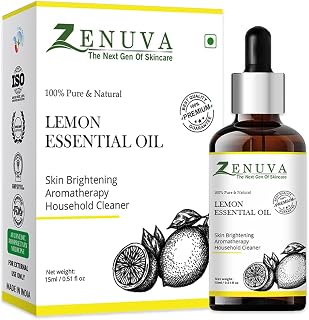


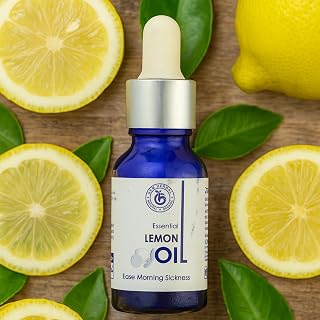


Choosing a lemon essential oil is not simply a matter of picking the bottle with the highest rating or the lowest price. Lemon essential oils can differ considerably in botanical source, extraction method, concentration, aroma profile, bottle size, packaging, intended use and ingredient transparency. A good buying decision starts with understanding exactly what is in the bottle and how you plan to use it.
For shoppers in India, it is also useful to compare the product label, seller information, storage instructions and customer feedback rather than relying on marketing language alone. Brands such as NOW, Plant Therapy, Aura Cacia, doTERRA, Soulflower, Moksha Lifestyle and other established essential-oil sellers can provide useful reference points when comparing product specifications, but brand recognition should not replace checking the individual product listing.
A quality essential-oil listing should identify the botanical source clearly. Lemon essential oil is commonly associated with Citrus limon. Botanical identification helps distinguish the intended essential oil from fragrance oils, perfume blends and products marketed using lemon terminology without providing enough information about their actual composition.
When comparing products, look for a complete ingredient declaration and a clearly identified botanical source. If a listing uses vague terms such as “lemon fragrance,” “lemon aroma,” or “lemon essence” without explaining whether the product is a genuine essential oil, it deserves closer scrutiny.
Lemon peel essential oil is commonly obtained through mechanical expression or related citrus-oil extraction processes. Some products may instead be produced using other extraction or processing methods, so shoppers should read the product description rather than assuming that every lemon oil has identical production characteristics.
The extraction method can influence aroma, composition and how the oil behaves in different applications. For a buyer comparing several products, the extraction method is therefore more useful than generic phrases such as “premium quality” or “high strength.”
Cold-pressed lemon oil is a familiar term in the essential-oil market, particularly for citrus oils. However, “cold pressed” should be treated as a description of processing rather than a guarantee of overall quality. A product can still vary in purity, packaging, freshness and storage conditions.
For commercial investigation, compare extraction information alongside the ingredient list, botanical name, batch information where provided, bottle design and storage guidance. A transparent product page is generally more useful than one that relies almost entirely on promotional adjectives.
The label can reveal more about a product than the front of the bottle. Before buying, review the following details whenever they are provided.
“Pure,” “natural,” “therapeutic grade” and “premium” are frequently used in essential-oil marketing, but these terms should not be treated as interchangeable proof of quality. A careful buyer should examine the underlying product information instead of relying on a single marketing phrase.
For example, a bottle described as “100% pure” should still be checked for a complete ingredient declaration. If the product is a blend, it should be identified as a blend rather than being presented as a single-origin lemon essential oil.
Similarly, a “therapeutic grade” claim should not be interpreted as a universal medical certification. There is no need to assume that a product is medically superior simply because a seller uses therapeutic terminology in its marketing.
Essential oils are concentrated botanical materials, and the market can include products with different degrees of dilution, blending or substitution. Buyers should therefore favor listings that provide meaningful information about ingredients and product identity.
Laboratory documentation can be useful when a manufacturer makes it available, but shoppers should distinguish between an actual analytical document and a generic statement that a product is “tested.” If testing information is important to your purchasing decision, look for specific documentation and determine what was tested, rather than assuming that every “tested” claim represents the same level of verification.
Lemon oils can smell similar at first while still having noticeable differences in freshness, brightness, sweetness and peel-like character. Aroma perception can also change with age, storage conditions and the formulation in which the oil is used.
A particularly sharp or intense aroma is not automatically evidence of superior quality. Likewise, a softer aroma is not necessarily a sign of poor quality. When comparing products, consider whether the scent profile matches your intended use.
A fresh lemon profile is generally sought for applications where a bright, clean citrus character is desirable. This can make lemon oil attractive for diffuser blends and certain cosmetic or household formulations.
Some lemon oils may appear sweeter or more rounded, while others can smell sharper or more distinctly peel-like. If you are purchasing for personal aromatherapy preferences, customer feedback about scent can be useful, but remember that fragrance perception is subjective.
Essential oil bottles are commonly sold in small quantities because these products are concentrated. The right size depends on frequency of use, number of applications and whether the oil is being used by one person or as part of repeated DIY formulations.
Always calculate the approximate cost per millilitre when comparing different bottle sizes. A larger bottle with a lower headline price is not necessarily the best-value option if its unit cost is higher or if you will not use the oil before its quality declines.
Essential oils are generally better protected from light when stored in suitable dark glass containers. Light, heat and oxygen can contribute to deterioration over time, making packaging an important consideration when comparing products.
Amber or similarly protective glass packaging is often preferable to clear containers for long-term storage. The bottle should also have a secure closure to reduce unnecessary exposure to air and evaporation.
Lemon essential oil is highly concentrated and should not be treated like lemon juice, lemon water or a food ingredient. “Natural” does not mean automatically safe for every person, every skin type or every method of use.
Before applying any essential oil to skin, review the manufacturer's safety instructions and use an appropriate dilution method. Avoid applying undiluted essential oil simply because a product listing describes it as pure.
Certain expressed citrus essential oils can present a photosensitivity or phototoxicity concern when applied to skin and subsequently exposed to ultraviolet light. The risk can depend on the specific oil, processing method and chemical composition.
This is particularly important when comparing lemon essential oils intended for topical cosmetic use. Do not assume that every lemon oil has identical phototoxicity characteristics. Check the manufacturer's safety guidance and intended-use information before using a citrus essential oil on skin that may be exposed to sunlight.
One of the most important distinctions for buyers is between aromatherapy use and oral consumption. Essential oils are concentrated substances, and ingesting them without appropriate professional guidance can create safety risks.
A product being marketed as “pure,” “natural” or “food grade” should not automatically be interpreted as a recommendation for casual oral use. Follow the manufacturer's directions and seek advice from a qualified healthcare professional when considering any internal use.
Essential oils should be stored securely because small quantities can represent highly concentrated exposure. Households with children or pets should take additional care with storage and accidental spills.
A carrier oil and an essential oil serve different purposes. Carrier oils such as coconut, jojoba, almond or similar vegetable oils are used to dilute essential oils for appropriate topical applications. Lemon essential oil itself is the concentrated aromatic material.
When shopping, check whether a product is sold as a pure essential oil or as a pre-diluted blend. A pre-diluted product may be convenient for certain applications, but it should not be compared directly with an undiluted essential oil on a simple price-per-bottle basis.
Lemon essential oil is commonly selected for its bright citrus aroma and is often included in diffuser blends. If this is your main reason for buying, aroma quality, bottle design, ease of dispensing and value per millilitre may be more important than cosmetic-oriented specifications.
Diffuser compatibility should also be considered. Different diffuser designs have different operating instructions, and users should follow the diffuser manufacturer's recommendations for essential-oil quantity and cleaning.
Lemon essential oil is also frequently considered for DIY cosmetic formulations. However, topical applications require more attention to dilution, skin sensitivity and sun exposure than simple diffuser use.
If you are formulating a cosmetic product, do not assume that adding a few drops makes the formula automatically suitable for skin. Essential-oil concentration, total formula composition, preservative requirements, packaging and intended application all matter.
People with sensitive skin or known fragrance sensitivities should be particularly cautious. A patch test may help identify an individual reaction, but it cannot guarantee that a product will be suitable for everyone or eliminate all safety concerns.
The fresh citrus aroma of lemon oil makes it a popular ingredient in some DIY household formulations. However, essential oil should not be treated as a universal disinfectant or replacement for a tested household cleaning product.
When evaluating lemon oil for cleaning-related purposes, focus on whether the intended formulation is appropriate for the surface, whether the manufacturer provides usage guidance and whether the desired task requires actual antimicrobial performance rather than simply fragrance.
Brand comparisons can be useful, but the best approach is to compare the product rather than assuming that every essential oil from a particular company has identical characteristics. Product lines can contain different extraction methods, botanical sources, blends and intended uses.
NOW is a well-known natural-products brand that shoppers may encounter when comparing essential oils. Evaluate the specific lemon oil listing for ingredients, product size, botanical information, packaging and intended use rather than relying solely on the brand name.
Plant Therapy is another established name in the essential-oil category. When considering one of its lemon products, compare the exact product specifications with competing oils and check the manufacturer's current documentation and usage guidance.
Aura Cacia is commonly associated with aromatherapy and essential-oil products. Buyers can use its product information as one comparison point while still checking the exact lemon oil formulation, bottle size and instructions.
doTERRA is a prominent essential-oil brand with a broad product range. Its brand reputation should not replace product-level comparison. Review the individual product description, ingredient information, safety instructions and purchasing terms relevant to the market in which you are shopping.
Indian shoppers may also encounter brands such as Soulflower and Moksha Lifestyle alongside numerous smaller essential-oil manufacturers and sellers. Local products can be worth comparing because bottle sizes, product formats and pricing structures can differ substantially.
For lesser-known brands, place greater emphasis on transparent ingredient information, manufacturer details, batch information where available, packaging, safety instructions and credible customer feedback. A lower price alone should not determine the winner.
If two products look similar, use a consistent comparison process rather than judging by the product photographs or headline claims.
Essential-oil listings can make price comparison confusing because one seller may offer a small bottle while another sells a considerably larger quantity. Divide the purchase price by the number of millilitres to calculate a simple unit-cost comparison.
However, unit cost should not be the only deciding factor. A cheaper product may offer less information, different packaging or a different formulation. The goal is to identify the strongest combination of transparency, suitability, packaging and value for your intended use.
Low price can be attractive, particularly when several products appear nearly identical. But essential oils are not interchangeable commodities. Check the product identity, ingredients, quantity and manufacturer information before comparing price.
A purity statement is only one piece of information. Consider the complete ingredient declaration, botanical identity, extraction information and available product documentation.
Ratings can help identify customer satisfaction patterns, but they do not provide a complete technical assessment. Read individual reviews for recurring comments about aroma, leakage, packaging, consistency and suitability.
A large bottle can look like a bargain until the unit price is calculated. Conversely, a very small bottle can have a much higher cost per millilitre.
Lemon, sweet orange, bergamot, grapefruit and other citrus oils have different characteristics and should not automatically be substituted for one another in topical applications.
Essential oils are concentrated. Follow appropriate dilution and safety instructions rather than treating a pure essential oil like a conventional skincare ingredient.
Citrus oils can raise additional considerations for topical use. Check the exact product's safety information, particularly when the oil may be used on skin exposed to sunlight.
Customer reviews are most useful when they are treated as a source of practical observations rather than definitive laboratory evidence.
Look for repeated comments across multiple reviews. If several independent buyers mention similar packaging problems, leakage or unusually inconsistent aroma, that pattern may be worth considering. A single extreme review, however, should not automatically determine your decision.
A product listing deserves additional scrutiny when it provides extensive marketing language but very little technical information. Warning signs can include an unclear ingredient list, missing botanical identification, contradictory product descriptions, unusually broad health promises or photographs that do not match the stated product.
Another concern is when a seller presents a lemon fragrance oil as if it were a conventional lemon essential oil. Fragrance oils can have legitimate uses, but they should not be confused with pure essential oils.
Essential-oil marketing frequently discusses relaxation, mood, concentration, skin appearance, respiratory comfort and other potential benefits. Such claims should be treated carefully, especially when they imply that an essential oil can diagnose, prevent, treat or cure a medical condition.
This buying guide focuses on product selection rather than medical treatment. Lemon essential oil should not be used as a substitute for professional medical care, prescribed treatment or evidence-based management of a health condition.
India's varied climate makes storage particularly important. In hot or humid environments, essential-oil bottles should be protected from excessive heat and direct sunlight. Do not assume that a bathroom shelf, windowsill or vehicle glove compartment is an ideal long-term storage location simply because the bottle is closed.
For households in warmer regions, a cool, dark and stable storage area is generally more sensible. Always follow the specific manufacturer's storage instructions when they differ.
Online shopping makes it possible to compare many products quickly, but the information shown in a marketplace listing can vary. Before purchasing, inspect the full product description rather than relying on the title image.
There is no universal best lemon essential oil for every Indian buyer. The ideal product depends on the reason for purchase, frequency of use, preferred aroma, required bottle size and budget.
If you have never purchased lemon essential oil before, a smaller bottle from a transparent manufacturer can be a sensible starting point. This lets you assess the aroma, dispensing system and overall product experience without committing to a large quantity.
Regular diffuser users may prioritize cost per millilitre, bottle design, aroma consistency and packaging. A larger bottle can make sense when the unit cost is favorable and the oil will be used regularly.
DIY cosmetic users should prioritize detailed ingredient information, safety documentation and compatibility with their intended formulation. Topical use requires more careful evaluation than simply choosing the strongest-smelling product.
Compare several bottle sizes and calculate the unit price. Do not sacrifice basic product transparency merely to save a small amount of money.
The best option depends on your intended use, preferred aroma, bottle size, budget and the level of product information provided by the manufacturer. Rather than selecting a single winner for every buyer, compare botanical identity, ingredients, extraction method, packaging, safety guidance and current customer feedback.
Not necessarily. Pure essential oil is concentrated and provides flexibility for appropriate applications, while a properly formulated diluted product can be more convenient for certain uses. They should be evaluated according to their intended application rather than simply assuming that greater concentration means better quality.
Do not assume that it is appropriate to apply undiluted lemon essential oil directly to skin. Follow the manufacturer's safety instructions and use appropriate dilution for topical applications. Citrus oils can also raise additional concerns regarding sun exposure.
Lemon essential oil is commonly used for aromatic applications, including diffusion, but diffuser compatibility and dosage should follow the diffuser manufacturer's instructions. Avoid adding excessive amounts simply to produce a stronger scent.
Do not assume that an essential oil is suitable for ingestion. Essential oils are highly concentrated, and internal use requires specific product suitability and appropriate professional guidance. “Pure” or “natural” does not by itself make casual ingestion safe.
Keep it tightly closed in a cool, dark location away from direct sunlight and excessive heat. Follow the manufacturer's storage recommendations and keep the bottle inaccessible to children and pets.
Extraction method can influence an oil's characteristics, but aroma strength alone is not a reliable quality ranking. Compare the actual product specifications and aroma descriptions rather than assuming that one processing method will always smell stronger or better.
Protective dark glass can help reduce exposure to light, which is useful for products that can deteriorate when exposed to environmental conditions. Packaging should therefore be considered alongside ingredients, storage instructions and product freshness.
Shelf life depends on the specific product, packaging, storage conditions and exposure to air, heat and light. Use the manufacturer's stated guidance where available rather than applying one universal expiration period to every lemon essential oil.
Differences can arise from botanical material, extraction and processing, storage, age and individual aroma perception. Two genuine lemon oils do not necessarily smell identical.
No. Price can reflect factors such as bottle size, sourcing, packaging, brand positioning and documentation, but a high price alone does not prove superior quality. Compare the underlying specifications before deciding.
When comparing the best lemon essential oil products in India in 2026, focus on transparent product information rather than marketing language alone. The strongest candidates are those that clearly identify what the bottle contains, explain how the product is produced where relevant, provide sensible safety and storage guidance, use appropriate packaging and offer enough information for a buyer to make an informed comparison.
For most shoppers, the decision can be simplified into five questions: Is it the product I actually need? Is its composition clearly disclosed? Is the packaging appropriate? Is the price reasonable for the quantity? And does the manufacturer's information support the intended use?
Use these criteria alongside current product specifications, verified customer feedback and today's retailer information when making the final purchase decision. Product prices, stock status, seller information and customer ratings can change, so always verify those details immediately before ordering.