

♥ Wishlist
Compare 28 verified Herbal Body Gel for Everyday Skin Care products in India. Reviews, ratings, pros, cons and buying advice updated for September 2026.


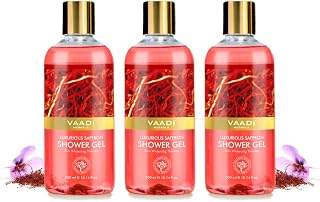


Choosing a herbal body gel is not simply about picking the product with the most natural-sounding label. Different gels are designed for different purposes, including everyday moisturising, soothing dry or irritated-feeling skin, cooling after sun exposure, refreshing the skin in hot weather, or supporting a simple body-care routine. The best choice depends on the ingredients, formulation, skin type, texture, fragrance, packaging, and how you intend to use the product.
For shoppers in India, climate is an important consideration. Hot and humid conditions can make heavy body creams uncomfortable, while dry winters and air-conditioned environments can increase the need for lightweight hydration. A gel texture can feel particularly convenient when you want moisture without a rich, greasy finish.
A herbal body gel is a gel-based personal-care product formulated for application to the body and typically marketed around botanical, plant-derived, or herbal ingredients. Depending on the formulation, it may be intended to hydrate, refresh, soften, cool, or soothe the skin.
The word “herbal” does not by itself guarantee that a product is completely natural, chemical-free, hypoallergenic, or suitable for every skin type. A finished cosmetic formulation can contain botanical extracts alongside humectants, preservatives, stabilisers, fragrances, gelling agents, and other cosmetic ingredients. For this reason, shoppers should evaluate the complete ingredient list rather than relying only on front-label claims.
The ingredient list is one of the most useful tools for comparing body gels. Look for clearly identified botanical ingredients and consider how they fit your intended use. Common ingredients found in herbal or botanical body gels may include aloe vera, cucumber, neem, turmeric, calendula, chamomile, green tea, rose, sandalwood, or other plant extracts.
However, the presence of a botanical ingredient does not automatically tell you its concentration or effectiveness. Ingredients are generally listed in descending order by weight at the time they are added, subject to applicable cosmetic labelling rules and formulation conventions. A product that prominently advertises a particular herb may contain a relatively small amount of that extract.
If your main objective is moisturising, pay attention to ingredients that help attract and retain water in the skin. Glycerin is a widely used humectant, while ingredients such as hyaluronic acid may also appear in some modern body-gel formulations.
A lightweight gel containing effective humectants can be useful for people who dislike the heavy sensation associated with traditional body creams. For very dry skin, however, a gel alone may not provide enough barrier-supporting emollients or occlusive ingredients.
Texture can make the difference between a product you use regularly and one that remains unused. A good body gel for warm Indian weather may feel lightweight, spread easily, and absorb without leaving an uncomfortable sticky film.
Before buying, consider whether you prefer a watery gel, thick gel, gel-cream, or richer moisturising texture. Products with similar botanical claims can feel completely different on the skin because their base formulations are different.
Fragrance is primarily a personal preference, but it can also matter for people whose skin becomes uncomfortable with fragranced cosmetics. Herbal products may contain added perfume or naturally aromatic botanical oils, so “herbal” does not necessarily mean fragrance-free.
If you prefer minimal fragrance, check the ingredient declaration and product description carefully rather than assuming that a plant-based product will have a mild scent.
Water-based gels require protection against microbial contamination. Preservatives are therefore a normal and important part of many cosmetic gel formulations. Avoid judging a product negatively simply because it contains preservatives; instead, consider whether the product is appropriately formulated, properly packaged, and used according to its instructions.
Aloe vera is one of the most recognisable botanical ingredients in body gels. It is commonly used in lightweight moisturising and soothing formulations because of its water-rich gel character and skin-conditioning appeal.
Aloe-based gels can be particularly attractive to shoppers who want a refreshing product for everyday body care. The finished product should still be evaluated as a complete formulation because the performance of a gel depends on all of its ingredients, not aloe vera alone.
Cucumber is commonly associated with refreshing and cooling skincare products. It can be a useful ingredient to look for when your priority is a light, fresh-feeling body-care product.
Neem has a long history of traditional use in Indian personal care. Modern cosmetic products may include neem extract as a botanical component in cleansing or skin-care formulations. Shoppers should distinguish traditional use from proven treatment claims and avoid assuming that a neem-containing gel can treat a medical skin condition.
Turmeric is another familiar Indian botanical ingredient. Cosmetic formulations may use turmeric extract because of its traditional skincare associations. The exact form and concentration of turmeric-derived ingredients can vary considerably between products.
Chamomile is commonly included in products positioned around gentle or soothing skin care. It may appeal to consumers looking for botanical ingredients, although people with known plant allergies should review the ingredient list carefully.
Green tea extract is frequently used in modern cosmetic formulations because of its antioxidant-related skincare interest. It can appear in lightweight gels designed for everyday body care and refreshing formulations.
Body gel and body lotion are not interchangeable in every situation. A gel generally has a lighter, fresher sensory profile, while a lotion often provides a more substantial blend of water, humectants, oils, and emollients.
For very dry areas such as elbows, knees, hands, and feet, a dedicated moisturising cream or balm may be more appropriate than a lightweight body gel.
Aloe vera gel is a specific category, while herbal body gel is a broader description. An herbal body gel can contain aloe vera, but it can also contain other botanical extracts or no aloe vera at all.
If aloe vera is your main priority, check whether the product specifically identifies aloe vera in the ingredient list rather than relying on a general “herbal” claim. Also examine whether the product is intended for the body, face, hair, after-sun use, or another application.
Body butter is generally richer and more occlusive than a conventional gel. It may be preferable during winter or for areas that become particularly dry. A gel is often more comfortable during hot weather or for shoppers who dislike oily textures.
Many consumers can reasonably use different textures at different times of the year. A lightweight gel may work well for everyday summer use, while a richer moisturiser can be reserved for colder months or particularly dry areas.
Normal skin generally gives you the widest choice. Focus on texture, ingredient preferences, fragrance tolerance, and how quickly the product absorbs.
Look beyond herbal extracts and examine the moisturising base. Humectants can help attract water, while emollients and occlusive ingredients can help support a more comfortable skin barrier. If your skin is significantly dry, a gel may be better as one part of your routine rather than the only moisturising product.
A lightweight gel may be more comfortable than a heavy body butter. Look for products that spread easily and do not leave a persistent greasy sensation.
Keep the formula as simple as practical and pay close attention to fragrance, essential oils, and botanical ingredients that you personally know you do not tolerate. “Natural” and “herbal” are not synonyms for hypoallergenic.
Before placing an order, examine the front label and the detailed product information. A useful checklist includes the intended application area, ingredient list, net quantity, directions, warnings, manufacturer or marketer information, batch information where applicable, shelf-life or expiry information, and storage instructions.
For online purchases, compare the product information displayed by the retailer with the manufacturer's packaging information when available. Product listings can change, and older images may not always reflect the latest packaging or formulation.
Body gels are frequently packaged in jars, tubes, pump bottles, or squeeze containers. Packaging affects convenience, hygiene, portability, and exposure to air and repeated handling.
If hygiene and convenience are priorities, packaging that minimises repeated finger contact can be worth considering.
Herbal positioning is not enough to establish whether a product suits your skin. Compare the full formula, intended use, manufacturer information, and user feedback.
A long ingredient list is not automatically superior to a short one. What matters is whether the formulation meets your needs and whether you tolerate its ingredients.
A pleasant scent may be desirable for some shoppers but unnecessary for others. If fragrance tends to bother your skin or senses, inspect the label carefully.
Not every gel is formulated for the same application. A body gel should be assessed according to its intended use rather than assuming that a product designed for the face or hair will perform identically on the body.
Compare price per gram or millilitre rather than comparing package prices alone. A cheaper-looking pack may contain substantially less product.
Check the relevant date information before buying, particularly if you intend to purchase multiple containers. Avoid using products beyond their recommended period.
When comparing products on Amazon India or other trusted retailers, create a short list and evaluate each option using the same criteria. This prevents attractive packaging or promotional claims from dominating the decision.
Depending on the specific formulation available at the time of purchase, shoppers in India may encounter established personal-care brands such as Himalaya, Biotique, Khadi Natural, Forest Essentials, Patanjali, Mamaearth, The Body Shop, and WOW Skin Science.
Brand familiarity should be treated as one consideration rather than a substitute for checking the individual product. Formulations can differ significantly within the same brand, and product ranges can be reformulated over time.
Follow the directions provided with the specific product. In general, body gels intended for moisturising are commonly applied to clean skin and spread evenly over the desired area.
Applying moisturising products after bathing can be convenient because the skin is clean and the routine is easy to maintain. Do not apply a cosmetic gel to broken skin or areas where the product instructions specifically advise against use.
If you are trying a new body-care product, especially one containing multiple botanical extracts or fragrance ingredients, consider testing a small amount on a limited area first. Stop using the product if significant irritation, burning, swelling, or another concerning reaction occurs.
People with persistent rashes, severe itching, swelling, unexplained skin changes, or suspected allergic reactions should seek appropriate medical advice rather than relying on a cosmetic body gel.
During hot weather, lightweight aloe vera or botanical gels can be appealing because they generally provide a fresher sensory experience than heavy creams. Look for a texture that feels comfortable in humid conditions.
Humidity can make rich products feel uncomfortable. A fast-spreading gel can be convenient, but storage becomes particularly important. Keep the container closed and follow the manufacturer's storage recommendations.
Cold and dry conditions can increase the need for richer moisturisation. A gel may still be useful for normal skin, but people with dry skin may prefer a gel-cream, lotion, cream, or body butter with greater barrier-supporting characteristics.
Frequent exposure to air conditioning can make skin feel dry even during warm weather. A moisturising gel containing effective humectants can be useful, although very dry skin may benefit from a richer formulation.
For everyday use, look for a balanced formulation rather than a single headline ingredient. The ideal product should have a texture you enjoy, suit your skin, provide the type of moisturisation you need, and fit comfortably into your routine.
Ease of application matters because consistency is often more useful than owning a product with impressive claims that you rarely use. A well-designed gel that you can apply comfortably after bathing may be a better practical choice than a heavier product that feels unpleasant in your climate.
Customer reviews can provide useful information about texture, fragrance, packaging, consistency, and whether the product feels comfortable in everyday use. They should not be treated as definitive evidence that a cosmetic product will produce a particular medical or therapeutic outcome.
When reading reviews, look for recurring observations rather than isolated comments. Pay particular attention to recent verified-purchase feedback, reviews describing the actual texture and application experience, and comments that identify the reviewer's skin type or intended use.
A reliable shopping decision should be based on product information, formulation details, suitability, and credible customer feedback rather than exaggerated marketing language.
The largest container is not necessarily the best value. Calculate the approximate cost per 100 ml or another consistent unit so that products with different pack sizes can be compared fairly.
Also consider how much product you need per application. A gel that spreads easily may last longer in practical use than a thicker product that requires a larger amount, although actual usage varies between individuals.
Herbal body gels can be a sensible option for shoppers who prefer lightweight body-care products and enjoy botanical-focused formulations. They may be particularly convenient for people living in warm climates or those who dislike the heavier feel of traditional body creams.
They are less likely to be the ideal single product for someone whose primary concern is severe dryness and who needs a richer barrier-supporting moisturiser.
A body gel is a cosmetic product, not a universal treatment for skin problems. If your skin is persistently cracked, painful, inflamed, severely itchy, bleeding, or developing unexplained lesions, choosing a different cosmetic gel may not address the underlying issue.
For ongoing or significant skin concerns, professional medical evaluation is more appropriate than repeatedly changing cosmetic products.
There is no single best herbal body gel for everyone. The right choice depends on your skin type, preferred texture, desired botanical ingredients, fragrance preference, budget, and intended use. Compare the current ingredient lists, specifications, and verified customer feedback before purchasing.
Many body gels are designed for regular cosmetic use, but suitability depends on the individual formulation. Follow the product's directions and discontinue use if it causes persistent irritation or discomfort.
No. Aloe vera gel refers to a product centred on aloe vera, whereas herbal body gel is a broader category that may contain aloe vera along with other botanical ingredients.
Yes, some body gels can provide useful moisturisation, particularly when they contain humectants and skin-conditioning ingredients. Very dry skin may require a richer lotion, cream, or body butter.
Not automatically. Botanical extracts, fragrance ingredients, and other cosmetic ingredients can cause irritation or allergic reactions in susceptible individuals. Review the full ingredient list and consider a small-area test when introducing a new product.
Do not assume that a product designed for the body is appropriate for facial skin. Use it on the face only when the manufacturer specifically indicates facial use.
Many moisturising body gels can fit conveniently into an after-bathing routine, provided the product instructions allow it. Apply according to the manufacturer's directions.
No. Price alone does not establish formulation quality or suitability. Compare ingredients, quantity, packaging, intended use, brand information, and customer feedback before deciding.
Follow the storage instructions on the packaging. In general, keep cosmetic products closed and away from unsuitable heat, moisture, or direct environmental exposure as specified by the manufacturer.