

♥ Wishlist
Compare 60 verified Thyroid Care Products products in India. Reviews, ratings, pros, cons and buying advice updated for September 2026.


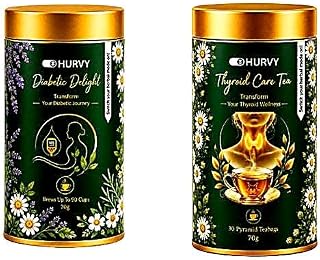


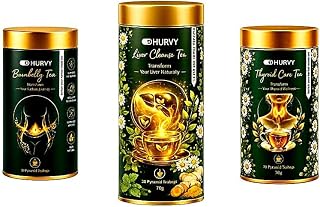


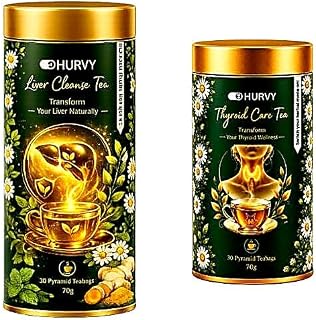
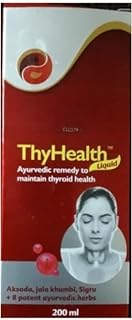

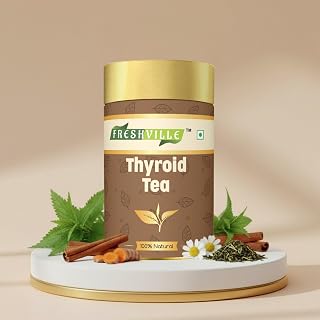
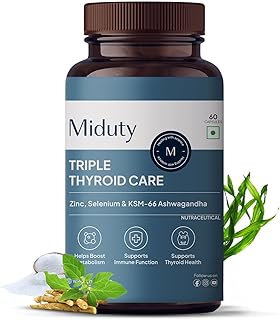


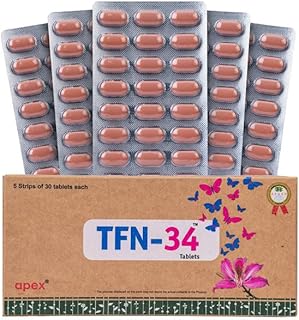


Choosing a thyroid-related supplement or wellness product requires more care than simply selecting the item with the highest rating. Thyroid conditions include hypothyroidism, Hashimoto’s thyroiditis, hyperthyroidism, thyroid nodules and other disorders, and the appropriate approach can differ substantially between them. A product marketed for “thyroid support” should therefore be assessed according to its ingredients, dosage, intended purpose, potential interactions and the individual’s medical situation rather than its marketing claims.
For people in India researching thyroid-support products in 2026, the most useful comparison is often not “which supplement cures thyroid problems?” but “which product, if any, fits a documented nutritional need without interfering with medical treatment?” Hypothyroidism is commonly treated with thyroid hormone replacement such as levothyroxine when hormone replacement is required; supplements and herbal products should not be treated as substitutes for prescribed therapy. :contentReference[oaicite:0]{index=0}
This guide is designed as an independent consumer resource. It focuses on how to evaluate thyroid-care supplements, herbal formulations, vitamins, minerals and related wellness products available to Indian consumers, while separating reasonable nutritional considerations from unsupported promises.
The phrase “thyroid care” can describe very different products. Some are multivitamins containing iodine, selenium, zinc or other nutrients. Others are herbal blends marketed for metabolism, energy, weight management or general endocrine wellness. Some products contain ingredients that can be useful when a deficiency exists, while others may have little relevance to the underlying thyroid condition.
There is also an important distinction between nutritional support and treatment. A supplement cannot automatically correct an underactive thyroid, reverse autoimmune thyroid disease or replace thyroid hormone prescribed by a clinician. The American Thyroid Association notes that complementary and alternative products may interact with standard treatment and that “natural” does not automatically mean safe or effective. :contentReference[oaicite:1]{index=1}
For this reason, a sensible buying guide should prioritize ingredient transparency, appropriate dosing, interaction awareness and evidence quality rather than promising dramatic thyroid results.
When comparing products sold in India, look beyond the front-label phrase “thyroid support.” A better product-selection framework considers several factors together.
Iodine is essential because the thyroid uses it to produce thyroid hormones. That does not mean that more iodine automatically means better thyroid health. Excessive iodine intake can cause thyroid dysfunction, and people with existing thyroid disorders may be particularly susceptible to problems from excessive intake. :contentReference[oaicite:2]{index=2}
This is particularly important when evaluating kelp, seaweed and concentrated iodine supplements. A product containing a large iodine dose should not be selected simply because its marketing describes iodine as a thyroid-support ingredient.
In India, consumers should also consider the iodine contribution of their normal diet, including iodized salt, before adding a concentrated iodine supplement. If a doctor has identified iodine deficiency or prescribed a specific iodine-containing product, that is a different situation from self-prescribing high-dose iodine.
Selenium is involved in thyroid hormone metabolism and antioxidant systems, which is one reason it frequently appears in thyroid-support formulas. However, the presence of selenium on a label does not establish that every person with thyroid disease needs additional selenium.
When comparing products, pay attention to the amount per serving and the total selenium intake from all supplements being used. Combining a multivitamin, thyroid-support formula and separate selenium supplement can unintentionally increase total intake.
Zinc has important biological roles and is commonly included in general nutritional formulas. It can be reasonable to examine whether a product provides zinc in a sensible amount, but a zinc-containing supplement should not automatically be interpreted as a treatment for hypothyroidism.
Look at the complete nutritional picture rather than selecting a product solely because it contains a longer list of vitamins and minerals.
Iron deserves special attention because iron supplements can interfere with the absorption of levothyroxine. The same issue can arise with multivitamins containing iron. :contentReference[oaicite:3]{index=3}
Someone taking thyroid hormone replacement should therefore check the timing of iron-containing supplements with their doctor or pharmacist rather than simply taking every supplement together in the morning.
Calcium is another ingredient worth checking carefully when thyroid hormone replacement is being used. Calcium-containing supplements can reduce the absorption of thyroid hormone. :contentReference[oaicite:4]{index=4}
This makes the “best thyroid supplement” question partly a scheduling question. A nutritionally useful calcium product can still be inconvenient or problematic if taken at the wrong time relative to thyroid medication.
Vitamin D is frequently included in wellness products marketed toward thyroid health. A low vitamin D level may warrant appropriate correction, but vitamin D supplementation should be based on nutritional needs rather than assuming that every thyroid patient needs a high-dose formula.
When comparing products, check whether the dose is appropriate for routine supplementation and whether the person is already receiving vitamin D from another product.
Biotin deserves special consideration because it can interfere with thyroid laboratory testing. The American Thyroid Association reports that biotin can make several thyroid test results appear abnormal even when the underlying hormone levels are not actually abnormal. :contentReference[oaicite:5]{index=5}
This matters because many hair, skin and nail supplements contain substantial amounts of biotin. Someone taking such a product should tell the healthcare professional ordering thyroid blood tests about the supplement. The appropriate period for stopping biotin before testing should be confirmed with the treating clinician or laboratory because testing methods and circumstances can differ.
A practical comparison can be made using a simple checklist rather than relying on star ratings alone.
Rather than presenting unsupported claims that one supplement universally works best for every thyroid condition, the following categories provide a more useful way to compare products in the Indian market.
A conventional multivitamin can be worth considering when a person has a broader nutritional requirement. The advantage is simplicity: several nutrients are combined into one product. The disadvantage is that unnecessary ingredients can also be included.
Before choosing one, examine the iodine, selenium, iron, calcium, zinc and biotin amounts. If you already use several supplements, calculate the combined intake instead of evaluating the multivitamin in isolation.
Brands such as Himalaya, Carbamide Forte, HealthKart and Tata 1mg are examples of recognizable names consumers may encounter while comparing nutritional supplements in India. Brand familiarity should not be treated as proof that a particular thyroid product is appropriate; the exact formulation and labeling still need to be checked.
Selenium-focused products appeal to shoppers specifically looking at antioxidant and thyroid-related nutrition. The important buying consideration is dosage rather than simply finding the product with the largest number on the label.
Compare the selenium contribution against other supplements in the same routine. A separate selenium product may be unnecessary if a suitable multivitamin or diet already provides adequate amounts.
Iodine products require more caution than many other nutritional supplements. The thyroid requires iodine, but excessive iodine can also disrupt thyroid function. :contentReference[oaicite:6]{index=6}
Do not choose a high-iodine product merely because it is promoted as “thyroid support.” This is especially important for people with Hashimoto’s disease or another established thyroid disorder, for whom excessive iodine may be harmful. :contentReference[oaicite:7]{index=7}
Vitamin D products are widely available in India in tablets, capsules, drops and combination formulas. For thyroid-related consumers, the relevant question is whether vitamin D supplementation is actually appropriate for the individual's nutritional status.
When comparing products, pay attention to dose, serving frequency and whether vitamin D is already included elsewhere in the supplement routine.
Zinc-only products can be useful when supplementation is appropriate, but they should not be selected simply because zinc is mentioned in thyroid-support advertising.
A good comparison considers the amount per serving, other sources of zinc and whether the product duplicates a multivitamin already being taken.
Herbal blends are among the most difficult thyroid products to evaluate because they can contain multiple botanicals with different pharmacological properties. A long ingredient list is not necessarily a sign of a better formulation.
Look for exact botanical names, quantities, standardized extracts where applicable, serving instructions and warnings. Be particularly cautious about products that make claims about replacing thyroid medication, reversing autoimmune disease or rapidly changing thyroid hormone levels.
Ayurvedic and herbal products can have legitimate traditional uses, but “Ayurvedic,” “herbal” or “natural” does not by itself establish safety for a person taking thyroid medication. The American Thyroid Association specifically advises discussing complementary and alternative products with the healthcare professional managing thyroid treatment. :contentReference[oaicite:8]{index=8}
Some shoppers searching for thyroid care are actually looking for help with general nutrition, energy or maintaining adequate protein intake. A nutritional product can be evaluated separately from a thyroid supplement.
When comparing protein or meal-support products, consider protein quantity, added sugar, total calories, allergens and other ingredients. If the product contains calcium, iron, soy or other ingredients relevant to thyroid medication, timing should be discussed with a healthcare professional.
Some products are marketed around energy, metabolism, immunity or daily wellness rather than directly claiming to treat thyroid disease. These may contain overlapping vitamins and minerals.
The main risk is duplication. Taking a general wellness formula alongside a multivitamin and thyroid-specific supplement can result in unnecessary or excessive intake of individual nutrients.
People with thyroid disorders sometimes look for hair-focused products because hair changes can accompany thyroid problems. These formulas frequently contain biotin and other nutrients.
Biotin is especially important to disclose before thyroid laboratory testing because it can interfere with certain thyroid assays. :contentReference[oaicite:9]{index=9}
A hair supplement should therefore be evaluated for its nutritional composition and testing implications rather than being considered a thyroid treatment.
Single-nutrient products can make sense when a specific nutrient is known to be needed. They can also make supplementation easier to control because the dose is more transparent.
The disadvantage is that consumers can accidentally build a complicated stack of overlapping products. A simple supplement plan that addresses an actual need is often easier to monitor than several overlapping formulas.
Timing is one of the most important practical issues for anyone taking levothyroxine. Some foods, medications and supplements can interfere with absorption. NIDDK specifically notes interactions involving iron- or calcium-containing multivitamins and recommends taking levothyroxine in a way that supports consistent absorption. :contentReference[oaicite:10]{index=10}
The exact schedule should follow the instructions provided by the prescribing clinician or pharmacist. Do not change the dose of thyroid medication simply because a supplement claims to improve thyroid function.
A useful shopping habit is to photograph or write down every supplement you take and show the complete list to the clinician managing your thyroid treatment. This is more reliable than evaluating each product independently.
Natural products are attractive to many consumers, especially in the herbal and Ayurvedic wellness market. However, the origin of an ingredient does not determine whether it is suitable for a particular medical condition.
Herbal products can contain biologically active compounds, and some can interact with medicines. The American Thyroid Association emphasizes that supplements and herbal products can interfere with standard treatment and that consumers should discuss complementary therapies with their healthcare professional. :contentReference[oaicite:11]{index=11}
This is why an independent buying guide should not rank a product highly merely because it contains more herbs or uses traditional terminology.
Be particularly cautious when a product description contains claims such as:
These statements should trigger additional scrutiny rather than increased confidence.
A label may show a nutrient amount per capsule while recommending two or three capsules per day. Always calculate the full daily intake.
Do not focus only on the first three ingredients. Some products use blends where several ingredients are combined under a single heading, making direct comparisons difficult.
If you take a multivitamin, vitamin D, selenium, zinc and a thyroid-support formula simultaneously, the same nutrients may appear repeatedly.
Consumers with thyroid disease should not assume that an iodine-containing product is beneficial. Excess iodine can worsen or trigger thyroid dysfunction in susceptible individuals. :contentReference[oaicite:12]{index=12}
If a product contains biotin, record it as part of your medication and supplement history. Biotin can produce misleading thyroid laboratory results. :contentReference[oaicite:13]{index=13}
For hypothyroidism, the most important distinction is between replacing thyroid hormone and taking a nutritional supplement. When the thyroid does not produce sufficient hormone, levothyroxine is a standard treatment because it replaces the hormone the body is lacking. :contentReference[oaicite:14]{index=14}
A supplement should therefore be considered an adjunct only when there is a legitimate nutritional reason for using it. It should not be used to reduce or replace prescribed thyroid hormone without medical supervision.
People with hypothyroidism should also be aware that the dose of thyroid medication can need adjustment over time. NIDDK notes that thyroid blood testing is used after starting or changing treatment to determine whether the dose is appropriate. :contentReference[oaicite:15]{index=15}
Hashimoto’s thyroiditis is an autoimmune thyroid condition. Supplement selection requires additional caution because products containing large amounts of iodine may be inappropriate for some people with autoimmune thyroid disease. NIDDK specifically warns that iodine-rich foods, iodine supplements and certain iodine-containing products can worsen hypothyroidism in susceptible people with Hashimoto’s disease. :contentReference[oaicite:16]{index=16}
For this reason, a “thyroid support” formula containing a large iodine dose should not automatically receive a higher ranking than an iodine-free nutritional product.
Thyroid-related weight concerns are common, but this does not make metabolism boosters a substitute for thyroid treatment. A product promising rapid weight loss through thyroid stimulation should be evaluated carefully.
Some “thyroid” products combine iodine, stimulants, herbs and other ingredients with metabolism-related claims. Such formulas may be inappropriate for people with thyroid disease or those taking prescription medicines.
A better approach is to first establish whether thyroid hormone levels are adequately controlled, then address nutrition, physical activity, sleep and other contributors with appropriate professional guidance.
Hair thinning or changes in hair texture can have many possible causes. Consumers sometimes respond by buying high-dose biotin products or complex hair supplements.
Before purchasing, check whether the product contains large amounts of biotin. Because biotin can interfere with certain thyroid tests, it is particularly relevant for anyone undergoing thyroid monitoring. :contentReference[oaicite:17]{index=17}
Do not assume that a hair supplement is treating the underlying cause of a thyroid-related symptom.
Pregnancy changes nutritional requirements and also changes the importance of maintaining appropriate thyroid hormone levels. Iodine requirements are different during pregnancy, but excessive iodine can also be harmful. :contentReference[oaicite:18]{index=18}
Pregnant women, women trying to conceive and breastfeeding women should therefore avoid independently experimenting with high-dose iodine or herbal thyroid products. Any supplement should be reviewed with the obstetric and thyroid-care team.
Indian consumers may encounter products from established names such as Himalaya, Carbamide Forte, HealthKart and Tata 1mg alongside many smaller supplement companies and imported brands. The useful comparison is not simply brand against brand.
Verified customer reviews can be useful for assessing practical characteristics such as packaging, tablet size, taste, ease of use, delivery condition and whether the product matches its published description.
Reviews are much less reliable for proving that a supplement treats hypothyroidism or changes thyroid laboratory values. Individual experiences do not establish clinical effectiveness.
When reading reviews, prioritize repeated comments about product quality and consistency rather than isolated claims about curing a medical condition.
A product with the lowest package price is not necessarily the most economical option. Compare the number of servings in the container, recommended daily serving and total active ingredients.
For example, a larger bottle may contain fewer daily servings if the recommended dose requires several capsules. Conversely, a more expensive product may provide a longer supply. Cost per serving and cost per month provide a more meaningful comparison than the sticker price alone.
A product can use thyroid-related language without being appropriate for a particular thyroid condition. Always inspect the formulation.
Iodine is essential, but excessive intake can cause thyroid dysfunction. :contentReference[oaicite:19]{index=19}
Stacking supplements can unintentionally increase intake of iodine, selenium, zinc, vitamin D, biotin or other nutrients.
Iron and calcium can reduce thyroid hormone absorption. Medication timing should be discussed with a healthcare professional. :contentReference[oaicite:20]{index=20}
High-dose biotin can interfere with thyroid laboratory testing and potentially produce misleading results. :contentReference[oaicite:21]{index=21}
No supplement should be used as a reason to discontinue prescribed thyroid hormone treatment without medical guidance. NIDDK specifically advises people not to stop thyroid medicine without discussing it with their healthcare professional. :contentReference[oaicite:22]{index=22}
Extra caution is appropriate when a person has an established thyroid disorder, takes levothyroxine or another thyroid-related prescription, is pregnant or planning pregnancy, takes multiple medications, has significant cardiovascular disease, has kidney or liver problems, or is preparing for thyroid-related blood testing or treatment.
The same caution applies when a product contains concentrated iodine, multiple stimulants, high-dose nutrients or numerous herbal extracts with limited dosing information.
A simple routine is generally easier to evaluate than a large supplement stack.
An independent buying guide should evaluate products using criteria that are meaningful to consumers rather than relying on advertising claims.
This type of framework is more useful than declaring one universal “best” thyroid supplement because thyroid conditions and nutritional requirements differ from person to person.
Before purchasing, inspect the physical or online product information for the product name, ingredient list, serving size, net quantity, manufacturer or marketer information, batch information, manufacturing and expiry information, directions and applicable warnings.
For products sold as food or dietary supplements, consumers should also pay attention to the regulatory labeling information applicable to the category. A professional-looking package is not a substitute for evaluating the actual formulation.
A supplement cannot compensate for a consistently poor diet. The thyroid requires several nutrients as part of normal physiology, but obtaining nutrients from a varied diet is generally preferable when practical.
For Indian households, a varied eating pattern can include vegetables, fruits, pulses, legumes, whole grains, dairy or suitable alternatives, nuts and seeds, eggs or other protein sources according to individual dietary preferences and requirements.
There is no universally required “thyroid diet” that replaces appropriate diagnosis and treatment. The American Thyroid Association notes that there is no special diet or vitamin that eliminates thyroid disease. :contentReference[oaicite:23]{index=23}
There is no single supplement that is best for every person with a thyroid disorder. The appropriate choice depends on the diagnosis, nutritional requirements, medications, laboratory findings and the ingredients in the product. For hypothyroidism requiring hormone replacement, prescribed thyroid hormone remains the central treatment rather than an over-the-counter supplement. :contentReference[oaicite:24]{index=24}
No. A nutritional or herbal supplement should not be treated as a replacement for prescribed thyroid hormone. People taking levothyroxine should not stop or change their treatment because of a supplement claim. :contentReference[oaicite:25]{index=25}
Iodine is essential for thyroid hormone production, but more is not necessarily better. Excess iodine can cause or worsen thyroid dysfunction, particularly in susceptible people and those with certain thyroid disorders. :contentReference[oaicite:26]{index=26}
Not automatically. People with Hashimoto’s disease can be sensitive to excess iodine, and NIDDK specifically advises discussing iodine supplements and iodine-rich products with the healthcare team. :contentReference[oaicite:27]{index=27}
Selenium has important biological roles related to thyroid physiology, but that does not mean everyone with thyroid disease needs a selenium supplement. The decision should consider diet, existing supplements, dosage and individual medical circumstances.
Yes. Biotin can interfere with some laboratory methods used for thyroid testing and can make results appear abnormal when the underlying thyroid hormone levels are not actually abnormal. :contentReference[oaicite:28]{index=28}
Calcium can interfere with thyroid hormone absorption. If you take calcium supplements, ask your doctor or pharmacist about appropriate timing relative to your thyroid medication. :contentReference[oaicite:29]{index=29}
Iron can also interfere with absorption of thyroid hormone. Discuss the timing of iron supplements or iron-containing multivitamins with your healthcare professional. :contentReference[oaicite:30]{index=30}
“Ayurvedic” and “natural” do not automatically mean that a product is safe for every person or compatible with thyroid medication. Herbal products can have biological effects and may interact with medicines, so discuss them with the healthcare professional managing your treatment. :contentReference[oaicite:31]{index=31}
Not necessarily. Price does not establish clinical effectiveness. Compare the formulation, dosage, ingredient transparency, manufacturing information, serving count and suitability for your specific needs.
Not necessarily. A long ingredient list can make it harder to determine which ingredient is responsible for an effect, whether the doses are meaningful and whether there are unnecessary overlaps with other supplements.
The appropriate testing schedule depends on the diagnosis and treatment. After starting or changing thyroid hormone treatment, clinicians commonly use follow-up blood testing to determine whether the dose needs adjustment. NIDDK describes follow-up testing after treatment changes and ongoing periodic monitoring once treatment is stable. :contentReference[oaicite:32]{index=32}
A supplement should not be assumed to correct weight changes caused by inadequately treated thyroid disease. Thyroid hormone status should be evaluated medically, and products marketed as metabolism boosters deserve particular caution.
The best thyroid-care purchase is not necessarily the product with the strongest marketing, the longest ingredient list or the highest package price. A better choice is one whose purpose is clear, whose ingredients and quantities are transparent and whose use fits the individual's nutritional and medical circumstances.
For anyone already taking thyroid medication, interaction and timing considerations should come before convenience. Iron and calcium can interfere with thyroid hormone absorption, while biotin can interfere with thyroid blood tests. Iodine deserves special attention because both inadequate and excessive intake can be relevant to thyroid health. :contentReference[oaicite:33]{index=33}
When comparing products from brands such as Himalaya, Carbamide Forte, HealthKart, Tata 1mg or other manufacturers available in India, compare the exact formulation rather than choosing based solely on brand recognition. Check the current label, serving size, ingredients, dosage, warnings, manufacturing information and current price before purchasing.
Most importantly, treat supplements as nutritional products rather than automatic treatments for thyroid disease. A product can be useful when it addresses a genuine nutritional need, but it should complement—not replace—appropriate medical diagnosis, prescribed treatment and follow-up.
Medical note: This buying guide is for general consumer education and does not diagnose or treat thyroid disease. If you have hypothyroidism, Hashimoto’s disease, hyperthyroidism, thyroid nodules, are pregnant or planning pregnancy, or take thyroid medication, discuss supplements and herbal products with your doctor or pharmacist before starting them.