

♥ Wishlist
Compare 45 verified Best Oral Care Products in India products in India. Reviews, ratings, pros, cons and buying advice updated for September 2026.
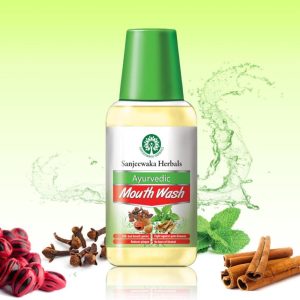
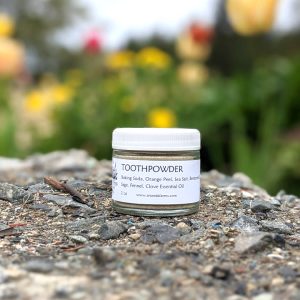
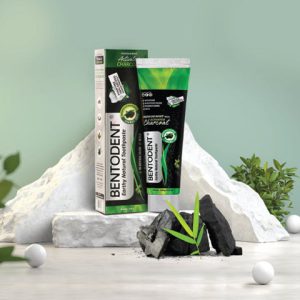







Choosing oral care products is not simply a matter of selecting the most popular toothpaste or the highest-rated toothbrush. A complete oral care routine may include a toothbrush, toothpaste, mouthwash, interdental cleaning tools, tongue-cleaning products and other accessories, and each serves a different purpose. The right combination depends on your dental needs, sensitivity, brushing habits, diet, age and personal preferences.
For shoppers in India, product selection also involves practical considerations such as ingredient labels, fluoride concentration, brush-head design, replacement availability, packaging, product claims and the reputation of the manufacturer. A product marketed as natural, herbal, whitening or advanced is not automatically the best choice for every person. The important question is whether its formulation and design match the purpose for which you intend to use it.
A well-rounded routine focuses on cleaning the surfaces that a toothbrush can reach while also addressing areas between the teeth and around the gumline. The exact products required can vary, but the main categories are straightforward.
Start by identifying the problem you are trying to address. Someone mainly concerned about cavity prevention may prioritize a fluoride toothpaste and consistent brushing technique. Someone with sensitive teeth may need a formulation designed specifically for sensitivity. A person focused on gum care may place greater emphasis on gentle brushing and interdental cleaning.
Whitening products require particular care. Removing external stains is different from changing the natural internal colour of teeth. Products that promise dramatic whitening should therefore be evaluated according to their ingredients, instructions and the type of staining they are intended to address.
The ingredient list deserves more attention than front-of-pack marketing language. Fluoride is an important consideration for cavity prevention, while other ingredients may be included for sensitivity, stain removal, flavour, foaming, tartar-control or other purposes.
Popular Indian brands such as Colgate, Sensodyne, Oral-B, Pepsodent, Closeup, Dabur and Himalaya offer different formulations across their oral care ranges. However, the brand name alone should not determine the purchase. Compare the specific product formulation and intended use instead.
A toothbrush should make thorough cleaning practical without encouraging excessive pressure. Soft bristles are commonly preferred for gentle cleaning, while the head should be small enough to maneuver comfortably around the back teeth and other difficult areas.
Handle shape, grip texture, neck flexibility and head profile can also influence usability. These details may appear minor, but a toothbrush that is comfortable to hold and easy to maneuver is more likely to be used consistently.
Both manual and electric toothbrushes can be useful. Manual toothbrushes are inexpensive, portable and straightforward to replace. Electric toothbrushes can provide features such as timed brushing cycles, pressure feedback and powered brush-head movement, depending on the model.
Brands such as Oral-B and Philips Sonicare offer powered toothbrush options, while Colgate and other established manufacturers provide both manual and powered oral care products. When comparing electric toothbrushes, consider battery or charging requirements, replacement-head cost, availability of compatible heads, brushing modes and pressure-control features rather than focusing only on the initial purchase price.
Cavity prevention should be a central consideration when choosing everyday toothpaste. Consumers should read the complete ingredient information and follow the product's usage instructions rather than assuming that terms such as “advanced protection,” “complete care” or “natural protection” describe equivalent formulations.
If you have a history of frequent cavities, dental restorations or other recurring problems, professional dental advice can be more useful than switching between multiple consumer products.
Tooth sensitivity can occur for several reasons, including exposed dentin, gum recession, enamel wear and other dental conditions. Toothpaste marketed for sensitive teeth may contain ingredients intended to reduce sensitivity, but persistent or severe sensitivity should not simply be covered up with a different toothpaste.
Sensodyne is one of the best-known brands in this category, while Colgate and other manufacturers also offer sensitivity-focused formulations. Compare the active ingredients and directions of the specific products rather than relying solely on brand reputation.
Gum-focused oral care is not limited to toothpaste. Brushing gently along the gumline and cleaning between the teeth are important parts of routine care. Bleeding gums should not automatically be interpreted as a sign that you need a stronger toothbrush or more aggressive brushing.
If gum bleeding is persistent, frequent or accompanied by swelling, pain, bad breath or other changes, a dental examination is more appropriate than repeatedly changing consumer products.
Herbal oral care has strong consumer interest in India, particularly among shoppers who prefer ingredients such as neem, clove, miswak, babool or other botanical extracts. These products can be part of a personal oral care routine, but “herbal” and “natural” are broad marketing descriptions rather than guarantees of effectiveness or suitability.
When comparing herbal toothpaste or mouthwash, examine the full ingredient list, intended purpose, usage instructions and manufacturer information. A botanical ingredient can be useful for a particular formulation, but the presence of an herb does not by itself establish that a product is superior to conventional oral care.
The most useful comparison is not “natural versus chemical.” Everything in a formulated oral care product is made from chemical substances. Instead, compare the actual formulation and determine whether it provides the feature you need.
A good toothbrush should support effective cleaning without requiring excessive force. Harder does not necessarily mean cleaner. Excessive pressure can contribute to gum irritation and mechanical wear, particularly when combined with an aggressive brushing technique.
A compact head can make it easier to reach molars and maneuver around crowded teeth. Larger heads may cover more surface area with each movement but can be less convenient in small mouths or difficult-to-reach areas.
Monitor the condition of the bristles instead of relying exclusively on a calendar. Frayed, flattened or visibly worn bristles are a sign that a toothbrush may need replacement. Manufacturer replacement guidance should also be considered.
For electric toothbrushes, the long-term cost of replacement heads can be more important than the initial device price. Before purchasing, check whether compatible heads are readily available and whether multiple head types are supported.
An electric toothbrush can be attractive for people who want guided brushing features or find powered movement easier to maintain consistently. However, not every expensive model provides features that every user needs.
This is the most straightforward category for routine oral hygiene. Look for a formulation intended for regular use and evaluate its active ingredients, directions and suitability for your household.
Designed for people experiencing sensitivity, these formulations can be useful when used consistently and according to instructions. If sensitivity does not improve or is associated with pain, professional evaluation is advisable.
Whitening toothpaste generally focuses on surface stains rather than producing the same type of result associated with professional bleaching procedures. Coffee, tea, tobacco and certain foods can contribute to external staining, and abrasive or stain-removing formulations may help with some types of discoloration.
These formulations are marketed toward gum-related concerns and may contain ingredients selected for plaque control or other purposes. They work best as part of a broader routine that includes appropriate brushing and interdental cleaning.
Children's oral care products should be selected according to the child's age and applicable dental guidance. Packaging, flavour, fluoride content and instructions can differ significantly from adult products.
Mouthwash can complement brushing and interdental cleaning, but it should not be viewed as a substitute for physically removing plaque from tooth surfaces. The right mouthwash depends on why you want to use one.
A toothbrush cannot effectively clean every surface between closely positioned teeth. Interdental cleaning therefore deserves a place in a complete oral care routine.
Dental floss can be useful for tightly spaced teeth, while interdental brushes may be more convenient for certain larger spaces. Water flossers can be another option for people who prefer a powered stream of water. The best choice is the method that fits the individual's teeth, dexterity and dental recommendations and can be used consistently.
Floss is thin and can slide between tightly contacting teeth when used correctly. Interdental brushes come in different sizes and may be easier to handle for some users. They should fit appropriately rather than being forced into spaces that are too small.
Water flossers use a directed stream of water to clean around teeth and along the gumline. They may appeal to people who find traditional floss difficult to handle. Compare reservoir capacity, pressure settings, nozzle options, cleaning requirements and replacement parts before purchasing.
The tongue can accumulate a coating that contributes to an unpleasant mouth feel or breath odor. A tongue scraper can be a simple addition to an oral care routine. Look for a design that is easy to clean and comfortable to use without excessive pressure.
Persistent bad breath, however, should not automatically be treated as a cosmetic issue. It can sometimes be associated with dental, gum, oral or other health concerns. If the problem continues despite good oral hygiene, professional evaluation is sensible.
A simple comparison framework can make a large product category easier to navigate. Instead of ranking products solely by popularity, assess each candidate across several dimensions.
Consumers comparing oral care products in India will encounter a broad selection from established international and Indian brands. Colgate, Oral-B, Sensodyne, Philips Sonicare, Pepsodent, Closeup, Dabur and Himalaya are examples of brands with products across different oral care categories.
Brand familiarity can be useful as a starting point, but it should not replace product-level comparison. A manufacturer may sell several toothpastes or toothbrushes designed for completely different purposes, so check the exact formulation, specifications and intended use.
Customer reviews can provide useful information about packaging, handling, taste, battery performance and everyday convenience, but they should be interpreted carefully. A review is an individual experience, not proof that a product will produce the same outcome for everyone.
The most appropriate budget depends on the category. A manual toothbrush can remain a simple purchase, while an electric toothbrush involves the initial device cost plus replacement heads and potentially charging accessories. Similarly, specialized toothpaste or mouthwash may cost more than basic formulations.
Instead of setting a single budget for the entire oral care category, calculate the cost of maintaining the routine over time. For powered devices, include replacement-head expenses. For toothpaste and mouthwash, consider the quantity used per month. The cheapest purchase price is not always the lowest long-term cost.
A practical routine is often more valuable than a complicated collection of products. Start with an appropriate toothbrush and toothpaste, brush consistently using a gentle technique, clean between the teeth with a suitable method and clean the tongue if desired. Mouthwash can be added when it serves a specific purpose and is compatible with the rest of the routine.
For families, avoid assuming that one product is suitable for every household member. Children, adults and people with specific dental concerns may require different products or professional recommendations.
Travel changes the practical requirements of oral care. Compact toothbrushes, protective brush cases, appropriately sized toothpaste and easy-to-pack interdental products can make a routine easier to maintain away from home.
Electric toothbrush users should consider battery life, charging requirements and whether replacement heads or charging accessories are practical to carry. Frequent travellers may prefer a simpler setup if charging is inconvenient.
Oral care products require basic maintenance. Rinse a toothbrush after use and store it in a way that allows it to dry rather than keeping it continuously enclosed while wet. Keep toothbrushes away from unnecessary contamination and avoid sharing them.
Electric toothbrush handles should be maintained according to the manufacturer's instructions, while removable brush heads should be replaced when required. Flossers, water-flosser tips, tongue cleaners and other reusable accessories should also be cleaned as directed.
Consumer products are useful for routine hygiene, but they cannot diagnose or treat every dental problem. Persistent tooth pain, significant sensitivity, recurring gum bleeding, swelling, loose teeth, unexplained oral changes or continuing bad breath may require assessment by a qualified dental professional.
Changing toothpaste repeatedly can sometimes delay identification of the underlying issue. If a symptom is persistent or worsening, product experimentation should not replace appropriate dental care.
Prioritize a comfortable toothbrush, an appropriate everyday toothpaste and a reliable interdental cleaning method. Consistency and technique are more important than collecting numerous specialized products.
Compare toothpastes specifically formulated for sensitivity and review their active ingredients and usage instructions. Avoid excessively forceful brushing and consider professional advice if sensitivity persists.
Look for products intended to address surface stains and keep expectations realistic. If discoloration is significant, professional dental advice can help determine whether the cause is staining, enamel changes or another issue.
Compare herbal formulations by their actual ingredients, intended use and suitability for everyday oral hygiene. Products from brands such as Dabur and Himalaya may appeal to shoppers seeking botanical formulations, but the complete formulation should remain the basis for comparison.
Electric toothbrushes from brands such as Oral-B and Philips Sonicare can be evaluated by timer functionality, pressure feedback, brushing modes, battery performance, replacement-head costs and compatibility.
There is no single product that is best for every person. The right choice depends on whether your priority is everyday cavity prevention, sensitivity, gum care, stain removal, interdental cleaning or another specific requirement.
Not necessarily. Premium products may offer additional technology, convenience or specialized formulations, but price alone does not establish better suitability. Compare the feature that you actually need with the total cost of ownership.
“Herbal” does not automatically mean better. Compare the actual ingredients, intended purpose and evidence for the feature you want. For cavity prevention, pay particular attention to fluoride and the complete formulation rather than relying on the natural positioning of a product.
An electric toothbrush can be worthwhile for users who value powered brushing, timers, pressure feedback or other guidance features. However, a manual toothbrush can also be effective when used properly and consistently.
A toothbrush with appropriately soft bristles and a comfortable design may be preferable to a hard-bristle brush, particularly when excessive brushing pressure is a concern. Persistent gum problems should be assessed by a dental professional.
Follow the manufacturer's replacement guidance and inspect the bristles regularly. A brush with noticeably frayed, flattened or damaged bristles may need replacement sooner.
Whitening toothpaste generally targets surface stains rather than changing the natural internal colour of teeth in the same way as professional whitening procedures. Results depend on the type and cause of discoloration.
No. Mouthwash is generally a supplementary product. It does not replace thorough brushing and interdental cleaning.
The presence or absence of alcohol should not be the only deciding factor. Consider the product's intended purpose, active ingredients, instructions and your own tolerance and preferences.
Check the exact product variant, ingredient information, pack size, intended use, manufacturer details, current seller information and recent customer feedback. Compare the cost per unit where pack sizes differ.
Not necessarily. Natural ingredients can still cause irritation or sensitivity in some people, and suitability depends on the complete formulation and the individual. Children and people with specific dental conditions may require different considerations.
Compare the individual products rather than the brands as a whole. Sensodyne is strongly associated with sensitivity-focused products, Oral-B with toothbrushes and electric oral care, while Colgate, Dabur and Himalaya offer broader ranges that include different formulations and product types. The best choice depends on the exact product specification and your oral care objective.
The best oral care setup is not necessarily the one containing the largest number of products or the most expensive technology. A better approach is to identify your main oral care priorities, compare formulations and specifications, consider long-term replacement costs and choose products that you can use correctly and consistently.
For shoppers in India, compare current product specifications and retailer information before making a purchase because pack sizes, formulations, availability and prices can change. Customer reviews can help evaluate convenience and real-world usability, while ingredient labels and manufacturer information are more useful for understanding what a product is designed to do.
Most importantly, oral care products should support—not replace—good daily hygiene and appropriate professional dental care. A carefully selected toothbrush, suitable toothpaste and effective interdental cleaning routine provide a practical foundation, while specialized products can be added when there is a clear reason to use them.