

♥ Wishlist
Compare 52 verified Toothpaste for Everyday Oral Care products in India. Reviews, ratings, pros, cons and buying advice updated for September 2026.


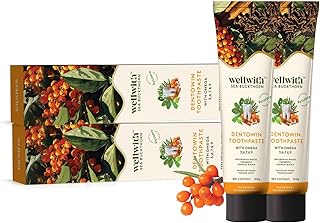
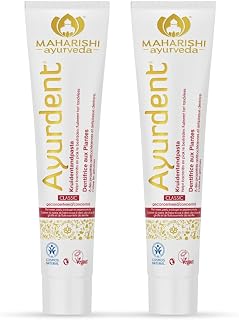


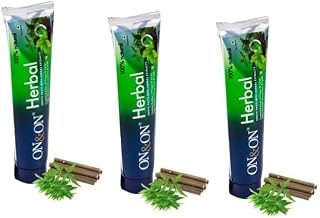

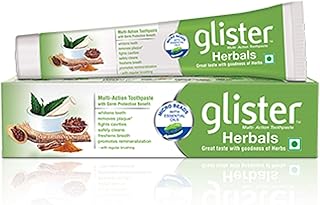


Choosing a toothpaste is not simply a matter of picking the most popular brand or the product with the most attractive packaging. Different toothpastes are formulated for different oral-care priorities, including cavity protection, sensitivity, gum care, stain removal, enamel protection, breath freshness and ingredient preferences. A toothpaste that works well for one person may be less suitable for another.
For shoppers in India, the selection can be particularly broad. Familiar names such as Colgate, Sensodyne, Oral-B, Pepsodent, Closeup, Himalaya and Dabur offer products aimed at different needs, while herbal and naturally positioned alternatives provide additional choices. The right decision should therefore start with your oral-care requirement rather than the brand name alone.
This buying guide explains the factors worth comparing before purchasing toothpaste in 2026, including active ingredients, fluoride, abrasivity, sensitivity considerations, herbal formulations, whitening claims, gum-care ingredients, packaging, value and suitability for different users.
When comparing toothpaste products, consider the formulation as a whole rather than relying on one marketing claim. The most useful questions are: What problem is the toothpaste designed to address? Which active ingredients does it contain? Is it appropriate for your teeth and gums? Does it contain fluoride where appropriate? Is the abrasivity suitable for regular use? And does the product match the guidance provided by your dentist?
The active ingredient is one of the most important details on a toothpaste package. Depending on the product, formulations may contain ingredients intended to support cavity prevention, reduce dentinal sensitivity, control plaque, improve gum care or assist with surface stain removal.
Do not assume that a longer ingredient list automatically means a better toothpaste. A focused formulation designed around your specific oral-care requirement can be more useful than a product containing numerous ingredients that you do not need.
Fluoride is a major consideration when choosing toothpaste for everyday cavity prevention. It supports the remineralisation of tooth enamel and helps make teeth more resistant to acid-related demineralisation.
For most adults looking for a routine toothpaste, checking the fluoride information on the packaging is more meaningful than choosing a product solely because it is labelled natural, premium or whitening. Parents should use age-appropriate toothpaste and follow dental guidance regarding the amount used by children.
If you have a high risk of dental caries, frequent cavities, dry mouth or other dental concerns, a dentist may recommend a particular fluoride concentration or prescription-strength product. Such recommendations should take priority over a general consumer buying guide.
People who experience sharp, short-lived discomfort when consuming cold, hot, sweet or acidic foods may need to consider a toothpaste formulated for sensitive teeth. Sensitivity-focused products can contain ingredients designed to reduce the transmission of sensitivity signals or protect exposed areas.
Sensitivity toothpaste is not necessarily a whitening toothpaste, gum-care toothpaste or general-purpose toothpaste. If sensitivity persists, becomes severe or occurs in one particular tooth, it is better to have the cause assessed by a dental professional instead of repeatedly changing toothpaste.
Whitening toothpaste generally works by helping remove surface stains rather than changing the natural internal colour of teeth in the same way as professional bleaching procedures. This distinction is important when comparing products.
People who drink tea, coffee or other strongly coloured beverages may be particularly interested in stain-removing formulations. However, aggressive brushing and excessively abrasive products are not a substitute for proper dental care. If you have enamel wear, exposed dentine, gum recession or significant sensitivity, ask a dentist which type of toothpaste is appropriate.
Toothpaste marketed for gum care is generally intended to complement daily brushing and interdental cleaning. Gum health depends on more than toothpaste alone. Brushing technique, cleaning between teeth, regular dental examinations and management of plaque are all important.
If your gums regularly bleed, appear swollen, feel painful or have started receding, changing toothpaste should not be considered the only solution. Persistent gum symptoms deserve professional assessment.
For many adults, a straightforward fluoride toothpaste intended for daily cavity prevention is the most sensible starting point. Look for clear active-ingredient information, an appropriate fluoride formulation and packaging that provides complete usage instructions.
Popular mainstream options from brands such as Colgate, Pepsodent and Oral-B may appeal to shoppers seeking familiar everyday products. Compare the specific formulation rather than assuming that every toothpaste from the same brand performs the same function.
Sensitivity-focused toothpaste is worth considering when discomfort is triggered by cold drinks, hot foods, sweets or brushing. Sensodyne is one of the best-known brands in this category, while other manufacturers also offer sensitivity formulations.
Check the exact variant before buying because a brand may sell several products for different purposes. A sensitivity toothpaste combined with gentle brushing can be more appropriate than selecting a highly abrasive whitening product when sensitivity is your main concern.
If your main concern is tea, coffee or food-related surface staining, look for a toothpaste specifically formulated for stain removal. Products from brands such as Colgate, Oral-B and Closeup may include variants positioned around whitening or stain control.
Keep expectations realistic. Whitening toothpaste can help with removable surface stains, but it cannot necessarily deliver the same result as professional tooth whitening. Existing fillings, crowns and other dental restorations also do not respond to whitening products in the same way as natural tooth structure.
Herbal toothpaste remains popular in India, particularly among consumers who prefer plant-derived or traditionally positioned ingredients. Brands such as Himalaya, Dabur and Meswak offer products associated with herbal oral care.
However, the word “herbal” should not be treated as a guarantee of superior cavity protection or overall dental performance. Evaluate the complete formulation, including whether the toothpaste contains fluoride, what the product is designed to address and whether the ingredients are suitable for your needs.
Fresh-breath toothpaste can be useful for people whose primary shopping priority is a clean-mouth sensation. Menthol, flavouring systems and other formulation components can contribute to the perceived freshness after brushing.
Persistent bad breath should not automatically be treated as a toothpaste problem. It can have multiple causes, including oral hygiene issues, gum disease, dental problems and non-dental factors. A toothpaste may improve the sensation of freshness without addressing an underlying cause.
Fluoride is one of the most important ingredients to examine when cavity prevention is the priority. Check the packaging for the specific fluoride compound and concentration rather than relying on broad terms such as “complete protection.”
Some sensitivity formulations use potassium salts as part of their approach to managing dentinal sensitivity. These products are designed specifically for people who experience sensitivity and should be evaluated according to the instructions and the underlying dental condition.
Other sensitivity toothpastes use ingredients intended to block or reduce pathways associated with sensitivity. Because different formulations work through different mechanisms, compare the active ingredient and directions instead of assuming that every sensitive-teeth toothpaste is interchangeable.
Abrasive ingredients help toothpaste remove plaque and surface stains during brushing. The presence of an abrasive ingredient is not inherently a problem; the important issue is whether the overall formulation and brushing technique are appropriate for regular use.
Surfactants help toothpaste spread and foam during brushing. Some consumers prefer products with particular surfactant profiles because of personal preference or previous irritation, so the ingredient list can be useful when comparing formulations.
Mint and other flavouring ingredients influence the taste and freshness sensation of toothpaste. If a product causes burning, irritation or discomfort, switching to a milder formulation may be worth discussing with a dental professional.
Natural and herbal positioning can be attractive, but it should not replace formulation-based comparison. Consumers often assume that natural ingredients are automatically gentler or more effective. Neither assumption is universally correct.
When comparing herbal toothpaste, check whether the product contains fluoride, identify the principal active ingredients, examine the intended use and consider whether the product provides the type of cavity protection you require.
Common herbal and botanical ingredients may include neem, clove, miswak, babul, fennel or other plant-derived components. Their presence may be relevant to a consumer's ingredient preferences, but the complete formulation remains more important than the presence of any single botanical.
Two toothpaste tubes can appear similar while serving very different purposes. Before adding a product to your basket, compare the following information directly from the packaging.
A familiar brand can be a useful starting point, but brand reputation does not mean every variant is appropriate for every person. Colgate, Sensodyne, Oral-B, Himalaya, Dabur, Pepsodent and other established brands have multiple formulations with different purposes.
Price is not a reliable substitute for suitability. A premium toothpaste may include additional ingredients or a specialised formulation, but that does not automatically make it the best choice for routine cavity protection or sensitivity.
Some consumers actively seek fluoride-free products, while others prioritise fluoride for cavity prevention. The appropriate choice depends on individual circumstances. Avoid making the decision solely from the words “natural” or “herbal” on the front of the package.
Whitening toothpaste is primarily useful for surface stains. If the underlying tooth colour has changed substantially, a dental professional can determine whether the cause is staining, enamel changes, trauma, medication-related discolouration or another issue.
The best toothpaste cannot compensate for poor brushing technique. A soft-bristled toothbrush, appropriate brushing pressure and thorough coverage of the teeth and gumline are essential parts of daily oral hygiene.
More toothpaste does not necessarily provide more cleaning. Follow the product's instructions and use an appropriate amount for the intended age group.
Toothpaste should be considered alongside your toothbrush. If you have sensitive teeth or signs of enamel wear, a soft-bristled brush and gentle technique are generally preferable to aggressive scrubbing.
Electric toothbrushes can provide useful brushing assistance, particularly for people who find it difficult to maintain consistent technique. However, toothpaste selection should still be based on your oral-health needs rather than the type of toothbrush alone.
There is usually no need to rotate toothpaste simply for variety if your current product meets your oral-care needs and is well tolerated. Switching can make sense when your needs change, such as developing sensitivity or deciding to address surface staining.
If your dentist recommends a specific formulation, follow that recommendation rather than switching repeatedly based on advertisements or seasonal product launches.
When comparing toothpaste prices, look beyond the headline price. Calculate the approximate cost per gram when pack sizes differ, and check whether multiple tubes are being sold as a bundle.
Large multipacks may offer a lower unit cost, but only if the formulation is appropriate for you and the toothpaste will be used before its expiry. Smaller packs can be useful when testing a new formulation or when travelling.
Also compare the exact variant rather than comparing brands at the company level. A standard cavity-care product, sensitive-teeth product and whitening product may have substantially different formulations even when they carry the same brand name.
Online shopping provides access to a wide range of toothpaste products, but product pages can change. Before purchasing, compare the current product name, exact variant, pack size, ingredient information and stated expiry or shelf-life details.
Customer reviews can help identify practical issues such as flavour preference, packaging damage, consistency, tube size or whether the product was delivered as expected. They are less reliable for determining whether a toothpaste provides superior clinical protection.
When reading reviews, separate subjective preferences from objective product information. Comments such as “I like the taste” are personal observations, while packaging details can sometimes be independently checked against the manufacturer's information.
India's toothpaste market includes a mixture of large international companies, established domestic brands and herbal-focused manufacturers. Depending on the required benefit, shoppers may encounter Colgate, Sensodyne, Oral-B, Pepsodent, Closeup, Himalaya, Dabur and Meswak among the better-known options.
Brand familiarity should not be confused with a universal recommendation. The most suitable choice depends on the exact product formulation, your oral-care needs, your ingredient preferences and any advice provided by your dentist.
A general consumer guide is useful for comparing routine products, but some oral-health situations require professional advice. Consider speaking with a dentist if you have persistent tooth pain, repeated cavities, significant sensitivity, bleeding or swollen gums, unexplained bad breath, loose teeth, enamel damage, exposed tooth roots or sudden changes in tooth colour.
Children, people with complex dental treatment histories and individuals using specialised dental products may also benefit from personalised product recommendations.
There is no single toothpaste that is best for every person. The right choice depends on whether your priority is cavity protection, sensitivity, surface-stain removal, gum care, fresh breath, herbal ingredients or another specific requirement. Start by identifying your main oral-care need and then compare the active ingredients and formulation of suitable products.
Fluoride is widely used in toothpaste for cavity prevention because it supports enamel remineralisation and resistance to acid-related damage. Whether a particular fluoride formulation is appropriate depends on the individual, age and dental circumstances. Follow professional advice when you have specific dental risks or conditions.
A toothpaste specifically formulated for sensitive teeth is generally the appropriate category to consider when sensitivity is the primary concern. Sensodyne is a well-known example, but compare the active ingredient and exact product variant rather than choosing solely by brand.
Not necessarily. Herbal toothpaste can be a suitable option for consumers who prefer botanical ingredients, but “herbal” does not by itself establish superior cavity protection or overall effectiveness. Compare the complete formulation, including fluoride information and intended use.
Whitening toothpaste can help remove certain surface stains, but it generally should not be confused with professional bleaching treatments. The result depends on the type and cause of discolouration.
Toothpaste can help with routine plaque control, but hardened tartar cannot generally be removed simply by brushing with toothpaste. Professional dental cleaning may be required when calculus has accumulated.
It depends on the formulation and the cause and severity of your sensitivity. Some whitening products may be uncomfortable for sensitive teeth. If sensitivity is significant, prioritise the sensitivity issue and ask a dentist whether whitening is appropriate.
Use the amount recommended on the toothpaste packaging or by your dental professional. Using a large amount does not necessarily make brushing more effective.
No. Foam is not a reliable measure of cleaning performance. Cleaning depends on the formulation, brushing technique, duration and coverage of the teeth rather than the amount of foam produced.
It can be worth paying more when a toothpaste provides a formulation that matches a specific need, but price alone does not determine suitability. Compare active ingredients, intended use, quantity and formulation before deciding.
Compare the active ingredients, fluoride information, intended purpose, net quantity, usage instructions and formulation differences. If the products target the same problem, then value per gram, flavour preference and tolerability can help make the final decision.
Children should use toothpaste appropriate for their age and follow guidance concerning the amount used. Parents should check the product instructions and seek dental advice when unsure about the appropriate formulation.
The best toothpaste is the one whose formulation matches your actual oral-care needs and that you can use consistently with proper brushing technique. For most purchasing decisions, the most useful comparison points are active ingredients, fluoride information, sensitivity considerations, abrasivity, intended benefit, ingredient preferences, pack size and overall value.
Do not choose solely because a product is labelled premium, herbal, natural, whitening or clinically inspired. Read the packaging, compare the exact variant and consider whether the product addresses the problem you actually want to solve.
For shoppers in India, established options from brands such as Colgate, Sensodyne, Oral-B, Pepsodent, Closeup, Himalaya, Dabur and Meswak can provide starting points for comparison across different toothpaste categories. The final choice should be based on the specific formulation rather than brand popularity alone.
If you have ongoing pain, sensitivity, bleeding gums, recurrent cavities or another persistent dental problem, professional dental advice should take priority over selecting a different toothpaste. A good toothpaste supports an effective oral-hygiene routine; it does not replace professional diagnosis or treatment.