

♥ Wishlist
Compare 59 verified Mouth Toothpowder for Everyday Oral Care products in India. Reviews, ratings, pros, cons and buying advice updated for September 2026.
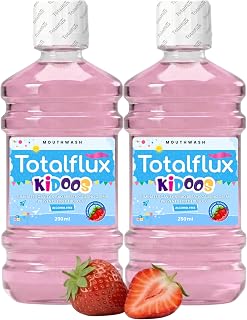

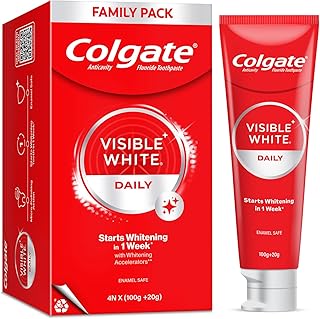
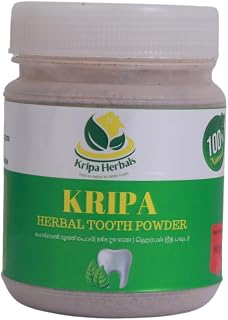


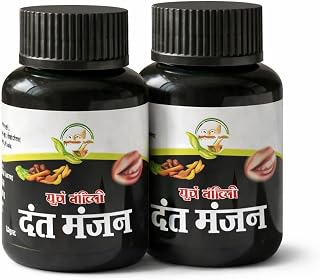


Choosing a mouth toothpowder is not simply a matter of selecting the product with the most natural-looking label or the longest ingredient list. Toothpowders can differ substantially in their active ingredients, abrasiveness, flavouring, intended purpose, packaging, age suitability and evidence behind their claims. A good buying decision should therefore begin with the oral-health problem you are trying to address and then move to the formulation, rather than choosing solely on brand popularity or marketing language.
For Indian consumers, the choice can be particularly broad because the market includes traditional herbal toothpowders, modern fluoride-containing powders, Ayurvedic-inspired formulations, clove- or neem-based products, charcoal products, whitening powders and products marketed primarily for fresh breath or gum care. These categories are not interchangeable. A powder intended mainly for cleaning and freshness may not provide the same cavity-prevention benefit as a fluoride dentifrice.
The most important distinction is whether the product provides a clinically established anticaries ingredient. Fluoride is widely recognised for helping prevent tooth decay by supporting remineralisation and making enamel more resistant to acid attacks. Professional dental guidance generally recommends brushing twice daily with fluoride toothpaste for cavity prevention.
That does not automatically mean every non-fluoride toothpowder is unsuitable for every person. It means buyers should understand what a particular powder can realistically do, what it cannot replace, and whether its formulation matches their individual oral-care needs.
Mouth toothpowder is a powdered dentifrice designed to be applied to the teeth and gums with a toothbrush, finger or another method specified by the manufacturer. Like toothpaste, it may contain abrasive cleaning agents, flavouring substances, active ingredients and other formulation components. The major physical difference is that the product is supplied as a dry powder rather than a paste or gel.
Toothpowders can be broadly divided into several groups:
The category name alone is therefore not enough to evaluate a product. Two toothpowders may look similar on a retail shelf while having very different intended uses and ingredient profiles.
There is no universal answer based solely on whether the dentifrice is a powder or paste. The more useful comparison is between the actual formulations and the oral-health objective.
A conventional fluoride toothpaste has an important advantage when cavity prevention is the priority because fluoride is an established anticaries ingredient. The American Dental Association notes that fluoride-containing dentifrices can strengthen enamel, support remineralisation and help prevent tooth decay.
A toothpowder may still be attractive for someone who prefers a dry formulation, traditional herbal ingredients, a particular flavour profile or a specific cleansing experience. However, a pleasant herbal profile should not be confused with proven cavity protection.
The active ingredients deserve more attention than the front-of-pack marketing claims. Look beyond phrases such as “natural,” “herbal,” “complete care,” “deep cleaning” or “advanced freshness” and identify what the formulation is actually intended to accomplish.
If cavity prevention is a major priority, determine whether the product contains fluoride and identify the specific fluoride compound where the information is provided. Common fluoride compounds used in dentifrices include sodium fluoride, sodium monofluorophosphate and stannous fluoride.
Herbal ingredients can have a legitimate role in a consumer's preference for oral-care products, but the presence of an attractive botanical ingredient should not be treated as proof that the complete formulation prevents cavities, reverses gum disease or whitens teeth.
Fluoride deserves a dedicated check because it is one of the most important formulation differences between dentifrices. Professional guidance supports twice-daily brushing with fluoride toothpaste for most people, particularly because fluoride contributes to cavity prevention and enamel remineralisation.
When comparing products, do not assume that “herbal” means fluoride-free or that “natural” means better for everyone. Read the ingredient panel and product directions carefully.
For people with frequent cavities, exposed roots, orthodontic appliances, dry mouth or other elevated caries risks, choosing an oral-care product should ideally be discussed with a dentist rather than relying exclusively on a general consumer guide.
Abrasiveness is one of the most overlooked considerations when buying a toothpowder. A certain degree of mechanical cleaning is useful because brushing must physically disturb plaque and remove deposits. Excessive abrasiveness or aggressive brushing, however, is not automatically better.
A whitening claim can sometimes encourage consumers to brush harder or more frequently than necessary. That is an important mistake to avoid. A powder that rapidly removes surface stains may produce a visually cleaner appearance without actually changing the intrinsic colour of the tooth.
The ADA notes that RDA values are not appropriate for simply ranking toothpastes from “safest” to “most abrasive” in the way consumers sometimes assume; the clinical interpretation is more complicated than a single number.
Texture matters because a powder containing visibly coarse particles may feel substantially different from a finely milled formulation. Do not judge cleaning effectiveness by how gritty the product feels.
A strong gritty sensation can create the impression that the powder is cleaning more effectively, even though a rougher sensation is not proof of superior plaque removal. If a product feels harsh on the teeth or gums, discontinue it and consider a gentler alternative, particularly if sensitivity or gum irritation develops.
Indian consumers will encounter products containing neem, clove, babul, miswak, tulsi, licorice, mint and other botanical ingredients. These ingredients may be included for flavour, traditional use, cleansing or formulation purposes.
The important buying principle is to distinguish between an ingredient being traditionally used and a finished product having strong evidence for a particular clinical outcome. A product may contain a respected botanical ingredient without having sufficient evidence to support every claim made in advertising.
Look for a complete ingredient declaration, clear directions and appropriate manufacturer information rather than selecting a powder solely because it contains a familiar plant.
Flavour can strongly influence the brushing experience. Mint, clove, fennel, cinnamon and other flavours are common in oral-care products.
Consumers who experience irritation from strongly flavoured oral-care products should pay attention to the formulation and consider changing products if symptoms repeatedly appear. A stronger flavour is not evidence that a toothpowder provides better oral hygiene.
Powder formulations need suitable protection from humidity and contamination. This is especially relevant in India's warm and humid conditions.
Check whether the container closes securely and whether the powder can be dispensed without repeatedly introducing wet fingers, a wet toothbrush or other sources of moisture into the container. A scoop or controlled dispensing mechanism can be useful when supplied by the manufacturer.
Also inspect the packaging for the manufacturing or expiry information, batch details and usage instructions. Avoid products with damaged, leaking, unsealed or visibly compromised packaging.
If preventing cavities is your primary concern, a fluoride-containing dentifrice deserves priority over a formulation selected solely because it is herbal or traditional. Fluoride works through topical exposure at the tooth surface, helping reduce demineralisation and support remineralisation.
When comparing fluoride powders, check the exact fluoride compound, stated concentration, intended age group and directions for use. If the label does not provide sufficient information to understand the product's active ingredients, treat that lack of transparency as a reason to compare other options.
Herbal toothpowders can be appealing to people who prefer botanical ingredients and traditional oral-care routines. Neem, clove, miswak and other ingredients are frequently associated with Indian oral-care traditions.
However, herbal status should be treated as a formulation preference rather than an automatic quality certification. Compare the complete ingredient list, manufacturing information, directions and intended benefits.
If your main concern is gum freshness or plaque around the gumline, look for a product that clearly explains its intended use. Remember that persistent bleeding, swelling, recession, loose teeth, pus, persistent bad breath or significant pain can indicate a dental problem that a toothpowder alone is unlikely to resolve.
For everyday plaque control, brushing technique and consistency remain important. Professional guidance recommends brushing twice daily, and interdental cleaning is also an important component of home oral care.
Whitening powders require particularly careful evaluation. Surface stains caused by foods, beverages and tobacco can sometimes be reduced through mechanical cleaning, but removing surface staining is different from changing the natural internal colour of a tooth.
Do not assume that a black charcoal powder is more powerful because of its appearance. The ADA notes that evidence for charcoal-based oral-care products as safe and effective tooth-whitening solutions is insufficient, and abrasive charcoal-and-salt approaches have raised concerns about tooth surface abrasion.
Reading an ingredient list is more useful than relying on a product's front label. Start by identifying the ingredients that appear to have a functional oral-care purpose and then consider whether those functions match your needs.
Never evaluate an oral-care product by one ingredient alone. A product's overall formulation, concentration, delivery system and intended use all matter.
Brand reputation can be useful, but it should not replace ingredient-level comparison. Established oral-care brands such as Colgate, Sensodyne, Dabur, Himalaya, Vicco and Patanjali have broad consumer recognition in India, but the suitability of any individual product depends on its specific formulation rather than the brand name alone.
Even within one brand, different products may target cavities, sensitivity, gum care, whitening, freshness or herbal preferences. Always compare the exact product variant rather than assuming that all products from a familiar manufacturer offer the same benefits.
For an affiliate buying guide, it is also sensible to compare current specifications, verified customer feedback and retailer information before purchasing because product formulations, packaging and availability can change.
Natural is not a complete quality assessment. A natural ingredient can be useful, neutral or unsuitable depending on concentration, formulation and intended use. Likewise, a synthetic ingredient is not automatically harmful.
A gritty sensation can create a psychological impression of deep cleaning. It should not be used as the primary indicator of effectiveness. Gentle, consistent brushing with an appropriate toothbrush and dentifrice is more sensible than aggressively scrubbing for a rough sensation.
Whitening is one of the most heavily marketed oral-care benefits, but consumers should distinguish between stain removal and genuine tooth whitening. If teeth have changed colour because of intrinsic staining, ageing, trauma or certain medications, a highly abrasive powder is unlikely to address the underlying cause.
A person who frequently develops cavities should not select an everyday dentifrice solely because it is herbal, inexpensive or highly rated by shoppers. Fluoride has a well-established role in cavity prevention, and professional guidance supports fluoride dentifrice as part of routine oral hygiene.
Children, teenagers, adults and older adults can have different oral-care needs. Children also require age-appropriate quantities and supervision when using fluoride dentifrice because swallowing can be a concern during early childhood.
Customer ratings can help identify packaging problems, texture preferences, flavour reactions and general satisfaction, but reviews cannot replace formulation analysis. A product can receive excellent reviews because buyers like its taste while still being a poor match for someone whose primary goal is cavity prevention.
When two products appear similar, compare them using the same criteria rather than relying on packaging design.
Tooth sensitivity can occur when dentin becomes exposed or when other dental conditions affect the tooth. A person experiencing persistent sensitivity should not simply switch repeatedly between whitening powders.
If sensitivity is the primary concern, look for a dentifrice specifically formulated for sensitivity and examine the active ingredients. Avoid aggressive brushing and highly abrasive approaches that can make the brushing experience less comfortable.
Sudden, severe or localised sensitivity may require professional evaluation because sensitivity can be associated with cavities, cracks, worn enamel, gum recession or other dental problems.
A toothpowder can support routine cleaning, but it should not be considered a treatment for established gum disease. Persistent gum bleeding, swelling, tenderness, recession or loose teeth warrant professional assessment.
For routine prevention, plaque removal along the gumline matters more than choosing the most strongly flavoured powder. Use a soft-bristled toothbrush and gentle technique rather than pressing harder.
Professional home-care recommendations emphasise twice-daily brushing and personalised oral-hygiene strategies for people with different levels of caries and gingivitis risk.
Fresh breath is an important reason people purchase oral-care products, but persistent bad breath should not automatically be treated as a cosmetic problem.
Odour can be associated with plaque, tongue coating, dry mouth, gum disease, certain foods, smoking and other conditions. A powder with mint or clove flavour may temporarily improve the sensory experience without addressing the underlying source.
If bad breath continues despite good oral hygiene, consider a dental evaluation rather than repeatedly changing toothpowders.
Activated charcoal has become a popular ingredient in whitening-oriented oral-care products, but popularity is not the same as strong clinical evidence.
Consumers should be particularly cautious about products that encourage aggressive scrubbing or imply that charcoal can deliver dramatic whitening. Current ADA information states that there is insufficient evidence to establish charcoal-based oral-care products as safe and effective whitening methods, while abrasive DIY charcoal-and-salt approaches have been associated with tooth-surface abrasion.
If whitening is the main objective, compare the product's actual whitening mechanism and evidence rather than selecting it because the powder is black.
India has a long tradition of using botanical and mineral ingredients in oral hygiene. Modern products may combine traditional ingredients with contemporary manufacturing and packaging.
When evaluating an Ayurvedic or traditional toothpowder, consider:
Traditional use can be an important consumer preference, but it should not be used as a substitute for evaluating the finished product.
Follow the product's specific instructions first. If the manufacturer recommends applying the powder to a toothbrush, use an appropriate amount and brush gently across all tooth surfaces.
For routine oral hygiene, brushing technique matters substantially. The ADA recommends brushing twice daily for two minutes with a fluoride toothpaste and using a gentle technique around the gumline.
Keep the container tightly closed and store it in a clean, dry location. Avoid leaving the lid open in a humid bathroom for extended periods.
Do not introduce water directly into the powder container. If a product is supplied with a measuring scoop, keep the scoop clean and dry. Do not share a personal toothbrush or allow the toothbrush to contact the inside of the product container.
There is no universal answer because usage depends on package size, frequency of brushing, the amount dispensed and whether the product is shared by multiple people.
Instead of comparing containers by price alone, compare the quantity supplied with the manufacturer's recommended usage. A larger package is not necessarily better value if the product does not suit your oral-care needs.
Customer reviews can provide useful information, but they should be interpreted selectively.
A strong buying decision combines customer feedback with ingredient information and suitability for the intended user.
Some consumers should be more cautious about switching oral-care products without professional guidance. This includes people with recurrent cavities, significant tooth sensitivity, gum disease, exposed roots, extensive dental restorations, orthodontic appliances, dry mouth or a history of dental erosion.
Children also require additional care because the amount and type of dentifrice should be age appropriate and swallowing should be minimised. Professional guidance recommends supervised brushing and age-appropriate quantities of fluoride toothpaste for young children.
A consumer oral-care product is designed for routine hygiene, not to diagnose or treat every dental problem.
Consider seeing a dentist if you experience persistent toothache, facial swelling, unexplained bleeding, significant sensitivity, loose teeth, visible cavities, broken teeth, persistent bad breath, recurrent mouth sores or other symptoms that do not improve with normal oral hygiene.
Likewise, if you are trying to whiten teeth and have crowns, veneers, fillings or significant intrinsic discoloration, a toothpowder may not provide the result you expect. Professional assessment can help determine the cause of discoloration and the most appropriate approach.
For shoppers in India, the most practical way to compare mouth toothpowders is to create a short list based on oral-health purpose first and brand preference second.
The best option depends on the user's objective. For everyday cavity prevention, the active formulation and fluoride status deserve particular attention. For someone primarily interested in traditional herbal ingredients, a well-labelled herbal formulation may be more appropriate. There is no single powder that is objectively best for every person.
Not automatically. “Herbal” describes an ingredient or formulation approach, not a guarantee of superior cavity protection, gum health or whitening. Compare the complete formulation and intended purpose.
Fluoride is an important anticaries ingredient and has strong support for preventing tooth decay. Professional dental guidance recommends fluoride dentifrice for routine cavity prevention for most people.
Some powders can help remove certain surface stains through mechanical cleaning, but that is different from changing the intrinsic colour of a tooth. Highly abrasive products should not be assumed to be better whitening solutions.
Charcoal products should be evaluated cautiously. Current ADA information states that evidence is insufficient to establish charcoal-based oral-care products as safe and effective whitening methods.
Children should use age-appropriate oral-care products and should be supervised to minimise swallowing. If choosing a powder for a child, follow the product's age directions and ask the child's dentist when uncertain. Fluoride dentifrice quantities for young children should be carefully controlled.
A toothpowder is a type of dentifrice, but whether it can serve as your primary everyday product depends on its formulation. If cavity prevention is important, confirm that the product provides an appropriate anticaries ingredient rather than assuming every powder provides the same benefits as a fluoride toothpaste.
Follow the manufacturer's directions. For general oral hygiene, professional guidance commonly recommends brushing twice a day, while the specific dentifrice should be used according to its label and your dental professional's advice.
Check whether the formulation is specifically designed for sensitivity and avoid aggressive brushing. Persistent or severe sensitivity should be assessed by a dentist because the cause may not be solved by changing dentifrices.
No. A gritty sensation is not reliable evidence of superior cleaning. Consider the formulation, intended use and brushing technique instead.
Start with the intended use and active ingredients. If cavity prevention is a priority, check the fluoride information. Then review the complete ingredient list, age directions, usage instructions and packaging information.
That depends on the individual product and its formulation. Follow the label directions and pay attention to irritation, sensitivity or other changes. If you have a significant dental condition, discuss your daily dentifrice choice with your dentist.
The best mouth toothpowder is not necessarily the one with the most ingredients, the strongest flavour, the most attractive packaging or the highest number of online ratings. A better approach is to match the formulation to the oral-health goal.
For shoppers comparing products in India in 2026, start with active ingredients, fluoride status, intended use, abrasiveness, age suitability and manufacturing information. Then use verified customer feedback and current retailer specifications to refine the shortlist.
Herbal ingredients can be valuable to consumers who prefer traditional formulations, but “herbal” should not be treated as a substitute for evidence-based cavity prevention. Similarly, whitening powders should be judged on their actual mechanism rather than dramatic colour or marketing language. Fluoride remains an important consideration for people seeking everyday protection against dental caries, while professional dental care remains essential when symptoms indicate an underlying problem.
Ultimately, the right choice is the product that fits your oral-care needs, can be used comfortably and correctly, provides transparent ingredient information and complements—not replaces—a consistent dental hygiene routine.