

♥ Wishlist
Compare 57 verified Mens Power Supplements in India products in India. Reviews, ratings, pros, cons and buying advice updated for September 2026.


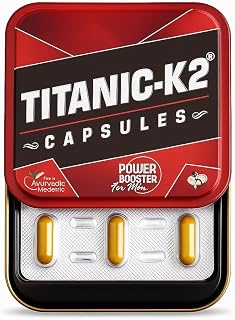


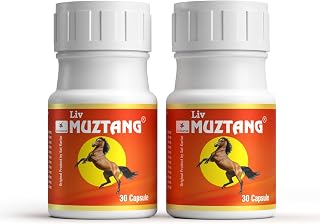


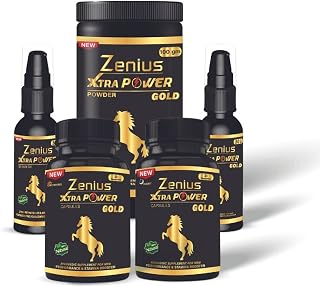

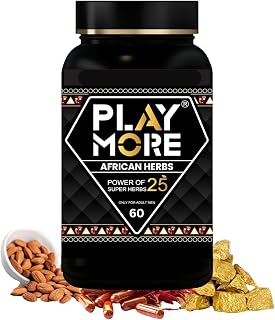


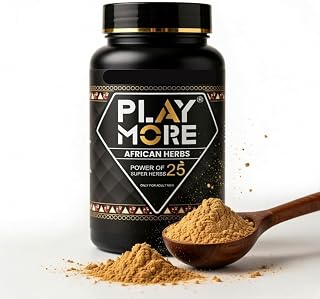




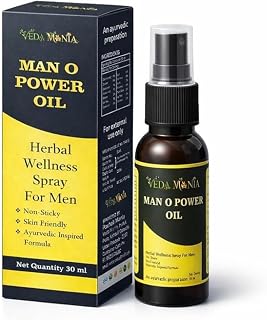
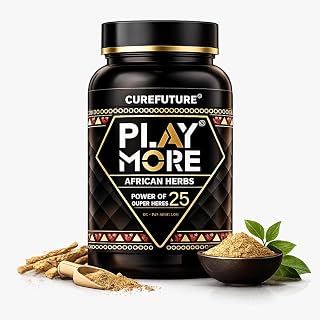
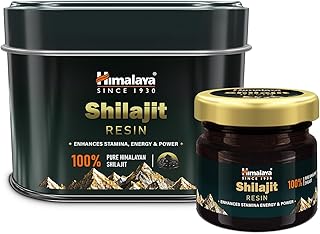


Choosing a men's power product is not simply a matter of selecting the highest-rated bottle, the largest serving size, or the longest ingredient list. Products marketed for men's vitality, stamina, energy, performance, and general wellness can differ substantially in formulation, intended use, dosage format, ingredient transparency, and quality controls. A useful comparison therefore starts with the specific goal you are trying to address and then examines the product's ingredients, label information, manufacturer, serving instructions, and suitability for your circumstances.
For shoppers in India, it is also important to consider climate, storage conditions, dietary preferences, vegetarian or vegan requirements, capsule or powder preferences, and the availability of clear product information. A product that looks attractive in an online listing may not necessarily be the most appropriate choice for every consumer.
The phrase "men's power" is broad and can refer to very different product categories. Before comparing individual products, identify the intended purpose. Some products are marketed around everyday energy and vitality, while others focus on exercise support, nutritional supplementation, general men's wellness, or sexual wellness.
Ingredient names alone do not provide enough information to compare two men's supplements. The amount per serving, form of the ingredient, serving frequency, additional ingredients, and manufacturer instructions all matter.
Indian shoppers will encounter formulations containing herbs such as ashwagandha, shilajit, ginseng, maca, tribulus, fenugreek, safed musli, gokshura, and other botanical extracts. These ingredients have different traditional uses and different levels of scientific evidence for particular outcomes. Traditional use should not automatically be interpreted as proof that a supplement will produce a specific medical or sexual-performance result.
When comparing botanical products, check whether the label identifies the plant clearly, specifies the plant part used, states the extract quantity, and provides useful standardisation information where relevant. A product listing that simply contains a long collection of herbal names without quantities can be difficult to evaluate meaningfully.
Ashwagandha is widely used in Indian herbal and Ayurvedic products and appears in many men's wellness formulations. Different extracts can vary in concentration and preparation, so the presence of the ingredient by itself does not make two products equivalent. Buyers should compare the stated amount, extract details, serving instructions, and other ingredients rather than selecting solely on the basis of the word "ashwagandha."
Shilajit is another commonly marketed ingredient in men's wellness products. Because raw materials and processing can vary, product quality and authenticity are important considerations. Consumers should look for clear ingredient information and appropriate quality-control documentation from the manufacturer rather than relying exclusively on claims such as "pure," "original," or "premium."
Ginseng and other traditional botanicals may be included in formulations positioned for vitality or energy. Compare the exact botanical identity and quantity rather than assuming that every ginseng-containing product has the same composition. A generic ingredient name can conceal substantial differences between products.
A transparent label should make it reasonably easy to understand what you are taking. Ideally, shoppers should be able to identify the ingredients, quantity per serving, recommended use, serving size, manufacturer information, batch or product identification details where applicable, and relevant warnings.
Be more cautious when an online listing uses phrases such as "secret formula," "proprietary blend," or "maximum-strength complex" without explaining the quantities of individual ingredients. Such wording can make meaningful comparison difficult.
The best format depends on convenience, dosage preferences, ingredients, and tolerance. There is no universal rule that capsules are better than powders or that liquids are more effective than tablets.
Capsules are convenient and usually easy to incorporate into a routine. They can also make serving instructions relatively straightforward. However, consumers who have difficulty swallowing capsules may prefer another format.
Tablets can be practical for multi-ingredient formulations, although their size and coating may affect personal preference. Examine the serving instructions rather than assuming one tablet equals one complete serving.
Powders may be useful for products intended to be mixed with water or another beverage. Check whether the product requires a measuring scoop, whether the scoop size corresponds with the stated serving, and whether the powder contains sweeteners, flavouring agents, or other additives.
Gummies can be convenient for consumers who dislike pills, but they may contain sweeteners or sugars. Compare the nutritional information and serving size before choosing them as an alternative to capsules or tablets.
Liquid products may offer convenience for some consumers but require careful attention to serving measurements and storage instructions. Products containing botanical ingredients should be evaluated based on their complete formulation rather than the assumption that liquid delivery is inherently superior.
A useful comparison should consider several dimensions at once. Instead of asking only "Which product is best?", ask which product best matches the intended purpose while providing sufficient information to make an informed decision.
Customer reviews can help identify practical issues, but they should not be treated as clinical evidence. Individual experiences with supplements can vary considerably, and a positive review does not establish that a product will produce the same result for another person.
Look for reviews that provide useful information about packaging, taste, capsule size, serving convenience, ingredient transparency, and consistency of the product received. Be cautious with reviews that promise dramatic medical or sexual results, especially when they provide no meaningful details about the product or the consumer's circumstances.
Terms such as "maximum power," "ultra strength," and "advanced performance" are marketing language rather than a reliable method for comparing formulations. A stronger-sounding product is not automatically a better choice.
Some shoppers focus on a single familiar ingredient and overlook the rest of the formulation. This can be particularly important when several products are being taken at the same time and contain overlapping vitamins, minerals, stimulants, or botanicals.
A larger bottle may not provide better value if it requires a substantially larger daily serving. Divide the package price by the number of stated servings to create a more meaningful comparison.
"Natural" describes an ingredient source or marketing position; it does not mean that an ingredient is automatically safe for every person. Herbal ingredients can have pharmacological effects and may interact with medicines or existing health conditions.
Influencer endorsements, dramatic before-and-after narratives, and promotional language can attract attention, but they do not replace transparent ingredient information or appropriate safety guidance.
Men's supplements can contain biologically active ingredients. Anyone taking prescription medicines, managing a medical condition, preparing for surgery, or experiencing persistent symptoms should consider speaking with a qualified healthcare professional before using a new supplement.
Extra caution is appropriate when a product claims to rapidly alter sexual performance, testosterone, blood flow, body composition, or other physiological functions. Persistent erectile difficulties, unusually low energy, unexplained changes in libido, or other ongoing symptoms can have underlying causes that a supplement cannot be assumed to address.
Product authenticity deserves particular attention when buying supplements online. Purchase decisions should not be based only on photographs or marketplace descriptions because packaging, formulations, sellers, and product listings can change.
Before purchasing, compare the listing with the manufacturer's current packaging information where available. Check the seller details, packaging condition, batch information, expiry information, seals, and other identifying information supplied with the product. If something appears inconsistent or suspicious, do not assume that the product is genuine simply because the listing has a familiar brand name.
Indian consumers may encounter established wellness and nutrition brands such as Himalaya, Dabur, Patanjali, Organic India, HealthKart, MuscleBlaze, and other domestic or international brands depending on the product category. Brand familiarity can be useful as a starting point, but it should not replace checking the specific product's current label, ingredients, serving instructions, seller, and quality information.
Products positioned around Ayurveda or traditional herbal wellness should be evaluated with the same attention to labelling and suitability as other supplements. The terms "Ayurvedic," "herbal," and "traditional" describe a product's positioning or system of preparation; they should not automatically be interpreted as guarantees of effectiveness for a particular medical condition.
When comparing such products, examine the complete formulation, recommended dosage, intended use, ingredient quantities where provided, manufacturer information, warnings, and directions. If you are already using an Ayurvedic or herbal preparation, consider potential ingredient overlap before adding another product.
Price is only one part of value. A product with a lower purchase price may become less economical if the package contains relatively few servings or if the formulation provides limited information for comparison.
A responsible buying guide should identify not only desirable features but also warning signs. Consider avoiding or carefully investigating products that:
Supplements should not be viewed as a substitute for the fundamentals of men's health. Adequate sleep, balanced nutrition, regular physical activity, sensible alcohol intake, avoidance of tobacco, stress management, and appropriate medical care can have a much broader role in overall wellbeing than a single supplement.
If the goal is better daily energy or exercise performance, first consider whether sleep, hydration, diet, training load, and recovery are appropriate. If the concern is sexual health, persistent changes should not automatically be attributed to a nutritional deficiency.
Adding multiple products at once makes it difficult to determine which product is responsible for a benefit or an unwanted effect. A more cautious approach is to review the complete list of supplements and medicines you already use, identify overlapping ingredients, and introduce changes deliberately.
When a top-10 list includes several men's power products, avoid treating the ranking as a universal hierarchy. Different products may serve different consumer needs. A useful comparison should identify the product's primary positioning, formulation, format, serving requirements, notable ingredients, limitations, and the type of shopper who may find it more suitable.
For example, a simple daily wellness formula may be preferable for someone seeking nutritional convenience, while another consumer may specifically want a herbal formulation or a powder format. The most appropriate choice depends on the intended use and the complete product information rather than the number assigned to the item in a list.
Before selecting one of the products in a buying guide, open the current product information and compare the label against competing options. Marketplace information can change, so shoppers should check the latest ingredient panel, serving instructions, seller information, customer feedback, and current price before placing an order.
It is also sensible to distinguish between a supplement's intended role and medical treatment. A product may be appropriate as a general wellness supplement while still being unsuitable as a solution for an undiagnosed health problem.
There is no single best option for every man. The appropriate choice depends on the intended purpose, ingredients, serving format, dietary preferences, budget, and individual circumstances. Compare the complete formulation and safety information rather than selecting solely from a ranking.
Herbal products are not automatically risk-free. Their ingredients can have active effects and may interact with medicines or other supplements. Review the ingredient list carefully and seek professional advice when you have medical conditions, take medicines, or have concerns about a particular ingredient.
Not necessarily. Price does not establish effectiveness or quality. Compare ingredient transparency, serving size, manufacturing information, formulation, and cost per serving before deciding whether a higher-priced product provides meaningful additional value.
Choose the format that fits your routine and the product's intended use. Capsules can be convenient, while powders may suit people who prefer mixing a product into a drink. Neither format is automatically superior in every situation.
Taking multiple supplements can increase the chance of overlapping ingredients or excessive intake. Review every ingredient across your products before combining them and follow the stated directions. If you take medicines or have a health condition, professional guidance is particularly important.
Follow the manufacturer's stated directions rather than assuming that taking a larger amount or using a product indefinitely will provide greater benefits. If you are using a supplement because of persistent symptoms, consider discussing the underlying concern with a healthcare professional instead of relying on continued supplementation.
Marketing claims about testosterone should be treated carefully. The presence of an herbal or nutritional ingredient does not establish that a particular product will meaningfully increase testosterone in every user. Anyone concerned about low testosterone or related symptoms should seek appropriate medical evaluation rather than relying solely on a supplement claim.
No. Supplements are intended to complement dietary intake or provide specific nutrients or ingredients; they should not be viewed as a replacement for a varied and balanced diet.
Check the current ingredient list, serving instructions, manufacturer information, seller details, packaging, batch and expiry information, customer reviews, and applicable warnings. Compare the information with other reputable listings and avoid making a decision based solely on promotional claims.
The strongest way to choose among men's power products in India in 2026 is to focus on transparency, suitability, practical value, and responsible use rather than marketing language alone. A well-informed comparison considers the product's purpose, complete formulation, serving instructions, ingredient quantities, manufacturer information, format, cost per serving, quality indicators, and potential safety considerations.
Whether you are comparing herbal formulations, daily wellness supplements, nutritional products, or men's performance-oriented products, take time to examine the current label and seller information before buying. Product formulations and marketplace listings can change, so always verify the latest information at the time of purchase. Most importantly, supplements should complement sensible health and lifestyle choices rather than replace appropriate medical evaluation when a persistent problem is present.