

♥ Wishlist
Compare 54 verified Buy Green Tea Online in India products in India. Reviews, ratings, pros, cons and buying advice updated for September 2026.


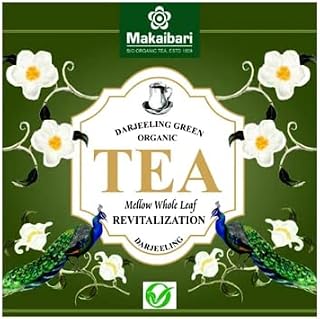


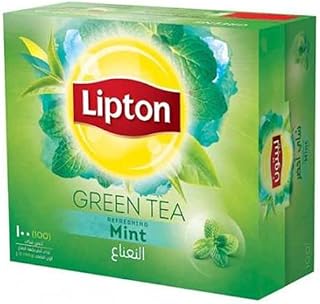


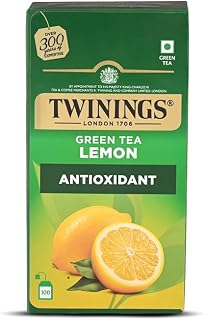


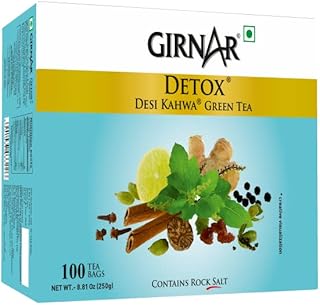


Choosing green tea is not simply a matter of picking the product with the highest rating or the most attractive packaging. Green tea is available in India as loose leaves, tea bags, pyramid bags, matcha-style powders, flavoured blends, organic options and convenient ready-to-brew formats. The right choice depends on leaf quality, processing, flavour profile, caffeine preference, packaging, freshness, serving style and overall value.
For a useful comparison, look beyond headline claims such as “premium,” “natural,” or “detox.” Check the ingredient list, tea origin where disclosed, net quantity, pack format, manufacturing and best-before information, storage instructions and customer feedback. Products from established brands such as Tata Tea, Tetley, Lipton, Organic India, Twinings and Teabox can provide useful reference points when comparing specifications, although the best choice depends on the individual product rather than the brand name alone.
Tea bags are generally the simplest option for everyday preparation. They provide consistent portioning and reduce the need for measuring loose leaves. They can be particularly practical for work, travel and households where several people prepare tea at different times.
The trade-off is that the tea inside a bag may be cut into smaller particles rather than consisting of larger intact leaves. This does not automatically make a tea bag poor quality, but consumers interested in aroma complexity and traditional brewing may prefer loose-leaf formats.
Pyramid-style bags are designed to provide more room for the tea to expand during brewing. They can be an interesting middle ground between conventional tea bags and loose-leaf tea. When comparing them, look at the actual tea ingredients and leaf quality rather than assuming that the pyramid shape alone indicates superior quality.
Loose-leaf tea gives the drinker more control over quantity, brewing time and water temperature. It can also make it easier to appreciate differences in leaf appearance and aroma. However, loose tea requires a strainer, infuser or teapot and needs to be stored carefully after opening.
Flavoured green teas combine green tea with ingredients such as lemon, mint, jasmine, ginger, tulsi, cinnamon or other botanicals. They may be useful for people who find plain green tea too grassy or bitter. Always inspect the ingredient list because “flavoured” can describe very different formulations.
Organic green tea can appeal to consumers who specifically want products produced under recognised organic standards. The word “organic” should not be treated as a substitute for evaluating freshness, flavour, packaging or suitability. When organic certification matters to your purchase, check the certification or compliance information provided on the actual product packaging.
Matcha-style products differ significantly from conventional steeped green tea because the powdered tea is consumed rather than simply infused and discarded. This changes preparation, flavour intensity and the amount of tea consumed per serving. Check whether a product is genuine matcha, a matcha blend or simply a green tea powder before comparing it with ordinary tea bags.
There is no universal winner. A premium loose-leaf tea that is inconvenient to prepare may be less suitable for a consumer who wants a quick cup every morning. Conversely, someone interested in brewing technique may find conventional tea bags limiting.
Leaf appearance can provide clues about processing and handling, although it should never be treated as a complete quality test. Depending on the style, high-quality green tea may contain recognisable leaves, buds or carefully shaped pieces. Powdery material or very small particles can be normal in some tea-bag products and do not automatically indicate poor quality.
Fresh green tea can have vegetal, grassy, floral, nutty, marine, sweet or roasted notes depending on the tea style and processing. A stale, excessively dusty or unpleasant odour can be a reason to investigate freshness and storage conditions.
The brewed colour varies considerably between green tea styles. A pale yellow-green infusion, deeper green infusion or slightly golden liquor can all be normal. Colour alone should not be used to determine quality because water temperature, brewing duration and tea quantity also affect the appearance.
Good green tea can have bitterness, but excessive bitterness or harsh astringency may indicate over-extraction or a tea that does not suit your preference. Sweetness, umami, vegetal character, floral notes and a clean finish can all contribute to a pleasant cup.
One of the most common green-tea mistakes is using freshly boiling water and leaving the tea immersed for too long. Green tea is generally more sensitive to aggressive brewing than many black teas. Excessive temperature or steeping time can produce a harsh, bitter or overly astringent cup.
As a practical starting point, allow freshly boiled water to cool before brewing and follow the instructions supplied with the specific product. Different green teas can require different temperatures and steeping times, so the package instructions should take priority over a universal brewing rule.
Ingredient lists become especially important when comparing flavoured or functional-style green tea products. A plain green tea should have a relatively straightforward ingredient profile. Blended products can contain additional herbs, spices, fruits, flowers or flavouring ingredients.
Consumers should distinguish between the tea itself and marketing language surrounding the product. Terms such as “detox,” “slimming,” “immunity,” or “metabolism support” should not be interpreted as proof that the product treats a medical condition or produces a guaranteed health outcome.
Green tea naturally contains caffeine, although the amount can vary by tea type, leaf material, serving size and preparation method. People who are sensitive to caffeine should not assume that green tea is caffeine-free simply because it may contain less caffeine than some other caffeinated beverages.
If caffeine content is important to you, check the product packaging for manufacturer-provided information. Decaffeinated products are a separate category and should be compared based on their stated processing and caffeine information rather than assumed to contain zero caffeine.
For daily use, prioritise consistent flavour, convenient preparation, sensible serving size and good packaging. A moderately priced product that you enjoy drinking regularly can be more practical than an expensive speciality tea that requires complicated preparation.
Beginners often find plain green tea surprisingly strong if it is brewed too hot or too long. A mild green tea or lightly flavoured blend can be an easier introduction. Lemon, mint or jasmine profiles may be more approachable for people who do not enjoy strong vegetal flavours.
Tea bags are usually the most convenient option in an office environment because they minimise equipment and cleanup. Individually wrapped bags can also help preserve freshness and make portioning simple.
Consumers who enjoy exploring tea may prefer loose-leaf products with clear information about origin, harvest, processing style and recommended brewing parameters. Comparing several teas by aroma, body, sweetness, astringency and finish can provide more useful information than relying on star ratings alone.
Flavoured blends can be useful when the taste of plain green tea is not appealing. Lemon, mint, jasmine, tulsi and ginger are common flavour directions, but the exact formulation should always be checked before purchase.
Green tea is sensitive to environmental conditions, particularly moisture, heat, light and air. Good packaging helps reduce exposure to these factors during storage and transportation. Once opened, the product should generally be kept sealed according to the manufacturer's storage recommendations.
Large packs are not automatically better value. If you drink tea infrequently, a smaller package may reduce the chance that the product remains open for a long period. Frequent drinkers may prefer larger packs if the packaging provides adequate protection and the tea will be consumed within the recommended period.
Comparing only the printed pack price can be misleading. A better approach is to calculate the approximate cost per cup. Consider the net quantity, number of bags, recommended serving size and actual preparation method.
A higher price can sometimes reflect speciality ingredients, packaging or sourcing, but price alone is not proof of superior taste or quality.
Customer ratings can be useful, but they rarely tell the whole story. A product can receive different feedback from people with different flavour preferences. Read the substance of reviews and look for recurring comments rather than relying solely on the average score.
A product labelled as green tea may actually be a blend. If you want pure green tea, verify the ingredients instead of relying on the front of the package.
It is often sensible to try a smaller quantity before committing to a large package, especially when purchasing an unfamiliar tea variety.
Using boiling water and a long steep can make green tea unnecessarily bitter. Follow the manufacturer's brewing recommendations and adjust gradually according to taste.
Words such as “premium,” “natural,” and “detox” can sound persuasive but do not replace measurable information such as ingredients, net quantity, brewing instructions, origin information and packaging details.
Brand recognition can be a useful starting point when researching green tea, but individual products should still be compared on their own specifications. Consumers in India may encounter established names such as Tata Tea, Tetley, Lipton, Organic India, Twinings, Teabox and other regional or speciality tea companies.
When comparing products from these or other brands, examine the exact variant rather than assuming that every product from the same company has identical ingredients, tea origin, flavour profile, packaging or caffeine characteristics.
Store green tea in a cool, dry location away from direct sunlight, steam and strong-smelling foods. Tea can absorb surrounding odours, so keeping it near spices, coffee or strongly scented ingredients is not ideal.
Reseal the package properly after every use. If the original packaging is not sufficiently protective, an appropriate airtight container can help reduce exposure to air and moisture. Avoid storing tea in a humid location such as immediately beside a sink or cooking area.
Green and black tea come from the same broad tea plant but undergo different processing. Green tea is generally associated with a fresher, more vegetal or delicate flavour, while black tea typically develops a deeper, stronger and more robust profile. The better option depends on taste and preferred preparation style.
Herbal infusions such as peppermint or chamomile are not necessarily tea in the botanical sense and may naturally contain no caffeine when made solely from caffeine-free herbs. Green tea, by contrast, is a tea made from Camellia sinensis and naturally contains caffeine.
Matcha is powdered tea prepared differently from conventional steeped green tea. Because the powder is consumed as part of the beverage, its preparation and serving characteristics differ substantially from those of a standard tea bag or loose-leaf infusion.
India's varied climate means that storage conditions deserve particular attention. In humid regions, moisture protection becomes especially important. During hot weather, tea should be protected from heat and direct sunlight rather than left in a warm kitchen cabinet.
For office workers, students and frequent travellers, individually packed tea bags can be more practical. For consumers who prepare tea at home and want to experiment with different flavours, loose-leaf products can provide greater flexibility.
A strong all-round choice should balance taste, freshness, convenience, transparent product information, appropriate packaging and reasonable cost per serving. There is no single green tea that is objectively best for every consumer.
For beginners, ease of brewing and approachable flavour may matter most. For regular drinkers, consistency and value can become more important. Tea enthusiasts may prioritise leaf quality, origin and processing information. Consumers choosing herbal or flavoured blends should place additional emphasis on the complete ingredient list.
The best green tea depends on your preferred flavour, preparation method, budget and frequency of use. Instead of selecting one product universally, compare ingredients, tea format, customer feedback, packaging and cost per serving.
Neither format is automatically better for everyone. Tea bags prioritise convenience and consistent portions, while loose leaves provide greater control over brewing and can appeal to tea enthusiasts.
Use the brewing temperature and steeping time specified by the manufacturer. Green tea can become bitter when brewed too aggressively, so avoid assuming that freshly boiling water and a long steep are always appropriate.
Yes. Green tea naturally contains caffeine, although the amount varies according to the tea, serving and preparation. Check manufacturer information if caffeine intake is an important consideration.
It can be a good choice for people who prefer additional flavour. Lemon, mint, jasmine, ginger and other blends can make green tea more appealing. Check the full ingredient list before buying.
If organic production is important to you, compare products that provide appropriate certification or compliance information. Organic status should be considered alongside taste, freshness, packaging and value.
Follow the manufacturer's best-before and storage guidance. Once opened, protecting the tea from moisture, heat, air, light and strong odours can help preserve its intended quality.
Common reasons include water that is too hot, excessive steeping time, using too much tea or simply choosing a tea with a flavour profile that is not suited to your preference. Adjust one variable at a time.
No. Price can reflect factors such as sourcing, packaging, speciality processing or ingredients, but a higher price does not guarantee that the flavour will suit you. Compare the actual specifications and cost per serving.
Focus on a flavour you enjoy, convenient preparation, suitable pack size, reliable packaging and reasonable cost per serving. Daily drinkers should also consider how quickly they will consume the product after opening.
The strongest way to choose among the best green tea products in India is to match the product to your actual routine rather than chasing a universal ranking. Compare the tea format, ingredients, flavour profile, serving size, packaging, brewing requirements, caffeine information, customer feedback and effective cost.
Before purchasing, verify the current product specifications and customer feedback because packaging, formulations, pack sizes and availability can change during 2026. A careful comparison will help you choose a green tea that fits your taste, preparation style and budget while avoiding common buying mistakes.