

♥ Wishlist
Compare 56 verified Back Pain Relief Products in India products in India. Reviews, ratings, pros, cons and buying advice updated for September 2026.



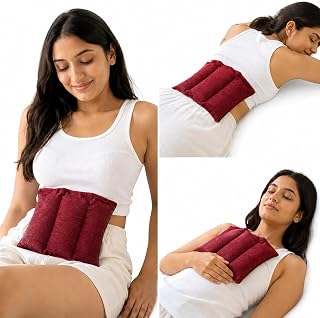


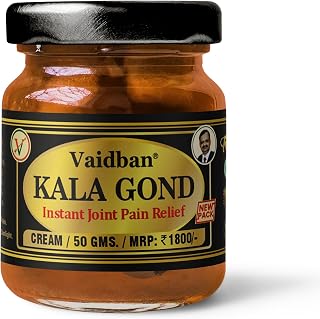


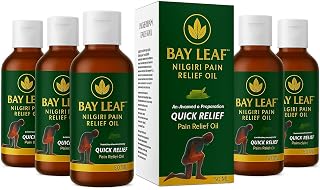




Choosing a back pain product is not simply a matter of selecting the item with the highest rating or the largest number of positive reviews. Different products are designed for different purposes, including temporary comfort, posture support, heat therapy, massage, mobility assistance and everyday ergonomic support. The most suitable choice depends on where the discomfort occurs, how you use the product, how frequently you need it and whether you need targeted support or general comfort.
For shoppers in India, additional considerations include product construction, climate, portability, ease of cleaning, sizing, replacement requirements and whether the product is practical for regular use. A support that feels comfortable for a few minutes may not necessarily be suitable for extended wear, while a heating or massage product may be more appropriate for occasional relaxation than for continuous use.
Before comparing individual products, it helps to understand the major categories available. The right category can matter more than the brand name.
Start by identifying the situation in which the product will be used. Someone who spends eight hours working at a desk may benefit more from an ergonomic lumbar cushion than from a handheld massager. A person looking for occasional warmth may prefer a heating pad, while someone who frequently travels may prioritize a compact and portable support.
Do not assume that a product designed for one purpose will perform equally well for another. A posture aid, for example, is not automatically a massage product, and a heating pad is not a replacement for a properly fitted seating support.
Material quality affects comfort, durability and maintenance. Memory foam is commonly used in cushions because it can conform to body contours, while firmer foam can provide a more structured feel. Mesh and breathable fabric may be preferable in India's warmer conditions, especially when a product is used for long periods.
For wearable supports, examine the fabric, stitching, fastening mechanism and flexibility. For cushions, check the density and resilience of the foam, cover construction and whether the cover can be removed for cleaning.
A product can have excellent specifications and still be unsuitable if its dimensions do not match the user. Check measurements rather than relying only on descriptions such as small, medium, large or universal.
Comfort should be evaluated beyond the first few minutes. A cushion that feels exceptionally firm initially may become uncomfortable during prolonged sitting. Similarly, a wearable support that feels restrictive may be difficult to use consistently.
Look for product descriptions and verified customer feedback that discuss longer periods of use, heat retention, pressure points, slipping, foam compression and overall fit. These details can be more useful than a simple star rating.
If the product will be used between home, office and vehicle, portability becomes an important buying criterion. A compact lumbar cushion or lightweight manual massage tool may be easier to carry than a larger electric device.
Travelers should also consider whether the product can be stored without losing its shape and whether it requires a power connection. Products with electrical components should be checked for appropriate voltage and plug compatibility for use in India.
Heating pads are among the most common consumer products considered for temporary muscle comfort. When comparing models, pay attention to temperature settings, control design, heating area, cord length, fabric quality and automatic shut-off features.
Heating products should be used according to the manufacturer's instructions. Excessive heat or prolonged direct exposure can cause burns, and people with reduced sensation or certain medical conditions should seek appropriate professional guidance before using heat therapy.
A lumbar cushion is primarily an ergonomic product. Its purpose is to support the natural curve of the lower back while sitting. This can be particularly relevant for people who spend significant time at a desk or driving.
When comparing cushions, examine the contour, thickness, foam characteristics, cover material and attachment mechanism. A strap can help prevent movement on some chairs, while a cushion without a strap may be easier to reposition.
Memory foam generally provides a more conforming sensation, whereas firmer foam may feel more supportive and structured. Neither material is universally best. Body shape, seating position and personal comfort preferences all influence the appropriate choice.
Measure the available space on the chair before buying. An oversized cushion can push the user too far forward, while a very small cushion may fail to provide adequate coverage. The objective is to create a comfortable sitting position rather than simply adding more padding.
Back support belts vary substantially in design. Some use elastic compression, others incorporate rigid or semi-rigid support components, and some are designed primarily for posture or activity-related support.
When evaluating one, examine adjustability, material breathability, fastening strength, flexibility and the manufacturer's stated intended use. Avoid choosing solely because a belt looks more rigid or substantial. More support is not automatically better for every user or every situation.
Electric back massagers can differ considerably in motor design, massage mechanism and coverage area. Some are intended for chairs or seats, while handheld products provide more targeted positioning.
Manual massage products have a major advantage in simplicity. They generally do not require batteries or a power connection and allow the user to control pressure directly. Electric massagers can offer more consistent movement and additional functions but contain more components that may eventually require maintenance or replacement.
For occasional use and portability, a manual tool may be attractive. For users who prefer automated massage, an electric device may offer greater convenience. The better option depends on how, where and how often the product will be used.
Posture-related products should be selected carefully. Good ergonomics involves the entire workstation or seating environment rather than one device alone.
For desk workers, consider chair height, monitor position, keyboard and mouse placement, foot support and regular movement in addition to a lumbar support product. A posture accessory can complement an ergonomic setup but should not encourage an uncomfortable or overly rigid position.
Office workers often spend long periods in a fixed sitting position. For this group, ergonomic products are generally more relevant than products designed only for occasional relief.
The product should complement regular movement and sensible workstation ergonomics rather than encourage uninterrupted sitting.
Drivers should pay particular attention to seat compatibility. A lumbar cushion that works well on an office chair may alter the driving position if it is excessively thick.
Before purchasing a car-oriented support, consider seat depth, lumbar position, cushion thickness, attachment stability and whether the product interferes with safe vehicle operation. Any accessory should remain securely positioned and should not obstruct controls, pedals, seat belts or visibility.
Travel products should balance comfort with portability. Compact cushions, inflatable supports and lightweight massage tools may be easier to transport than large devices.
Frequent travelers should also consider cleaning requirements, storage dimensions, durability and whether the product can be used without electrical power. For flights and long journeys, a product that is easy to pack and reposition may be more practical than one offering a larger number of features.
Consumers interested in natural wellness products may encounter herbal oils, balms and topical preparations marketed for back discomfort. Ingredients can vary widely, and natural origin does not automatically mean a product is suitable for everyone.
Check the complete ingredient list, directions for use, intended application area, manufacturer information and any relevant warnings. Products applied to the skin should be discontinued if they cause significant irritation or an unexpected reaction.
Herbal or topical products should not be presented as guaranteed treatments for an underlying medical condition. Persistent, severe or unexplained back pain requires appropriate medical evaluation rather than reliance on consumer wellness products alone.
Customer reviews can provide useful information, but the total star rating does not tell the entire story. When comparing back pain products, read reviews for specific evidence about fit, durability, comfort and real-world usability.
Well-known consumer health and wellness brands can provide useful starting points for comparison, but brand recognition alone should not determine the final purchase. Depending on the product category, shoppers may encounter brands such as Dr Trust, HealthSense, Lifelong, Tynor, Flamingo, AGARO, Beurer and Omron.
Availability, specifications and individual product quality can differ between models from the same brand. Always compare the exact model rather than assuming every product from a familiar manufacturer has the same construction or features.
A highly rated product can still be unsuitable for a particular body type, chair, activity or comfort preference. Read the detailed feedback and product specifications before deciding.
Low purchase cost can become less attractive if the product has poor materials, weak fastening, uncomfortable construction or limited durability. Compare overall value rather than initial price alone.
Dimensions are especially important for cushions, belts and massage devices. Always compare measurements with your intended use environment.
Additional modes, heating functions and accessories can increase complexity without necessarily improving usefulness. Select features that directly match your needs.
Products used directly against the body should be reasonably easy to keep clean. Check whether covers are removable, whether materials can be washed and what maintenance instructions are provided.
A consumer back support should not be treated as a diagnostic or medical solution. Product descriptions should be read carefully so that intended use is not confused with treatment claims.
When two products appear similar, use a consistent comparison framework. Start with intended use, then examine dimensions, material, adjustability, comfort, portability, maintenance, power requirements and available safety features.
Consumer products intended for back comfort are not appropriate for every situation. Sudden or severe back pain, pain following a significant injury, weakness or numbness, loss of bladder or bowel control, fever or other concerning symptoms can require prompt medical assessment.
Heating pads should not be used at excessively high temperatures or for longer than recommended. Electrical massage products should be used according to their instructions, and users should inspect cords, plugs and housings for damage before use.
Wearable supports should not be tightened excessively. If a product causes significant discomfort, numbness, skin changes or worsening symptoms, stop using it and seek appropriate professional advice.
Regular maintenance can help preserve comfort and hygiene. Follow the manufacturer's instructions because cleaning methods differ between materials and product categories.
People with persistent or worsening back pain should avoid assuming that a consumer product addresses the underlying cause. A healthcare professional can help determine whether symptoms are related to muscle strain, posture, injury or another condition and whether a particular support or activity is appropriate.
This is particularly important when symptoms are severe, recurrent, associated with neurological changes, follow an injury or interfere substantially with normal daily activities.
There is no single best product for every person. The appropriate choice depends on the purpose. Lumbar cushions may suit people who need sitting support, heating pads may be considered for temporary warmth, and massage products may suit users seeking massage-style relaxation.
No. Fit, intended use and individual circumstances matter. A belt should not be selected solely because it provides stronger compression or feels more rigid.
Not necessarily. Memory foam offers a particular type of conforming support, while other foams can provide a firmer or more structured feel. The better choice depends on personal comfort and the chair being used.
Heating pads can be used safely when the manufacturer's instructions are followed, but excessive heat and prolonged exposure can cause burns. Users with reduced sensation or relevant medical concerns should obtain appropriate advice before use.
A consumer massage device should not be described as a guaranteed cure. It may provide temporary comfort or relaxation for some users, but persistent or unexplained pain should be appropriately evaluated.
Check dimensions, material, firmness, cover construction, attachment method, intended seating position and verified customer feedback. Also confirm current retailer policies and manufacturer information before placing an order.
Lumbar cushions, ergonomic seat supports and suitable workstation accessories are commonly considered by office workers. The best choice depends on the chair, sitting position and individual comfort.
Look for appropriate dimensions, stable positioning, suitable thickness and compatibility with the vehicle seat. The support should not interfere with safe driving, controls or restraints.
Natural origin does not automatically make a product more effective or suitable. Review ingredients, directions, warnings and intended use, and avoid treating herbal products as guaranteed solutions for an underlying medical condition.
Replacement depends on construction, frequency of use and condition. Signs such as permanently compressed foam, damaged straps, broken components, exposed electrical wiring or significant loss of structural support indicate that a product should be evaluated for replacement.
The best back pain product is the one that matches the specific problem you are trying to address, fits your body and environment correctly, and can be used comfortably and safely. Instead of choosing solely from a generic “best” ranking, compare the product category, specifications, dimensions, materials, maintenance requirements and verified customer feedback.
For shoppers in India, it is also sensible to verify current specifications, seller information, delivery availability, return terms, warranty coverage and today's price before purchasing because these details can change during 2026. Compare the exact model across trusted retailers rather than relying on an outdated listing or a general brand reputation.
Most importantly, consumer products should be viewed as comfort or ergonomic aids rather than automatic treatments for back conditions. If pain is persistent, severe, recurrent or accompanied by concerning symptoms, appropriate professional evaluation should take priority over choosing another consumer product.