

♥ Wishlist
Compare 55 verified Best Stomach Cleanse Products in India products in India. Reviews, ratings, pros, cons and buying advice updated for September 2026.


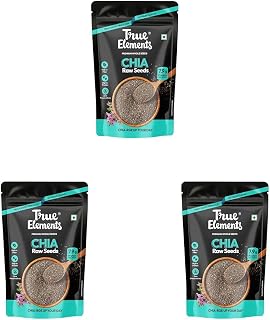







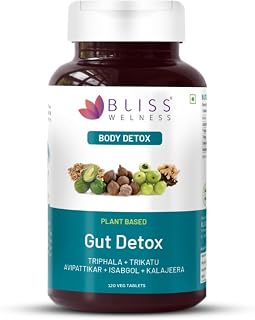



Choosing a stomach-clean product requires more than looking for the phrase “detox” on the label. Products sold for digestive cleansing, regularity, bloating, gut support, or bowel comfort can use very different ingredients and work in different ways. A useful comparison should therefore consider the intended purpose, ingredient profile, serving size, formulation, suitability for everyday use, and the quality of the product information.
In India, shoppers can find a wide range of herbal powders, fibre supplements, digestive formulations, herbal tablets, plant-based blends, and other products marketed for digestive wellness. The best choice depends on what you are actually trying to address. Someone looking for additional dietary fibre has different requirements from someone looking for occasional constipation support, while a person concerned mainly about post-meal bloating may need a completely different approach.
Before buying, read the complete ingredient list rather than relying only on front-label claims. Check the serving instructions, quantity per container, allergen information where provided, storage instructions, and any warnings. It is also sensible to compare the same information across several products instead of choosing solely on ratings, packaging, or promotional claims.
“Stomach clean” is a consumer-friendly phrase rather than a precise medical category. Products using this terminology may be intended to support bowel regularity, fibre intake, digestion, or general gastrointestinal wellness. The stomach itself does not generally need to be “flushed” by a commercial supplement, and a product marketed as a detox should not automatically be assumed to remove unspecified toxins from the body.
For buying purposes, it is more useful to identify the underlying goal. Look for products designed around a clearly described function such as fibre supplementation, occasional bowel regularity, digestive comfort, or herbal digestive support. This makes it easier to compare products on meaningful characteristics rather than vague cleansing language.
Fibre supplements are commonly chosen when the main objective is to increase daily fibre intake or support regular bowel movements. Formulations may contain ingredients such as psyllium husk, commonly known in India as isabgol, or other soluble and insoluble fibres.
Psyllium is particularly important to understand because it absorbs water and forms a gel-like material. Products containing it should be used according to the label directions and with adequate fluid intake. Fibre is not automatically better simply because a product contains a larger quantity; tolerance, serving size, hydration, and the rest of the diet also matter.
Herbal products may combine several botanical ingredients traditionally used for digestive wellness. Depending on the formulation, products can include herbs associated with digestion, bowel regularity, or post-meal comfort.
When comparing herbal blends, look beyond the number of ingredients. A long ingredient list is not necessarily superior to a short, transparent formulation. Prefer products that clearly identify ingredients and quantities where applicable rather than relying on a proprietary blend that makes individual amounts difficult to evaluate.
India has a long tradition of using botanical ingredients for digestive wellness, and many contemporary products draw on Ayurvedic formulations or ingredients. Triphala is one example frequently associated with digestive and bowel-support products.
Traditional use and modern product claims should be considered separately. A traditional ingredient may be relevant to a particular wellness practice, but consumers should still examine the actual formulation, dosage instructions, manufacturer information, and suitability for their circumstances.
Digestive enzyme supplements are marketed for a different purpose from fibre-based cleansing products. They may contain enzymes such as amylase, protease, or lipase, depending on the formulation. Their intended role is related to the digestion of particular food components rather than physically “cleaning” the stomach.
Do not assume that an enzyme supplement is the right choice simply because you experience occasional heaviness after meals. The cause of digestive discomfort can vary considerably, and a supplement should not be used to mask persistent or unexplained symptoms.
Powders can offer flexible serving formats and are common among Indian herbal and digestive products. However, powders should be compared carefully for ingredient transparency, serving instructions, taste, storage requirements, and ease of use.
A product that requires preparation every day may be less convenient for some buyers than a capsule or tablet, while another shopper may prefer a powder because it can be incorporated into a drink. Convenience is therefore a legitimate buying criterion rather than a secondary consideration.
Psyllium husk is a soluble fibre commonly used to support bowel regularity and increase fibre intake. Because it absorbs water, adequate fluid intake is an important part of following product directions. Buyers should check the serving instructions carefully and avoid treating fibre supplements as an unlimited daily cleansing solution.
Isabgol is the commonly used Indian name for psyllium husk. Many Indian digestive and fibre products use either “psyllium husk” or “isabgol” on their labels. When comparing two products, check whether the listed ingredient is actually psyllium and compare the serving information rather than assuming products with similar names contain identical quantities.
Triphala is a traditional Ayurvedic combination made from three fruits. It appears in many digestive and bowel-support formulations. If a product contains Triphala, examine whether the label provides useful information about the formulation and recommended serving instead of evaluating it solely because it is a familiar traditional ingredient.
Senna is a stimulant laxative ingredient rather than simply a general digestive herb. Products containing senna should be treated differently from ordinary fibre supplements. Buyers should follow the product instructions carefully and avoid assuming that stronger or faster bowel activity means better cleansing.
Ginger is widely used in food and traditional wellness practices and appears in some digestive formulations. It is generally included for digestive comfort rather than because it “cleans” the stomach. Compare the actual formulation and serving instructions before deciding whether a ginger-containing product matches your needs.
Fennel is another familiar ingredient in Indian digestive products. It is commonly associated with traditional after-meal use and digestive comfort. Its presence can make a formulation attractive to shoppers seeking a traditional herbal approach, but it should not be interpreted as proof that the complete product will provide a particular clinical outcome.
One of the most important distinctions when shopping for a stomach-clean product is whether the formulation relies primarily on fibre or stimulant laxative ingredients.
Consumers should be especially cautious about products marketed around aggressive “flush,” “overnight cleanse,” or rapid-detox promises. The intensity of a bowel response is not a reliable measure of digestive health.
Start with the problem the product is supposed to address. A fibre supplement, herbal digestive blend, laxative formulation, and enzyme product should not be placed into one category simply because all are described using words such as “clean,” “detox,” or “digestive.”
Look for clearly identified ingredients and avoid making a decision based only on prominent ingredients displayed on the front of the package. Check the complete formulation and note whether individual quantities are disclosed.
A product containing an attractive ingredient can still be inconvenient or unsuitable if its serving instructions do not fit your routine. Compare serving frequency, preparation requirements, suggested quantity, and storage instructions.
Capsules, tablets, powders, granules, and liquid preparations all have different convenience profiles. Powders may require mixing, while capsules may be easier for travel. The best format is the one that you can use correctly and consistently according to the label.
Transparent labelling makes comparison easier. If a product uses a proprietary or complex blend without useful quantities, it can be harder to determine how it compares with another formulation.
Customer reviews can help identify practical issues such as taste, packaging, ease of mixing, tablet size, or general usability. They should not be treated as clinical evidence. Look for recurring comments rather than relying on one exceptionally positive or negative review.
Prefer products with clear manufacturer details, ingredient information, usage directions, batch information where applicable, and appropriate regulatory or quality information shown on the packaging. Avoid products with unclear origins or incomplete labelling.
When purchasing supplements or herbal wellness products in India, inspect the physical and online product information before ordering. The label should provide enough information for a consumer to understand what the product contains and how it is intended to be used.
Regulatory status can vary by product category, so consumers should not assume that every herbal product is regulated or evaluated in exactly the same way as a conventional medicine. Product-specific claims should be assessed according to the information actually supplied by the manufacturer and applicable Indian requirements.
The word “natural” describes an origin or marketing position, not a guarantee of safety. Herbal ingredients can have physiological effects and may interact with medicines or be unsuitable in particular circumstances.
Extra caution is appropriate for people who are pregnant or breastfeeding, children, older adults with multiple medicines, people with significant medical conditions, or anyone taking prescription medication. A pharmacist or qualified healthcare professional can help determine whether a particular supplement is appropriate.
Do not use a cleansing product as a substitute for medical evaluation when symptoms are persistent, severe, recurrent, or unexplained.
More ingredients do not automatically mean better performance. A crowded formula can make it harder to understand which ingredients are responsible for the intended effect and may increase the chance of unnecessary ingredients.
A product that causes frequent bowel movements may feel powerful, but that does not establish that it has removed toxins or improved overall health. Evaluate products according to their stated, reasonable purpose rather than the intensity of the effect.
Fibre products that absorb water need to be used according to their instructions. Buyers should pay attention to fluid guidance and avoid exceeding recommended servings in an attempt to obtain faster results.
A high rating can be useful for identifying products worth investigating, but ratings alone do not reveal formulation quality. Compare ingredient information, serving instructions, product quantity, manufacturer details, and recent customer feedback together.
Some products are designed for routine nutritional support, while others may be intended for occasional use. Read the manufacturer's recommended duration and serving instructions rather than creating a personal dosing schedule based on internet advice.
A supplement cannot compensate indefinitely for a diet that is consistently low in fibre or fluids. Vegetables, fruits, whole grains, legumes, adequate hydration, physical activity, and regular eating habits can all be relevant to digestive wellness.
For many shoppers, the better purchasing question is not “Which product cleans my stomach best?” but “What type of digestive support do I actually need?” This distinction can prevent unnecessary spending and inappropriate product selection.
The front of a package is primarily designed to communicate marketing information. The back or side label is often more useful for making a buying decision.
There is no universally superior format. The right choice depends on the formulation and your ability to follow the directions.
The cheapest package is not necessarily the most economical option. Compare the amount of usable product, serving size, number of servings, ingredient transparency, and intended frequency of use.
For example, two similarly sized containers may provide very different numbers of servings. One may also require multiple scoops or tablets per serving. A meaningful comparison should therefore consider cost per serving and the formulation being provided rather than package price alone.
Prices, discounts, availability, and seller information can change frequently in India. Always check the current listing and final purchase terms before ordering.
Indian shoppers may encounter established names such as Dabur, Himalaya, Organic India, Baidyanath, Patanjali, Kapiva, and NOW Foods when researching herbal, fibre, or digestive wellness products. Brand familiarity can be a useful starting point, but it should not replace product-level evaluation.
The same brand can offer products with substantially different ingredients and intended uses. Compare the exact formulation, serving instructions, packaging information, and current product details rather than selecting a product simply because the brand is familiar.
Digestive symptoms can have many causes, and a supplement is not an appropriate substitute for diagnosis. If symptoms are severe, persistent, repeatedly returning, or accompanied by concerning changes in bowel habits, unexplained weight loss, blood in the stool, persistent vomiting, significant abdominal pain, fever, or other unusual symptoms, seek appropriate medical advice.
Likewise, if constipation is persistent or significantly affecting daily life, it is better to investigate possible causes than to repeatedly use cleansing products without professional guidance.
A supplement works within the context of everyday habits. If the goal is bowel regularity or digestive comfort, consider the broader routine as well as the product.
There is no single best option for everyone. The appropriate choice depends on whether you are looking for fibre supplementation, bowel regularity support, traditional herbal digestive support, or another specific purpose. Compare ingredients, serving instructions, quality information, and suitability rather than choosing solely by popularity.
No. Some stomach-clean products are primarily fibre supplements or herbal digestive formulations, while others may contain laxative ingredients. Check the active ingredients carefully because these categories can have very different effects and usage considerations.
Psyllium husk is a commonly used fibre ingredient for supporting bowel regularity. It absorbs water, so it should be used according to the product directions and with appropriate fluid intake. People with particular medical conditions or swallowing difficulties should seek professional advice before using fibre supplements.
No supplement should be assumed to be universally suitable. Herbal products can contain biologically active ingredients and may not be appropriate for everyone, particularly people taking medicines or those with certain medical conditions. Read the label and seek professional advice when necessary.
That depends entirely on the formulation. Some fibre products may be designed for regular use, while stimulant laxative products or other formulations may have different usage recommendations. Follow the manufacturer's directions and do not create a long-term routine based solely on the product's marketing language.
Look for a clearly stated purpose, transparent ingredient information, understandable serving directions, appropriate warnings, traceable manufacturer information, and a formulation that matches your actual needs. Customer feedback can help assess usability but should not replace ingredient and label evaluation.
Not necessarily. Price does not prove formulation quality or effectiveness. Compare ingredients, quantity, serving size, transparency, manufacturer information, and intended use before deciding whether a product offers good value.
Not automatically. A multi-herb formulation may be appropriate for a particular purpose, but a shorter and more transparent formula can be easier to evaluate. Focus on relevant ingredients and clearly stated quantities where available.
Reviews can provide useful information about taste, packaging, convenience, texture, tolerability, and other consumer experiences. They cannot reliably establish medical effectiveness because individual experiences vary and reviews are not controlled clinical evidence.
Online listings, formulations, packaging, sellers, prices, and availability can change. Before purchasing, check the current product page and label information rather than relying entirely on an older recommendation or previously seen listing.
The strongest approach to choosing a stomach-clean product in India is to match the formulation to a clearly defined digestive goal. Avoid judging products solely by detox language, the number of herbs, star ratings, or promotional claims. Instead, compare the actual ingredients, serving instructions, intended use, manufacturer information, quantity, convenience, and current customer feedback.
For shoppers researching the best options in 2026, the most useful comparison is ultimately between products that solve the same problem. A transparent fibre product should be compared with other fibre products, while herbal digestive blends should be assessed against similar formulations. This makes the buying decision more meaningful and reduces the risk of choosing a product simply because its marketing sounds stronger.
Always check current specifications, seller information, warnings, and product availability before purchasing. If digestive symptoms are persistent, severe, or unexplained, professional medical advice is more appropriate than repeatedly trying different cleansing supplements.