

♥ Wishlist
Compare 57 verified Weight Loss Products for a Balanced Weight Management Routine products in India. Reviews, ratings, pros, cons and buying advice updated for September 2026.


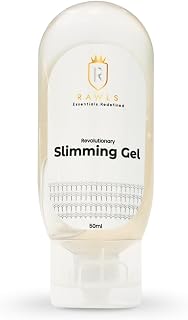


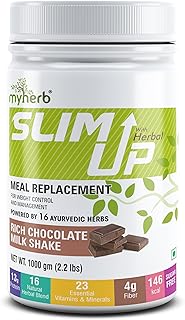

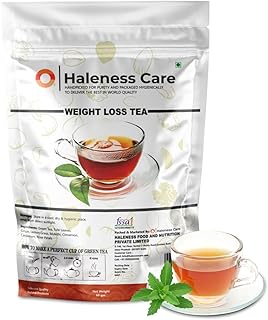


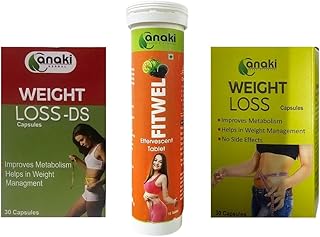


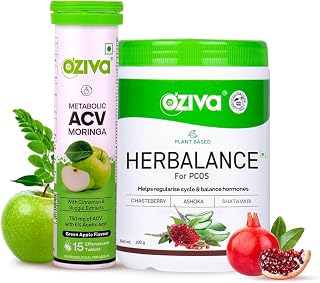


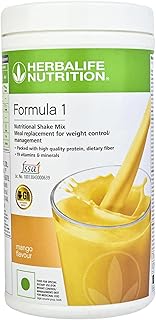


Choosing a weight loss product is very different from choosing an ordinary health or wellness supplement. Products marketed for weight management can contain herbs, botanical extracts, fibre, minerals, caffeine or combinations of several ingredients, and the amount of evidence behind those ingredients varies considerably. The safest approach is to evaluate the actual ingredient profile, serving size, manufacturer information, regulatory details and realistic purpose of the product rather than relying on claims such as “fat burner,” “detox,” “metabolism booster” or “rapid weight loss.”
For Indian buyers, this distinction matters because health supplements and nutraceuticals fall within a regulatory framework administered by the Food Safety and Standards Authority of India (FSSAI). FSSAI's current framework covers health supplements, nutraceuticals, foods for special dietary use, foods for special medical purpose, specialty foods with botanicals, probiotics, prebiotics and novel foods. :contentReference[oaicite:0]{index=0}
Most importantly, a supplement should be considered an optional addition to a sensible weight-management routine rather than a replacement for appropriate nutrition, physical activity or medical care. The National Institute of Nutrition's Dietary Guidelines for Indians emphasise gradual weight reduction, regular physical activity and a balanced dietary pattern, while cautioning against rapid weight-loss approaches. :contentReference[oaicite:1]{index=1}
A good buying decision starts by asking what the product is actually designed to contribute. A capsule cannot be judged simply by the number of ingredients on its label, and a long ingredient list does not automatically indicate greater effectiveness.
The phrase “weight loss product” covers several different categories. Understanding the difference can make comparison shopping considerably easier.
These products may contain ingredients such as green tea extract, green coffee, garcinia, turmeric, ginger, cinnamon or other botanical ingredients. Traditional use and biological plausibility do not necessarily establish meaningful long-term weight loss in humans. Evidence should therefore be considered ingredient by ingredient and product by product.
Fibre can contribute to satiety and digestive health and may be useful when a person's normal diet does not provide sufficient fibre. Psyllium and other soluble fibres are examples of ingredients frequently encountered in products marketed around appetite or weight management. Fibre supplements should be used according to the product's directions and accompanied by adequate fluid intake where appropriate.
Some formulations rely on caffeine or stimulant-containing botanicals. These products are often promoted around energy expenditure or metabolism. However, more stimulation does not necessarily mean better weight management, and excessive caffeine or stimulant exposure can cause unwanted effects such as nervousness, sleep disturbance or a rapid heartbeat.
Meal replacement products and protein powders are different from conventional herbal weight-loss capsules. Their potential value may come from helping structure calorie intake or protein consumption rather than directly “burning” body fat. When comparing them, examine protein content, added sugar, total calories, fibre and serving size.
Prescription anti-obesity medicines should not be treated as ordinary supplements. Their indications, contraindications, interactions, dosing and monitoring requirements are medical matters. Anyone considering medication-based treatment should discuss the appropriate option with a qualified healthcare professional rather than purchasing a product solely because it appears in an online weight-loss list.
Green tea and green tea extracts are common in weight-management formulas. They contain catechins and, depending on the formulation, caffeine. Research on weight-loss supplements generally shows that evidence for many individual ingredients is limited or inconsistent, and the results from one formulation cannot automatically be applied to every product containing the same botanical. :contentReference[oaicite:2]{index=2}
Buyers should distinguish between ordinary green tea consumed as a beverage and concentrated extracts supplied in supplements. The concentration, caffeine content and extraction method can be substantially different.
Caffeine can increase alertness and temporarily influence energy expenditure, which explains its frequent inclusion in “thermogenic” products. However, caffeine is not a substitute for a calorie-controlled diet. Excessive intake may cause nervousness, jitteriness, sleep problems, vomiting or a rapid heartbeat, and the total caffeine exposure from coffee, tea, energy drinks and supplements should be considered together. :contentReference[oaicite:3]{index=3}
Garcinia cambogia has been marketed extensively for appetite and weight management. A product containing garcinia should not be considered effective simply because the ingredient is familiar. Evidence for many popular weight-loss supplement ingredients remains limited, and formulations, dosages and study conditions can differ substantially.
L-carnitine participates in fatty-acid metabolism and is frequently marketed for fat burning. Human research has investigated its potential role in weight management, but the evidence does not justify treating it as a standalone solution for obesity. Reported adverse effects can include gastrointestinal symptoms, and supplement use should be considered in the context of an individual's overall health and other products or medicines. :contentReference[oaicite:4]{index=4}
Capsaicin and related capsaicinoids have been studied for effects on appetite, energy expenditure and food intake. Evidence summarized by the NIH Office of Dietary Supplements suggests that some studies have observed effects on energy intake without demonstrating a corresponding meaningful reduction in body weight. :contentReference[oaicite:5]{index=5}
Chitosan is marketed on the basis that it may bind some dietary fat in the digestive tract. Available evidence has generally found only a minimal effect on body weight, while gastrointestinal effects and possible allergic reactions remain relevant considerations. :contentReference[oaicite:6]{index=6}
Fibre-based ingredients deserve a different type of evaluation from stimulant-based “fat burners.” Their practical value may relate more to satiety, digestive function and dietary quality than to a direct fat-burning effect. NIH evidence summaries indicate that beta-glucans have not consistently produced weight-loss effects in clinical studies, even though they have other nutritional roles. :contentReference[oaicite:7]{index=7}
The front of a package is designed to attract attention. The nutrition and ingredient information on the back is where the more useful buying information is found.
A proprietary blend may group several ingredients together under a single total quantity. This can make it difficult to determine how much of each component is actually being consumed.
For commercial comparison, transparent labels are easier to evaluate because you can compare ingredient quantities between products. NIH guidance also notes that multi-ingredient weight-loss supplements make research interpretation difficult because ingredients may interact, amounts vary and evidence for one ingredient does not necessarily establish the effectiveness of the complete combination. :contentReference[oaicite:8]{index=8}
A long ingredient list should therefore not automatically receive a higher rating than a simpler formulation. The quality of the evidence and clarity of the label are generally more useful comparison points than the number of ingredients.
When evaluating a shortlist of ten weight-loss products, use the same criteria for every product instead of judging each one according to its marketing claims.
Look for a product with a short, clearly disclosed ingredient list and quantities that can be compared directly with other formulations. Transparency is particularly valuable when evaluating multi-ingredient supplements.
Consider products without added caffeine or stimulant-heavy botanical combinations. This can be especially relevant for people who already consume substantial amounts of tea, coffee or other caffeinated beverages.
A clearly labelled fibre product may be more appropriate when the primary objective is increasing dietary fibre and supporting satiety rather than seeking a stimulant-based “fat burner.”
A product requiring a straightforward serving schedule may be easier to use consistently than a formulation requiring numerous capsules throughout the day. Convenience does not prove effectiveness, but it can influence whether a product fits a sustainable routine.
For some buyers, a nutritionally structured product such as a protein-rich or meal-replacement option may make more sense than a conventional herbal supplement. Compare calories, protein, fibre and added sugars rather than relying on weight-loss terminology on the front of the package.
“Natural,” “herbal” and “plant-based” describe the source or positioning of an ingredient; they do not guarantee that a product is appropriate for everyone. Botanical ingredients can have pharmacological effects, cause adverse reactions or interact with medicines.
The NIH specifically advises people considering weight-loss supplements to discuss them with a healthcare provider, particularly when they have conditions such as high blood pressure, diabetes, heart disease or liver disease. :contentReference[oaicite:9]{index=9}
This is one reason an independent buying guide should avoid presenting every herbal weight-loss product as universally safe or effective.
Extra caution is appropriate for people who:
Taking two or three products marketed for metabolism, energy or fat burning can unintentionally duplicate ingredients. Caffeine is an obvious example: coffee, tea, pre-workout products, energy drinks and several supplement formulas can all contribute to total intake.
Combining products also makes it harder to identify the cause of an adverse reaction. A simpler approach is to evaluate one product at a time, follow the labelled directions and avoid stacking products with overlapping active ingredients unless a qualified professional has advised you to do so.
Some marketing claims should make a buyer pause rather than purchase immediately.
In India, FSSAI regulates categories including health supplements and nutraceuticals through the applicable food safety framework. Its current official information identifies the Food Safety and Standards (Health Supplements, Nutraceuticals, Food for Special Dietary Use, Food for Special Medical Purpose, Functional Food and Novel Food) Regulations, 2016 as the relevant regulatory framework. :contentReference[oaicite:10]{index=10}
Regulatory information should nevertheless be interpreted correctly. An FSSAI-related licence or compliance reference should not be treated as proof that a product will produce a particular amount of weight loss. Regulatory compliance and clinical effectiveness are separate questions.
FSSAI's product information system also states that claims made for applicable products must comply with the relevant claims and advertisements regulations and that disease prevention, alleviation, treatment or cure claims cannot simply be made for these food products. :contentReference[oaicite:11]{index=11}
There is no responsible universal number of kilograms that every person should expect from a supplement. Starting weight, calorie intake, dietary pattern, physical activity, sleep, medications, medical conditions and many other factors influence changes in body weight.
Be particularly cautious of products promising a fixed amount of weight loss in a few days or weeks. Such claims can encourage unrealistic expectations and may encourage unsafe restriction.
The National Institute of Nutrition recommends gradual weight reduction and states that rapid weight-loss approaches should be avoided. Its guidance also emphasises vegetables, whole grains, pulses and beans while limiting sugar, processed products, fruit juices and high-fat, high-sugar or high-salt foods. :contentReference[oaicite:12]{index=12}
A weight-management product should be considered alongside the foods a person already eats. Indian diets can vary considerably between regions and households, but common meals may include roti, rice, dal, vegetables, curd, paneer, legumes, eggs, fish, meat, snacks and sweets.
The practical question is therefore not whether a supplement can “cancel out” a high-calorie meal. Instead, consider whether the product supports an overall eating pattern that provides adequate protein, fibre, vitamins and minerals while maintaining an appropriate energy intake.
No supplement can substitute for regular physical activity. Exercise contributes to energy expenditure, physical fitness and long-term health, while resistance training can be useful for maintaining muscle as part of a weight-management programme.
The NIN Dietary Guidelines for Indians specifically highlight regular physical activity and yoga as important components of maintaining health and appropriate body weight. :contentReference[oaicite:13]{index=13}
Customer reviews can help assess practical issues, but they should not be treated as clinical evidence. A review saying that someone “lost 5 kg” does not establish that the product caused the change.
When reading verified customer reviews on trusted retailers, look for information about:
Be more cautious with reviews that promise guaranteed weight loss, make medical claims or provide dramatic results without explaining diet, exercise or other relevant factors.
Indian shoppers may encounter established supplement and wellness brands such as Himalaya, Organic India, HealthKart, Carbamide Forte, INLIFE, MuscleBlaze and OZiva, as well as international brands sold through Indian retailers. Brand recognition can be useful when comparing packaging and product ranges, but it should not replace evaluation of the specific product's ingredients, serving size, formulation and intended use.
A familiar brand name is not evidence that every product in its catalogue is effective for weight loss. Always evaluate the individual formulation.
Marketing language is not the same as clinical evidence. A modestly positioned product with transparent ingredients can be easier to evaluate than a product promising extraordinary results.
Multi-ingredient formulas can make it difficult to determine which ingredients contribute to any observed effect. They can also make interactions and tolerability harder to assess. :contentReference[oaicite:14]{index=14}
Always consider coffee, tea, energy drinks and pre-workout products when evaluating a stimulant-containing supplement.
A low price is not necessarily good value. Calculate the cost per serving and examine the amount of active ingredients supplied.
A supplement cannot reliably compensate for excessive calorie intake, low activity or inadequate sleep. Weight management is a broader behavioural and nutritional process.
Stacking products can duplicate ingredients and makes it difficult to determine which product caused an unwanted effect.
An herb may have a long history of traditional use while still lacking strong clinical evidence for meaningful long-term weight reduction. Those are different claims and should be evaluated separately.
The phrase “clinically studied” requires context. A study might examine an ingredient rather than the finished product, use a small number of participants, last only a few weeks, or measure an outcome that is different from long-term weight reduction.
NIH reviews point out that many weight-loss supplement studies are small, short in duration or limited in quality. They also note that formulations may contain multiple ingredients at different doses, making direct comparison difficult. :contentReference[oaicite:15]{index=15}
For a stronger commercial comparison, ask four questions: Was the research performed in humans? Was the exact ingredient or finished product studied? Was the study long enough to be meaningful? And was the observed effect large enough to matter in real-world weight management?
Supplement shopping should not delay professional evaluation when weight gain is substantial, unexplained or associated with other symptoms. A healthcare professional can assess diet, physical activity, medications, medical history and other factors that an online supplement cannot address.
Professional advice is particularly important before using weight-management products when prescription medicines are involved. The NIH notes that some supplement ingredients can interact with or interfere with medicines, making professional guidance an important part of responsible use. :contentReference[oaicite:16]{index=16}
A practical approach is to establish the fundamentals first and then determine whether a supplement has any useful supporting role.
Package price alone can be misleading. A ₹500 product lasting ten days is not necessarily cheaper than a ₹900 product lasting one month.
For a meaningful comparison, calculate:
Value should ultimately reflect usefulness, transparency and suitability—not simply the lowest price.
Capsules are convenient for people who prefer a compact format. The main consideration is the number of capsules required to provide the full serving.
Tablets can offer a similarly convenient format, although some people find larger tablets difficult to swallow.
Powders can be useful when the formulation is designed to provide fibre, protein or another ingredient in a larger quantity. Taste, mixing behaviour and serving size become important comparison factors.
Convenience can be high, but buyers should check calories, added sugar, serving size and storage instructions. A product marketed for weight management still contributes calories when it contains calories.
There is no single product that is best for everyone. The appropriate choice depends on the person's goals, diet, health status, medication use, tolerance, preferred formulation and the ingredients supplied. A responsible comparison should focus on transparent labelling, evidence, safety and suitability rather than simply selecting the product with the strongest marketing claim.
Evidence varies substantially between ingredients, and many weight-loss supplements have limited evidence for meaningful long-term weight reduction. The NIH notes that there is little scientific evidence supporting many weight-loss supplements as a category and that some can be costly or potentially harmful. :contentReference[oaicite:17]{index=17}
Not necessarily. Herbal ingredients can have active biological effects and can interact with medicines or cause adverse reactions. “Herbal” should therefore be treated as a description of the formulation, not a guarantee of safety.
Check the product for caffeine and other stimulants before combining it with coffee or tea. Multiple sources can increase total stimulant exposure, so the complete daily intake matters.
No. Regulatory compliance and effectiveness are different questions. FSSAI provides a regulatory framework for applicable health supplements and nutraceuticals, but that does not mean every product will produce a particular amount of weight loss. :contentReference[oaicite:18]{index=18}
No. Increasing the serving beyond the labelled directions can increase exposure to active ingredients and potentially increase the risk of adverse effects without guaranteeing greater weight loss.
A sustainable eating pattern, appropriate calorie intake, regular physical activity and a realistic long-term routine are more fundamental to weight management than any individual supplement. India's NIN dietary guidance recommends gradual weight reduction and emphasises nutritious foods and regular activity. :contentReference[oaicite:19]{index=19}
Discuss the specific product and ingredients with a healthcare professional before use. Some supplement ingredients can interact with medicines, and the risk depends on both the supplement and the medication involved. :contentReference[oaicite:20]{index=20}
No. Reviews can provide useful information about taste, packaging, convenience and tolerability, but they cannot establish clinical effectiveness. Use reviews as one part of the buying process alongside ingredient information, evidence and safety considerations.
The best weight loss product is not necessarily the one with the most ingredients, the highest number of reviews or the boldest promise. A better choice is one whose purpose is clear, ingredients are transparent, serving information is easy to understand, safety considerations are disclosed and claims remain realistic.
For Indian consumers, the strongest buying approach is to combine careful product comparison with the fundamentals of healthy weight management. FSSAI's regulatory framework provides an important reference point for applicable health supplements and nutraceuticals, while the NIN Dietary Guidelines emphasise gradual weight reduction, nutritious food choices and regular physical activity. :contentReference[oaicite:21]{index=21}
Before purchasing any product marketed for weight loss, compare its ingredients and quantities, check the complete label, consider stimulant exposure, review verified customer feedback for practical information, compare the cost per serving and avoid claims that sound too good to be true. If you have a medical condition, take medication, or are considering a significant change to your weight-management strategy, professional guidance is more valuable than relying on an online supplement claim.