

♥ Wishlist
Compare 58 verified Serums for Skin & Hair: Find the Right Serum for Your Routine products in India. Reviews, ratings, pros, cons and buying advice updated for September 2026.


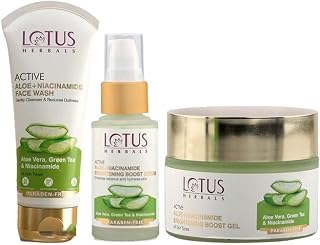


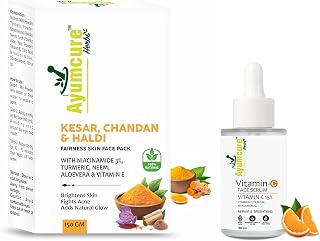


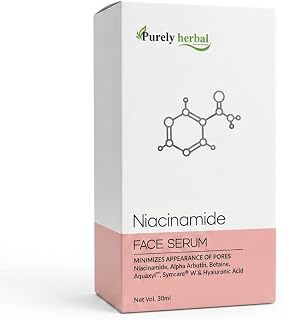


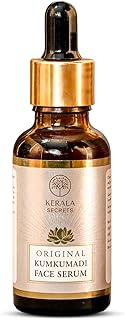


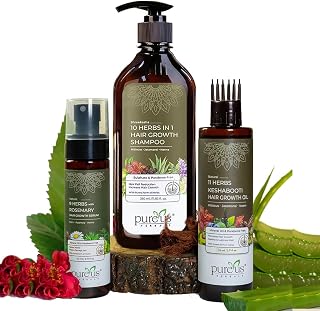


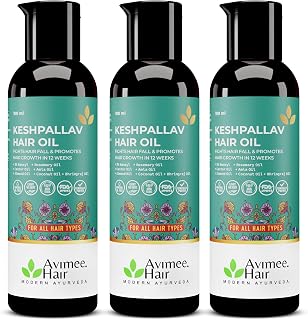


Choosing a facial serum is less about finding the product with the longest ingredient list and more about matching the formula to your skin type, primary concern, climate and existing skincare routine. In India, factors such as heat, humidity, dry weather, pollution exposure and strong sun can influence how comfortable and practical a serum feels during everyday use.
Before choosing among highly rated serums, identify the result you actually want to prioritise. A hydrating serum may be the sensible choice for dehydrated or tight-feeling skin, while a niacinamide formula may appeal to shoppers concerned about uneven-looking skin, excess oil or the appearance of pores. Vitamin C serums are commonly selected for antioxidant-focused routines and the appearance of dullness, whereas hyaluronic acid is primarily associated with hydration and moisture retention.
Ingredient concentration is only one part of the decision. The overall formula, supporting ingredients, texture, packaging, compatibility with your existing products and your willingness to use it consistently can matter just as much. A sophisticated serum that irritates your skin or feels uncomfortable in India's hot weather is unlikely to be a better everyday purchase than a simpler formula you can comfortably use as directed.
Hyaluronic acid is a humectant commonly used to support skin hydration. These formulas can be useful when your skin feels dehydrated, tight or lacking in suppleness. Look for products that combine humectants with other moisturising ingredients rather than assuming a single hero ingredient automatically makes one serum superior.
For Indian conditions, texture deserves particular attention. A lightweight, fast-spreading serum may be easier to layer beneath sunscreen or moisturiser during humid weather, while a richer hydration-focused formula may be preferable during colder or drier periods.
Vitamin C is widely used in skincare for antioxidant support and for improving the appearance of dull or uneven-looking skin. Different forms of vitamin C have different formulation characteristics, so shoppers should not compare products solely by the percentage displayed on the front of the package.
Packaging is particularly important when evaluating vitamin C. Exposure to light, heat and air can affect the stability of some vitamin C formulations. Check the manufacturer's storage instructions, packaging design and recommended usage rather than assuming that every vitamin C serum has identical shelf-life characteristics.
Niacinamide, also known as vitamin B3, is a versatile cosmetic ingredient frequently included in formulas intended for oily, combination or blemish-prone skin. It is also used in products targeting the appearance of uneven tone, enlarged-looking pores and a compromised skin barrier.
More is not necessarily better. If you are new to active skincare, a straightforward niacinamide formula can be easier to introduce than a highly concentrated product containing numerous potentially irritating actives.
Salicylic acid is a beta hydroxy acid commonly used in products designed for oily and blemish-prone skin. It can help exfoliate the skin's surface and is particularly relevant when congestion and excess oil are major concerns.
Because exfoliating acids can increase the potential for irritation, avoid automatically combining several strong exfoliating products. Follow the product directions and introduce new actives gradually when appropriate.
Retinol is a vitamin A derivative commonly used in cosmetic skincare products targeting the appearance of fine lines, uneven texture and signs associated with photoaging. Retinol products require more careful routine planning than basic hydrating serums.
Beginners should pay attention to the product's usage instructions, formulation and suggested frequency. Using multiple potentially irritating actives at the same time can make it difficult to determine which product is causing discomfort.
Peptide-based serums appeal to shoppers looking for formulas focused on supporting the appearance of smoother, firmer and healthier-looking skin. Peptides are a broad ingredient category, so the presence of the word "peptide" alone does not provide enough information to determine whether one formula is preferable to another.
The ingredient list should be evaluated as a complete formula rather than as a collection of marketing keywords. A serum may feature a familiar active ingredient while also containing humectants, emollients, botanical extracts, preservatives, solvents and texture-enhancing ingredients that affect how the product performs in everyday use.
One of the most common serum-buying mistakes is assuming that the highest stated percentage is automatically the most effective choice. Cosmetic performance depends on the complete formulation, ingredient form, stability, delivery system, supporting ingredients and how consistently the product is used.
For example, two serums featuring the same headline ingredient can have noticeably different textures and tolerability. One may contain a simple, lightweight formula suitable for layering, while another may be richer or include additional active ingredients that make it more appropriate for a specific routine.
When comparing products, consider the active ingredient, intended skin concern, formula complexity, usage instructions and your existing skincare products together.
Look for lightweight, non-heavy textures that can be comfortably layered with moisturiser and sunscreen. Niacinamide and salicylic acid are ingredients commonly considered by people with oily or blemish-prone skin, although individual tolerance varies.
Prioritise hydration and barrier support. Serums containing humectants can help address dehydration, while a moisturiser applied afterward can help support the skin's moisture barrier. A serum should complement rather than replace a suitable moisturiser when your skin requires additional emollience.
Combination skin can benefit from flexible formulas that hydrate without feeling excessively heavy. If different areas of your face have different needs, consider whether a single serum is genuinely appropriate or whether a simpler routine with targeted products would be more practical.
Keep the formula and routine as straightforward as possible. Fragrance-free options may be worth considering if you know that fragrance is an irritant for you. Avoid introducing several new actives simultaneously because doing so makes it harder to identify the source of irritation.
Shoppers concerned with visible signs of ageing may compare retinoids, peptides, antioxidants, hydrating ingredients and formulas supporting the appearance of smoother skin. Consistent sunscreen use remains an important part of any routine focused on managing visible signs of sun exposure.
Vitamin C, niacinamide and gentle exfoliating ingredients are commonly found in products aimed at improving the appearance of dull or uneven-looking skin. Choose one primary approach first rather than stacking multiple aggressive actives.
Niacinamide, vitamin C and other brightening-oriented ingredients are frequently used in cosmetic formulations targeting uneven-looking tone. Daily broad-spectrum sunscreen is an important companion to a routine focused on visible pigmentation or sun-related discolouration.
Pore size itself is influenced by genetics and skin structure, so skincare products should not be evaluated on the expectation that they can permanently eliminate pores. Ingredients such as niacinamide and salicylic acid may help improve the appearance of oily, congested or uneven-looking skin for some users.
Retinol and other vitamin A derivatives are among the most commonly discussed cosmetic ingredients for routines targeting visible signs of ageing. Hydration-focused serums can also temporarily improve the appearance of fine dehydration lines by increasing skin hydration.
A serum that feels ideal in one season may not be equally comfortable throughout the year. In humid regions, lightweight water-based or gel textures may feel more comfortable beneath moisturiser and sunscreen. During cooler and drier periods, a hydrating serum combined with a suitable moisturiser may provide greater comfort.
Heat and sunlight also make storage important. Follow the manufacturer's storage directions, particularly for formulas containing ingredients that may be sensitive to environmental conditions. Do not leave active skincare products unnecessarily exposed to direct sunlight or excessive heat.
A simple routine is often easier to maintain and evaluate than a routine containing numerous overlapping actives.
When layering multiple serums, consider whether every product has a distinct purpose. Adding several products that target the same concern can increase cost and complexity without necessarily providing a meaningful advantage.
Antioxidant and hydration-focused serums are common choices for morning routines. A vitamin C serum, for example, may be paired with moisturiser and sunscreen when the formula's instructions support daytime use.
Evening routines can accommodate products that are less convenient during the day, including certain retinol or exfoliating formulas. Always follow the specific product directions because usage recommendations differ between formulations.
Yes, but more products do not automatically produce better results. Combining several hydrating or complementary formulas may be reasonable, while combining multiple exfoliating or potentially irritating actives can be unnecessarily harsh.
If you use multiple serums, introduce them one at a time. This approach allows you to understand how your skin responds and whether each product actually contributes something useful to your routine.
Ingredient compatibility should be considered in the context of the entire routine rather than reduced to rigid lists of ingredients that can or cannot ever be used together. Many modern formulations are designed with combination use in mind, but individual tolerance remains important.
Packaging is an often-overlooked part of serum quality. Active ingredients can be affected by exposure to oxygen, light and heat depending on the specific formulation.
Customer ratings can provide useful shopping signals, but they do not replace ingredient analysis. A serum may receive excellent feedback from people with oily skin while being a poor match for someone with dry or sensitive skin.
Higher concentration can mean a stronger formula, but stronger is not automatically better for every skin type. Tolerability and routine compatibility should be considered alongside concentration.
A serum is only one component of skincare. If the rest of your routine is overly drying or lacks adequate moisturisation and sun protection, changing the serum alone may not solve the underlying issue.
Adding vitamin C, retinol, several acids and multiple concentrated serums simultaneously can make a routine unnecessarily complicated. Start with the most relevant product and evaluate it before expanding the routine.
Texture matters because a serum that pills under sunscreen or feels excessively sticky may be difficult to use consistently. When comparing products, consider whether the formula fits comfortably into the products you already use.
When researching established skincare brands, compare the exact product rather than relying only on brand reputation. Well-known names such as Minimalist, The Derma Co, Plum, Dot & Key, Mamaearth, L'Oréal Paris, Neutrogena, CeraVe, La Roche-Posay and The Ordinary offer different formulations and should be assessed by individual product specifications.
Brand familiarity can make initial research easier, but it should not be treated as proof that every product from a particular company is suitable for every person. Check the ingredient list, intended concern, product instructions, packaging and current customer feedback for the specific serum you are considering.
Before purchasing a serum online in India, inspect the complete listing rather than relying solely on the product title or promotional image.
Reviews are most useful when you look for patterns rather than isolated comments. Pay attention to recurring observations about texture, absorption, irritation, packaging, consistency and whether the product matched the reviewer's skin type.
Reviews should not be treated as clinical evidence. Statements such as "removed all pigmentation" or "worked overnight" are individual experiences, not guarantees. Give greater weight to detailed reviews that explain the user's skin type, routine, frequency of use and expectations.
The cheapest serum is not always the best value, and the most expensive formula is not necessarily the most sophisticated choice. Value should be judged by the amount of product, ingredient quality, formulation suitability, expected frequency of use, packaging and whether the serum solves a specific need in your routine.
For affiliate shoppers, comparing the cost per millilitre can make different bottle sizes easier to evaluate. Also check whether a lower-priced serum duplicates something you already own. Buying another product with the same primary function can increase spending without adding much practical benefit.
Natural or herbal positioning can be appealing, particularly for shoppers who prefer botanical ingredients. However, "natural" does not automatically mean gentler, safer or more effective. Botanical extracts can contain biologically active compounds, and some fragranced plant oils may be unsuitable for people with sensitivities.
Evaluate herbal serums using the same standards applied to conventional formulas: inspect the ingredient list, intended use, packaging, directions and evidence available for the individual ingredients. Avoid assuming that a product is superior simply because it contains more plant extracts.
New skincare products can cause irritation or sensitivity in some individuals. If you have reactive skin or are introducing a strong active ingredient, consider following the manufacturer's patch-testing guidance before applying the product more broadly.
Stop using a product if you experience significant or persistent irritation and seek appropriate professional advice when necessary. People with diagnosed skin conditions, allergies or complex treatment routines should consider discussing active skincare ingredients with a qualified dermatologist or other appropriate healthcare professional.
Do not continue using a product simply because you paid for it if its condition has noticeably changed. Changes in colour, odour, texture or separation can indicate that a formula is no longer in its expected condition, although the significance of a change depends on the individual product.
Follow the manufacturer's expiry information and any period-after-opening guidance. Proper storage is especially important for products containing ingredients that are sensitive to environmental exposure.
There is no single best serum for everyone. A suitable daily serum depends on your skin type and objective. Hydrating formulas are generally easier to build into a simple routine, while stronger active ingredients may require more careful usage.
Lightweight formulas are often preferable for oily skin. Niacinamide and salicylic acid are two ingredients commonly considered for oiliness and congestion, but the best choice depends on individual tolerance and the rest of the routine.
Hydration-focused formulas containing humectants such as hyaluronic acid or glycerin can be useful for dehydrated skin. Pairing a serum with a suitable moisturiser can provide a more complete approach to maintaining skin hydration.
Vitamin C can be used by many people with different skin tones and types. Product selection should focus on formulation, tolerance, packaging and appropriate use rather than assuming that skin tone alone determines suitability.
Some serums are designed for daily use, while others containing stronger active ingredients may have different recommended frequencies. Always follow the instructions for the exact product you purchase.
In many skincare routines, serum is applied before moisturiser so the lighter treatment product can be layered underneath the moisturising step. However, follow the product's directions when they specify a different application method.
Some people may find a lightweight serum comfortable on its own, particularly in humid conditions, but a serum is not necessarily a substitute for moisturiser. If your skin requires additional barrier support or emollience, moisturiser may remain an important part of the routine.
For a typical daytime routine, serum can be followed by moisturiser when needed and then sunscreen. Sunscreen should remain the dedicated sun-protection step rather than relying on a serum that contains antioxidant or other active ingredients.
The timeframe varies considerably according to the ingredient, skin concern and individual. Hydration can sometimes produce a relatively quick change in how skin feels, while concerns such as uneven tone, texture and visible signs of ageing generally require consistent use over a longer period.
Not necessarily. Price can reflect formulation, packaging, brand positioning and other factors. Compare the actual ingredients, product quantity, formulation and suitability for your routine before deciding whether a premium price provides meaningful additional value.
Neither category is automatically superior. The most useful comparison is based on the complete formula, ingredient purpose, tolerability, stability and suitability for your individual skincare needs.
Follow the manufacturer's storage instructions. Many active skincare products should be protected from excessive heat, direct sunlight and unnecessary exposure to air. Correct storage can help preserve the intended condition of the product.
The best serum is ultimately the one that matches your specific skincare objective, works comfortably with your skin type and fits into a routine you can maintain consistently. Instead of choosing solely from a "top 10" ranking, compare the exact formulation, active ingredients, texture, packaging, quantity, instructions and recent verified customer feedback.
For shoppers in India, also account for seasonal climate changes, humidity, sun exposure and how the serum layers with moisturiser and sunscreen. Check the current product specifications and retailer information before ordering because formulations, packaging, prices and availability can change during 2026.
A focused routine is usually easier to manage than a crowded shelf of overlapping treatments. Select the product that addresses your highest-priority concern, introduce active ingredients thoughtfully and evaluate the formula based on its actual suitability rather than marketing claims alone.