

♥ Wishlist
Compare 53 verified Best Face Masks in India for Every Skin Type products in India. Reviews, ratings, pros, cons and buying advice updated for September 2026.









![[PKY] Pyunkang Yul Highly Moisturizing Sheet Mask, Korean Skincare Face Mask with Ceramide, Hyaluronic Acid, Panthenol & Cica, Hydrating and Soothing Care (10 PCS)](https://m.media-amazon.com/images/I/71GYDROmLwL._AC_UL320_.jpg)


Choosing a face mask is easier when you start with your skin type, the result you want and the ingredients you are comfortable using rather than simply selecting the product with the highest rating. Face masks can be designed for different purposes, including cleansing excess oil, improving the feel of dry skin, providing temporary hydration, gently exfoliating dead surface cells or leaving the skin feeling refreshed.
For Indian consumers, climate and lifestyle can also influence the choice. Hot and humid conditions may make lightweight, oil-controlling formulas more appealing, while dry weather, frequent air-conditioning and some cleansing routines can leave skin needing additional moisture. The right product therefore depends on individual skin characteristics rather than a single universally "best" mask.
Different face mask formats behave differently on the skin. Understanding the basic categories can help you narrow down products before comparing brands, ingredients and customer feedback.
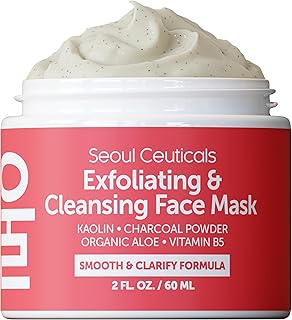
Clay-based masks are commonly selected by people with oily or combination skin because they can absorb surface oil and leave the skin feeling cleaner. Common cosmetic clays include kaolin and bentonite. A clay mask may be useful when the main objective is reducing the greasy feeling that can develop during hot weather.
However, more absorption is not necessarily better. Leaving a clay mask on for longer than directed or using it too frequently can leave some skin types feeling tight or uncomfortable. People with dry or easily irritated skin should pay particular attention to the complete formula rather than choosing a mask solely because it contains clay.
Sheet masks are typically made from a fabric, cellulose or similar sheet material saturated with a cosmetic serum. They are convenient when the primary goal is a temporary boost in hydration and a fresh, conditioned skin feel.
When comparing sheet masks, look beyond the attractive front-of-pack claims. Ingredients such as glycerin, hyaluronic acid, panthenol and certain botanical extracts may appear in hydrating formulas, but the overall ingredient list and your own skin tolerance matter more than any individual ingredient.
Gel masks often have a lightweight, cooling-feeling texture and can be particularly appealing for skin that dislikes heavy creams. They are commonly positioned around hydration, refreshing the skin and improving its temporary appearance.
Cream masks and overnight masks are generally designed for a more conditioning experience. They can be useful for people who prefer richer formulas, particularly when the skin feels dry or lacks comfort after cleansing.
Because overnight products remain on the skin for substantially longer than rinse-off masks, check the recommended usage instructions and avoid assuming that a thicker formula is automatically more effective.
Some masks contain exfoliating ingredients intended to loosen or remove dead surface skin cells. These products require more careful selection because combining several exfoliating products in the same routine can increase the likelihood of dryness or irritation.
If your routine already contains exfoliating acids, retinoid products or other potentially irritating active ingredients, consider the total routine rather than evaluating the mask in isolation.
Peel-off masks form a film that is removed after drying. The removal process can create a satisfying feeling of cleansing, but the sensation does not necessarily mean that the product has removed deep impurities or permanently reduced pores.
People with sensitive or easily irritated skin should be particularly cautious with aggressive peeling sensations. A gentler cleansing or hydrating mask may be a more appropriate choice.
The ingredient list is one of the most useful tools for comparing face masks. Marketing terms such as "natural," "herbal," "detox," "glow" and "pore refining" can describe a product's positioning, but they do not tell you enough about how the formula is designed.
Hyaluronic acid is a humectant commonly used in hydrating skincare. It helps attract and retain water at the skin surface and is frequently found in masks aimed at improving hydration and skin comfort.
Glycerin is another widely used humectant. It can support a softer, more hydrated skin feel and is found across many types of skincare products.
Aloe vera is frequently included in cooling and soothing-oriented cosmetic formulations. If you prefer herbal skincare, check whether aloe appears meaningfully in the ingredient list rather than relying only on imagery or product naming.
Green tea extract is a popular botanical ingredient in skincare. It is often used in formulas positioned around antioxidant care and refreshed-looking skin.
Niacinamide is a form of vitamin B3 commonly used in skincare formulations. Depending on the formulation and concentration, it may be included in products designed to support the appearance of uneven tone, excess oil and overall skin condition.
Kaolin and bentonite are mineral clays commonly used in masks designed for cleansing and oil absorption. They can be useful ingredients for oily skin, but the complete formula determines how drying or comfortable a particular product feels.
Herbal face masks may contain ingredients such as turmeric, neem, sandalwood, rose, tulsi, cucumber or various plant extracts. These ingredients can be attractive to consumers who prefer botanical-focused skincare, but "herbal" does not automatically mean that a product is suitable for every skin type.
Plant extracts can still cause sensitivity in some individuals. Fragrance components and essential oils can also be relevant considerations, especially for people whose skin reacts easily to fragranced cosmetics.
For oily skin, look for formulas that provide cleansing without leaving the skin excessively tight. Clay-based masks can be worth considering, particularly when the main concern is surface oil.
Dry skin generally benefits from a focus on hydration and comfort rather than aggressive oil removal. Cream, gel or sheet masks with humectant and conditioning ingredients may be more appropriate than strongly absorbent clay formulas.
Combination skin can require a more targeted approach. The forehead, nose and chin may behave differently from the cheeks, so a single mask may not be ideal for every facial area.
Some consumers use different formulas on different areas of the face. For example, an oil-absorbing formula may be appropriate for an oily T-zone while a hydrating formula may be preferable for drier cheeks.
Sensitive skin requires greater attention to the entire formulation. A product described as natural or herbal is not automatically gentler. Fragrance, essential oils, strong exfoliating ingredients and other components may be poorly tolerated by some individuals.
People with acne-prone skin should distinguish between cosmetic cleansing and treatment of acne. A face mask can provide a temporary cleansing or oil-control benefit, but it should not automatically be treated as an acne treatment.
Look for formulas that fit comfortably into your existing routine and avoid unnecessarily irritating the skin. If acne is persistent, painful, severe or leaving scars, professional medical advice is more appropriate than relying on cosmetic masks alone.
A useful comparison should go beyond star ratings. Two products can have similar ratings while being designed for completely different skin types.
First identify whether the product is primarily intended for hydration, cleansing, oil control, exfoliation, soothing or general skin conditioning. This prevents a common buying mistake: comparing products that solve different problems.
Ingredients should be evaluated as a complete formula. A product promoted around one attractive ingredient may contain many other components that are equally relevant to skin feel and tolerance.
Check how long the mask should remain on the skin and how frequently it is intended to be used. A product requiring occasional use may fit a different routine from a product intended for frequent application.
Texture affects whether you are likely to enjoy using a mask consistently. Some people prefer quick-rinse clay masks, while others prefer serum-rich sheet masks or richer overnight formulas.
Do not compare prices based only on the package price. Consider the quantity supplied, estimated number of applications and the amount recommended per use. A larger package is not necessarily better value if the product does not suit your skin.
Customer reviews can reveal useful information about texture, scent, packaging, ease of application and whether the product matched expectations. However, individual skin experiences vary, so reviews should supplement rather than replace ingredient and suitability checks.
Formulations, packaging and product availability can change. Before purchasing, compare the current ingredient list, package size, manufacturer information and retailer listing rather than relying on an old product description.
Natural and herbal skincare is popular in India, particularly among consumers interested in traditional ingredients and plant-based formulations. However, the terms "natural," "herbal" and "chemical-free" should not be treated as interchangeable with "safe for everyone."
Every cosmetic formula contains substances with chemical identities, including naturally derived ingredients. What matters for purchasing decisions is whether the ingredients, formulation, intended use and manufacturing information are appropriate for your needs.
When comparing herbal face masks, examine the actual ingredient declaration, directions for use, manufacturer details, packaging information and any applicable product claims. A long list of botanical extracts does not automatically indicate superior performance.
Some ingredients are not inherently bad but deserve consideration depending on individual tolerance.
Well-known brands such as Mamaearth, The Face Shop, Plum, WOW Skin Science, Lakmé, Biotique, Himalaya and Neutrogena offer products across different skincare categories. Brand recognition can be useful, but the specific formula still needs to match your requirements.
A higher price does not guarantee that a face mask will perform better for your skin. Compare formulation, quantity, intended purpose, ingredients and usage experience before comparing price.
A highly absorbent clay mask may appeal to someone with oily skin but be a poor choice for someone experiencing dryness. Similarly, a rich sleeping mask may feel unnecessary for someone who prefers lightweight skincare.
Longer contact time is not automatically more effective. Follow the product's instructions, particularly with clay, peel-off and exfoliating formulas.
More skincare is not necessarily better skincare. Excessive masking can contribute to dryness or irritation, especially when combined with other active products.
A product containing turmeric, aloe vera, vitamin C, green tea or another popular ingredient should still be evaluated as a complete formula. Ingredient presence alone does not establish that a product will deliver a particular result.
There is no single ideal frequency for every face mask. The appropriate schedule depends on the formulation, the manufacturer's directions and how your skin responds.
Hydrating masks, clay masks and exfoliating masks can have very different intended usage patterns. Instead of applying every mask several times a week simply because it is available, start with the directions supplied for the particular product and adjust only when appropriate for your skin.
India's diverse climate means that skincare preferences can vary considerably between regions and seasons. Someone living in a humid coastal environment may prefer a different texture from someone living in a dry or cooler region.
During hot and humid periods, lightweight gel or cleansing masks can be appealing, particularly for people who dislike heavy textures. During dry periods or prolonged exposure to indoor air-conditioning, hydrating and conditioning formulas may be more comfortable.
Pollution, dust, sunscreen use and makeup can also influence how clean the skin feels, but a face mask should not be considered a replacement for ordinary cleansing or appropriate sun protection.
Skincare packaging frequently uses terms such as "detox," "deep cleansing," "brightening," "glowing," "pore tightening," "anti-pollution," "instant radiance" and "natural." These descriptions should be treated as marketing claims that require context.
A good buying decision asks what the product is actually formulated to do, which ingredients support that purpose and whether the expected result is temporary cosmetic improvement or a longer-term skincare change.
These products serve different roles. A cleanser is generally intended to remove everyday surface impurities, excess oil, sunscreen and makeup. A face mask is usually an occasional treatment applied for a specified period. A scrub is designed around physical exfoliation and should not automatically be considered interchangeable with a mask.
Using several cleansing and exfoliating products together can make a routine unnecessarily aggressive. Consider the complete skincare routine rather than adding products one by one without checking how they overlap.
Some masks contain exfoliating acids, while other masks are primarily hydrating or cleansing. A dedicated chemical exfoliant may offer a more predictable approach for consumers specifically seeking exfoliation, while a mask can provide a broader cosmetic experience.
If exfoliation is the goal, compare the active ingredients, concentration information where disclosed, recommended frequency and compatibility with the rest of the routine.
A practical routine does not need multiple masks. Begin by identifying your main concern and select one product that addresses it without unnecessarily duplicating other products in your routine.
A worthwhile product is one that fits your skin type, has a clear purpose, contains ingredients you are comfortable using, provides practical instructions and fits your budget and routine. A product that looks impressive but causes discomfort or is rarely used is unlikely to be a good purchase.
For affiliate shopping research, compare several products side by side rather than choosing the first highly rated option. Check current specifications, ingredient information, customer feedback and the latest retailer information before completing a purchase.
Brand selection can help narrow a large marketplace, but each individual product should still be evaluated on its own specifications and intended use. Depending on the category, shoppers may encounter brands such as Mamaearth, The Face Shop, Plum, WOW Skin Science, Biotique, Himalaya, Neutrogena, Lakmé, Dot & Key, Minimalist and Garnier.
The best choice among these or other brands depends on the particular formula, skin type, ingredient preferences, package size and current product information. Brand popularity should be treated as one comparison factor rather than proof that a particular mask is right for everyone.
When shopping through Amazon India or another trusted retailer, check the product page carefully before ordering. Retail listings can contain multiple sizes, variants and updated packaging for products with similar names.
Before deciding between two similar products, use the following checklist:
There is no single best face mask for everyone in India. The better choice depends on skin type, the desired result, ingredient preferences, climate, budget and how frequently you intend to use the product.
A hydrating or conditioning mask can temporarily improve the appearance and feel of dull or dehydrated skin. For longer-term skin appearance, a complete routine that includes appropriate cleansing, moisturising and sun protection is more important than relying on occasional masks alone.
Not necessarily. Herbal formulas may appeal to people who prefer botanical ingredients, but suitability depends on the complete formulation and individual skin tolerance. Natural origin alone does not guarantee superior performance or compatibility.
Yes. Oily skin can still become dehydrated. A lightweight hydrating mask may be appropriate when the skin feels tight or lacks water without requiring a heavy, greasy texture.
It depends on the formulation and the individual's skin tolerance. Clay can absorb oil and may leave some dry skin feeling tighter, so people with dry skin should consider gentler, conditioning options and follow the product's directions carefully.
Daily use is not appropriate for every mask. Follow the directions for the specific product and consider the ingredients and your existing skincare routine. Masks designed for exfoliation or strong cleansing may require less frequent use.
A mask may temporarily improve the appearance or feel of congested skin, particularly when it helps remove surface oil. It should not be assumed to permanently eliminate blackheads or prevent them from returning.
Face masks can sometimes make pores appear less noticeable temporarily by reducing surface oil or improving the skin's appearance. They do not permanently change pore size.
No. A face mask is an optional skincare product. A simple routine built around suitable cleansing, moisturising and sun protection can be effective without regular masking.
Follow the specific product instructions. Some sheet masks are designed to leave the remaining serum on the skin, while others may have different directions. Do not assume every sheet mask should be rinsed.
Yes. Any cosmetic product can cause irritation or sensitivity in some individuals. Fragrance, essential oils, exfoliating ingredients and other components may be relevant depending on personal tolerance.
Patch testing can be a sensible precaution for a new skincare product, especially when you have previously experienced sensitivity. Follow the manufacturer's directions and discontinue use if you experience an adverse reaction.
Consider the climate and your skin's behaviour. Lightweight hydrating or appropriately cleansing formulas may feel more comfortable in hot weather. People with oily skin may prefer a clay-based option, while dry skin may still benefit from hydration.
During dry weather, focus on formulas designed around hydration and skin comfort. Richer cream masks or hydrating sheet and gel masks may be preferable to strongly absorbent products if your skin becomes dry.
The best face mask is ultimately the one that fits your specific skincare needs rather than the one with the most impressive marketing claim. Start with your skin type and primary objective, then compare ingredients, formulation, usage instructions, package size and customer feedback.
For shoppers in India, also consider the local climate, current product availability, package variants and the latest retailer information. Product descriptions, packaging and prices can change during the year, so verify current details before buying.
If you prefer natural or herbal skincare, use that preference as a filtering criterion while still evaluating the complete ingredient list. A careful comparison can help you avoid buying based solely on popularity, attractive packaging or a single highlighted ingredient and instead select a face mask that genuinely fits your routine.