

♥ Wishlist
Compare 52 verified Face Oils for Glowing, Nourished & Hydrated Skin products in India. Reviews, ratings, pros, cons and buying advice updated for September 2026.







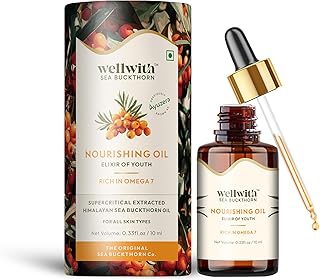


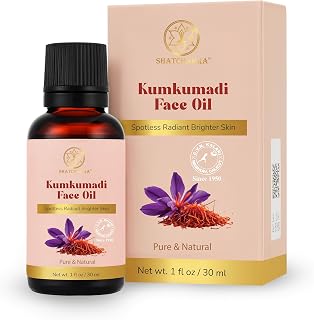


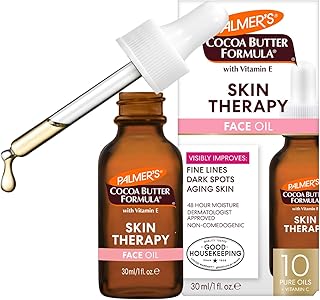


Choosing a face oil is not simply about finding the product with the highest rating or the longest ingredient list. The right facial oil depends on your skin type, the level of hydration your skin needs, the ingredients used, how the oil is processed, the texture you prefer, and how well the formula fits into your existing skincare routine. A lightweight oil may suit oily or combination skin, while a richer blend may be more comfortable for dry or mature skin.
For shoppers in India, climate is another important consideration. Hot and humid conditions can make heavy oils feel uncomfortable, while dry winters, air conditioning, pollution and frequent cleansing can leave the skin feeling tight or dehydrated. A good buying decision therefore starts with understanding what you want the oil to do rather than choosing solely by brand popularity.
Face oils primarily work as emollients and occlusive ingredients. They can soften the skin, reduce the feeling of dryness and help slow moisture loss from the skin surface. Some facial oils also contain naturally occurring fatty acids and other plant-derived compounds that contribute to the sensory and conditioning properties of the formula.
It is useful to distinguish between hydration and moisturisation. Oils do not provide water in the same way that a water-based serum or moisturiser does. Instead, they can help support the skin's moisture balance by reducing transepidermal water loss and improving the feel of dry or rough skin.
These products are often grouped together, but they perform different roles. A facial serum is usually formulated to deliver selected ingredients in a lightweight base, while a moisturiser generally combines water, humectants, emollients and other ingredients designed to support skin hydration. Face oils are predominantly oil-based and are especially useful when softness, conditioning and reduced moisture loss are priorities.
| Product type | Typical role | Best suited to | Important consideration |
|---|---|---|---|
| Face oil | Softens skin and helps reduce moisture loss | Dry, normal and selected combination skin | Texture and oil composition matter |
| Facial serum | Targets specific skincare concerns | Most skin types depending on formula | Active ingredients and concentration matter |
| Moisturiser | Supports hydration and skin barrier comfort | Most skin types | Choose according to skin type and climate |
| Facial balm | Provides richer emollient and protective feel | Very dry or compromised-feeling skin | Can feel heavier in hot weather |
Dry skin generally benefits from products that improve softness and reduce moisture loss. A face oil can be particularly useful when applied over a suitable moisturiser. Look for oils that feel nourishing without leaving an excessively heavy residue.
Ingredients commonly found in richer facial-oil formulations include jojoba oil, rosehip oil, argan oil, sweet almond oil, squalane and various botanical oils. However, the presence of a familiar ingredient does not automatically make one formula better than another. The overall formulation, freshness, packaging and your individual tolerance all matter.
Oily skin does not automatically mean that facial oil should be avoided. Some people with oily or combination skin prefer a small amount of a lightweight oil, particularly when their skin feels dry after cleansing. The key issue is quantity and formula rather than the simple category of “oil.”
For oily skin, look for lightweight textures and consider applying only a few drops. If you are prone to clogged pores or breakouts, introduce a new oil gradually and discontinue it if it consistently causes problems.
Combination skin can be difficult to manage because different areas of the face may have different needs. Instead of applying the same amount everywhere, consider using a small quantity on areas that feel dry and avoiding unnecessary layering on areas that already become oily.
People with sensitive skin should pay particular attention to fragrance, essential oils and the overall ingredient list. “Natural” does not automatically mean “gentle.” Botanical ingredients can still cause irritation or allergic reactions in susceptible individuals.
When testing a new facial oil, introduce one new product at a time. A small-area patch test can help identify obvious irritation before applying a new product more broadly, although patch testing cannot guarantee that a product will never cause a reaction.
Mature skin often benefits from consistent moisturisation and protection from environmental exposure. A facial oil can improve the feel and appearance of dryness by making the skin surface softer and more supple. However, it should be considered one component of a broader routine that includes gentle cleansing, moisturisation and daily broad-spectrum sunscreen.
Jojoba is technically a liquid wax rather than a conventional vegetable oil. It is widely used in skincare because of its pleasant texture and conditioning properties. It is often a useful option for shoppers who want a facial oil that does not feel excessively heavy.
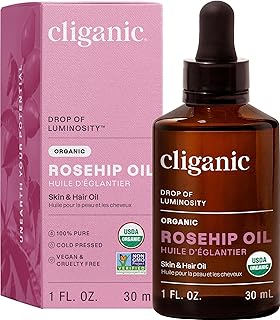
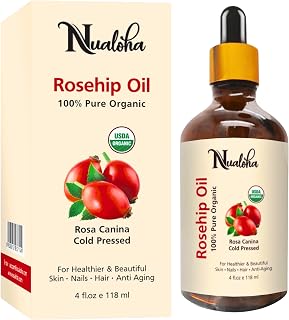
Rosehip oil is commonly included in facial oils aimed at supporting a smoother, nourished skin appearance. Product quality can vary, so examine the complete formulation, packaging and storage instructions rather than choosing solely because rosehip appears on the label.
Argan oil is valued for its emollient properties and is frequently used in skincare and haircare. It can work well in richer facial-oil blends, particularly for people who prefer a nourishing finish.
Squalane is a lightweight emollient commonly used in modern skincare formulations. It is often chosen by consumers who want the conditioning benefits of an oil-like product without the heavier sensory profile associated with some traditional botanical oils.
Sweet almond oil is a traditional emollient used in many personal-care formulations. Consumers with nut allergies should check the product information carefully and consult appropriate professional advice if they are uncertain about suitability.
Grapeseed oil is generally associated with a lighter texture and is frequently included in facial-oil blends designed for a less heavy finish.
Marula oil is another plant-derived emollient used in premium skincare formulations. It may appeal to shoppers looking for a richer botanical oil with a smooth application feel.
Natural and herbal positioning can be attractive, but it should not replace ingredient-level evaluation. A product described as herbal may contain multiple botanical extracts, essential oils, fragrances and carrier oils. The most useful question is not whether the product sounds natural, but whether the actual formula suits your skin.
Cold-pressed oils are produced using mechanical extraction methods intended to avoid the high temperatures associated with some other extraction processes. Refined oils undergo additional processing that can improve consistency, remove certain compounds and alter characteristics such as colour and odour.
Cold-pressed does not automatically mean better for every person or every skincare purpose. A high-quality refined ingredient can also be useful in a well-designed formula. When comparing products, consider the entire formulation, stability, packaging and intended use rather than treating one processing method as a guarantee of performance.
Packaging is more important for facial oils than many shoppers realise. Exposure to oxygen, heat and light can contribute to oxidation in susceptible oils. Oxidised oil may develop an unpleasant smell and may no longer have the same desirable sensory characteristics as a fresh product.
Always follow the manufacturer's guidance, but changes in smell, colour or texture can be useful warning signs. A facial oil that suddenly smells rancid, unusually sharp or significantly different from when it was opened should be treated cautiously.
Do not deliberately keep opening a bottle simply to inspect it. Store oils according to the label instructions, keep the cap securely closed and avoid leaving them in hot environments such as a sunny windowsill or inside a hot vehicle.
More product does not necessarily mean better results. Facial oils are concentrated and a small amount can often be spread across the face. Start with a few drops and adjust according to your skin's needs and the product's instructions.
There is no universal rule that applies to every formula. Because facial oils are generally more oil-based, many people prefer to use them after a water-based serum and moisturiser. This can help create a comfortable final layer and reduce the sensation of dryness.
However, some products are specifically designed to be mixed with moisturiser or applied at another point in a routine. Always follow the manufacturer's directions when they differ from general skincare practice.
Some people can comfortably use a facial oil daily, while others may prefer occasional use. Frequency depends on the formula, skin type, climate and the rest of your routine. If daily use leaves your skin greasy, congested or irritated, reduce the amount or frequency rather than assuming you need more product.
Many people prefer face oils at night because there is no concern about daytime shine or layering under makeup. A lightweight formula can also be used during the day if it sits comfortably under sunscreen and other products.
At night, an oil can be used as part of a simple moisturising routine. During the day, sunscreen remains important because a face oil should not be considered a substitute for dedicated sun protection.
Acne-prone skin requires a more cautious approach. Not every oil will cause breakouts, but individual responses vary and a product's overall formulation matters. Avoid assuming that a product labelled “non-comedogenic” guarantees that it will work for everyone.
If you frequently experience acne, persistent inflammation or painful lesions, a facial oil should not replace appropriate acne care. Introduce new skincare products one at a time so that it is easier to identify what your skin tolerates.
Carrier oils such as jojoba, argan or rosehip oil are different from concentrated essential oils. Essential oils are highly concentrated aromatic substances and can be irritating for some people, particularly when used incorrectly or in high concentrations.
Consumers with sensitive skin should read labels carefully and consider whether added fragrance or essential oils are appropriate for their routine. “Plant-based” and “essential oil” are not synonyms for “risk-free.”
When comparing several products, use the same criteria for each one. A structured comparison is more useful than relying on a single rating or marketing claim.
| Comparison factor | What to examine | Why it matters |
|---|---|---|
| Ingredient profile | Carrier oils, emollients, botanical extracts and fragrance | Determines suitability and sensory characteristics |
| Skin type | Dry, oily, combination, normal or sensitive | Helps avoid unsuitable textures |
| Texture | Lightweight, medium or rich | Affects comfort and layering |
| Packaging | Dropper, pump, bottle and light protection | Influences dispensing and product protection |
| Size | Total volume | Allows fair value comparison |
| Usage instructions | Recommended quantity and frequency | Helps determine practical usability |
| Customer feedback | Recent verified-purchase reviews where available | Can reveal recurring usability issues |
| Seller information | Manufacturer and authorised seller details | Useful for authenticity and traceability |
Customer ratings can be useful, but a five-star average should not be treated as proof that a face oil is right for your skin. Read reviews for patterns rather than isolated comments.
A high rating can reflect packaging, fragrance, texture or general satisfaction rather than suitability for your specific skin type. Always combine ratings with ingredient and usage information.
Dry skin does not necessarily require the thickest possible oil. A formula that feels excessively greasy may be difficult to use consistently. Comfort and compatibility with your moisturiser can be more important than richness alone.
Plant-derived ingredients can still cause irritation or allergic reactions. Ingredient transparency is more useful than a vague natural claim.
Plant oils can be susceptible to oxidation. Check the product information and avoid storing the bottle in unnecessarily hot or bright locations.
Applying a large quantity can leave a greasy finish without providing proportionally greater benefits. Start small and increase only if needed.
Face oils do not replace dedicated sunscreen. If sun protection is part of your daytime skincare routine, use an appropriate broad-spectrum sunscreen separately.
When researching facial oils, shoppers may encounter established skincare and beauty brands such as The Ordinary, Minimalist, Plum, Kama Ayurveda, Forest Essentials, Mamaearth, Indulekha, Khadi Natural, Juicy Chemistry and Biotique. Brand familiarity can help with product discovery, but the specific formula should always be evaluated rather than assuming every product from a particular brand will suit every skin type.
For an Amazon affiliate buying guide, compare the exact product name, formulation, bottle size, ingredient list, seller information, current customer feedback and current price before making a purchase. Product listings and prices can change, so verify the information on the retailer's current listing.
India's varied climate means that the ideal face oil can differ significantly between locations and seasons. A product that feels comfortable during a dry winter may feel too rich during a humid summer.
A few drops are often sufficient for the entire face, but the ideal amount varies by product and skin type. The objective is to create a comfortable layer rather than a visibly oily coating.
If your face remains excessively shiny for a long period, reduce the quantity. If your skin still feels dry after application, consider whether your routine needs a more suitable moisturiser rather than simply adding more oil.
Some consumers mix a small amount of face oil into moisturiser for convenience or to create a richer texture. This can be practical, but it is not necessary and may alter how the moisturiser spreads or feels. If the product manufacturer recommends a specific mixing method, follow those instructions.
A lightweight facial oil can sometimes be used before makeup, but the amount and formula are critical. Too much oil may interfere with foundation application, increase shine or affect the longevity of makeup.
If you want to use an oil before makeup, allow your skincare layers to settle and use a small amount. Always apply sunscreen appropriately during daytime routines and allow it to form the intended protective layer according to its directions.
Skincare products can cause irritation or allergic reactions, even when they contain familiar plant-based ingredients. If you have a known allergy, carefully review the complete ingredient list. Stop using a product if it causes significant irritation, burning, swelling or another concerning reaction, and seek appropriate medical advice when necessary.
Do not use facial oils as substitutes for prescribed treatments. If you have persistent acne, eczema, dermatitis, rosacea, unexplained rashes or other ongoing skin concerns, professional medical guidance may be more appropriate than experimenting with multiple cosmetic oils.
Price per bottle can be misleading because facial oils differ in size and recommended usage. Compare the total quantity, ingredient composition and practical usage rather than looking only at the listed price.
There is no single face oil that is best for everyone. The right choice depends on skin type, climate, desired texture, ingredients, personal tolerance and budget. Compare the exact formulation and current customer feedback before purchasing.
Dry skin often benefits from richer emollient formulas that help soften the skin and reduce moisture loss. Jojoba, argan, rosehip, sweet almond and other plant oils may appear in suitable formulas, but the complete formulation matters more than any single ingredient.
People with oily skin may prefer lightweight oils used sparingly. If you are prone to clogged pores or breakouts, introduce any new facial oil gradually and monitor how your skin responds.
Yes, many people can use a suitable facial oil regularly, but daily use is not mandatory. Adjust the amount and frequency according to your skin's needs and the product instructions.
Some facial oils may be suitable for sensitive skin, particularly simpler formulas without unnecessary fragrance, but sensitivity varies between individuals. Review the ingredient list carefully and introduce new products cautiously.
Many people apply facial oil after moisturiser because oils can provide an additional emollient layer. However, some products have specific application instructions, so follow the manufacturer's directions when provided.
Not necessarily. Oils and moisturisers serve different formulation roles. A facial oil can complement a moisturiser, particularly when the skin needs additional emollience, but it does not automatically provide everything found in a complete moisturising product.
No. A facial oil should not be considered a replacement for dedicated broad-spectrum sunscreen.
Not automatically. Natural and synthetic ingredients can both be useful in skincare. The more relevant questions are whether the formula is well designed, stable, suitable for your skin and appropriate for your intended use.
The usable life varies by formulation, packaging and storage conditions. Check the manufacturer's expiry information and any period-after-opening guidance supplied with the product.
No. Price can reflect ingredients, packaging, positioning and other commercial factors. A more expensive facial oil is not automatically more effective or better suited to your skin.
Yes, provided the product is comfortable for daytime use and works with your other skincare products. Keep in mind that sunscreen should remain a separate part of daytime sun protection.
The best face oil is the one that fits your skin type, routine, climate and preferences without creating unnecessary complexity. For shoppers in India, compare ingredient lists, texture, packaging, bottle size, storage requirements, customer feedback and current retailer information before making a final decision.
Rather than choosing a facial oil solely because it is popular or labelled natural, evaluate what is actually inside the bottle and how the product is intended to be used. A lightweight oil may be preferable for humid weather, while a richer formula can be useful when skin feels particularly dry. Sensitive or acne-prone skin requires additional care when introducing new botanical or fragranced products.
Before purchasing any product in 2026, verify the current formulation, size, seller information, customer reviews and price on the retailer listing. Product information can change, so current listing details should take priority over older descriptions or cached buying advice.