

♥ Wishlist
Compare 58 verified Night Cream for Nourished, Hydrated & Healthy-Looking Skin products in India. Reviews, ratings, pros, cons and buying advice updated for September 2026.


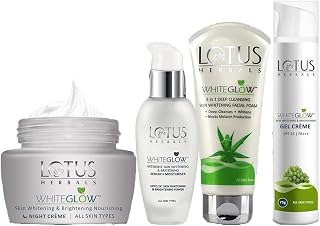

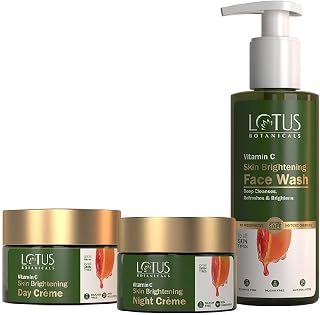


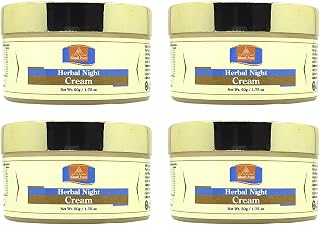


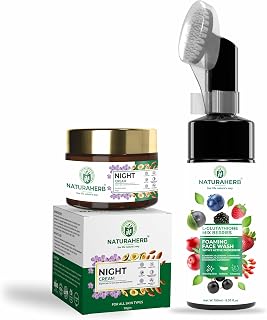


![Amway attitude be bright herbals day cream - 50 g and night cream -50g combo and multicolor hair/head band [ASSORTED] - COMBO](https://m.media-amazon.com/images/I/31O56k5TqoL._AC_UL320_.jpg)


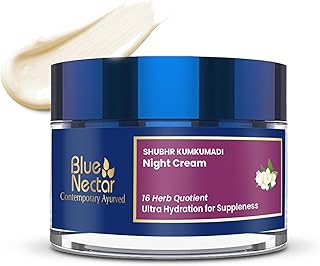


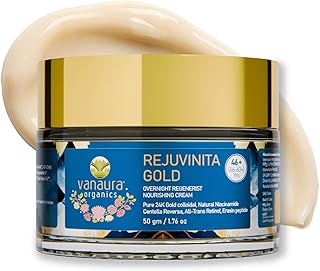


Choosing a night cream is less about finding the richest or most expensive formula and more about matching the product to your skin type, climate, routine and specific concerns. A suitable night moisturiser should support the skin barrier while you sleep without leaving excessive heaviness, irritation or unwanted residue.
For shoppers in India, the choice can be more complicated because skincare needs vary considerably between humid coastal regions, dry northern climates, high-pollution urban environments and seasonal weather changes. A cream that feels comfortable during a dry winter may feel too occlusive during a humid summer. Likewise, ingredients that suit resilient dry skin may not be the best choice for oily, acne-prone or easily irritated skin.
When comparing night creams, look beyond marketing claims and examine the ingredient profile, texture, intended skin type, fragrance level, packaging, product size, usage instructions and customer feedback. Brands such as Cetaphil, CeraVe, Neutrogena, Olay, L'Oréal Paris, The Face Shop, Mamaearth, Plum, Minimalist and Biotique offer products across different formulations and price segments, but the right choice depends on individual requirements rather than brand recognition alone.
A night cream is generally a moisturising skincare product designed for use as part of an evening routine. Depending on its formulation, it may help reduce moisture loss, soften dry areas, improve the feel of rough skin and support the skin barrier.
The term “night cream” does not automatically mean that a product is more effective than a regular moisturiser. The distinction often comes down to formulation, texture and the ingredients included. Some night creams are rich and occlusive, while others are lightweight gel-creams suitable for combination or oily skin.
Many formulations contain a combination of three broad categories of moisturising ingredients:
A well-balanced formula may combine several of these approaches. The ideal balance depends on whether your skin is dry, oily, combination, sensitive or prone to breakouts.
The distinction is often smaller than skincare marketing suggests. A night cream is still a moisturising product, but it may have a richer texture or contain additional ingredients intended for evening skincare routines.
If your existing moisturiser already provides sufficient hydration and feels comfortable overnight, you may not need a separate night cream. On the other hand, someone with dry or dehydrated skin may prefer a richer evening formula that provides more lasting comfort.
For oily skin, a lightweight moisturiser or gel-cream can be a better choice than a traditional heavy night cream. The most useful question is therefore not simply “Which night cream is best?” but “Which formulation provides the right level of hydration without causing problems for my skin?”
Ceramides are skin-identical lipids associated with the skin barrier. Moisturisers containing ceramides can be particularly appealing for people who experience dryness, tightness or a compromised-feeling skin barrier.
Ceramide-containing formulations from brands such as CeraVe and other skincare manufacturers can be worth comparing when barrier support is a priority. Check the complete ingredient list rather than relying solely on the front label.
Hyaluronic acid is a humectant commonly used in moisturisers and serums. It can help the skin retain water and is frequently paired with other moisturising ingredients.
For very dry skin, however, hyaluronic acid alone is not necessarily enough. A formula containing humectants plus emollients and occlusive ingredients may provide a more comfortable overnight moisturising effect.
Glycerin is a widely used humectant found in many affordable and premium moisturisers. It is useful when hydration is a major objective and is often included in formulas designed for normal, dry or sensitive skin.
Niacinamide is a versatile skincare ingredient frequently used in moisturisers for concerns involving uneven-looking skin, excess oil and barrier support. Concentration and overall formulation matter, particularly for sensitive skin.
Natural and herbal skincare products may contain ingredients such as aloe vera, rose, chamomile, turmeric, green tea, jojoba oil, almond oil or other botanical extracts. These ingredients can contribute to a product's sensory characteristics and formulation, but “natural” does not automatically mean safer or more suitable for every skin type.
People with sensitive skin should pay attention to essential oils, fragrance components and botanical extracts that may cause irritation. Always evaluate the complete ingredient list instead of choosing a product solely because it is marketed as herbal, Ayurvedic or natural.
Peptides are included in some moisturisers positioned around skin conditioning and visible signs of ageing. They can be an interesting ingredient category for shoppers looking for a more advanced skincare routine, although the overall formulation remains more important than a single highlighted ingredient.
Some night creams contain retinol or related vitamin A derivatives. These products should be treated differently from ordinary moisturisers because retinoid-based skincare can cause dryness or irritation, particularly when introduced too quickly.
If a night cream contains a retinoid, follow the manufacturer's directions carefully and avoid automatically combining it with multiple potentially irritating active ingredients. Sun protection during the daytime is also an important part of a routine involving retinoid products.
Dry skin generally benefits from a moisturiser that combines water-binding ingredients with emollients and barrier-supporting lipids. A richer cream can be useful when the skin feels tight or uncomfortable after cleansing.
Look for ingredients such as glycerin, ceramides, hyaluronic acid, squalane, shea butter and suitable plant oils. The ideal formula should leave the skin comfortable rather than excessively greasy.
Oily skin still requires moisturisation. Removing moisturiser simply because the skin produces oil can leave the skin feeling dehydrated or uncomfortable and may encourage an unnecessarily aggressive skincare routine.
Lightweight gel-creams, oil-light formulations and non-greasy moisturisers are often easier to use overnight. Ingredients such as glycerin, hyaluronic acid and niacinamide may be useful depending on the rest of the routine.
Combination skin can require a compromise between hydration and weight. A medium-weight lotion or gel-cream may work better than an extremely rich cream applied uniformly across the entire face.
Another practical approach is adjusting the amount used by area. Drier areas can receive a little more moisturiser, while oilier areas may need a thinner layer.
Sensitive skin usually benefits from keeping the routine simple. Look for products with straightforward formulations and consider fragrance-free options when fragrance is a known source of irritation.
Introduce one new skincare product at a time. Applying several new products simultaneously makes it much harder to determine which product is responsible if redness, burning or discomfort occurs.
Acne-prone skin still needs hydration, particularly when using treatments that can cause dryness. A lightweight moisturiser may therefore be useful even when the skin is oily.
Pay attention to texture and how your skin responds rather than assuming that every rich cream will cause breakouts or that every “non-comedogenic” product will work for everyone. Individual skin responses vary.
Climate should be an important part of a night cream buying decision in India. Humidity, temperature, air conditioning and seasonal dryness can all change how a moisturiser feels on the skin.
During hot and humid periods, a thick cream may feel uncomfortable even when the skin technically needs moisturisation. Lightweight lotion and gel-cream textures can be easier to tolerate.
During colder and drier periods, especially in northern parts of India, a richer cream may be preferable for people who experience increased dryness. Applying moisturiser after cleansing while the skin still has some residual moisture can also make the routine feel more comfortable.
Frequent exposure to air conditioning can make some people's skin feel drier. If your face feels tight after spending long periods in air-conditioned rooms, consider whether your existing moisturiser provides sufficient barrier support.
Gel moisturisers are usually lightweight and can be appealing for oily or combination skin. They tend to absorb quickly and may feel more comfortable in warm climates.
Gel-creams sit between traditional gels and richer creams. They can provide a useful balance for combination skin or people who dislike a heavy finish.
Lotions are generally lighter than traditional creams and can be suitable for normal, combination or moderately dry skin depending on their formulation.
Creams are typically richer and may be better suited to dry skin or colder conditions. However, thickness alone should not be interpreted as evidence of superior performance.
Balms and highly occlusive moisturisers are designed for situations where reducing moisture loss is a major priority. They can be useful for very dry areas but may feel too heavy for oily or humid-weather skincare routines.
The ingredient list can tell you considerably more than front-of-pack claims. Ingredients are generally listed in descending order by quantity, subject to regulatory conventions and formulation rules.
Rather than searching for one “magic” ingredient, examine the formula as a whole. A useful moisturiser may contain several complementary ingredients that work together.
Not every active ingredient is appropriate for every routine. Stronger formulations can be useful for particular concerns but may also increase the possibility of dryness or irritation.
Products containing retinol, exfoliating acids, high concentrations of certain actives or multiple treatment ingredients deserve closer scrutiny. If you already use a serum, exfoliant or prescription skincare product, adding another active night cream can unnecessarily complicate your routine.
Fragrance is another consideration. Fragranced products are not inherently unsuitable, but people who know that fragrance causes discomfort may prefer simpler fragrance-free formulations.
More product does not necessarily mean better results. Applying an unnecessarily thick layer can make the face feel greasy, transfer onto bedding and become uncomfortable in warm weather.
A practical approach is to start with a modest amount and spread it evenly across the face and neck if the product instructions recommend those areas. Increase the quantity only when your skin clearly needs additional moisturisation.
The ideal amount can also change by season. You may prefer a lighter layer in humid weather and a somewhat richer application during dry winter conditions.
A simple evening routine can be more sustainable than a complicated routine containing numerous overlapping products.
If you use multiple active products, check their instructions and compatibility rather than assuming that every skincare product should be layered together.
A night cream is generally intended to function as a regular moisturiser, whereas an overnight mask is often formulated as a more intensive or occlusive treatment. The terminology varies between brands, so reading the usage instructions is more useful than relying on the product name.
If your skin already feels comfortable with a regular night cream, adding an overnight mask may not provide a meaningful benefit. Conversely, very dry skin may sometimes benefit from a richer product used periodically, depending on the formula.
Face oils and moisturising creams serve different formulation roles. An oil can provide emollient and occlusive characteristics but does not necessarily replace a balanced moisturiser containing humectants and other barrier-supporting ingredients.
Some people use a few drops of facial oil over moisturiser, while others prefer a cream alone. If you have oily or acne-prone skin, adding additional oil is not automatically necessary.
For shoppers concerned about visible signs of ageing, it is useful to separate moisturisation from treatment claims. A moisturiser can improve the appearance and feel of dry skin, which may make fine lines look less noticeable, but that does not mean every moisturiser provides the same treatment benefits as a dedicated active skincare product.
Ingredients commonly associated with ageing-focused skincare include retinoids, peptides, niacinamide, antioxidants and certain botanical extracts. The evidence and appropriate use vary by ingredient, concentration and formulation.
Do not choose a product solely because its packaging uses terms such as “anti-ageing,” “renewal,” “lifting” or “rejuvenating.” Compare the actual ingredients, directions and suitability for your skin.
Natural and herbal positioning is especially relevant when shopping within the natural skincare category, but it should not replace ingredient-level evaluation.
Botanical products can contain useful moisturising ingredients, but plant-derived substances can also cause irritation or sensitivity in some individuals. Essential oils and strongly fragranced botanical blends deserve particular consideration if you have reactive skin.
Brands such as Biotique, Mamaearth and other herbal or plant-focused skincare companies may appeal to consumers looking for naturally positioned products. Compare the complete formulation rather than assuming that a natural product is automatically better than a conventional moisturiser.
When comparing products in a top-10 buying guide, avoid ranking them on popularity alone. A more useful comparison considers several factors simultaneously.
Customer reviews can be useful, but they should be treated as supporting information rather than definitive proof that a product will work for you.
Look for repeated observations from people with a similar skin type. If many customers independently mention that a cream is lightweight, heavy, strongly fragranced or particularly moisturising, that pattern can help you understand the product's real-world characteristics.
Be cautious about reviews that make medical or guaranteed-result claims. Individual skincare outcomes vary considerably, and a product that works well for one person may not suit another.
A heavier texture is not automatically better. Excessively rich products can feel uncomfortable on oily skin or during humid Indian weather.
Natural ingredients can be valuable, but they should still be evaluated for suitability, formulation quality and potential sensitivity.
A highly rated product may still be a poor match for your skin. Skin type should be one of the first filters used when narrowing down choices.
Combining multiple treatment-focused products can make a routine unnecessarily irritating. A moisturising night cream does not need to contain every popular skincare active.
If you have previously reacted to fragranced skincare, do not overlook fragrance simply because the rest of the ingredient list appears attractive.
A lower purchase price does not necessarily represent better value if the container is considerably smaller. Compare the net quantity and recommended usage when assessing value.
Constantly switching products makes it difficult to understand what is helping or irritating your skin. Unless there is a clear reason to stop using a product, evaluate it consistently according to its intended use and your skin's response.
Packaging affects convenience, hygiene and how easily a product can be used consistently.
Tube and pump packaging can reduce the need to repeatedly place fingers into the product. Jar packaging is common for creams and is not inherently problematic, but clean hands should be used when removing product.
Airless or otherwise protective packaging can be particularly relevant for formulas containing ingredients that may be sensitive to air or light. Check the manufacturer's storage and usage instructions when this matters.
Patch testing can help reduce the risk of applying a new product over the entire face before you know how your skin responds. Apply a small amount to a limited area according to a cautious testing approach and observe for signs of irritation.
Patch testing cannot guarantee that a product will never cause a reaction on the face. If significant burning, swelling, rash or persistent irritation occurs, discontinue use and seek appropriate professional medical advice.
You may not need another moisturiser if your current product already keeps your skin comfortable and supports your routine. Buying additional products simply because they are marketed as “best” can create unnecessary overlap.
It may also be sensible to simplify your routine if you are experiencing unexplained irritation. Introducing several new products simultaneously makes identifying the cause considerably harder.
A higher price does not automatically make a night cream more effective. Budget should be evaluated alongside ingredient quality, quantity, formulation and how consistently you are likely to use the product.
Affordable products from established brands can contain straightforward and effective moisturising ingredients. Premium products may differentiate themselves through texture, packaging, specialised ingredients or brand positioning, but those differences do not necessarily make them appropriate for every consumer.
Instead of setting a budget and choosing the most expensive product within it, create a shortlist based on skin type and formulation first. Then compare quantity, ingredients and customer feedback to identify the strongest value.
Prioritise richer moisturising textures and formulas containing humectants, emollients and barrier-supporting ingredients. Ceramides, glycerin, hyaluronic acid, shea butter and suitable occlusives may be useful components to compare.
Focus on lightweight textures that provide hydration without an unnecessarily greasy finish. Gel and gel-cream formulas can be worth considering.
Look for balanced moisturisation. Medium-weight or lightweight formulas can be easier to adapt across different facial areas.
Prefer simple formulations when possible, especially if your skin reacts easily. Fragrance-free options may be worth prioritising when fragrance is a known trigger.
Consider whether you want basic moisturisation or a treatment-oriented formula. Peptides, niacinamide and retinoid-containing products may appear in ageing-focused routines, but active ingredients should be introduced thoughtfully.
Light textures are often more comfortable. Avoid choosing a very occlusive product solely because it is marketed as an intensive night cream.
A richer moisturiser can be more comfortable when seasonal dryness increases. Consider formulas designed around barrier support and reduced moisture loss.
Brand-to-brand comparison should focus on formulation rather than reputation alone. For example, Cetaphil and CeraVe are widely associated with straightforward moisturising and barrier-focused skincare, while Neutrogena offers products across lightweight and richer textures. Olay and L'Oréal Paris cover a broad range of mainstream skincare formulations, while brands such as Plum, Mamaearth, Minimalist and Biotique appeal to different preferences around ingredients, positioning and price.
This does not mean one brand is universally superior. Even within the same brand, individual products can have very different ingredient profiles and textures. Compare the specific product rather than judging an entire brand.
Marketing terms can sound reassuring but should not be treated as guarantees that a product will suit every individual. Claims such as “dermatologically tested,” “clinically tested,” “natural,” “clean,” “non-comedogenic” or “hypoallergenic” should be considered alongside the actual ingredient list and intended use.
If you have a known skin condition, persistent irritation or a medically significant skincare concern, a cosmetic buying guide should not replace advice from a qualified dermatologist or healthcare professional.
Night cream and sunscreen perform different roles. A night moisturiser is primarily used to support hydration and the skin barrier during the evening, while sunscreen is used during daytime exposure to protect skin from ultraviolet radiation.
A night cream containing antioxidants or other skincare ingredients does not eliminate the need for appropriate daytime sun protection. Similarly, a sunscreen does not necessarily replace a moisturiser if your skin needs additional hydration.
There is no requirement to use exactly the same moisturiser throughout the year. Skin can behave differently depending on humidity, temperature, cleansing habits, travel and indoor air conditioning.
Some people therefore prefer a lighter product during warmer months and a richer cream during colder or drier periods. This approach can be particularly practical in a country with substantial regional and seasonal climate variation such as India.
Value is more than the lowest price. A night cream may represent good value if it suits your skin, has a formulation you can use consistently, provides the desired level of moisturisation and comes in a quantity that makes sense for your usage pattern.
When comparing two products, calculate the approximate cost per unit of product rather than comparing the headline price alone. Also consider how much you need per application. A product that requires only a small amount may last longer than a larger container that requires generous application.
There is no single best night cream for everyone. The most suitable option depends on skin type, climate, ingredient preferences, texture and budget. A dry-skin user may prefer a richer barrier-focused formula, while someone with oily skin may prefer a lightweight gel-cream.
Many night creams are designed for regular daily use, but follow the specific manufacturer's directions. If the product contains active ingredients such as retinoids or exfoliating acids, its recommended frequency may differ from that of a basic moisturiser.
Yes. Oily skin can still become dehydrated and benefit from moisturisation. A lightweight gel or gel-cream may be more comfortable than a very rich cream.
Dry skin may benefit from a richer texture, particularly in dry weather, but thickness alone does not determine effectiveness. Look for a balanced formula containing ingredients that support hydration and reduce moisture loss.
Yes, if the moisturiser meets your needs in both situations. Some people prefer a lighter daytime product and a richer night cream, while others use one suitable moisturiser for both routines.
Not necessarily. Natural and conventional products can both contain useful moisturising ingredients. Suitability depends on the complete formulation, skin type and individual tolerance.
Fragrance-free can be a useful preference for people with sensitive skin or known fragrance sensitivity. It does not automatically make a product better for every consumer.
Yes. A common routine is to apply a serum before moisturiser, provided the products are compatible and used according to their directions. If the serum contains a strong active ingredient, check how it should be combined with other treatments.
It depends on the formulation and your routine. Many people apply moisturiser first and use facial oil afterward as an optional occlusive layer. However, an oil is not necessary for everyone.
A moisturiser can improve hydration and temporarily make dry fine lines appear less noticeable, but consumers should be cautious about claims that any cosmetic cream can literally remove wrinkles. Treatment-focused ingredients require separate consideration.
Any skincare product can be unsuitable for an individual. A heavy texture, certain ingredients or simply individual sensitivity may contribute to problems for some users. If a product consistently causes breakouts or irritation, reconsider whether it suits your skin.
Hydration and softness can sometimes be noticed relatively quickly, while changes related to specific skincare concerns can require longer and vary considerably between individuals. Avoid judging a product solely from a single night's use.
Teenagers generally do not need an elaborate night cream routine. A gentle cleanser and suitable moisturiser can be sufficient for basic skincare, with treatment products selected according to individual needs. Strong active ingredients should not be added simply because they are marketed for advanced skincare.
Yes. Night creams are not inherently gender-specific. Skin type, formulation and personal preference are more useful criteria than whether a product is marketed toward men or women.
Not automatically. Compare ingredients, formulation, quantity, texture and suitability before considering price. An affordable product can be a better choice if it meets your needs and is comfortable enough to use consistently.
Not necessarily, but a lighter texture may be more comfortable in hot and humid weather. If your existing product remains comfortable and suitable, there is no requirement to change it.
Stop using the product if irritation is significant or persistent. Simplify your routine and avoid adding additional potentially irritating products. For severe or ongoing symptoms, seek advice from a qualified healthcare professional.
The best night cream is ultimately the one that matches your skin rather than the one with the longest ingredient list or the most impressive marketing claims. Start with skin type, determine the texture you can comfortably use in your climate, then examine the formulation and active ingredients.
For Indian consumers, climate should receive particular attention. Lightweight formulas may be preferable during humid weather, while richer barrier-supporting creams can be useful when seasonal dryness becomes more noticeable. Natural and herbal products can also be considered, but their botanical positioning should not replace ingredient-level evaluation.
Before purchasing, compare the latest product specifications, ingredient information, package size and customer feedback from trusted retailers. Product formulations, packaging and availability can change, so current information should take priority over older descriptions.
Most importantly, avoid treating a top-10 ranking as a universal answer. Use the comparison criteria in this guide to narrow the choices according to your own skin type, routine, climate, preferences and budget. That approach is more likely to lead to a night cream you can use comfortably and consistently throughout 2026.