![[PKY] Pyunkang Yul Nutrition Cream for Powerful Hydration with Minimal Ingredients, Face Moisturizer with Balanced Nourishment, Zero-Irritation, Korean Skincare (100ml)](https://m.media-amazon.com/images/I/61y21ZdBA0L._AC_UL320_.jpg)

♥ Wishlist
Compare 52 verified Moisturizer for Healthy, Hydrated Skin products in India. Reviews, ratings, pros, cons and buying advice updated for September 2026.


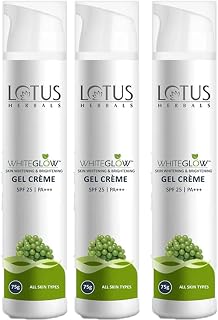


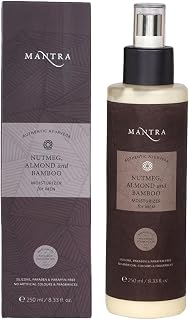


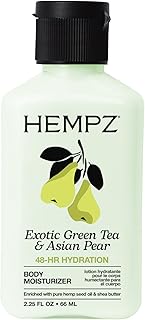
![[PKY] Pyunkang Yul Calming Moisture Repair Balm Instantly Calms Sensitive Skin, Face Moisturizer with Deep and Rich Nourishment, Vegan, Korean Skincare (30ml)](https://m.media-amazon.com/images/I/71XlpTrHzyL._AC_UL320_.jpg)
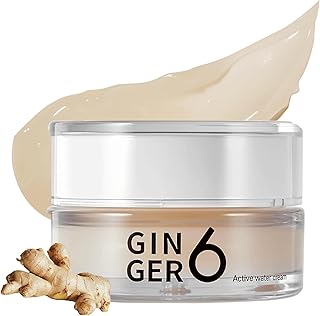


Choosing a moisturizer is not simply about finding the product with the most attractive packaging or the longest ingredient list. The right moisturizer should match your skin type, climate, hydration needs, texture preferences, routine and tolerance for particular ingredients. In India, these factors can vary considerably because hot and humid weather, dry winters, air conditioning, pollution and frequent exposure to sunlight can all influence how the skin feels throughout the year.
A moisturizer can serve several different purposes. Depending on its formulation, it may help reduce water loss from the skin, soften rough areas, support the skin barrier, improve the feel of dryness or provide a comfortable base underneath sunscreen and makeup. Some formulas are deliberately lightweight for oily or combination skin, while others are richer and better suited to dry or dehydrated skin.
For shoppers comparing moisturizer products in India, the most useful approach is to look beyond marketing terminology and evaluate the formulation itself. Ingredient categories, texture, intended skin type, fragrance preferences, packaging, usage instructions and overall suitability should all be considered before buying.
A well-formulated moisturizer generally combines ingredients that help attract water, soften the skin and reduce moisture loss. Different products achieve this balance in different ways, which explains why one moisturizer may feel excellent on dry skin but unnecessarily heavy on oily skin.
The ideal balance depends on your skin. Someone with very oily skin may prefer a gel or light lotion with humectants and lightweight emollients, whereas someone with very dry skin may appreciate a cream containing a stronger combination of emollient and occlusive ingredients.
Gel moisturizers are typically lightweight and spread easily across the skin. They are often appealing to people who dislike a greasy or heavy finish. Gel textures can be particularly convenient in warm weather and may work well for oily or combination skin, although the suitability of any particular formula depends on its complete ingredient profile.
Look for ingredients such as glycerin, hyaluronic acid and other humectants when hydration without a rich finish is the priority. If your skin is genuinely dry, however, a very lightweight gel may not provide enough emollient or occlusive support on its own.
Lotions occupy the middle ground between very lightweight gels and rich creams. They are versatile and can work well for normal, combination or mildly dry skin. A lotion can also be practical when you want hydration that absorbs relatively quickly without leaving a substantial layer on the skin.
Creams generally contain a richer combination of water, emollients and occlusive ingredients. They can be useful for dry skin, especially during colder or drier weather. However, a rich cream is not automatically better than a lotion or gel. Using a formula that is substantially heavier than your skin requires may simply make the routine feel uncomfortable.
Water-based products are often selected for their lightweight sensory profile. They can be particularly attractive for people who want hydration under sunscreen or makeup. Check the ingredient list rather than relying solely on the phrase “water-based,” because the overall performance of a moisturizer depends on the entire formulation.
Facial oils and oil-rich products can provide emollient and occlusive benefits, but they are not necessarily interchangeable with conventional moisturizers. Some people prefer oils as the final step over a water-based moisturizer, while others find them too heavy. If you are prone to clogged pores, introduce richer products cautiously and pay attention to how your skin responds.
Oily skin can still become dehydrated. Excess sebum does not mean the skin has adequate water content or that moisturizing should be skipped. Avoiding moisturizer altogether may make a routine less comfortable, particularly if other skincare products leave the skin feeling dry or tight.
For oily skin, consider lightweight lotions, gels or fluid moisturizers. Ingredients such as glycerin, niacinamide and hyaluronic acid are commonly found in lightweight hydration products. A non-greasy finish can make daily use easier, particularly in India's warmer months.
Dry skin often benefits from a more substantial formulation containing emollients and occlusive ingredients alongside humectants. Creams may be more comfortable than gels, particularly at night or during winter.
Look for formulations containing ingredients such as ceramides, glycerin, squalane, shea butter or petrolatum, depending on your individual preferences and tolerance. Extremely dry areas may require a richer product than the rest of the face.
Combination skin can be challenging because different areas of the face may need different levels of moisturization. A lightweight lotion can be a useful starting point, while a richer moisturizer can be applied selectively to areas that become dry.
There is no requirement to use exactly the same amount of moisturizer everywhere. Applying a thinner layer to oilier areas and a more generous layer to dry areas can make a routine more comfortable.
Normal skin generally allows more flexibility. A lotion, gel-cream or conventional cream may all be appropriate depending on climate and personal preference. The best choice is usually the product you can comfortably use consistently without excessive greasiness, dryness or irritation.
If your skin is easily irritated, a simpler formula may be preferable to a product containing numerous active ingredients, essential oils or strong fragrance. Patch testing can be useful when introducing an unfamiliar skincare product.
Do not assume that “natural,” “herbal” or “organic” automatically means a product is suitable for sensitive skin. Plant extracts and essential oils can also cause irritation or sensitization in some individuals.
Glycerin is a widely used humectant that helps attract water. It is found in products ranging from lightweight lotions to rich creams and is useful across many skin types.
Hyaluronic acid is a humectant commonly included in hydration-focused formulas. It can be found in products designed for both oily and dry skin because its presence does not necessarily determine the final texture of the moisturizer.
Ceramides are lipid components associated with the skin barrier. Moisturizers containing ceramides are frequently considered when the goal is to support dry or compromised-feeling skin.
Niacinamide is a versatile skincare ingredient that appears in many moisturizers. Depending on the concentration and formulation, it may be included to support the skin barrier and improve the overall feel and appearance of skin.
Squalane is an emollient ingredient valued for its smooth sensory profile. It can be incorporated into moisturizers intended for dry, normal or combination skin.
Shea butter provides a richer emollient feel and is commonly found in moisturizers formulated for dry skin. It may be especially useful when a thicker texture is preferred.
Aloe vera is frequently used in lightweight and soothing-feel skincare products. It is particularly common in gels and products designed for a refreshing finish.
Petrolatum is an effective occlusive ingredient used in many established skincare formulations. It can reduce water loss from the skin and may be particularly useful for very dry areas.
There is no universal list of “bad” moisturizer ingredients because suitability depends on concentration, formulation, skin type and individual tolerance. However, shoppers with sensitive or reactive skin may want to pay closer attention to certain ingredients.
Rather than automatically rejecting an ingredient because it appears on a generalized online “avoid” list, consider the complete formulation and your own skin history.
Climate should play an important role in moisturizer selection in India. A product that feels comfortable during a dry winter may feel too rich during a humid summer. Conversely, someone living in a dry or air-conditioned environment may find a lightweight gel insufficient.
In hot and humid conditions, lightweight gel-creams and lotions can be easier to wear during the day. During cooler or drier periods, a cream may become more comfortable. People who spend long periods in air-conditioned rooms may also notice increased tightness even when the outdoor weather is humid.
Seasonal adjustment does not necessarily mean buying multiple products. Sometimes changing the amount applied or using a richer product only at night is enough.
Start by determining whether the product is formulated for dry, oily, combination, normal or sensitive skin. This is not an absolute rule, but it provides a useful starting point.
Texture matters because the best moisturizer is one you will actually use. Gel, gel-cream, lotion and cream textures can feel dramatically different even when they contain similar categories of ingredients.
Look for useful moisturizing categories rather than focusing on a single fashionable ingredient. A product advertised around hyaluronic acid, for example, should still be evaluated according to its broader formula.
Packaging can influence hygiene, convenience and product stability. Pump dispensers and tubes can reduce repeated finger contact with the product, while jars may be less convenient for some users. Packaging preferences are particularly important if the moisturizer will be used several times per day.
A larger package is not automatically better value. Consider how much product you need per application, how frequently you use it and whether you are likely to finish it within its recommended period after opening.
Customer reviews can reveal practical details such as texture, fragrance strength, packaging convenience and whether users found the moisturizer comfortable. However, individual experiences should not be treated as universal evidence of product performance.
When reading reviews on Amazon or other trusted retailers, look for recurring patterns rather than relying on one unusually positive or negative comment. Pay particular attention to reviews from people with a similar skin type and climate.
Indian shoppers have access to products from established skincare brands across multiple price and formulation categories. Brands commonly encountered in moisturizer searches include Cetaphil, CeraVe, Neutrogena, Minimalist, The Derma Co, Re'equil, Plum, Mamaearth, Dot & Key, Bioderma, Aveeno, Simple, NIVEA, Lakme and POND'S.
Brand recognition should be used as a starting point rather than a substitute for ingredient and formulation comparison. Even within the same brand, different moisturizers may target completely different skin types and preferences.
Natural and herbal skincare is particularly popular among Indian consumers, but “natural” describes an ingredient origin or marketing positioning rather than a guarantee of performance or safety. Botanical ingredients can be useful in skincare, but they should be evaluated with the same care as synthetic ingredients.
For a herbal moisturizer, examine the complete ingredient list. Consider whether the product contains fragrance, essential oils, multiple plant extracts, conventional moisturizing agents and preservatives. A botanical product can still contain conventional cosmetic ingredients, and a conventional moisturizer can contain plant-derived ingredients.
If you have sensitive skin, avoid assuming that a herbal label automatically makes a moisturizer gentler. Patch testing remains a sensible precaution when introducing a new product.
Moisturizer performance is generally more dependent on skin characteristics than gender. Men with oily skin may prefer lightweight gel formulas, while men with dry skin may prefer richer creams. The same principle applies to women.
Shaving can temporarily alter how the skin feels, so some people may prefer a simple, fragrance-free moisturizer after shaving. Others may prioritize a product that layers comfortably beneath sunscreen or makeup.
Age alone does not determine which moisturizer should be purchased. Skin type, dryness, sensitivity and the rest of the skincare routine are more useful criteria.
For younger users, a straightforward moisturizer that supports comfortable daily skincare may be sufficient. For mature skin, richer textures and barrier-supporting ingredients may be appealing, particularly when dryness becomes more noticeable.
If a moisturizer is marketed with anti-aging claims, distinguish between basic moisturization and products that contain additional active skincare ingredients. A moisturizer can improve the appearance of dry or dehydrated skin without functioning as a complete anti-aging treatment.
A basic routine does not need to contain numerous products. A practical sequence for many people is cleanser, treatment products when appropriate, moisturizer and sunscreen during the daytime.
At night, sunscreen is generally not necessary, while moisturizer can be used as the final basic skincare step unless another product requires a different order.
Applying some moisturizers to slightly damp skin can make them easier to spread and can help support a comfortable hydrated feel. This is particularly intuitive with humectant-focused products. However, you do not need to keep your face visibly wet before moisturizing.
A practical approach is to cleanse, gently pat away excess water and apply moisturizer while the skin still feels comfortable rather than allowing it to become completely dry and tight.
There is no single amount that works for every moisturizer because texture, concentration and application area differ. Start with a modest amount, distribute it evenly and add more if the skin still feels dry.
Using too little can leave dry skin under-moisturized, while using too much of a rich product may create unnecessary greasiness. The ideal amount is the smallest amount that gives you comfortable coverage without an unpleasant finish.
A product can have thousands of positive reviews and still be unsuitable for your skin type. Reviews are useful for understanding user experience, but formulation suitability should come first.
More richness does not automatically mean more effective moisturization. Oily skin can become uncomfortable under a heavy cream, while very dry skin may find a lightweight gel inadequate.
Some shoppers actively enjoy fragranced skincare, while others prefer fragrance-free formulas. If you already know that fragrance bothers your skin, check the ingredient list rather than relying only on the front of the package.
Price alone does not determine whether a moisturizer is appropriate. A simple, well-formulated product can be a better choice for your needs than a more expensive formula with ingredients you do not require.
Introducing several new skincare products simultaneously makes it difficult to determine which product is responsible if your skin becomes irritated. A more controlled approach is to introduce products gradually.
A moisturizer should complement the cleanser, treatments and sunscreen you already use. If several products have strong actives or potentially irritating ingredients, adding another complex moisturizer may not necessarily improve the routine.
When trying an unfamiliar skincare product, especially if your skin is sensitive, consider testing it on a small area before applying it broadly. Apply a small quantity according to the product's intended use and observe how your skin responds.
Patch testing cannot guarantee that a product will never cause irritation, but it can be a useful precaution. If you develop significant burning, swelling, persistent redness or another concerning reaction, discontinue use and seek appropriate medical advice.
A serum and a moisturizer are not necessarily substitutes. Serums are often formulated around particular active ingredients, whereas moisturizers are primarily designed to improve hydration and reduce water loss.
If your routine includes a hydrating serum, you may still benefit from a moisturizer that helps maintain that hydration. Whether both are necessary depends on your skin and the formulation of the products you are using.
“Moisturizer” is a broad category, while “face cream” generally describes a particular texture. A face cream can be a moisturizer, but moisturizers also include gels, lotions, emulsions and lighter formulations.
For shoppers, the distinction matters less than the actual formula and intended use. Choose according to your skin's needs rather than the terminology used on the front label.
A daytime moisturizer often emphasizes a lightweight texture and easy layering under sunscreen. A night moisturizer may be richer because there is no need to consider sunscreen or makeup layering.
However, you do not necessarily need separate day and night moisturizers. One versatile product can work well for both if its texture and formulation suit your skin.
If you wear foundation or other complexion products, look for a moisturizer that spreads evenly and leaves a finish compatible with your makeup. Very heavy creams can sometimes feel uncomfortable underneath foundation, while a lightweight gel may work better for people who prefer a less dewy base.
Allowing skincare to settle before applying makeup can also make the overall routine more comfortable. If pilling occurs, consider whether you are applying too many layers or using products with textures that do not work well together.
Winter can increase the need for richer moisturization, especially in regions where temperatures and humidity decrease substantially. If your usual summer gel no longer prevents tightness, consider moving toward a lotion or cream.
Rather than immediately replacing your entire routine, you can first increase the amount of moisturizer or apply a richer product only to dry areas and at night.
Warm and humid weather often makes rich creams feel less comfortable. A lightweight gel-cream or lotion can be more appealing when sweating and humidity are concerns.
During monsoon conditions, comfort and layering can become especially important. Choose a product that leaves your skin feeling hydrated without an excessively sticky finish.
A moisturizer and sunscreen serve different primary purposes. A moisturizer is intended to support skin hydration and reduce dryness, while sunscreen is designed to protect against ultraviolet radiation according to its formulation and labeled protection claims.
Some products combine moisturizing ingredients with sunscreen, but shoppers should evaluate whether the product provides the level and application experience they need for sun protection. A moisturizer should not automatically be considered a replacement for dedicated sunscreen simply because it contains some UV-filtering ingredients.
Ingredient lists can appear intimidating, but you do not need to memorize every cosmetic ingredient. Start by identifying the ingredients that are most relevant to your goal.
Skincare packaging often contains phrases such as “deep hydration,” “oil-free,” “non-sticky,” “brightening,” “barrier repair,” “natural,” “dermatologically tested” or “for all skin types.” These claims should be interpreted in the context of the actual formulation.
“For all skin types” does not mean that every individual will have the same experience. “Natural” does not necessarily mean irritation-free. “Hydrating” does not necessarily mean suitable for very dry skin. The ingredient list, texture and intended use remain important.
A useful top-10 shortlist should not simply contain ten products with similar formulas. A better comparison represents different needs so that readers can identify which option is most appropriate for them.
When reviewing products, consider creating categories such as lightweight moisturizer, best option for dry skin, suitable choice for oily skin, barrier-focused moisturizer, sensitive-skin option, budget-conscious choice, everyday moisturizer and richer night-time option. This makes a buying guide more useful than a simple ranking.
Every product should be evaluated against consistent criteria, including skin type, texture, key moisturizing ingredients, fragrance profile, packaging, intended use and practical advantages or limitations.
Ratings can be useful, but a high average score does not automatically identify the best moisturizer for a particular person. A shopper should investigate why people liked or disliked the product.
Look for repeated comments about texture, absorption, fragrance, hydration, packaging and compatibility with different skin types. Also consider whether reviews refer to the same product variant and size. Changes in packaging or product versions can sometimes make older feedback less directly relevant.
When comparing moisturizer prices in India, consider cost per unit rather than the headline package price alone. A larger container may offer more product, but the practical value depends on how much you use and whether the texture works well enough for consistent use.
A less expensive moisturizer that you use comfortably every day can represent better practical value than a premium product that you use only occasionally because it feels too heavy, sticky or irritating.
Because retailer pricing, promotions and package sizes can change, check the current price and exact pack size before purchasing.
Store skincare products according to the manufacturer's instructions. Avoid unnecessary exposure to excessive heat, direct sunlight or moisture unless the packaging specifically indicates otherwise.
Close the container properly after use and avoid introducing unnecessary contamination into the product. If the product changes noticeably in smell, color or texture, check the manufacturer's guidance before continuing to use it.
Do not keep skincare products indefinitely simply because some product remains. Check the expiration information, period-after-opening guidance and storage instructions supplied by the manufacturer.
Changes in odor, color, separation or texture can be reasons to stop and investigate whether the product remains suitable for use. Do not attempt to restore a visibly altered skincare product by adding water, oils or other ingredients.
Localized dry patches may need more targeted moisturization than the rest of the face. Instead of applying a very rich product everywhere, you can consider using your normal moisturizer across the face and a thicker layer on particularly dry areas.
If persistent dryness, scaling, cracking, itching or redness continues despite a suitable skincare routine, consider discussing the issue with a qualified healthcare professional because persistent symptoms can have causes beyond simple cosmetic dryness.
Dehydrated skin and dry skin are not identical concepts. Dehydration refers to insufficient water, while dry skin generally describes a skin type associated with lower oil content. Someone with oily skin can still experience dehydration.
If the skin feels tight despite becoming oily during the day, a lightweight hydrating moisturizer may be more appropriate than simply using harsher products to remove oil.
Some basic moisturizers can be suitable for both face and body, but facial skin can have different preferences and sensitivities. Body creams are often richer, while facial moisturizers may be formulated with a lighter texture or additional cosmetic ingredients.
If a product is specifically labeled for facial use, follow the intended application instructions. If you are considering using a body moisturizer on the face, examine the formulation and consider fragrance, texture and your skin's tendency toward congestion or irritation.
People with acne-prone skin may still need moisturizer, particularly when acne treatments cause dryness or irritation. A lightweight, non-greasy formulation can make a routine easier to tolerate.
Do not assume that every moisturizer labeled “oil-free” will work for every acne-prone user, or that every product containing oils will automatically cause breakouts. Individual response varies, so formulation, texture and personal history matter.
If acne is persistent or severe, moisturizer should be considered part of supportive skincare rather than a replacement for appropriate acne treatment.
The skin barrier helps limit water loss and protects the skin from external environmental factors. Excessive cleansing, harsh skincare products and environmental conditions can contribute to a dry or uncomfortable feeling.
A barrier-focused moisturizer may contain ceramides, fatty components, humectants and occlusive ingredients. The most appropriate formula depends on whether your skin is oily, dry, combination or sensitive.
Daily comfort is an underrated buying criterion. A moisturizer should spread easily, suit your preferred finish and work with the other products in your routine.
When two products appear nearly identical, compare their ingredient lists, texture, packaging and intended skin type. If both contain similar moisturizing ingredients, the practical difference may come down to finish, fragrance, package design and how well each product fits your existing routine.
Consider the climate in which you will use the product and whether it needs to work underneath sunscreen or makeup. These small practical details can be more important than minor differences in marketing claims.
There is no single best moisturizer for everyone. The right choice depends on skin type, climate, texture preference, ingredients, budget and individual tolerance. A lightweight gel may be ideal for one person, while a richer cream may be more appropriate for another.
Oily skin commonly benefits from lightweight gels, gel-creams or lotions that provide hydration without an overly rich finish. Look for a formulation that feels comfortable and fits the rest of your skincare routine.
Dry skin often benefits from richer creams containing a combination of humectants, emollients and occlusive ingredients. Ceramides, glycerin, shea butter, squalane and petrolatum are examples of ingredients commonly found in products designed for dryness.
Yes. Oily skin can still benefit from moisturization. A lightweight moisturizer may help maintain comfort without the heavy feeling associated with richer creams.
When using separate products, moisturizer is generally applied before sunscreen in a daytime routine. Follow the instructions provided with the specific products you use.
A moisturizer is primarily designed to hydrate and support skin comfort. It should not be considered a complete acne treatment. Some moisturizers are formulated specifically for acne-prone skin, but persistent acne may require professional assessment and targeted treatment.
Many people benefit from daily moisturizing, especially if their skin feels dry or tight. The ideal frequency and product type depend on individual skin needs and the rest of the skincare routine.
Neither is universally better. Gel textures are often preferred by oily or combination skin, while creams may be more comfortable for dry skin. Climate and personal texture preference also matter.
Not necessarily. Price should be considered alongside formulation, quantity, texture, ingredients and how well the product fits your needs. A reasonably priced moisturizer can be an excellent choice if it works comfortably for your skin.
Herbal moisturizers can be suitable for many people, but botanical ingredients are not automatically free from irritation or allergy concerns. Review the complete ingredient list and patch test unfamiliar products if appropriate.
Hyaluronic acid can be a useful humectant, but its presence alone does not determine whether a moisturizer is right for you. Evaluate the entire formula, texture and intended skin type.
Ceramides are commonly included in moisturizers designed to support the skin barrier and can be useful in routines focused on dryness and barrier support.
Yes. Nighttime is a common opportunity to use moisturizer, and some people prefer a richer formula at night because there is no need to layer it underneath daytime makeup or sunscreen.
There is no need to change a moisturizer simply because a new product appears on the market. If your current moisturizer remains comfortable, suitable and within its recommended use period, consistency can be more useful than constant product switching.
A moisturizer may be too heavy if it consistently leaves an uncomfortable greasy film, interferes with other products or feels unnecessarily occlusive for your skin type and climate. Consider switching to a lighter texture or reducing the amount applied.
If your skin repeatedly feels tight, rough or dry shortly after application, the formula may not provide enough hydration or occlusive support for your needs. A richer product or a more suitable combination of moisturizing ingredients may be worth considering.
The best moisturizer is ultimately the one that matches your skin's needs and fits naturally into your everyday routine. For Indian consumers, climate and seasonal changes make texture especially important, while ingredient selection can help determine whether a formula provides basic hydration, richer moisturization or additional barrier-focused support.
Instead of choosing solely by popularity, price or a single marketing claim, compare the complete formulation, intended skin type, texture, fragrance, packaging and customer feedback. Brands such as Cetaphil, CeraVe, Neutrogena, Minimalist, The Derma Co, Re'equil, Plum, Bioderma, Aveeno and other established skincare brands offer different approaches, so the most suitable option depends on your individual requirements.
Before making a purchase, verify the exact product variant, current specifications, package size and current retailer information. A careful comparison can help you avoid buying a moisturizer that looks impressive on paper but does not suit your skin, climate or daily routine.