
♥ Wishlist
Compare 60 verified Buy Sunscreen Online in India products in India. Reviews, ratings, pros, cons and buying advice updated for September 2026.


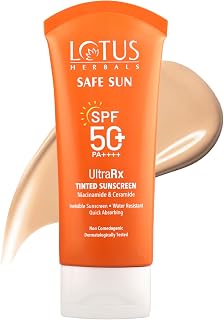


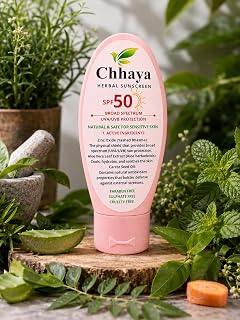


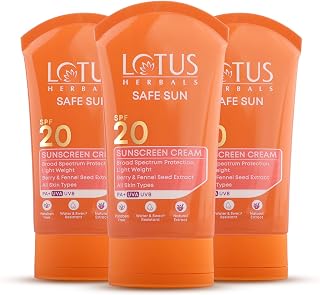
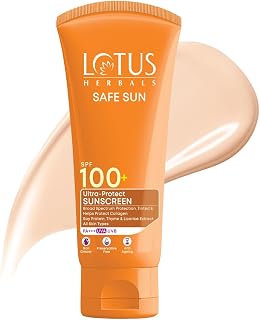


Choosing sunscreen is less about finding the most expensive bottle and more about matching the formulation to your skin type, daily exposure, climate and application habits. A sunscreen can have an impressive SPF number and still be a poor personal choice if it feels uncomfortable, pills under skincare, leaves an obvious cast, irritates the eyes or is difficult to reapply.
For shoppers in India, the decision can be more complicated because sunscreen is used across very different environments. Hot and humid coastal weather, dry northern conditions, high-altitude travel, strong outdoor exposure and heavily air-conditioned indoor environments can all influence which texture and finish feel practical. Your ideal product should therefore provide appropriate UV protection while being comfortable enough to use consistently.
SPF primarily describes protection against UVB radiation, which is strongly associated with sunburn. UVA radiation penetrates deeper into the skin and contributes to photoaging and pigmentation. A useful sunscreen choice should therefore not be judged by SPF alone.
When comparing products, look for clear information about both UVB and UVA protection. In the Indian market, PA ratings are commonly used as an indicator of UVA protection. Higher PA ratings generally indicate stronger UVA protection within the PA classification system, although the exact testing methodology and product claims should always be checked on the packaging.
A very high SPF should not be interpreted as permission to apply less product or stay outside indefinitely. Application quantity, coverage and reapplication remain important parts of practical sun protection.
The traditional distinction between mineral and chemical sunscreen can be useful when comparing formulas, but it is not a simple “good versus bad” choice. Modern sunscreen products can use different combinations of UV filters, and the overall formulation, tested protection, cosmetic elegance and individual tolerance are often more important than the category label alone.
Mineral formulas commonly use filters such as zinc oxide and/or titanium dioxide. They can be appealing to shoppers who prefer mineral-based formulations or who find certain organic-filter formulas uncomfortable.
Organic UV filters absorb UV radiation and are used extensively in modern sunscreen formulations. Many lightweight sunscreens designed for everyday facial use use combinations of organic filters to achieve high protection with a cosmetically elegant finish.
Hybrid formulas combine mineral and organic UV filters. They can provide a middle ground between the characteristics associated with each filter category.
Instead of choosing solely from the words “mineral,” “chemical” or “hybrid,” compare the complete ingredient list, stated protection, texture, finish, intended use and your own skin tolerance.
The best sunscreen is usually the one you can apply generously and repeatedly without avoiding it because of texture. This makes cosmetic elegance a genuine buying consideration rather than a superficial preference.
Gel textures can be attractive for oily or combination skin, particularly in hot and humid conditions. They may feel lighter and less greasy than rich creams, although the actual finish depends on the formulation.
Fluids are often designed to spread easily and can work well for people who dislike heavy facial products. They can be particularly useful under makeup when the formulation sets cleanly.
Cream formulas can be useful for normal, dry or dehydrated skin. A richer base may also feel more comfortable during dry weather or when the skin barrier needs a less matte finish.
Matte products are commonly considered by people with oily skin or those who dislike shine. However, an extremely matte finish can feel drying on some skin types, so the balance between oil control and comfort is important.
Tinted sunscreens can offer cosmetic benefits by reducing the visible appearance of a white cast. They may be especially worth considering for people who find conventional mineral formulas difficult to wear.
White cast is an important consideration for Indian consumers because a sunscreen that looks acceptable on one complexion may appear noticeably pale, grey or ashy on another. This is particularly relevant when a product uses mineral filters or has a very opaque base.
When evaluating a sunscreen, consider the finish rather than relying only on marketing photographs. A formula may initially look invisible but become more noticeable after it dries. If possible, compare real-world customer photographs and reviews from people with similar skin tones, while remembering that individual application amounts and lighting can affect appearance.
Tinted products can provide another option. However, tint matching also matters. A sunscreen that is too light, too orange or otherwise mismatched may be less cosmetically useful even if its UV protection is appropriate.
The ingredient list can reveal more about a sunscreen than a short marketing description. Look for a clearly disclosed UV filter system and evaluate supporting ingredients according to your skin type and preferences.
Ingredient preferences should not replace evaluation of the sunscreen's actual UV protection. A product can contain attractive skincare ingredients but still be unsuitable if its protection, application or cosmetic characteristics do not meet your needs.
Sensitive skin requires a more individual approach. Fragrance, essential oils, alcohol-containing formulations and particular preservatives or botanical extracts can be problematic for some people, while other users tolerate them without difficulty.
If your skin is easily irritated, compare ingredient lists carefully and consider introducing a new sunscreen when your skin is otherwise stable. A small-area test can help identify obvious irritation, although it cannot guarantee that a product will never cause a reaction after repeated use.
People with persistent dermatitis, significant allergic reactions or diagnosed skin conditions should consider professional dermatological advice rather than relying solely on online product comparisons.
For oily skin, look for a sunscreen with a lightweight texture and finish that does not feel excessively occlusive. Gel, fluid and lightweight lotion formats can be easier to incorporate into a routine than very rich creams.
People prone to clogged pores may also prefer products marketed as non-comedogenic, but this label should not be treated as an absolute guarantee. Individual skin responses vary, and the complete formula matters.
Dry skin often benefits from a sunscreen with a more moisturizing base. Look for formulas that feel comfortable without making the skin tight or flaky after application.
Ingredients such as glycerin, emollients and other moisturizing components can make a sunscreen more pleasant for dry skin. However, a separate moisturizer may still be useful depending on the climate and the rest of your routine.
Combination skin often requires a compromise between hydration and shine control. A lightweight lotion or fluid can work well when you want sufficient comfort on dry areas without making the T-zone excessively greasy.
Another practical approach is to adjust the moisturizer underneath the sunscreen rather than buying an extremely matte sunscreen. This can help preserve comfortable hydration while keeping the final finish manageable.
Someone who spends several hours outdoors needs a different buying strategy from someone who mainly uses sunscreen during short daily commutes. Outdoor users should prioritize reliable broad-spectrum protection, comfortable application over a large area and practical reapplication.
One of the most common sunscreen mistakes is applying too little. The protection stated on a sunscreen's packaging is based on standardized testing conditions and a specified amount of product. Applying substantially less can reduce the protection you actually receive.
For the face, consumers often use practical measuring methods such as the finger-length approach, but the correct amount can vary with the size of the application area and the product itself. The important principle is adequate, even coverage rather than an extremely thin cosmetic layer.
Do not forget commonly exposed areas such as the ears, hairline, neck and the backs of the hands when those areas are uncovered.
Sunscreen should generally be applied as the final step of your daytime skincare routine before makeup, unless the product directions specify otherwise. Give the product sufficient time to form an even layer before significant sun exposure when practical.
Applying sunscreen only after reaching direct sunlight is not an ideal strategy. Make it part of the morning routine so that it is less likely to be forgotten.
Reapplication depends on exposure, sweating, swimming, wiping the face and other factors. Extended outdoor activity generally requires more frequent attention than ordinary indoor routines.
If you wear makeup, sunscreen compatibility becomes particularly important. Look for a formula that spreads evenly, settles without excessive greasiness and does not pill when foundation or concealer is applied over it.
Allowing each skincare layer to settle before applying the next can reduce rolling or pilling. However, if a particular combination consistently pills, changing the products or reducing unnecessary layers may be more effective than trying to rub the sunscreen into the skin repeatedly.
Yes. White cast is more commonly noticeable with some mineral formulations, particularly when they contain a substantial amount of opaque mineral filters. It can also become more apparent when too much product is applied all at once rather than distributed evenly.
However, using less sunscreen simply to eliminate white cast is not the right solution. Instead, consider a formulation designed to minimize visible residue, a tinted sunscreen or a different filter system that provides the required protection with a more suitable finish.
A structured comparison is more useful than selecting the first product with the highest rating or most attractive packaging.
Indian shoppers will encounter a wide range of sunscreen brands across pharmacies, beauty retailers and major online marketplaces. Brands such as Minimalist, Re'equil, Fixderma, La Shield, Acne-UV, Dot & Key, Aqualogica, Conscious Chemist, The Derma Co and Bioderma are examples of names consumers may encounter when researching facial sunscreens.
Brand familiarity should not automatically determine your purchase. Even within the same brand, different sunscreens can have substantially different textures, UV filters, finishes and intended users. Compare the individual product rather than assuming every sunscreen from a familiar brand will suit your skin.
Customer reviews can provide useful information about texture, pilling, white cast, fragrance, packaging and how a product behaves under makeup. They should not, however, be treated as a substitute for standardized UV-protection testing.
When reading reviews, look for repeated patterns rather than one enthusiastic or negative comment. Useful review details include skin type, climate, whether the person wears makeup, outdoor exposure and how long they have used the product.
A high SPF is not the only factor that matters. UVA coverage, formulation quality, application amount and consistency all affect practical sun protection.
Thickness does not automatically mean better UV protection. A comfortable, appropriately tested sunscreen that you apply correctly is more useful than an unpleasant product you routinely avoid.
Reducing the amount substantially to improve the finish can undermine the purpose of using sunscreen. Instead, select a formula that feels comfortable at the appropriate application amount.
Facial sunscreen should not create a sharp boundary between protected and unprotected skin. Extend application to exposed adjacent areas.
No sunscreen should be treated as permanently waterproof. Swimming, sweating, towel drying and friction can affect the protective layer.
Influencer content can help you discover products, but it may not reveal the full formulation, testing information or suitability for your skin. Use independent product information and ingredient details to make the final comparison.
Climate is a practical factor that is often overlooked. In humid regions, heavy creams may feel uncomfortable and encourage people to apply less. In dry climates, an ultra-matte gel may leave some users feeling tight or uncomfortable.
During India's hotter months, lightweight textures can be particularly attractive for everyday facial use. During cooler or drier periods, a more moisturizing sunscreen may become easier to tolerate. People who travel between regions may benefit from having more than one texture rather than forcing a single formula to work in every environment.
Monsoon conditions can create a combination of humidity, sweat and frequent outdoor exposure. A sunscreen that feels comfortable under humid conditions may be easier to apply generously and reapply when needed.
Water-resistant characteristics can be useful for particular outdoor situations, but they should not be interpreted as eliminating the need for reapplication. If you sweat heavily, also consider whether the product remains comfortable without running into the eyes.
In dry conditions, the sunscreen's moisturizing properties become more important. If your skin becomes flaky, a hydrating moisturizer underneath sunscreen may improve comfort and application.
Do not assume that lower temperatures eliminate UV exposure. Sun protection remains relevant during cooler weather, especially when spending time outdoors or at higher elevations.
Online shopping makes it easy to compare products, but it also makes careful verification important. Before placing an order, compare the exact product name, size, formulation details and seller information.
Sunscreen should be stored according to the manufacturer's instructions. Excessive heat and inappropriate storage can affect cosmetic products, so leaving sunscreen in a hot car or exposed to prolonged high temperatures is not a good practice.
Keep the cap or pump clean and closed when not in use. Avoid introducing water or contaminants into open containers. Always check the product's expiry information and discard products that appear significantly changed in smell, color or texture.
Face and body sunscreens can provide UV protection, but they may be formulated differently because facial products are often designed around cosmetic elegance, lower eye irritation and compatibility with makeup.
A body sunscreen may be perfectly practical for exposed arms, legs and other large areas, while a dedicated facial sunscreen may be more comfortable for everyday face use. The best choice depends on how the formula performs on the specific area.
Products that combine skincare and sun protection can be convenient, but the protection depends on applying enough product to achieve the stated performance. Many people apply moisturizer in a much thinner layer than the amount used in sunscreen testing.
For significant sun exposure, a dedicated sunscreen with clearly stated UV protection can make it easier to think about sunscreen as a deliberate protective step rather than simply relying on a small amount of a multifunctional moisturizer.
Generally, makeup should not be treated as the sole sunscreen layer unless you are applying enough of the SPF-containing cosmetic to achieve its tested protection, which may be considerably more product than people normally use for makeup.
A practical routine is to apply sunscreen as the dedicated protection step and use SPF-containing makeup as an additional layer rather than reducing the amount of sunscreen.
Daily sunscreen use is a practical part of a broader sun-protection routine for people who regularly experience daylight and UV exposure. Consistency matters because occasional application cannot provide the same practical protection as a routine that is followed when exposure occurs.
For people who spend much of the day indoors, the appropriate routine can depend on how much direct daylight reaches the skin, whether they spend time outdoors and their individual circumstances. Outdoor exposure, travel and recreational activities generally increase the importance of reliable sunscreen use.
A shorter routine is often better than an elaborate routine that makes sunscreen difficult to apply consistently. If several layers repeatedly pill, simplify the products underneath the sunscreen.
When two products have comparable stated protection, use secondary factors to make the decision. Consider which one has the better texture for your skin, which finish you prefer, whether either leaves a cast, how well they layer with your existing skincare and how easy each is to reapply.
If one product is slightly more expensive but you consistently use the correct amount because it feels better, the practical value may be greater than a cheaper sunscreen that you avoid because of greasiness or irritation.
The lowest purchase price does not necessarily represent the best value. Sunscreen is a product where usage quantity matters, so a smaller inexpensive tube can become less economical if you need to repurchase it frequently.
When comparing products, consider package size, recommended usage, how often you expect to apply it and whether the sunscreen is practical for your face, neck and other exposed areas. Promotional prices can also change, so compare the current price rather than relying on an old price comparison.
A premium sunscreen may offer advantages in texture, finish, packaging, filter selection or formulation characteristics, but higher price alone does not establish superior protection.
Pay for features that solve a real problem for you. For example, a lightweight, non-greasy sunscreen may be worth the additional cost if heavy formulas cause you to skip applications. Similarly, a tinted formula may provide better cosmetic acceptance for someone who dislikes visible residue.
A budget-friendly sunscreen can be a sensible choice when it provides appropriate stated protection and a texture you can use consistently. There is no requirement for sunscreen to be expensive to be useful.
Instead of equating price with quality, compare the product's protection claims, ingredients, formulation, application experience, package size and retailer reliability.
A strong everyday candidate balances protection, comfort and consistency. It should provide the stated UV protection, suit your skin type, spread evenly, fit your climate and be practical enough to use in the quantity required.
For many shoppers, the ideal sunscreen is not necessarily the one with the most elaborate ingredient list. It is the one that meets the necessary protection criteria while creating the fewest barriers to consistent use.
There is no single sunscreen that is objectively best for every person. The right choice depends on skin type, climate, outdoor exposure, preferred finish, sensitivity and budget. Compare individual products rather than selecting solely by brand reputation.
Both can provide meaningful protection when correctly formulated and applied, but people with substantial outdoor exposure may prefer a higher-SPF product as part of a broader sun-protection strategy. The SPF number should not replace attention to application quantity, UVA protection and reapplication.
Sunscreens formulated and marketed for daily use are commonly used as part of everyday sun protection. Follow the product's directions and discontinue use if a particular formulation causes significant irritation.
Within the PA classification system, PA++++ represents a higher UVA protection category than PA+++. When comparing otherwise suitable products, the higher classification may be attractive, but the complete formulation and practical usability still matter.
Oily skin often benefits from lightweight gel, fluid or soft-matte formulas. Look for a finish that controls shine without making your skin uncomfortable or encouraging you to apply too little.
Dry skin generally benefits from a more moisturizing sunscreen texture. Cream or hydrating lotion formats may be more comfortable than extremely matte products.
Some sunscreen formulas may not suit acne-prone skin and can contribute to congestion or irritation in certain individuals. If breakouts repeatedly occur after starting a product, consider changing to a lighter formulation and review the full ingredient list.
The need depends on your environment and daylight exposure. People who receive substantial daylight through windows or regularly go outdoors may benefit from keeping sunscreen as part of their daytime routine. Indoor conditions vary considerably.
Yes. Sunscreen products have expiry information and should be used according to the manufacturer's instructions. Do not rely on an expired product for expected UV protection.
Yes, sunscreen is commonly applied after moisturizer in a daytime skincare routine. If layering causes pilling, allow the moisturizer to settle or simplify the products underneath.
If your neck is exposed, it is sensible to include it in your sun-protection routine. The same applies to the ears, hairline and other uncovered areas that receive sunlight.
Melanin provides some natural protection against UV radiation, but it does not eliminate the effects of UV exposure. Sunscreen and other sun-protection measures can still be useful for people with darker skin tones, particularly for prolonged outdoor exposure and concerns related to photoaging or pigmentation.
No. The terms “natural” and “herbal” do not by themselves establish sunscreen effectiveness. A product should be evaluated according to its demonstrated UV protection, formulation, ingredients, tolerability and appropriate use. Botanical ingredients can also cause irritation or allergy in some people.
Skincare ingredients can make a sunscreen more appealing, particularly when they improve hydration or cosmetic feel. However, they should be considered secondary to adequate UV protection and tolerability.
The best sunscreen purchase is the one that combines appropriate UV protection with real-world usability. Start with the protection information, then narrow the choices according to skin type, climate, finish, ingredient preferences, white-cast tolerance, water exposure and budget.
For Indian consumers, it is particularly useful to think beyond the SPF number. Heat, humidity, sweating, pigmentation concerns, different skin tones and frequent outdoor travel can all influence the best formulation for an individual.
Before buying, compare the current product specifications, ingredient list, package size, recent customer feedback and current retailer information. Trusted names such as Minimalist, Re'equil, Fixderma, La Shield, Acne-UV, Dot & Key, Aqualogica, Conscious Chemist, The Derma Co and Bioderma can be included in your research, but the final decision should be based on the specific sunscreen rather than the brand name alone.
Most importantly, choose a sunscreen you can apply adequately and consistently. A comfortable product that fits your routine is often more useful than a theoretically ideal formula that you rarely want to wear.