

♥ Wishlist
Compare 50 verified Hair Mask products in India. Reviews, ratings, pros, cons and buying advice updated for September 2026.


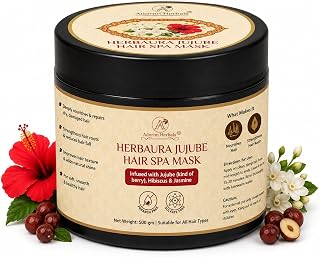


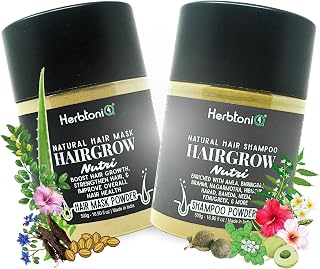


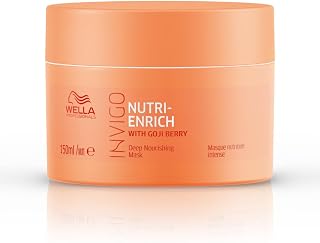


Choosing a hair mask is easier when you match the formula to your hair's actual condition rather than selecting a product simply because it has a high rating or a popular name. Hair masks can be designed for moisture, softness, damage care, frizz control, scalp comfort, strengthening, or a combination of these goals. The right choice depends on hair texture, porosity, chemical treatment, heat exposure, scalp type, and how frequently you wash your hair.
For shoppers in India, climate is another important consideration. Humidity can make already-frizzy hair feel rough or difficult to manage, while frequent sun exposure, dust, hard water in some areas, and regular heat styling can affect how hair looks and feels. A rich mask may be useful for dry, coarse hair but unnecessarily heavy for fine hair that becomes flat or greasy quickly.
A hair mask is generally a more intensive conditioning treatment than an everyday conditioner. Depending on its formulation, it can help improve the feel, manageability, smoothness and appearance of the hair shaft. Most cosmetic hair masks work primarily on the hair fibre rather than permanently changing the biological process responsible for hair growth.
Ingredients commonly found in hair masks include plant oils, butters, fatty alcohols, conditioning agents, proteins, humectants, botanical extracts and silicones. Each category has a different role. Oils and butters can contribute to softness and lubrication, conditioning ingredients can improve detangling, humectants help attract or retain moisture, and certain proteins can temporarily improve the feel of damaged or porous hair.
Hair conditioner is usually intended for regular use after shampooing, whereas a mask is commonly formulated as a more intensive treatment. However, the distinction is not absolute. Some modern masks are lightweight enough for frequent use, while some conditioners are highly nourishing.
Dry hair generally benefits from formulas focused on conditioning and lubrication. Look for products containing ingredients such as shea butter, coconut-derived ingredients, argan oil, avocado oil, jojoba oil or other emollient ingredients when they suit your hair.
A rich formula can be particularly useful for thick, coarse or highly textured hair. Fine hair, however, may need a lighter mask to avoid a weighed-down appearance.
Frizz is influenced by humidity, hair damage, surface roughness and natural hair texture. A good conditioning mask can make the hair surface feel smoother and easier to manage. Ingredients that provide lubrication and conditioning can be useful when frizz is primarily associated with dryness and roughness.
In humid Indian climates, selecting a mask solely because it contains natural oils is not always enough. The complete formulation matters. A balanced conditioning formula may perform better for manageability than a product built around a single hero ingredient.
Repeated bleaching, colouring, straightening, perming and heat styling can alter the hair fibre. A mask may improve the cosmetic feel of damaged hair, particularly by making it smoother and easier to detangle.
Look for formulas containing conditioning agents and, where appropriate, hydrolyzed proteins or amino-acid-related ingredients. Protein-rich products are not automatically better for every person, so alternating between strengthening-oriented and moisture-oriented treatments can be more practical than continuously using one type.
Curly and wavy hair often benefits from conditioning because the natural shape of the fibre can make distribution of scalp oils along the length less uniform. Rich masks can help reduce roughness and improve slip during detangling.
People with fine waves should be careful with very heavy formulas. A lightweight mask used mainly on the mid-lengths and ends can provide conditioning without unnecessarily reducing volume.
Fine hair can become weighed down easily. Instead of choosing the richest product available, look for a lightweight conditioning formula and apply a small quantity to the lengths and ends. Avoid treating the scalp with a heavy mask unless the product specifically indicates that it is designed for scalp use.
It is also important to distinguish between hair that is naturally fine and hair that is becoming visibly thinner. A cosmetic hair mask can improve the condition and appearance of existing hair but should not be treated as a substitute for professional assessment of persistent hair loss.
Natural and herbal positioning is popular in India, but the word “natural” alone does not tell you whether a product is suitable for your hair. A plant-based ingredient can be useful, neutral or unsuitable depending on concentration, formulation and individual tolerance.
Common botanical ingredients include aloe vera, amla, hibiscus, bhringraj, fenugreek, neem, coconut, argan and various plant oils. Traditional ingredients can be interesting additions to a hair-care routine, but shoppers should still evaluate the complete ingredient list, intended use and product directions.
Brands such as Mamaearth, Biotique, Khadi Natural, WOW Skin Science, Forest Essentials, Plum and The Moms Co. offer products positioned around natural, botanical or ingredient-focused hair care. Availability and individual formulations can change, so compare the current ingredient list and product instructions before buying.
Aloe vera is commonly used in cosmetic hair products for its conditioning and soothing-oriented formulation profile. It is often found in lighter formulas and can be appealing to shoppers who prefer a less heavy texture.
Coconut oil is widely used in Indian hair care and can provide lubrication and softness. It may be particularly appealing for dry or coarse hair. However, individual hair types respond differently to oils, and excessive application can leave some hair looking heavy.
Argan oil is frequently used in smoothing and conditioning products. It can be useful when the primary goal is improved softness and manageability rather than scalp treatment.
Shea butter is a rich emollient ingredient that can be valuable in masks designed for dry, coarse or textured hair. Fine hair may require smaller amounts or less frequent use.
Protein-containing hair products are commonly marketed toward damaged hair. Hydrolyzed proteins can temporarily improve the feel and manageability of hair by interacting with the hair surface. They should not be confused with salon chemical straightening treatments.
Humectant ingredients are used in many cosmetic formulations to support hydration-related properties. Their usefulness depends on the entire formula and environmental conditions, including humidity.
Instead of judging a product by its front-label claims, examine the ingredient list and product directions. Ingredients are generally listed in descending order of predominance for the main portion of the formula, subject to applicable cosmetic labelling conventions.
Using more product does not necessarily produce better results. Start with the amount recommended by the manufacturer and adjust according to hair length, density and texture.
There is no universal frequency that works for everyone. A person with dry, coarse or heavily processed hair may prefer more frequent conditioning treatments, while someone with fine, oily or easily weighed-down hair may need them less often.
Hair porosity describes how readily the hair fibre allows substances such as water to enter and leave. It is influenced by the structure and condition of the cuticle. Highly processed hair can behave differently from untreated hair.
Porosity can be useful as a practical framework, but popular internet “float tests” should not be treated as a definitive scientific diagnosis of hair condition. Pay more attention to how your hair behaves after washing, conditioning and styling.
One of the most useful distinctions when comparing masks is whether a formula emphasizes conditioning and moisture or protein-based strengthening. Neither category is universally superior.
Moisturizing and conditioning formulas are often useful when hair feels dry, rough or inflexible. Protein-containing formulas may be useful when chemically or physically damaged hair feels weak and lacks structure. If a protein-heavy routine makes the hair feel stiff or rough, reducing frequency and using a more conditioning product may be appropriate.
Straight hair can distribute natural scalp oils more easily along the length, but it can still become dry from colouring, heat or environmental exposure. Lightweight masks are often practical for fine straight hair, while thicker straight hair may tolerate richer formulas.
Wavy hair often benefits from enough conditioning to reduce frizz without eliminating natural movement. Apply a moderate amount to the lengths and avoid unnecessarily coating the roots.
Curly hair generally benefits from adequate slip and conditioning because detangling can create friction. A richer mask may work well for dense curls, while lightweight formulas may be better for fine curls.
Very textured hair may require substantial conditioning for comfortable detangling and manageability. Products containing richer emollients and conditioning agents can be worth considering, particularly for dry lengths and ends.
Hair-mask selection does not need to be divided strictly by gender. Hair texture, density, chemical processing, styling habits and scalp condition are more useful selection criteria. A person with short, coarse hair may prefer a different formula from someone with long, fine hair regardless of gender.
Colour-treated and chemically processed hair can be more vulnerable to dryness and mechanical damage. A conditioning mask can help improve softness and manageability, but it cannot reverse every structural change caused by chemical processing.
When shopping for coloured hair, consider whether the manufacturer specifically states that the product is suitable for colour-treated hair. Avoid assuming that every herbal or oil-based mask is automatically colour-safe.
Frequent use of straighteners, curling irons and high-temperature blow-drying can contribute to dryness and surface damage. A hair mask can improve the cosmetic feel of the hair, but prevention is equally important.
Many hair masks are intended primarily for the hair lengths and ends rather than the scalp. Applying a rich conditioner to an oily scalp can make the hair look greasy or increase the need for washing.
If a product specifically states that it can be used on the scalp, follow the manufacturer's directions. Otherwise, keeping a rich mask away from the roots is a sensible starting point.
Ratings can be useful for identifying popular products, but they do not tell you whether a particular formula suits your hair. Always compare the ingredients, intended hair type, application instructions and recent customer feedback.
Price alone is not a reliable indicator of suitability. A moderately priced formula can be a better choice if its ingredients, texture and intended use match your needs.
Extra richness is not always an advantage. Fine or low-density hair can quickly become weighed down by heavy masks.
Most intensive conditioning products are intended for the lengths. Always check the packaging before applying a product to the scalp.
Cosmetic hair masks can improve the feel and appearance of existing hair, but persistent shedding, visible thinning, bald patches or sudden changes in hair density require a different approach. A mask should not be presented as a guaranteed treatment for medical causes of hair loss.
When comparing several products, create a simple shortlist based on the factors that matter most to your hair.
Customer reviews are most useful when you look for patterns rather than focusing on a single enthusiastic or negative comment. Pay attention to reviewers who describe their hair type, texture, treatment history and how they used the product.
The ideal quantity depends on hair length, density and texture. Long, thick or highly textured hair may need more product than short, fine hair. Start with a moderate quantity and distribute it evenly rather than applying a large amount in one place.
Concentrating product on the driest areas, especially the mid-lengths and ends, can be more efficient than coating the entire head. If the hair feels coated after rinsing, reduce the amount during the next application.
Mixing different cosmetic products is generally unnecessary unless the manufacturer specifically recommends it. Combining formulas can change their texture and performance and makes it harder to identify which ingredient caused irritation or an unwanted result.
A better approach is to use different masks on separate wash days when your hair has multiple needs. For example, a conditioning mask may be useful during one wash while a protein-oriented treatment may be used less frequently if your hair responds well to it.
Daily use is not necessary for most intensive hair masks. Over-conditioning can leave some hair feeling heavy or coated. Follow the product's directions and adjust frequency according to your hair's response.
Traditional home remedies such as coconut oil, aloe vera and other kitchen-based ingredients are common in Indian hair-care routines. Commercial masks have the advantage of being formulated with a controlled combination of ingredients, texture, preservatives and usage instructions.
DIY does not automatically mean safer or more effective. Ingredients used directly from the kitchen may vary in composition and may not have the same stability or preservation system as a properly formulated cosmetic product.
Hair products can contain fragrance, preservatives, botanical extracts and other ingredients that may not suit everyone. If you have a history of cosmetic sensitivity, review the ingredient list carefully and follow the manufacturer's instructions.
Stop using a product if it causes significant irritation, burning, swelling or another unexpected reaction. Products intended only for hair lengths should not be treated as scalp treatments unless the packaging explicitly supports that use.
Indian shoppers will find hair masks from a wide range of established beauty and personal-care brands. Depending on the current formulation and product range, names worth researching can include L'Oréal Paris, Dove, Tresemmé, Mamaearth, Biotique, Khadi Natural, WOW Skin Science, Plum, Forest Essentials, The Moms Co., Garnier and Matrix.
Brand reputation should be only one part of the decision. Compare the specific product, current ingredient list, intended hair type, directions, pack size and customer feedback rather than assuming that every product from a familiar brand will suit your hair.
India's climate varies substantially between regions. Humid coastal areas, dry inland regions, colder northern winters and monsoon conditions can all influence how hair feels and behaves.
In humid conditions, very rich products may sometimes make hair feel heavy, while insufficient conditioning can increase the appearance of frizz. In dry weather, a richer conditioning treatment may feel more comfortable for coarse or dry hair. Seasonal adjustment can therefore be more useful than using exactly the same mask throughout the year.
Water quality can affect how hair feels after washing. In areas with hard water, mineral deposits may contribute to a coated or rough sensation over time. If your hair consistently feels dull or difficult to rinse despite using a suitable conditioner, the issue may not be solved simply by purchasing a richer mask.
A clarifying or chelating product designed for this purpose may be worth researching if compatible with your routine. Follow product directions carefully, especially if your hair is chemically treated.
A hair mask is primarily a cosmetic conditioning product. It may not address an underlying scalp disorder, sudden shedding, persistent dandruff, unexplained itching or significant changes in hair density.
If you notice persistent or concerning scalp or hair changes, consider seeking advice from a qualified dermatologist or other appropriate healthcare professional instead of repeatedly changing cosmetic products.
There is no single best hair mask for everyone. The right choice depends on whether your hair needs moisture, conditioning, frizz control, strengthening or damage care. Compare the current formula, hair-type suitability, customer feedback, usage directions and value before buying.
Follow the product directions and adjust according to your hair's response. Fine hair may need less frequent use, while dry, coarse or heavily processed hair may benefit from more regular conditioning.
Not unless the product is specifically designed or recommended for scalp application. Many hair masks are intended for the mid-lengths and ends.
A conditioning mask can make hair feel smoother and more manageable, which may reduce the appearance of frizz. Results depend on hair texture, humidity, damage level and the specific formulation.
Hair masks can improve the cosmetic feel and appearance of damaged hair, but they cannot permanently restore every structural change to the hair fibre. Prevention and appropriate trimming remain important for severely damaged ends.
Not necessarily. Herbal ingredients can be useful, but the complete formulation matters more than the marketing category. Compare ingredients, intended use and your individual hair needs.
It depends on the products and your routine. Heavy oiling followed by a rich mask can be excessive for some hair types. If you combine both steps, use moderate quantities and observe whether the hair becomes difficult to rinse or feels coated.
Usually, it is not necessary unless the product instructions recommend it. A hair mask is itself a conditioning treatment, so adding another rich layer may be unnecessary.
Yes, but choose carefully. Lightweight formulas and application limited to the lengths may work better than rich masks applied near oily roots.
Price should not be the primary selection criterion. Compare the formulation, amount of product, intended use, hair compatibility and customer feedback to determine whether the additional cost is justified for your needs.
Use the time stated on the product packaging. Leaving a product on substantially longer than recommended does not guarantee better results.
Many masks can be compatible with coloured hair, but check the specific product directions and claims. Do not assume that every mask is formulated for colour-treated hair.
The best hair mask is the one that solves your specific hair-care problem without creating a new one. Start with your hair texture and condition, identify the primary concern, then compare formulas rather than relying on packaging claims alone.
For dry or coarse hair, richer conditioning ingredients may be useful. For fine hair, lightweight formulas can be easier to manage. For chemically treated hair, look for products designed around conditioning and damage care. For curly and textured hair, prioritize slip, manageability and adequate conditioning. For oily roots, concentrate intensive products on the lengths and ends.
Before purchasing in India, check the current product listing, complete ingredient information, pack size, directions, seller details and recent verified customer feedback. Product formulations, packaging and availability can change, so the information shown at the time of purchase should always take precedence over older descriptions.