

♥ Wishlist
Compare 51 verified Herbal Handwash for Gentle Everyday Hand Cleansing products in India. Reviews, ratings, pros, cons and buying advice updated for September 2026.









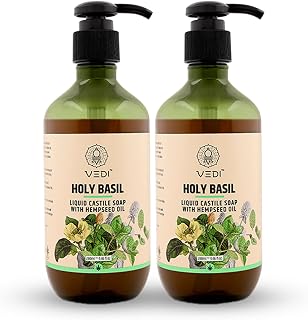


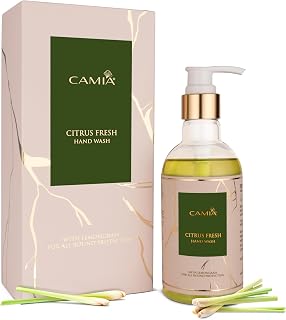


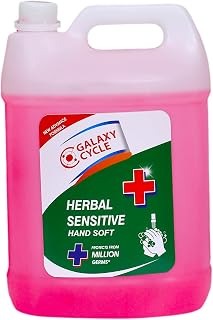

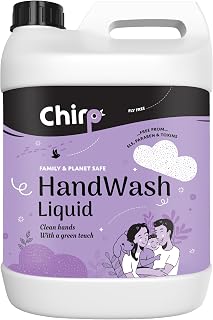


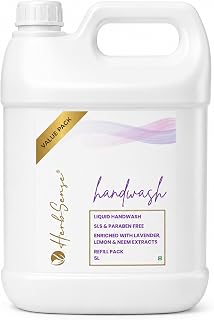

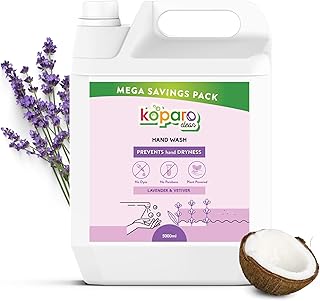


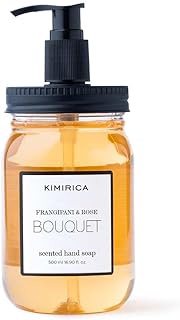

Choosing a herbal handwash is not simply about selecting a product with words such as “natural,” “herbal,” or “plant-based” on the label. A good handwash should clean hands effectively while offering a pleasant washing experience, suitable skin compatibility, convenient packaging, and ingredients that match your personal preferences. For Indian households, factors such as frequent handwashing, hot and humid weather, hard water in some regions, family use, fragrance preferences, and value for money can all influence the right choice.
When comparing herbal handwash products, look beyond the front label. Check the ingredient list, cleansing agents, botanical ingredients, fragrance components, preservatives, pack size, dispenser design, customer feedback, and the manufacturer's product information. A product described as herbal may still contain conventional cleansing and preservation ingredients, so ingredient transparency is more useful than marketing language alone.
There is no single ingredient that automatically makes a handwash herbal. In the Indian market, herbal handwashes commonly combine cleansing agents with botanical extracts or traditionally used ingredients such as neem, tulsi, aloe vera, turmeric, lemon, tea tree, sandalwood, or other plant-derived components.
However, the presence of a botanical extract does not necessarily mean the entire formula is naturally derived. The cleansing system, preservatives, fragrance, colourants, pH adjusters, thickeners, and other functional ingredients can come from different sources. This is why consumers should evaluate the complete ingredient list rather than choosing solely on the basis of a botanical name shown on the packaging.
The main difference is generally the positioning and formulation emphasis rather than a completely separate category of cleansing technology. Conventional handwashes may focus primarily on cleansing performance, fragrance, moisturising feel, or antibacterial positioning, while herbal handwashes often highlight botanical extracts and traditional ingredients.
For everyday hand hygiene, the most important consideration remains effective handwashing technique. A product should allow you to create enough lather or cleansing action to thoroughly wash the hands, including the palms, backs of the hands, fingers, thumbs, fingertips, and areas around the nails.
Consumers should also avoid assuming that “herbal” automatically means more effective against germs. Botanical ingredients can have different properties, but marketing terminology should not be treated as proof of antimicrobial performance. If a product makes a specific germ-killing or antibacterial claim, check the product label and supporting manufacturer information rather than relying on the word “herbal.”
Neem is widely used in Indian personal-care products and is traditionally associated with cleansing and skin-care routines. In handwash formulas, neem extract is generally included as a botanical component alongside the main cleansing ingredients. Consumers should evaluate the complete formula rather than assuming that neem alone determines cleansing performance.
Tulsi, also known as holy basil, is another familiar Indian botanical ingredient. It is frequently used in herbal personal-care formulations because of its traditional appeal and distinctive botanical identity. A tulsi-based handwash can be an attractive option for shoppers who prefer familiar Ayurvedic-inspired ingredients.
Aloe vera is commonly associated with moisturising and soothing personal-care formulations. In a handwash, it may contribute to the overall skin feel, particularly when the formula is designed for frequent use. The actual effect depends on the concentration and the complete formulation.
Turmeric is a traditional Indian ingredient with a long history in personal-care practices. Modern handwash products may include turmeric extract as part of a botanical blend. Its presence should be considered a formulation feature rather than a guarantee of a particular cleansing or therapeutic outcome.
Lemon and other citrus ingredients are often selected for their fresh scent and association with cleanliness. Citrus fragrance can make handwashing feel refreshing, although people with fragrance sensitivities may prefer simpler formulations.
Tea tree is commonly used in personal-care products designed around a fresh, cleansing botanical profile. Because essential oils and aromatic ingredients can be irritating for some individuals, consumers with sensitive skin should review the full ingredient list carefully.
Two herbal handwashes can look very similar while offering noticeably different user experiences. Before buying, compare the following specifications whenever the manufacturer provides them.
Families generally benefit from a handwash that balances cleansing, comfortable repeated use, dispenser convenience, and reasonable quantity. A pump bottle with a practical refill option can be more convenient than repeatedly purchasing small bottles.
If you wash your hands many times throughout the day, prioritise a formula that does not leave your skin feeling excessively dry or tight. A pleasant texture and easy-rinse formula can also encourage consistent use.
Shoppers specifically interested in traditional botanical ingredients may want to compare products featuring neem, tulsi, aloe vera, turmeric, or similar plant extracts. Check the complete ingredient declaration rather than choosing solely from the front-of-pack claim.
For households using handwash frequently, the most useful comparison is cost per unit of product. Larger bottles and refill packs can sometimes provide better value, but only after considering the actual pack quantity and current retailer pricing.
People who are sensitive to fragrances should pay particular attention to parfum, fragrance, essential oils, and individual aromatic ingredients listed on the label. A botanical formula is not necessarily fragrance-free.
Indian shoppers may encounter established personal-care brands such as Himalaya, Biotique, Khadi Natural, Medimix, Patanjali, Mamaearth, The Moms Co., and other brands offering herbal or plant-focused cleansing products. Brand familiarity should not replace product-level comparison, because formulations can vary considerably between different products within the same brand.
When comparing these brands, check the current product label, ingredients, pack size, customer feedback, seller information, and retailer specifications. Product formulations and packaging can change, so older reviews or photographs should not automatically be treated as evidence of the current version.
Reading an ingredient list can seem complicated, but consumers can use a simple process. Start by identifying the main cleansing ingredients, then look for botanical extracts and skin-conditioning components. After that, check fragrance and preservation ingredients, particularly if you already know that certain ingredients do not suit your skin.
Ingredient order can also provide useful context because cosmetic ingredients are generally listed in descending order of predominance subject to applicable labelling conventions. However, the presence of an ingredient near the end of the list does not automatically mean it is ineffective, because ingredients can have important functions at relatively low concentrations.
No. Foam can make a cleanser feel more satisfying, but foam volume alone does not establish cleaning effectiveness. Different surfactant systems can produce different amounts and types of lather. Some low-foaming formulas can still cleanse effectively, while a highly foaming product is not automatically superior.
When comparing products, consider rinseability, skin feel, dispensing control, cleansing performance, and overall comfort rather than using foam as the primary measure of quality.
Any cleansing product can potentially contribute to dryness depending on the formula, frequency of washing, water temperature, environmental conditions, and individual skin characteristics. A product containing botanical extracts is not automatically less drying than a conventional cleanser.
If your hands regularly feel tight, rough, flaky, or uncomfortable after washing, examine the entire routine. Very hot water, frequent washing, harsh cleaning products, dry weather, and insufficient moisturising can all contribute to discomfort. Using lukewarm water, rinsing thoroughly, drying gently, and applying an appropriate hand moisturiser can help support the skin barrier.
India's climate varies considerably between regions, so there is no single ideal handwash formula for every household. In hot and humid conditions, consumers may prefer lighter textures and fresh fragrances, while dry or cooler climates can make skin comfort and moisturising characteristics more important.
Hard water can also affect how a cleanser feels during rinsing, although the impact depends on both the water composition and the formulation. If a handwash consistently leaves an unusual residue, compare another formula rather than assuming that the product is defective.
A kitchen handwash should be easy to dispense and rinse because it may be used repeatedly while preparing food. A pump dispenser is usually more practical than a cap that requires two hands to open.
Bathroom use often prioritises convenient dispensing, family-friendly packaging, and a fragrance that most household members find acceptable.
For office environments, compact dispensers and economical refill options can be practical. If many people share the product, durability and easy dispensing become particularly important.
For travel, consider container size, leakage resistance, dispensing control, and whether the packaging is easy to transport. A smaller pack may be more convenient even when a larger household bottle offers better value.
Customer reviews can help with practical buying decisions, but they should be interpreted carefully. Look for repeated comments about the same characteristics rather than relying on one extremely positive or negative review.
When purchasing online, use established retailers and carefully inspect the product listing. Compare the product name, manufacturer information, pack size, photographs, ingredient information, and packaging details. Avoid relying solely on unusually low pricing as evidence of a good deal.
After receiving a product, check the packaging for relevant manufacturer information, batch details, expiry information, seals where applicable, and consistency with the listing. If something appears materially different from the advertised product, contact the relevant retailer or manufacturer through their official customer-support channels.
A pump bottle is generally more convenient for immediate use, while refill packaging can be useful for households that already have a dispenser. The best option depends on usage frequency, storage space, dispenser compatibility, and total cost.
The amount needed depends on the product, dispenser, hand size, and manufacturer's instructions. Using substantially more product does not necessarily provide better hygiene. The more important factor is thorough coverage of all hand surfaces followed by proper rinsing.
Even the best herbal handwash cannot compensate for poor washing technique. Wet your hands, apply enough cleanser to cover the surfaces, and rub the palms, backs of the hands, spaces between the fingers, thumbs, fingertips, and areas around the nails. Continue rubbing thoroughly before rinsing with clean running water and drying your hands.
Pay particular attention to fingertips and thumbs because these areas can be overlooked during a rushed wash. Consistent technique is more important than selecting a product based solely on fragrance, colour, or the number of botanical ingredients displayed on the label.
For children, choose a product that is easy to dispense and comfortable enough to encourage regular handwashing. Avoid assuming that a strongly scented or highly colourful product is better. Younger children should be supervised as appropriate, particularly around pump bottles and bathroom products, and handwash should not be treated as something to ingest or play with.
Keep the bottle closed when not in use and follow the manufacturer's storage instructions. Avoid unnecessary exposure to excessive heat or direct sunlight. Keep personal-care products away from areas where they can become contaminated by dirt or other substances.
If a product changes significantly in smell, colour, texture, or consistency before its stated expiry, check the packaging instructions and consider contacting the manufacturer for guidance rather than continuing to use a product that appears abnormal.
There is no universal replacement interval because household usage varies. A high-use family bathroom may empty a bottle quickly, while a rarely used guest bathroom may take considerably longer. Replace the product according to its expiry information and usage instructions, and clean or replace reusable dispensers when they become visibly dirty or difficult to maintain hygienically.
Online shopping makes it easy to compare a large number of products, but listings can contain outdated photographs or incomplete specifications. Before purchasing, verify the exact product variant and quantity shown on the current listing.
Price alone is a poor way to compare handwash products because pack sizes vary. A simple price-per-100-ml comparison can provide a more meaningful starting point.
For example, if one product contains 250 ml and another contains 500 ml, compare their effective cost per 100 ml before deciding which represents better value. Also consider dispensing efficiency because a formula that requires a large amount per wash may not provide the same practical value as another product with a smaller recommended quantity.
There is no single best option for every household. The right choice depends on cleansing preference, botanical ingredients, fragrance, skin comfort, pack size, dispenser design, budget, and current customer feedback. Compare the current specifications and reviews of the products you are considering rather than relying on a single ranking.
Not automatically. “Herbal” primarily describes the product's botanical positioning or ingredients. Cleaning performance depends on the complete formulation and how the product is used. Choose based on ingredients, cleansing experience, skin comfort, and trustworthy product information.
A neem-based handwash may be suitable for everyday use if its complete formulation is comfortable for your skin and the product is used according to its instructions. Neem extract alone does not determine whether a formula is appropriate for repeated washing.
Aloe vera is commonly included in formulas designed with a more skin-comfort-oriented profile. However, the overall cleansing system matters more than the presence of aloe vera alone. Check how your skin responds with repeated use.
Do not assume that every herbal handwash kills germs simply because it contains botanical ingredients. If germ-killing or antibacterial performance is important to you, check the specific product claim and supporting information on the current packaging.
No. A higher price can reflect packaging, branding, ingredients, fragrance, pack size, or other factors. Compare the formulation, quantity, usage experience, and current customer feedback rather than treating price as a direct measure of quality.
Both formats can be convenient. Liquid handwash offers familiar dispensing and broad product availability, while foaming formats can provide ready-to-use foam. The better option depends on dispenser design, household preferences, product instructions, and value.
If you prefer minimal fragrance or already know that fragrance does not suit your skin, a fragrance-free or low-fragrance formulation may be worth considering. Check the actual ingredient declaration because botanical or essential-oil ingredients can also contribute to scent.
Compare current prices against net quantity and calculate the approximate cost per 100 ml. Then consider how much product is required per wash, whether a refill is available, and whether the dispenser is reusable.
“Herbal” does not automatically mean suitable for sensitive skin. Botanical extracts, essential oils, fragrance ingredients, preservatives, and cleansing agents can all affect individual skin differently. Review the complete ingredient list and discontinue use if the product causes persistent irritation.
The strongest buying decision comes from evaluating the whole product rather than a single marketing claim. Start with the intended use, then compare the cleansing formula, botanical ingredients, fragrance, skin feel, dispenser, quantity, current price, and recent customer feedback. For frequent household use, practical factors such as refill availability, dispensing control, and cost per unit can be just as important as the herbal ingredients highlighted on the front of the package.
Before purchasing in 2026, verify the latest product specifications, ingredient information, pack size, seller details, and current customer reviews. Product formulations, packaging, and prices can change, so the most reliable buying decision is based on the current version of the product rather than an older listing or review.