

♥ Wishlist
Compare 53 verified Herbal Soap for Natural Everyday Cleansing products in India. Reviews, ratings, pros, cons and buying advice updated for September 2026.


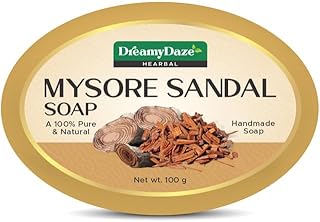




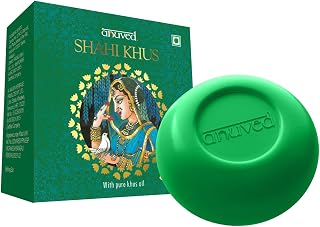


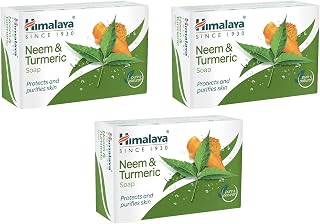



Choosing an herbal soap is not simply a matter of picking a product with the words “natural,” “herbal,” or “ayurvedic” on the packaging. Different formulations can behave very differently depending on the oils, cleansing agents, botanical extracts, fragrance ingredients, moisturising components, and the intended skin type. A bar that works well for normal skin may feel drying on sensitive or already-dry skin, while a richer formulation may be less comfortable for someone who prefers a lighter, cleaner after-feel.
For shoppers in India, climate and bathing habits also matter. Hot weather, humidity, frequent bathing, hard water in some areas, and seasonal dryness can all influence how a cleansing bar feels on the skin. A useful comparison should therefore look beyond ratings and packaging claims and consider ingredients, cleansing strength, fragrance, skin compatibility, bar construction, value, and the manufacturer's product information.
Herbal soap generally refers to a cleansing bar formulated with plant-derived ingredients, botanical extracts, herbs, seeds, flowers, roots, essential oils, or traditionally used ingredients. Common examples found in Indian personal-care products include neem, turmeric, aloe vera, sandalwood, tulsi, tea tree, coconut oil, olive oil, and various plant extracts.
However, “herbal” does not automatically mean that every ingredient is botanical or that the product is suitable for every skin type. A soap can contain herbal extracts while also containing conventional cleansing agents, fragrances, preservatives, colourants, or other cosmetic ingredients. The complete ingredient list is therefore more informative than the front-of-pack herbal claim alone.
The distinction between herbal and conventional soap is less important than the actual formulation and how your skin responds to it. Some herbal bars can be quite cleansing, while some conventional cleansing bars can be relatively mild. Product labels and ingredient lists should therefore guide the comparison.
There is no single herbal ingredient that is universally “best.” The right choice depends on what you want from a cleanser and how your skin behaves after washing.
People with dry-feeling skin may prefer formulations that provide a less stripping cleansing experience. Ingredients such as aloe vera, plant oils, glycerin, and conditioning components may be worth examining. The overall formulation matters more than one highlighted botanical.
If your skin regularly feels tight, rough, flaky, or uncomfortable immediately after bathing, avoid assuming that a stronger “deep cleansing” sensation means better performance. Excessively frequent or aggressive cleansing can make an already-dry routine feel less comfortable.
Normal skin generally provides more flexibility when selecting a cleansing bar. A shopper can prioritise preferred fragrance, herbal ingredients, lather, texture, bar hardness, packaging, and overall value while still checking the ingredient list for known personal sensitivities.
Those with oily-feeling skin may prefer a cleanser that removes sweat and excess surface oil effectively without leaving an unpleasant residue. Neem and tea tree are common ingredients in products marketed toward oily or blemish-prone skin, but an ingredient's presence does not guarantee a particular dermatological result.
Sensitive skin benefits from a more cautious approach. Botanical ingredients can still cause irritation or allergic reactions in some individuals, particularly when a formula contains multiple fragrances or essential oils. A simpler formulation with fewer potential irritants may be preferable to a product containing a long list of aromatic botanicals.
When comparing herbal soaps available in India, turn the package over and examine the ingredient information instead of relying only on marketing claims.
Glycerin is a humectant commonly used in personal-care products. It can contribute to a more comfortable cleansing experience, although the overall formulation determines how the finished bar behaves.
Coconut oil, olive oil, shea butter, castor oil, and other oils or butters may contribute to the characteristics of a cleansing bar. Their presence should be evaluated alongside the other ingredients rather than treated as a guarantee of moisturising performance.
Herbal soaps often have distinctive botanical aromas. Essential oils and fragrance ingredients can make a product more appealing, but people with fragrance sensitivity should pay particular attention to the ingredient list.
Neem, turmeric, aloe, tulsi, sandalwood, and other extracts are common marketing and formulation elements. Check the full ingredient list and product description to understand whether the botanical is an extract, oil, powder, or another form.
Ingredient lists can appear complicated, but shoppers can make better comparisons by focusing on a few practical questions.
When purchasing online, compare the latest product photographs and descriptions carefully. Product formulations and packaging can change, so older photographs or descriptions should not automatically be treated as the current specification.
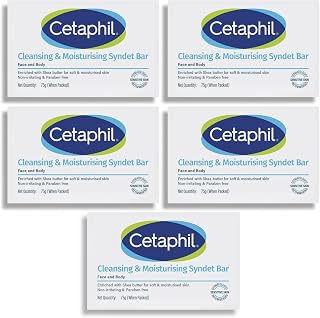
Not every solid cleansing product is chemically identical. Traditional soap is generally made through the saponification of fats or oils with an alkali, while syndet bars use synthetic detergents and are formulated differently. Both can be available with herbal or botanical positioning.
This distinction can matter for people who find traditional soaps drying or who have particularly sensitive skin. Instead of choosing based solely on the word “herbal,” check what type of cleansing product you are actually buying and consider how your skin responds to it.
Indian shoppers have a broad selection of established personal-care brands. Depending on the specific formulation, product range, and current availability, brands worth comparing can include Medimix, Himalaya, Khadi Natural, Biotique, Patanjali, Vaadi Herbals, Margo, Mysore Sandal, and The Body Shop.
Brand familiarity should not replace product-level comparison. A well-known company can offer several soaps with very different ingredients, fragrances, cleansing characteristics, and intended uses. Always evaluate the exact product rather than assuming that every soap from the same brand will perform similarly.
A useful shortlist should be based on consistent criteria. Rather than selecting a product simply because it has a large number of ratings, compare several dimensions together.
Start with the ingredient list. Identify the main cleansing system, moisturising ingredients, botanical extracts, fragrance components, and any ingredients you personally avoid.
Look for products positioned for normal, dry, oily, sensitive, or combination skin where applicable. Product positioning is useful guidance, but individual skin response remains the most important consideration.
Consider whether you prefer a rich lather, a creamy lather, a stronger cleansing sensation, or a mild post-wash feel. These preferences can make one soap substantially more appealing than another even when both have similar ratings.
Herbal soaps range from lightly scented products to strongly aromatic bars. Consider whether you want neem, sandalwood, turmeric, floral, citrus, or other fragrance profiles.
Do not compare prices without checking the total quantity. A multipack can look inexpensive at first glance while offering less soap per bar than another option.
A soap bar's usable life depends partly on how it is stored. Bars kept constantly wet can become soft and dissolve faster. A well-drained soap dish can improve practical value regardless of the brand.
Customer reviews can reveal useful information about scent strength, lather, packaging, bar size, texture, and personal preferences. They should be treated as individual experiences rather than controlled product tests.
Natural and herbal marketing language does not provide enough information to determine whether a soap is appropriate for your skin. Check the actual formulation.
A longer botanical ingredient list is not automatically superior. Multiple plant extracts can increase formulation complexity and may not suit everyone.
Many shoppers focus on neem, aloe, turmeric, or sandalwood while overlooking fragrance ingredients. If fragrance is a concern for you, make it part of the buying decision.
Always calculate the approximate cost per bar or per total weight when comparing multipacks. This makes comparisons between different pack sizes more meaningful.
Facial skin and body skin have different characteristics. A bar marketed primarily as a body soap should not automatically be assumed to be the best cleanser for the face, especially if your facial skin is sensitive or prone to dryness.
Even a good soap can disappear quickly if it sits in a pool of water. Drainage is one of the simplest ways to extend the useful life of a bar.
India's diverse climate means that the same soap may feel different depending on the season and location.
In hot and humid conditions, shoppers may prefer a cleanser that feels fresh and removes sweat comfortably without leaving a heavy residue. During cooler or dry periods, a more conditioning formulation may feel preferable. People living in areas with hard water may also notice differences in lather and post-wash feel compared with those using softer water.
These factors do not mean that a particular soap is universally better for a particular region. Instead, they explain why personal preference and seasonal skin changes should be considered when choosing a cleansing product.
Ayurvedic positioning and herbal positioning overlap in many Indian personal-care products, but they should not be treated as interchangeable guarantees of performance. Ayurvedic-inspired products may emphasise traditional ingredients and formulations, while herbal products can use a broader range of botanical ingredients.
For everyday shopping, focus on the exact product claims, ingredient information, intended use, manufacturing information, and suitability for your skin rather than relying solely on category labels.
Ratings can be useful for identifying products that deserve further investigation, but they should not be the only deciding factor. A high rating can reflect fragrance preference, packaging satisfaction, value, or expectations rather than objective cleansing performance.
When reading reviews, look for recurring comments about characteristics that matter to you, such as:
Recent reviews can be especially useful when product packaging or formulation may have changed. However, individual reviews should still be considered anecdotal rather than laboratory evidence.
“Herbal” does not mean “risk-free.” Plant extracts, essential oils, fragrances, and other cosmetic ingredients can cause irritation or allergic reactions in susceptible individuals. If you have a history of sensitivity to a particular ingredient, check the complete ingredient information before use.
For a new product, some consumers prefer to introduce it cautiously rather than immediately replacing every cleanser in their routine. Stop using a product if it causes significant irritation or an unexpected reaction. Persistent, severe, or concerning skin symptoms are better discussed with a qualified healthcare professional or dermatologist than treated by repeatedly switching soaps.
A strongly fragranced herbal bar may not be ideal for someone who prefers fragrance-free skincare. Likewise, a traditional soap bar may not suit someone who finds soap-based cleansing too drying. People with specific dermatological conditions may need a cleanser recommended for their particular needs rather than a general-purpose herbal soap.
The objective is not to find the most “natural” bar on the shelf. It is to find a cleansing product whose formulation, intended use, fragrance profile, and cleansing characteristics fit your personal requirements.
When narrowing a large selection to ten products, use a consistent scoring framework rather than choosing products randomly. A practical editorial comparison can examine ingredient transparency, skin-type suitability, cleansing characteristics, fragrance, pack value, bar durability, brand information, customer feedback, and availability.
This approach also makes the shortlist easier to update. If a product's formulation, pack size, price, or availability changes, the individual product can be reassessed without rebuilding the entire comparison methodology.
Online product information can change during the year. Before purchasing an herbal soap in India, check the current product title, pack size, ingredient information, seller details, customer reviews, and price. Make sure the product variation selected at checkout matches the version you researched.
Do not assume that an older review, photograph, or price represents the current listing. Product pages can contain multiple pack sizes or variations, so verify the exact option you intend to purchase.
There is no single best herbal soap for everyone. The right option depends on skin type, preferred fragrance, cleansing strength, ingredients, pack size, budget, and personal sensitivities. Compare the exact formulation and current product information before choosing.
Many herbal soaps are designed for routine cleansing, but suitability depends on the formulation and your skin. If a product repeatedly causes tightness, dryness, burning, or irritation, it may not be the right daily cleanser for you.
Neem is widely used in traditional Indian personal-care formulations, and neem soaps are popular among shoppers who prefer herbal cleansing products. However, the presence of neem alone does not establish that a particular soap will provide a specific skin benefit for every person.
Turmeric is commonly included in herbal and Ayurvedic-inspired soaps. Whether a particular turmeric soap is suitable for everyday bathing depends on its complete formulation and your individual skin response.
Not necessarily. “Herbal” describes a product category or formulation approach rather than a universal performance advantage. Compare cleansing agents, ingredients, fragrance, skin compatibility, and intended use.
Do not assume that a body soap is appropriate for facial cleansing. Facial skin can be more sensitive to cleansing strength and fragrance. If a product is not specifically intended for facial use, a dedicated facial cleanser may be a more appropriate comparison.
For dry skin, compare formulations that offer a comfortable cleansing experience and contain suitable conditioning or moisturising ingredients. Avoid selecting a product solely because it contains a particular herb.
People with oily skin often prefer effective cleansing without an excessively heavy after-feel. Neem and tea tree soaps are commonly marketed toward this preference, but the complete formulation and individual response matter more than the ingredient name alone.
Yes. Herbal and botanical ingredients can cause irritation or allergic reactions in some people. Fragrance and essential oils can also be relevant for sensitive users. Check ingredients carefully and discontinue use if significant irritation occurs.
There is no universal lifespan because usage frequency, bar size, household usage, water exposure, and storage conditions all affect longevity. Keeping a bar dry between uses can help reduce unnecessary dissolution.
Store the bar somewhere dry with good drainage. Avoid leaving it in standing water or directly under a continuous stream of water. If several bars are purchased together, keeping unused bars sealed and dry can help preserve their condition.
A multipack can offer convenience and potentially better unit value, but compare the total weight and exact number of bars. Also consider whether you have already confirmed that the formulation works well for your skin before buying a large quantity.
No. Price alone does not establish better performance. A higher-priced soap may reflect branding, packaging, ingredients, positioning, or other factors. Compare the actual formulation and quantity before deciding whether the price represents good value for your needs.
The best herbal soap is ultimately the one that fits your skin, preferences, routine, and budget rather than the one with the most impressive marketing language. For an informed purchase in India, start with the ingredient list, identify your skin's requirements, compare cleansing characteristics, check fragrance, examine pack size, read recent customer feedback, and verify the current product details.
Established brands such as Medimix, Himalaya, Khadi Natural, Biotique, Patanjali, Vaadi Herbals, Margo, Mysore Sandal, and The Body Shop can provide useful starting points for comparison, but the exact product formulation should remain the deciding factor.
Before ordering, compare current specifications and today's price from trusted retailers, confirm the selected pack and variant, and consider whether the product genuinely matches your intended use. A careful product-level comparison is more useful than choosing an herbal soap simply because it is popular, heavily advertised, or labelled natural.